Health
What is a ventricular arrhythmia in a dog?
An electrical problem in the heart's rhythm-coordinating signals, causing skipped, extra, or abnormally fast beats, distinct from structural issues like valve disease.

Quick answer
What is a ventricular arrhythmia in a dog?
An electrical problem in the heart's rhythm-coordinating signals, causing skipped, extra, or abnormally fast beats, distinct from structural issues like valve disease.
A heart can look structurally perfect on an ultrasound and still misfire its electrical signal at exactly the moment your dog gets most excited.
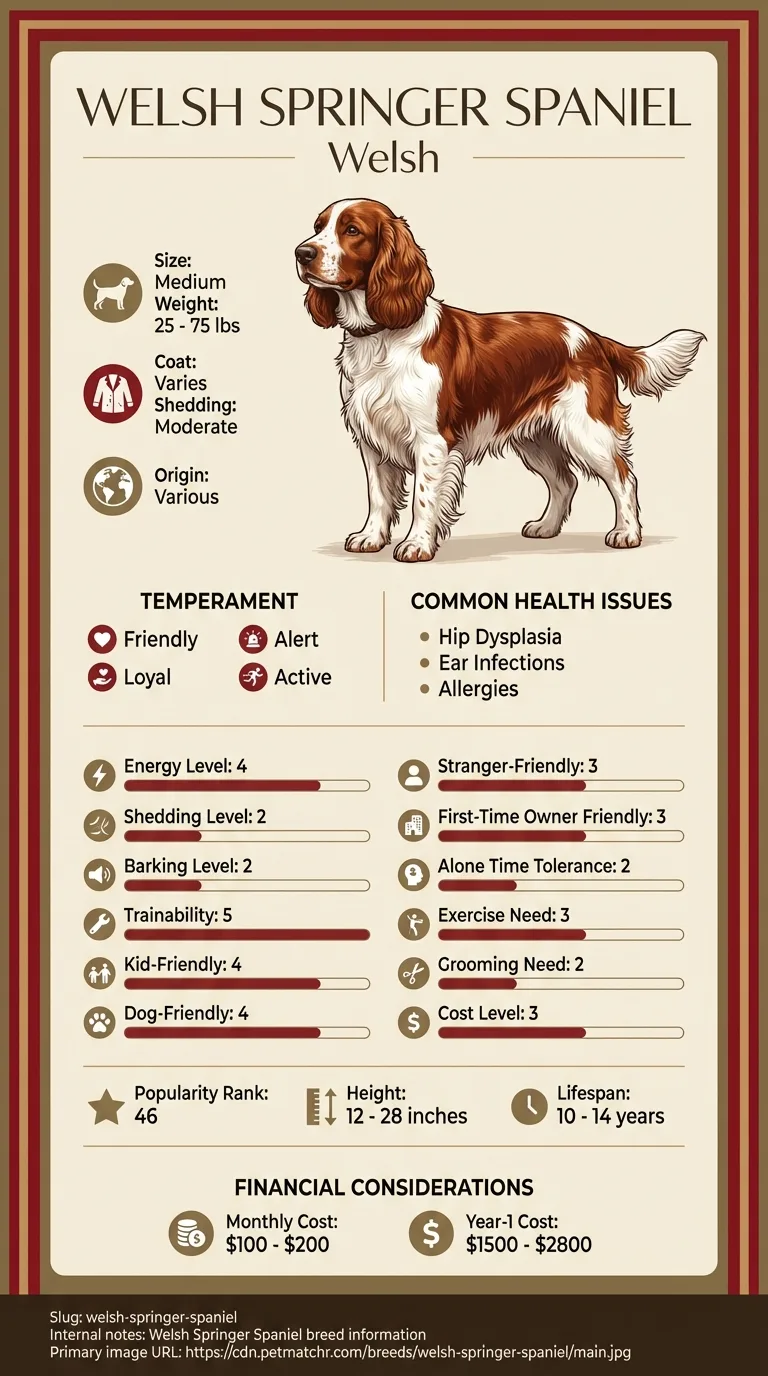
Owners who notice a brief, unexplained wobble or collapse during high-excitement moments, like flushing a bird or greeting visitors enthusiastically, rather than during calm, ordinary activity, are the ones most likely to be dealing with this.
This guide is not medical advice. If your dog shows pain, sudden behavior change, or worsening symptoms, consult a licensed veterinarian.
Some links may be affiliate links. We may earn a commission at no extra cost to you. We only suggest products we believe are helpful for dog owners.
We research and check what we publish, but we do not warrant that any figure, date, price, or statement is accurate, complete, or current, and we accept no liability for any loss, cost, injury, or other harm arising from the use of this site. Use it as one reference among several. You remain responsible for your own decisions and for your dog's care - confirm anything that matters with a licensed veterinarian or another qualified professional before you act on it. Full disclaimer.
Ventricular arrhythmias are electrical rhythm disturbances rather than structural heart problems, meaning a dog's heart can look entirely normal on a standard echocardiogram while still experiencing brief, adrenaline-triggered episodes of abnormal rhythm. Because excitement and exertion are known triggers, this is a mechanism worth understanding specifically for a genuinely high-drive, working breed like the Welsh Springer Spaniel.
Ventricular arrhythmias are not specifically documented as a leading condition for this breed, but they can occur in any dog, and a genuinely high-excitement, high-exertion working breed provides more natural triggering moments than a calmer, lower-drive dog would encounter.
Welsh Springer Spaniels do not carry a documented breed-specific predisposition to ventricular arrhythmias, but their real working drive and excitement around flushing, retrieving, and vigorous play means an individual dog with an underlying electrical vulnerability is more likely to encounter the adrenaline-driven triggering moments that reveal the problem.
High-excitement situations, intense exercise, and adrenaline-driven moments are the environmental triggers that convert an underlying electrical vulnerability into an actual observable arrhythmia episode.
Talk to your vet about any unexplained wobble, stumble, or brief collapse, especially one occurring during excitement or exertion, so appropriate testing including Holter monitoring can be considered. A collapse that does not resolve quickly, or one accompanied by pale or blue-tinged gums, is a cardiac emergency requiring immediate veterinary care.
See all Welsh Springer Spaniel health problems, which breeds are prone to ventricular arrhythmias, or the full Welsh Springer Spaniel breed guide for temperament, exercise needs and ownership costs.
Diagnosis typically takes one to a few weeks, including Holter monitoring to catch an intermittent episode, and once treatment begins, follow-up monitoring over the following months confirms whether the rhythm is being controlled effectively.
Success looks like an accurate diagnosis through appropriate monitoring, effective rhythm control through medication if needed, and a clear understanding of which situations, if any, should be approached more cautiously going forward.
The heart's rhythm is governed by electrical signals that need to fire in a precise sequence and timing. Ventricular arrhythmias occur when a signal originates from the wrong location or at the wrong time, disrupting that sequence and sometimes causing the heart to beat inefficiently for a few seconds or longer, briefly reducing blood flow to the brain.
Adrenaline, the surge of excitement chemistry released during intense moments, is a well-known trigger for electrical instability in a heart already prone to arrhythmia, which is exactly why episodes often cluster around a dog's most emotionally or physically intense moments rather than during quiet, ordinary activity. For a Welsh Springer Spaniel, a breed genuinely bred for the adrenaline of flushing and retrieving, this connection between excitement and arrhythmia risk is worth understanding specifically.
Because the structural heart itself often looks entirely normal on a standard echocardiogram, diagnosing an arrhythmia usually requires catching the abnormal rhythm in the act, which a brief in-clinic exam often misses entirely if the dog isn't excited or active during the visit. This is why a Holter monitor, a portable device that records the heart's rhythm continuously over 24 to 48 hours during a dog's normal life at home, is the standard diagnostic tool, since it can capture an arrhythmia during exactly the kind of excited moment that triggers it.

Because this is fundamentally an electrical rather than structural problem, ongoing management often centers on medication and monitoring rather than surgery.
Every time his Welsh Springer, Scout, flushed a pheasant during a hunt, Desmond noticed Scout would occasionally stumble briefly right afterward, then continue on as if nothing had happened. A standard vet exam and echocardiogram both came back completely normal, leaving Desmond confused about what was causing it. His vet suggested a Holter monitor, worn during a normal weekend that included a hunting trip, and it captured a brief run of ventricular arrhythmia occurring exactly during one of Scout's excited flushes. With the specific trigger and pattern identified, Scout's vet started an anti-arrhythmic medication and scheduled a follow-up Holter monitor two months later. The follow-up recording showed the medication was controlling the rhythm well, and Scout has continued hunting with Desmond since, now on a consistent medication schedule.
Key takeaway: A structurally normal heart doesn't rule out a rhythm problem, and catching an arrhythmia often requires recording the heart during the exact kind of excited moment that triggers it, not just a calm exam room visit.
It is an electrical problem where the heart's rhythm-coordinating signals misfire, causing skipped, extra, or abnormally fast beats, distinct from structural problems like valve disease where the heart's physical parts are affected.
Adrenaline released during intense excitement or exertion is a well-known trigger for electrical instability in a heart already prone to arrhythmia, which is why episodes often cluster around a dog's most excited moments.
A brief wobble, stumble, or momentary collapse during an excited or high-exertion moment, followed by an apparently normal recovery, is the classic pattern worth investigating.
A Holter monitor, a portable device recording heart rhythm continuously over 24 to 48 hours during normal daily activity, is the standard tool, since it can catch an intermittent arrhythmia that a brief in-clinic exam would likely miss.
Often yes, since the structural heart itself is frequently normal in a purely electrical arrhythmia, which is exactly why an echocardiogram alone can miss this diagnosis and a Holter monitor is needed.
Treatment typically involves anti-arrhythmic medication and, depending on severity, some activity modification, with follow-up Holter monitoring used to confirm whether the treatment is actually controlling the rhythm.
An electrical problem in the heart's rhythm-coordinating signals, causing skipped, extra, or abnormally fast beats, distinct from structural issues like valve disease.
Adrenaline from excitement or exertion is a known trigger for electrical instability, which is why episodes often cluster around a dog's most excited moments.
A Holter monitor, worn continuously for 24 to 48 hours during normal activity, is the standard test, since it can catch an intermittent arrhythmia a brief vet visit would likely miss.
Yes, often. The structural heart is frequently normal in a purely electrical arrhythmia, which is why a Holter monitor is needed in addition to a standard echocardiogram.
Holter monitoring and any ongoing anti-arrhythmic medication represent real recurring costs, so checking your pet insurance's cardiac diagnostic coverage in advance is worthwhile.
A one-page prep sheet for this condition: the signs, the questions to ask, what to get priced. Unlocks here.
You get: Vet visit prep sheet
No spam. One-click unsubscribe. See our privacy policy.
Preview page 1 before you decide.