Health
What are quick tips for managing Jack Russell Terrier ventricular arrhythmias?
Monitor your dog's heart health with regular vet visits, maintain a balanced diet, and reduce stressors in their environment.

Quick answer
What are quick tips for managing Jack Russell Terrier ventricular arrhythmias?
Monitor your dog's heart health with regular vet visits, maintain a balanced diet, and reduce stressors in their environment.
Jack Russell Terrier ventricular arrhythmias can lead to irregular heartbeats, which are concerning for any dog owner. Recognizing and addressing this issue is crucial for your dog's health.
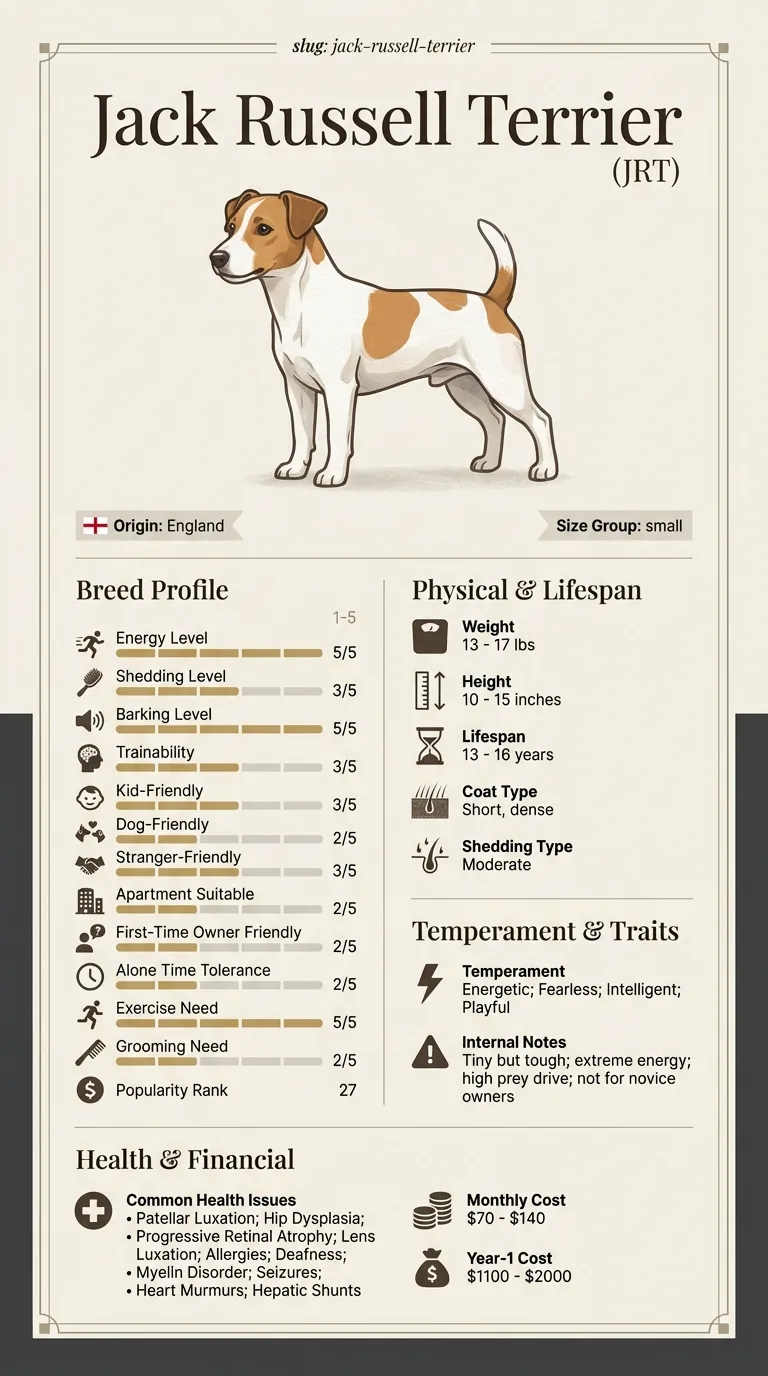
Typically, owners of Jack Russell Terriers face this issue, especially those new to pet ownership or those unaware of their dog's specific health risks. Busy families or individuals may also find it challenging to recognize the signs early.
This guide is not medical advice. If your dog shows pain, sudden behavior change, or worsening symptoms, consult a licensed veterinarian.
Some links may be affiliate links. We may earn a commission at no extra cost to you. We only suggest products we believe are helpful for dog owners.
We research and check what we publish, but we do not warrant that any figure, date, price, or statement is accurate, complete, or current, and we accept no liability for any loss, cost, injury, or other harm arising from the use of this site. Use it as one reference among several. You remain responsible for your own decisions and for your dog's care - confirm anything that matters with a licensed veterinarian or another qualified professional before you act on it. Full disclaimer.
Check this first
Recognizing when Jack Russell Terrier ventricular arrhythmias are an emergency is crucial for your pet's health. If your dog shows severe symptoms, like collapsing, extreme lethargy, or a rapid heart rate, you should call your vet immediately. These signs could indicate a serious condition that needs urgent care.
In contrast, if your Jack Russell is experiencing occasional irregular heartbeats without other severe symptoms, you may be able to monitor the situation. Mild cases can often be managed with a vet's guidance and a tailored care plan. Keep an eye on your dog's behavior and overall health, and maintain regular check-ups to ensure they stay stable.
When in doubt about your dog's health, it’s always best to err on the side of caution and consult your vet. They can help you determine the best course of action based on your Jack Russell's specific situation.
If any of these apply, call your vet or an emergency clinic now. The rest of this page is for the cases that are not an emergency.
Jack Russell Terrier ventricular arrhythmias can be a serious concern for dog owners. This condition leads to irregular heartbeats, which may manifest in your dog as lethargy, fainting, or excessive panting. These symptoms can be alarming, especially since they may indicate underlying heart issues that require immediate attention.
Ventricular arrhythmias are not the most common health issue for Jack Russell Terriers, but they do occur. It's important to monitor your dog for any signs of irregular heartbeats and consult a vet if you notice concerning symptoms.
Jack Russell Terriers are known for their high energy and fearless nature, which can sometimes lead to stress and anxiety. These factors may contribute to irregular heartbeats, known as ventricular arrhythmias. Additionally, this breed has a genetic predisposition to certain heart issues, making them more susceptible to this condition.
A hectic or unstable environment can exacerbate stress in Jack Russell Terriers. Loud noises, changes in routine, or prolonged periods of isolation can trigger anxiety, which may lead to heart irregularities. Keeping their environment calm and structured is crucial to reducing these risks.
If you notice frequent irregular heartbeats or other concerning symptoms, like lethargy or coughing, contact your vet immediately. They can evaluate your dog's heart health and recommend appropriate treatment options.
Avoiding common mistakes can help your Jack Russell Terrier manage ventricular arrhythmias better. Here are some behaviors to watch out for.
Start here: Jack Russell Terrier Most Common Genetic Disorders
See all Jack Russell Terrier health problems, which breeds are prone to ventricular arrhythmias, or the full Jack Russell Terrier breed guide for temperament, exercise needs and ownership costs.
Typically, it takes 4 to 8 weeks to see significant improvement in managing Jack Russell Terrier ventricular arrhythmias with the right care and veterinary guidance.
Success means your Jack Russell Terrier has fewer irregular heartbeats, appears more comfortable, and shows reduced anxiety during stressful situations.
Sam, a busy nurse living in a small apartment, noticed his Jack Russell Terrier, Bella, had episodes of irregular heartbeats. Initially, he was overwhelmed and unsure how to help her. After consulting a vet, he learned that stress and lack of exercise could worsen Bella's condition. He started implementing a daily exercise routine and focused on calming techniques during her anxious moments. Within a month, Bella's condition improved, and their bond grew stronger through the shared activities.
Key takeaway: With patience, consistent training, and proper vet support, managing Jack Russell Terrier ventricular arrhythmias can lead to a happier, healthier dog.
Jack Russell Terriers may experience ventricular arrhythmias due to underlying heart conditions or genetic predispositions. Stress, anxiety, or other health issues could also contribute to irregular heartbeats. It's essential to consult a vet for a proper diagnosis. This answer relates to Jack Russell Terrier ventricular arrhythmias.
To manage ventricular arrhythmias in your Jack Russell Terrier, follow your vet's treatment plan, which may include medications. Regular check-ups and a healthy lifestyle are crucial. Reducing stress through training and a calm environment can also help.
Training techniques focusing on relaxation can benefit a Jack Russell with arrhythmias. Positive reinforcement for calm behavior, along with desensitization to stressors, will create a more relaxed dog. Consider working with a professional trainer or behaviorist.
While exercise is important, avoid overly strenuous activities that can exacerbate heart issues. Opt for moderate walks and gentle playtime to keep your Jack Russell active without overexerting them. Always follow your vet's guidelines on exercise.
Signs of ventricular arrhythmias include lethargy, unusual panting, or fainting episodes. If you notice any irregular behavior, contact your vet immediately. Early detection can lead to better management of the condition.
Yes, some heart conditions, including ventricular arrhythmias, can have a genetic component. If your dog has a family history of heart issues, it's wise to discuss this with your vet.
While it's essential to follow your vet's advice, you can help by providing a stable environment, regular vet check-ups, and managing their stress levels. Monitoring their activity can also be beneficial.
A diet rich in omega-3 fatty acids and low in sodium can support heart health. Always consult your veterinarian for a tailored diet plan that addresses your dog's specific health needs.
If your dog experiences sudden weakness, collapse, or persistent coughing, seek emergency care immediately. These could indicate serious complications associated with their heart condition.
Monitor your dog's heart health with regular vet visits, maintain a balanced diet, and reduce stressors in their environment.
Use positive reinforcement training to reward calm behavior, and create a designated quiet space for your dog to retreat to when stressed.
Expect to spend between $70 to $140 monthly on general care and potential medication for managing arrhythmias.
Yes, in addition to ventricular arrhythmias, Jack Russell Terriers may face other health problems like patellar luxation or hip dysplasia.
Effective training can help reduce anxiety and stress, which may alleviate some symptoms of ventricular arrhythmias.
A one-page prep sheet for this condition: the signs, the questions to ask, what to get priced. Unlocks here.
You get: Vet visit prep sheet
No spam. One-click unsubscribe. See our privacy policy.
Preview page 1 before you decide.