Health
What is a ventricular arrhythmia?
An abnormal electrical rhythm originating in the heart's lower chambers, distinct from structural valve or muscle problems.

Quick answer
What is a ventricular arrhythmia?
An abnormal electrical rhythm originating in the heart's lower chambers, distinct from structural valve or muscle problems.
A heart can be structurally sound and still misfire electrically, sending irregular signals that throw off its normal rhythm — and in a large breed with cardiomyopathy risk, this electrical dimension is worth understanding on its own.
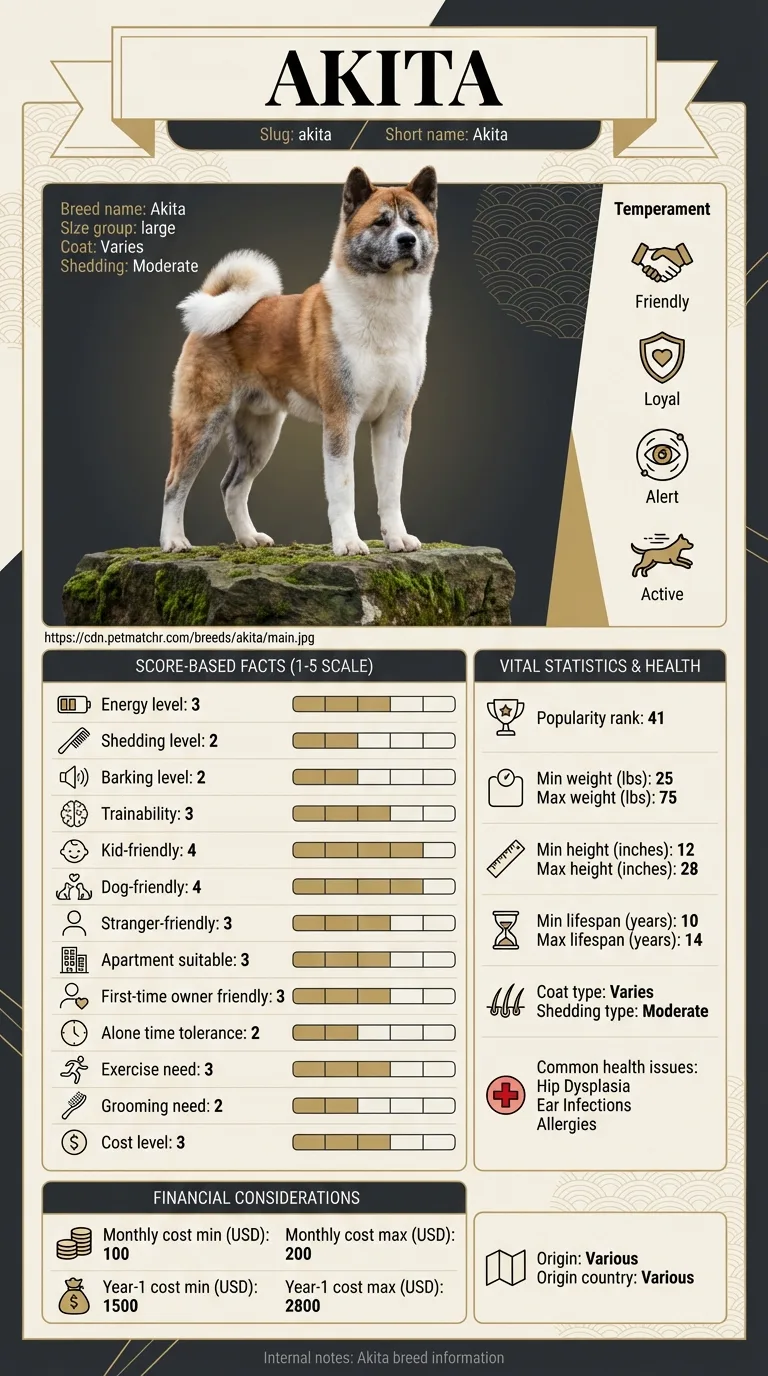
Owners of Akitas already diagnosed with or being monitored for dilated cardiomyopathy are the ones most likely to encounter this specific complication, since the two conditions are frequently connected.
This guide is not medical advice. If your dog shows pain, sudden behavior change, or worsening symptoms, consult a licensed veterinarian.
Some links may be affiliate links. We may earn a commission at no extra cost to you. We only suggest products we believe are helpful for dog owners.
We research and check what we publish, but we do not warrant that any figure, date, price, or statement is accurate, complete, or current, and we accept no liability for any loss, cost, injury, or other harm arising from the use of this site. Use it as one reference among several. You remain responsible for your own decisions and for your dog's care - confirm anything that matters with a licensed veterinarian or another qualified professional before you act on it. Full disclaimer.
Check this first
Collapse, fainting, or sudden death are the most serious possible outcomes of a dangerous ventricular arrhythmia, and any collapse or fainting episode in a dog with known or suspected cardiac disease needs same-day emergency veterinary evaluation. This is one of the more serious potential complications of underlying heart muscle disease in this breed's size category.
A dog that seems to have brief episodes of weakness, wobbliness, or a very brief loss of coordination that resolves quickly should also be evaluated promptly, even if it doesn't look like a classic full collapse — these can represent milder arrhythmia-related episodes.
For a dog already diagnosed with an arrhythmia and on medication, any new episode after a period of stability is worth an urgent call to your cardiologist, since it may indicate the current treatment plan needs adjustment.
If any of these apply, call your vet or an emergency clinic now. The rest of this page is for the cases that are not an emergency.
Ventricular arrhythmias are abnormal electrical rhythms originating in the heart's lower chambers, distinct from structural valve or muscle disease, though they frequently develop alongside conditions like dilated cardiomyopathy in large breeds. They range from low-risk occasional irregular beats to patterns carrying real risk of collapse, making proper diagnosis through extended rhythm monitoring an important part of a full cardiac workup.
Ventricular arrhythmias are commonly discussed as a complication of dilated cardiomyopathy in large-breed dogs, making them a relevant secondary concern for any Akita already diagnosed with or being monitored for that condition, rather than a common standalone finding in an otherwise healthy dog.
The Akita's relevant connection to this condition is indirect, through its size-category association with dilated cardiomyopathy — arrhythmias are a well-documented complication of that structural heart disease rather than a separate, independently common Akita-specific risk. This is why arrhythmia screening is most often discussed in the context of an existing cardiomyopathy diagnosis rather than as a standalone concern.
Because arrhythmias in this breed are most often connected to underlying structural heart disease, the relevant environmental factors are largely the same ones that influence cardiomyopathy progression — diet, weight management, and consistent medication and monitoring for any existing diagnosis.
Seek emergency care immediately for any collapse or fainting episode. Schedule a prompt cardiology evaluation for brief episodes of weakness or wobbliness, or if your dog has diagnosed cardiomyopathy and hasn't yet been screened for arrhythmias.
Because arrhythmias can be intermittent and aren't always caught on a single exam, certain gaps in monitoring are easy to fall into.
See all Akita health problems, which breeds are prone to ventricular arrhythmias, or the full Akita breed guide for temperament, exercise needs and ownership costs.
Diagnosis via Holter monitoring typically takes a few days to a week including device wear time and specialist interpretation. Once treatment starts, finding an effective, stable medication regimen often takes several weeks of monitoring and adjustment.
Success is a well-controlled rhythm with no further collapse or fainting episodes, achieved through appropriate medication and consistent monitoring alongside management of any underlying structural heart disease.
Freya's Akita, Ghost, briefly collapsed during an excited greeting at the door in Boise, recovering within seconds and seeming otherwise normal. Freya's vet, aware Ghost had been diagnosed with mild dilated cardiomyopathy the year before, immediately referred them for Holter monitoring. The 48-hour recording captured several episodes of a significant ventricular arrhythmia that hadn't shown up during a brief in-clinic exam. Ghost was started on anti-arrhythmic medication alongside his existing cardiomyopathy treatment, and he hasn't had another collapse episode in the year since.
Key takeaway: A single collapse or fainting episode, especially in a dog with known heart muscle disease, deserves extended rhythm monitoring — brief in-clinic exams often miss the intermittent arrhythmias actually causing the problem.
They can occur secondary to structural heart disease like dilated cardiomyopathy, from electrolyte imbalances, certain toxins, or in some cases without an identifiable underlying structural cause.
A standard EKG can catch a rhythm problem if it's occurring at the time of testing, but because many arrhythmias are intermittent, a Holter monitor — a portable device worn for 24 to 48 hours — is often used to capture a fuller picture of the heart's rhythm over time.
Not necessarily — some are occasional and low-risk, while others, particularly certain patterns or high frequencies, carry real risk of sudden collapse or death, which is why a cardiologist's assessment of the specific arrhythmia type and frequency matters.
Anti-arrhythmic medications are the primary treatment, chosen based on the specific type of arrhythmia identified, often used alongside treatment for any underlying structural heart disease like cardiomyopathy.
A Holter monitor study typically costs $200 to $400, including the device rental and the specialist's interpretation of the recorded data.
It's generally managed rather than cured, particularly when connected to underlying structural heart disease, with the goal of controlling the rhythm well enough to reduce the risk of dangerous events.
Not necessarily, but activity level should be guided specifically by your cardiologist's assessment of the individual arrhythmia's risk, rather than either ignoring it or restricting all activity by default.
An abnormal electrical rhythm originating in the heart's lower chambers, distinct from structural valve or muscle problems.
A Holter monitor worn for 24 to 48 hours captures rhythm patterns that a brief exam might miss.
Typically $200 to $400 including specialist interpretation.
Yes — fainting or collapse is a hallmark symptom worth prompt cardiology evaluation.
Yes, in some cases — exertion-related weakness or collapse is important information to share with a cardiologist.
A one-page prep sheet for this condition: the signs, the questions to ask, what to get priced. Unlocks here.
You get: Vet visit prep sheet
No spam. One-click unsubscribe. See our privacy policy.
Preview page 1 before you decide.