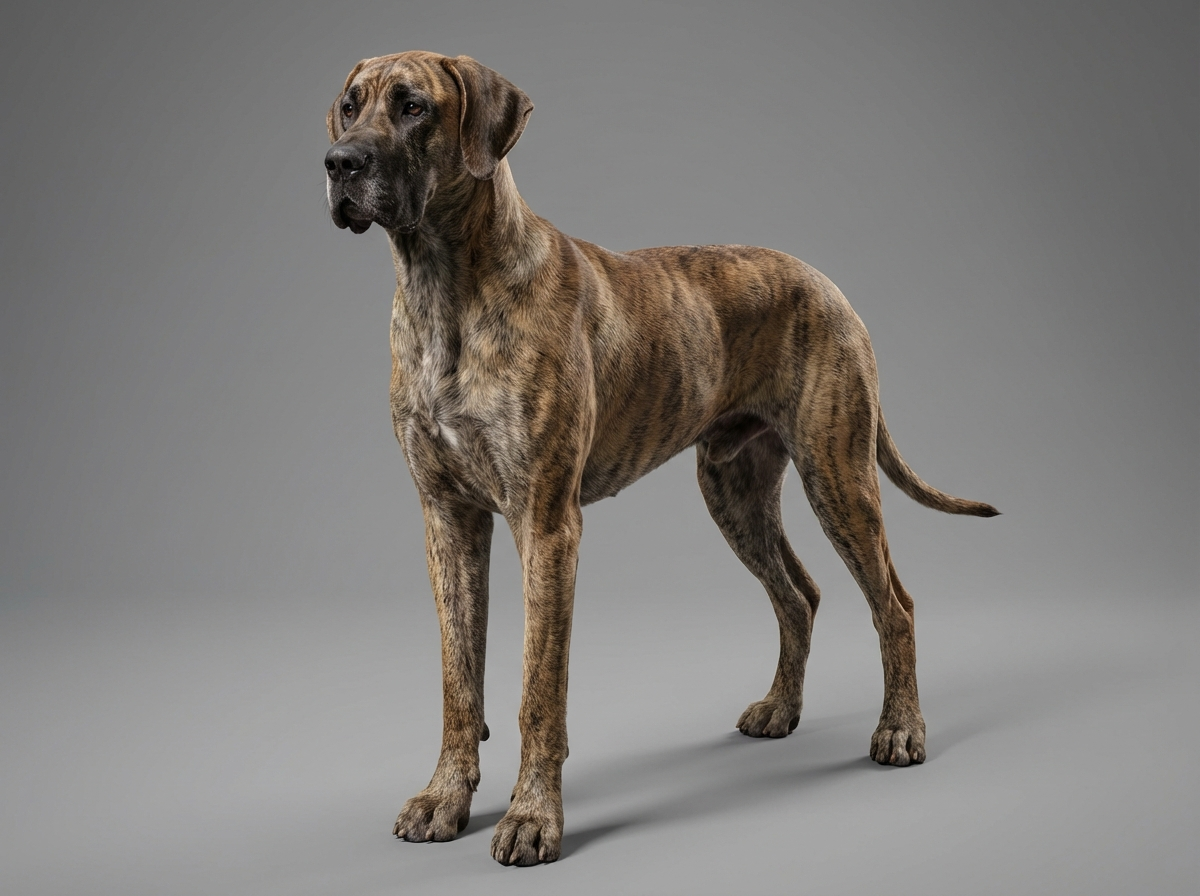
DogBreedCompass
← Back to breed profile

Great Dane Pregnancy Complications: What You Need to Know

Great Dane pregnancy complications can pose serious risks for both the mother and her puppies. Understanding these complications is crucial for ensuring their health and safety.

Great Dane Pregnancy Complications: What You Need to Know infographic

First-time Great Dane owners or those unfamiliar with canine pregnancy may struggle the most. Additionally, those with limited experience in handling large breeds might find it challenging to recognize or manage these complications.

Important reminder

This guide is not medical advice. If your dog shows pain, sudden behavior change, or worsening symptoms, consult a licensed veterinarian.

Some links may be affiliate links. We may earn a commission at no extra cost to you. We only suggest products we believe are helpful for dog owners.

What this problem looks like

Great Dane pregnancy complications can be quite serious and distressing. These giant dogs are known to face a higher risk of complications during pregnancy, which can lead to health issues for both the mother and her puppies. Daily signs may include difficulty breathing, excessive panting, or unusual lethargy, which can signal underlying problems.

Common triggers

  • Obesity in the mother dog
  • Inadequate prenatal care
  • Stressful environments
  • Genetic predispositions to health issues
  • Improper nutrition during pregnancy

Pregnancy complications are notably common in Great Danes, with studies showing they face a 419% higher risk compared to smaller breeds. Many owners may not realize that the size and specific health issues of Great Danes contribute to these risks, making awareness crucial.

Why this happens

Breed factors

Great Danes are a giant breed, which can lead to pregnancy complications due to their size. Their bodies may struggle to accommodate larger litters, causing stress on the mother. Additionally, they are prone to certain health issues like bloat and heart problems, which can worsen during pregnancy.

Environment factors

The environment plays a significant role in pregnancy complications. High-stress situations, inadequate nutrition, or lack of proper veterinary care can exacerbate risks. Poor living conditions or an unstable home environment can also add to the stress for a pregnant Great Dane.

What you can try

At-home strategies

  • Maintain a balanced diet rich in nutrients suitable for pregnant dogs. Consult your vet for specific recommendations.
  • Create a calm and quiet space for your Great Dane to rest, reducing stress during her pregnancy.
  • Monitor her weight closely, as excess weight can complicate pregnancy. Adjust her food intake as needed, based on vet advice.
  • Keep her exercise routine moderate. Short, gentle walks can help her stay healthy without overexertion.
  • Regularly check for any signs of distress or complications, such as excessive panting or unusual behavior.

When to consider a trainer

If your Great Dane is showing signs of anxiety or stress during pregnancy, consider consulting a dog trainer experienced in working with pregnant dogs. They can provide strategies to ease her discomfort and help her adapt to changes.

When to talk to your vet

It's crucial to talk to your vet if you notice any concerning symptoms, such as lethargy, vomiting, or difficulty breathing. Regular check-ups are essential to monitor her health and manage potential complications. Your vet can also provide valuable advice throughout her pregnancy.

Realistic expectations

Addressing Great Dane pregnancy complications typically takes several weeks to a few months, depending on the severity of the issues and the dog's overall health. Regular vet check-ups and monitoring are crucial during this time.

Success means the dog carries her pregnancy to term with minimal complications, delivering healthy puppies. Owners should also see improved overall health and comfort for the mother during and after pregnancy.

Mistakes that make this worse

Understanding what not to do can help prevent further complications during your Great Dane's pregnancy. Here are some common mistakes to avoid.

  • Ignoring veterinary advice: Skipping vet check-ups can worsen issues. Always follow your vet's recommendations for monitoring your Great Dane's health.
  • Overfeeding: Many owners feel they should feed more during pregnancy. This can lead to obesity and other health issues. Stick to your vet’s feeding guidelines.
  • Stressful environments: Loud noises or chaotic households can increase anxiety for pregnant dogs. Create a calm, quiet space for your Great Dane to relax.
  • Lack of exercise: While it's important not to overdo it, a sedentary lifestyle can lead to complications. Regular, light exercise helps maintain healthy weight and reduces stress.
  • Neglecting socialization: Isolating your Great Dane can increase anxiety and stress. Allow her to interact with well-behaved dogs in safe environments, if possible.
  • Ignoring signs of distress: If your dog shows signs of pain or distress, don't wait. Contact your vet immediately to avoid worsening complications.

When Great Dane Pregnancy Complications Are an Emergency

Understanding when to seek immediate veterinary care for Great Dane pregnancy complications is crucial. Some signs indicate serious risks to both the mother and her puppies. If you notice any of these red flags, call your vet right away:

- Severe abdominal swelling or pain. - Excessive bleeding from the vulva. - Signs of distress, such as panting, pacing, or whining. - A significant drop in body temperature before labor. - Failure to deliver puppies after 24 hours of contractions.

These symptoms can indicate life-threatening conditions, such as uterine rupture or severe infection. If your Great Dane shows any of these signs, it’s essential to act quickly.

On the other hand, some situations may not require immediate action. You can monitor your dog if she exhibits mild symptoms like occasional vomiting or a slight loss of appetite. Here are some less severe signs that can be watched:

- Slight lethargy without other alarming symptoms. - Mild changes in appetite. - Occasional mild vomiting without blood.

In these cases, keep a close eye on her condition. Maintain a detailed log of her symptoms and behaviors. If things worsen or new symptoms arise, don’t hesitate to contact your vet. Remember, it’s always better to err on the side of caution!

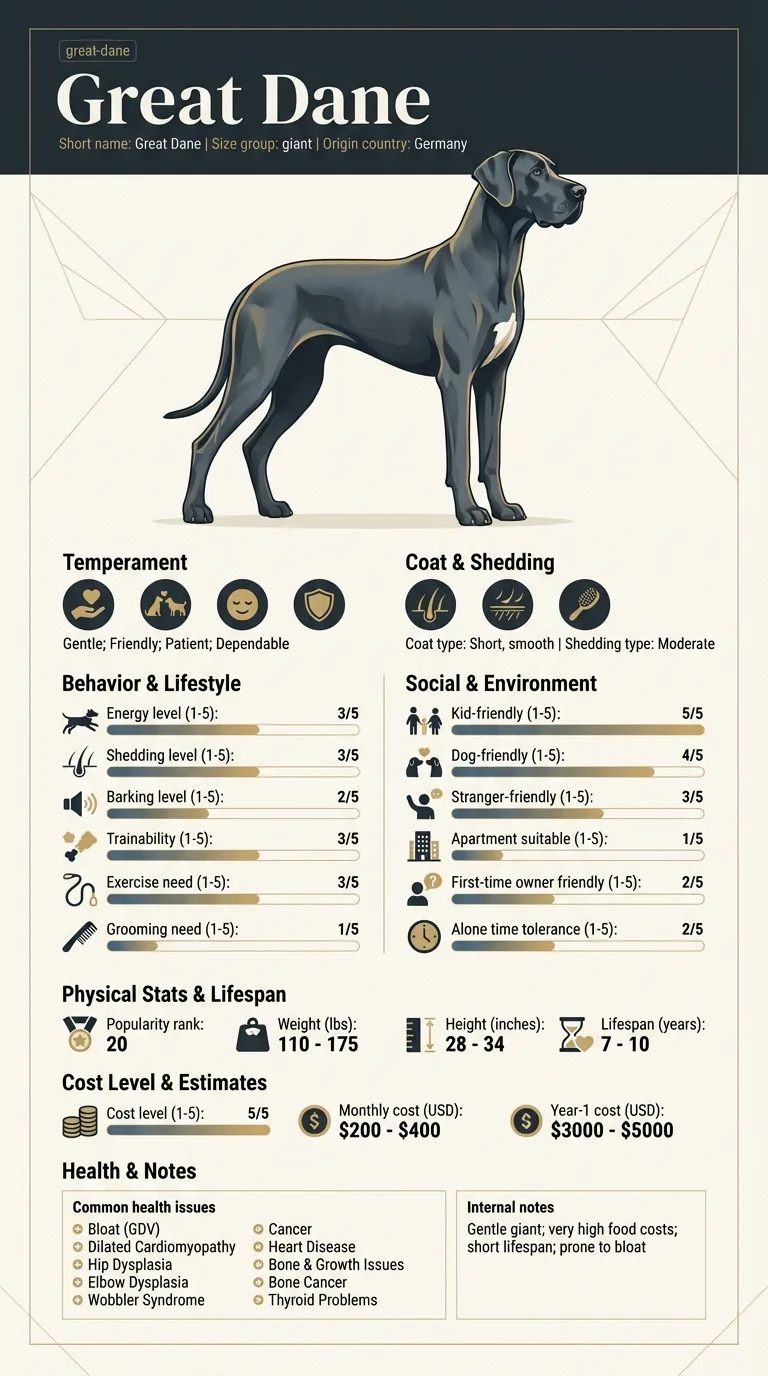
Great Dane Pregnancy Complications: What You Need to Know - When Great Dane Pregnancy Complications Are an Emergency

Navigating Pregnancy Complications with Bella

When Sarah, a first-time Great Dane owner, noticed Bella acting unusually lethargic during her pregnancy, she immediately consulted her vet. They discovered that Bella was experiencing complications that required close monitoring and a change in diet. With Sarah's dedication to following the vet's advice, Bella's condition improved, allowing her to deliver a healthy litter of puppies. Sarah learned the importance of being proactive and attentive to her dog's needs during this critical time.

Key takeaway: Staying vigilant and responsive to your Great Dane's health can help prevent or manage pregnancy complications effectively.

Frequently asked questions

Why does my Great Dane have pregnancy complications?

Great Danes are prone to several health issues that can lead to pregnancy complications. Their large size can cause physical stress during pregnancy, and they may experience conditions like bloat or hormonal imbalances. Regular vet check-ups are crucial to identify and manage these risks.

How can I prevent Great Dane pregnancy complications?

To prevent complications, ensure your Great Dane receives proper prenatal care. This includes a balanced diet, regular exercise, and stress reduction techniques. Consult your vet for personalized guidance and to monitor her health throughout the pregnancy.

What are common signs of pregnancy complications in Great Danes?

Signs like excessive panting, lethargy, or loss of appetite can indicate pregnancy complications. Watch for any unusual behaviors or physical changes. If you notice these symptoms, contact your vet immediately for advice.

What should I do if my Great Dane shows signs of complications?

If you notice signs of complications, such as severe discomfort or distress, take your Great Dane to the vet as soon as possible. Timely medical intervention can be crucial in managing these issues. Always trust your instincts; better safe than sorry!

Are there specific training methods to help with pregnancy complications?

Training can help reduce anxiety and stress during pregnancy. Positive reinforcement techniques can create a calming environment. Focus on gentle commands and consistency to help your Great Dane feel secure.

What are the signs of pregnancy complications in a Great Dane?

Signs of pregnancy complications in a Great Dane can include excessive vomiting, lethargy, or unusual discharge. If your dog seems uncomfortable or is not eating, these may also be warning signs. Always consult your vet if you notice any concerning symptoms.

Can older Great Danes experience pregnancy complications?

Yes, older Great Danes may be more prone to pregnancy complications. Their bodies might not handle the physical stress of pregnancy as well, and they may require extra monitoring. It's crucial to discuss any pregnancy plans with your veterinarian beforehand.

How can I help prevent Great Dane pregnancy complications?

Preventing Great Dane pregnancy complications starts with proper pre-natal care. Ensure your dog is on a balanced diet, receives regular vet check-ups, and maintains a healthy weight. Training and socialization can also help reduce stress during this time.

Why does my Great Dane have pregnancy complications?

Great Dane pregnancy complications can arise from various factors, including genetics, age, and overall health. It's essential to understand that some issues may be unavoidable. Regular veterinary care is vital to monitor and address potential problems early.

What should I do if I suspect my Great Dane is having complications during pregnancy?

If you suspect your Great Dane is experiencing pregnancy complications, contact your veterinarian immediately. Quick action is often crucial in these situations to ensure the health and safety of both the mother and her puppies.

Quick answers

View more answers
Behavior

What are quick tips for managing Great Dane pregnancy complications?

Provide a calm environment and monitor her closely for changes. Ensure she has a nutritious diet and regular vet visits. Early intervention is key to preventing severe complications.

Costs

How much does it cost to care for a pregnant Great Dane?

Expect to spend around $300 to $500 for prenatal care, including vet visits and special food. Costs can increase with complications or additional medical needs.

Health

What health issues should I be aware of during my Great Dane's pregnancy?

Watch for signs of bloat, hormonal imbalances, or any unusual behaviors. These issues can lead to serious complications if left unaddressed.

Training

How can I help my Great Dane with pregnancy anxiety?

Create a peaceful space for her, use calming aids, and maintain a consistent routine. Gentle training can also help her feel more secure.

Related DogBreedCompass guides

  • how to stop Great Dane pregnancy complicationsLearn how to support your Great Dane during pregnancy and reduce complications.
  • Great Dane behavior problemsUnderstanding the unique challenges faced by Great Danes can help you prepare.
  • Great Dane separation anxiety guideThis guide offers insights into managing separation anxiety in Great Danes.
  • Great Dane cost breakdownExplore the costs associated with owning a Great Dane, especially during pregnancy.
  • Great Dane pregnancy complications trainingGet tips on training your Great Dane to minimize pregnancy complications.

Related guides