Living
Should I shave my Aussie for summer?
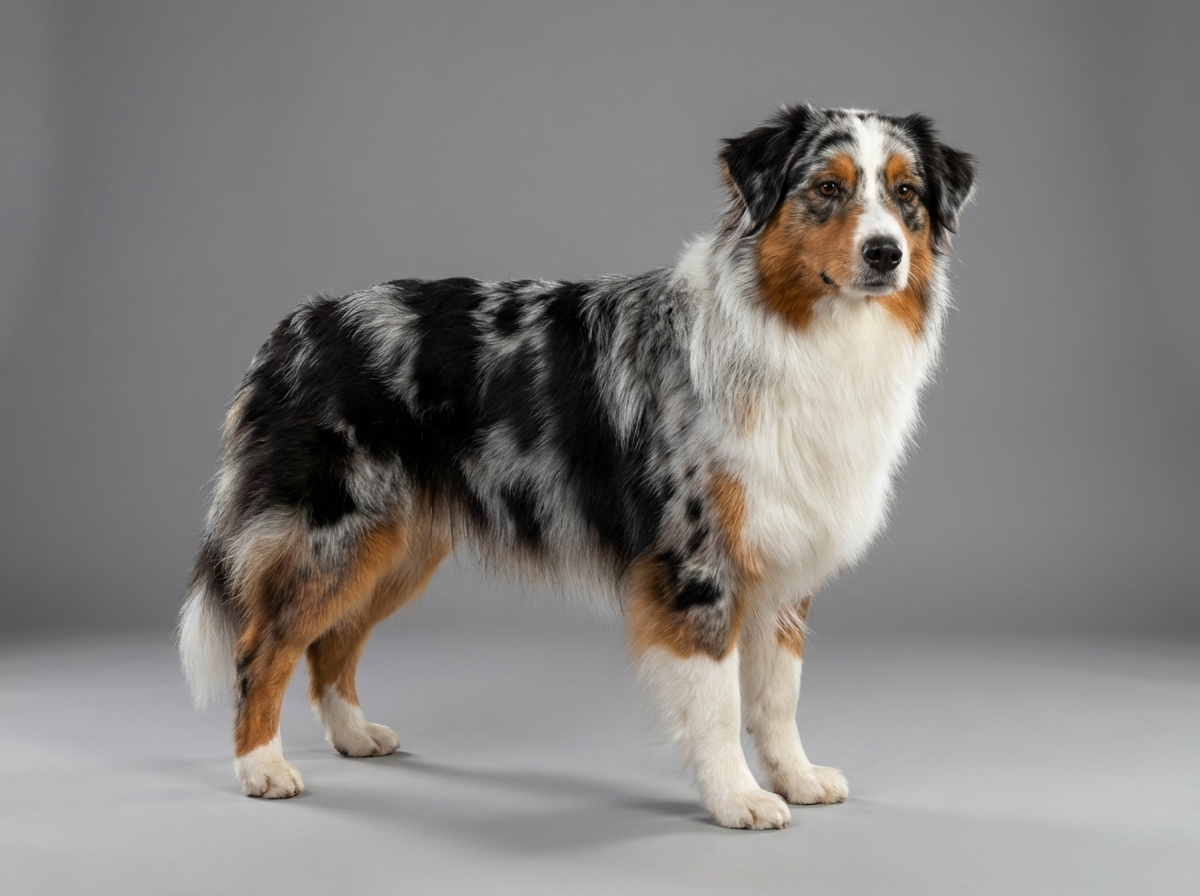
No — a well-brushed natural double coat regulates heat better than a shaved one, which loses its insulating air layer.

Quick answer
Should I shave my Aussie for summer?
No — a well-brushed natural double coat regulates heat better than a shaved one, which loses its insulating air layer.
This is a day-to-day management topic, not a rare emergency — the goal here is preventing the crisis before it starts.
Owners in warm climates, or anyone whose Aussie plays fetch, herds, or trains hard outdoors during summer months without much natural inclination to stop on its own.
This guide is not medical advice. If your dog shows pain, sudden behavior change, or worsening symptoms, consult a licensed veterinarian.
Some links may be affiliate links. We may earn a commission at no extra cost to you. We only suggest products we believe are helpful for dog owners.
We research and check what we publish, but we do not warrant that any figure, date, price, or statement is accurate, complete, or current, and we accept no liability for any loss, cost, injury, or other harm arising from the use of this site. Use it as one reference among several. You remain responsible for your own decisions and for your dog's care - confirm anything that matters with a licensed veterinarian or another qualified professional before you act on it. Full disclaimer.
Australian Shepherds carry a heat-insulating double coat and rank at the top of the energy and exercise-need scale, a combination that makes routine overheating a real day-to-day management concern rather than a rare event. Proper coat maintenance and, more importantly, owner-enforced activity breaks are the two main levers for keeping a naturally high-drive dog safe in warm weather.
This is widely recognized as a practical concern for the breed given its coat type and very high documented energy and exercise needs, even though it isn't framed as a disease so much as a lifestyle-management factor.
The breed's medium-length double coat with heavy seasonal shedding insulates against cold but can trap heat if not well maintained, and its documented top-of-scale energy level and exercise need mean the dog is frequently engaged in the kind of sustained activity that generates significant body heat.
Hot ambient temperature, high humidity, direct sun, and hot pavement all add to heat load directly. Poor air circulation or lack of shade during outdoor activity compounds the risk further, especially during peak midday hours.
Talk to your vet about a warm-weather exercise plan if your dog has any existing heart, respiratory, or weight concerns that could compound heat risk. Seek emergency care immediately for any signs of true heatstroke — collapse, extreme panting that isn't easing with rest, disorientation, or vomiting.
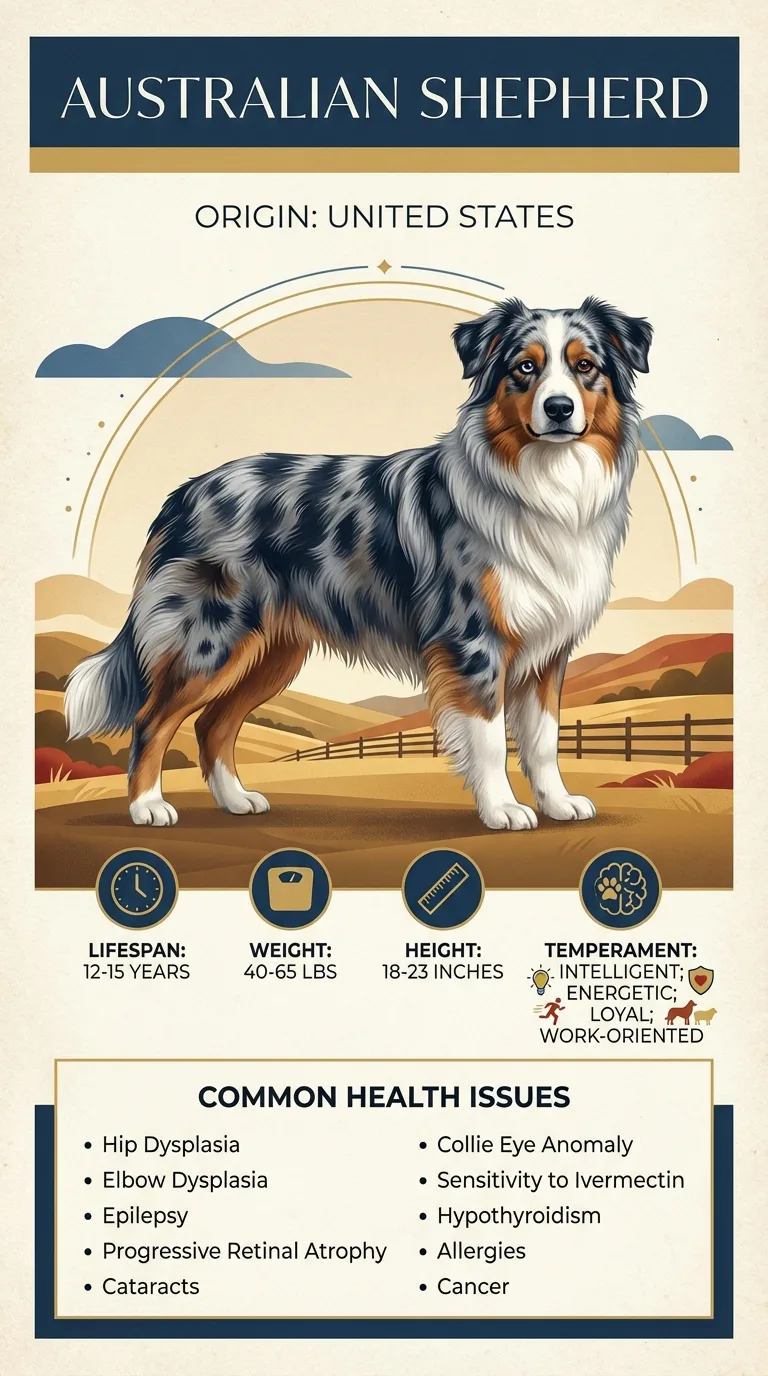
See all Australian Shepherd health problems, which breeds are prone to heat sensitivity, or the full Australian Shepherd breed guide for temperament, exercise needs and ownership costs.
Heat management is an ongoing, season-long practice rather than a problem that resolves — it needs to be actively maintained throughout the warmer months every year, with grooming adjustments shifting seasonally as shedding patterns change.
Success looks like a dog that stays active and engaged through summer without ever reaching the point of real overheating — consistent brushing, well-timed activity, and built-in breaks becoming a normal, unremarkable part of the routine.
A double coat consists of a coarser outer layer and a dense, insulating undercoat, and it does genuinely help regulate temperature in both directions when properly maintained — it can reflect some heat and trap a layer of air near the skin. But a heavily matted or overly thick undercoat, especially during the heavy seasonal shedding this breed is known for, interferes with that natural cooling by trapping heat close to the skin instead of letting it dissipate.
Regular brushing to remove loose, dead undercoat — particularly during spring and fall shedding seasons — genuinely helps the coat do its job rather than work against the dog. Shaving the coat down isn't the answer, since it removes the insulating air layer and increases risk of sunburn; a well-maintained natural coat manages heat better than a shaved one.
The bigger risk factor isn't really the coat — it's the drive. An Aussie bred for hours of sustained herding work has a strong instinct to keep working through discomfort, and that same instinct shows up during a game of fetch or a training session: the dog will often keep going past the point where it should really be resting, panting harder and harder rather than voluntarily stopping.
That means heat management in this breed can't rely on the dog to self-regulate the way it might in a more laid-back breed. It has to come from the owner actively building in breaks, shade, and water access as a routine part of any warm-weather activity, rather than waiting for the dog to show signs of slowing down on its own.

If you think your Aussie has heat sensitivity, the plan is three steps: write down what you have seen and when it started, book a veterinary appointment rather than waiting for the next flare, and take video of the behaviour or symptom before you go — the thing you are worried about rarely happens in the consulting room. Screening in the parents covers hip dysplasia, elbow dysplasia, epilepsy.
What the vet visit should produce is a diagnosis and a written plan, not just reassurance: what is being ruled out, what the monitoring interval is, and which signs mean you come back sooner. Ask what the treatment costs across a year rather than per visit, because that is the number that decides whether you are managing this condition or reacting to it.
Between appointments, keep a short log — dates, what you saw, what changed. It is the single most useful thing an owner brings to a follow-up, and for heat sensitivity it is often what separates a clear pattern from a guess.
The Hendersons used to play fetch with their Aussie, Blue, most summer evenings after work — which meant starting around six, still solidly hot. One particularly warm evening, Blue's usual thirty-minute session left him lying flat in the shade afterward, panting hard and slow to settle for almost twenty minutes, longer than his normal recovery. Nothing dramatic happened, but it was enough of a scare that the family shifted Blue's hard exercise to before-work mornings instead, when the temperature was reliably ten to fifteen degrees cooler, and started carrying water on every session regardless of how short it seemed. Blue still gets his full workout every day — it just happens at 6 a.m. instead of 6 p.m. now, and the after-session panting is back to a normal few minutes.
Key takeaway: A slow recovery after normal exercise is a real warning sign worth acting on immediately, even when nothing more serious happens — shifting the timing of activity is often a simple, permanent fix.
No — shaving removes the insulating air layer the double coat provides and increases sunburn risk. A well-brushed, properly maintained natural coat manages heat more effectively than a shaved one.
Early signs include heavier panting than usual, seeking shade on their own, slowing pace, or a bright red tongue and gums. These are cues to stop and offer water and rest immediately, before things progress further.
Early morning or evening, when temperatures are lowest, is generally safest. Midday sun combined with hot pavement adds both air temperature and direct ground-heat exposure that compound the risk.
Yes — regular brushing to remove dead undercoat, especially during heavy seasonal shedding, helps the remaining coat do its job of regulating temperature rather than trapping heat against the skin.
Many do, with real adjustments: shifting exercise to cooler hours, providing constant shade and water, using cooling mats or vests during activity, and closely monitoring for early overheating signs rather than assuming the dog will self-limit.
This breed's strong working drive means many Aussies will push through discomfort and keep playing or working rather than stopping on their own, which is exactly why an owner needs to actively enforce breaks rather than rely on the dog's judgment.
No — heat sensitivity describes the breed's general vulnerability and day-to-day management needs. Heatstroke is the acute medical emergency that can result if that sensitivity isn't managed and overheating progresses unchecked.
No — a well-brushed natural double coat regulates heat better than a shaved one, which loses its insulating air layer.
Early morning or evening, avoiding midday sun and hot pavement.
Often not reliably — this breed's high drive means owners usually need to enforce breaks rather than count on the dog to self-limit.
Yes — removing dead undercoat, especially during heavy seasonal shedding, helps the coat regulate temperature properly.
Heavier-than-usual panting, seeking shade, slowing down, or a very red tongue and gums are all early cues to stop and cool down immediately.
A one-page prep sheet for this condition: the signs, the questions to ask, what to get priced. Unlocks here.
You get: Vet visit prep sheet
No spam. One-click unsubscribe. See our privacy policy.
Preview page 1 before you decide.