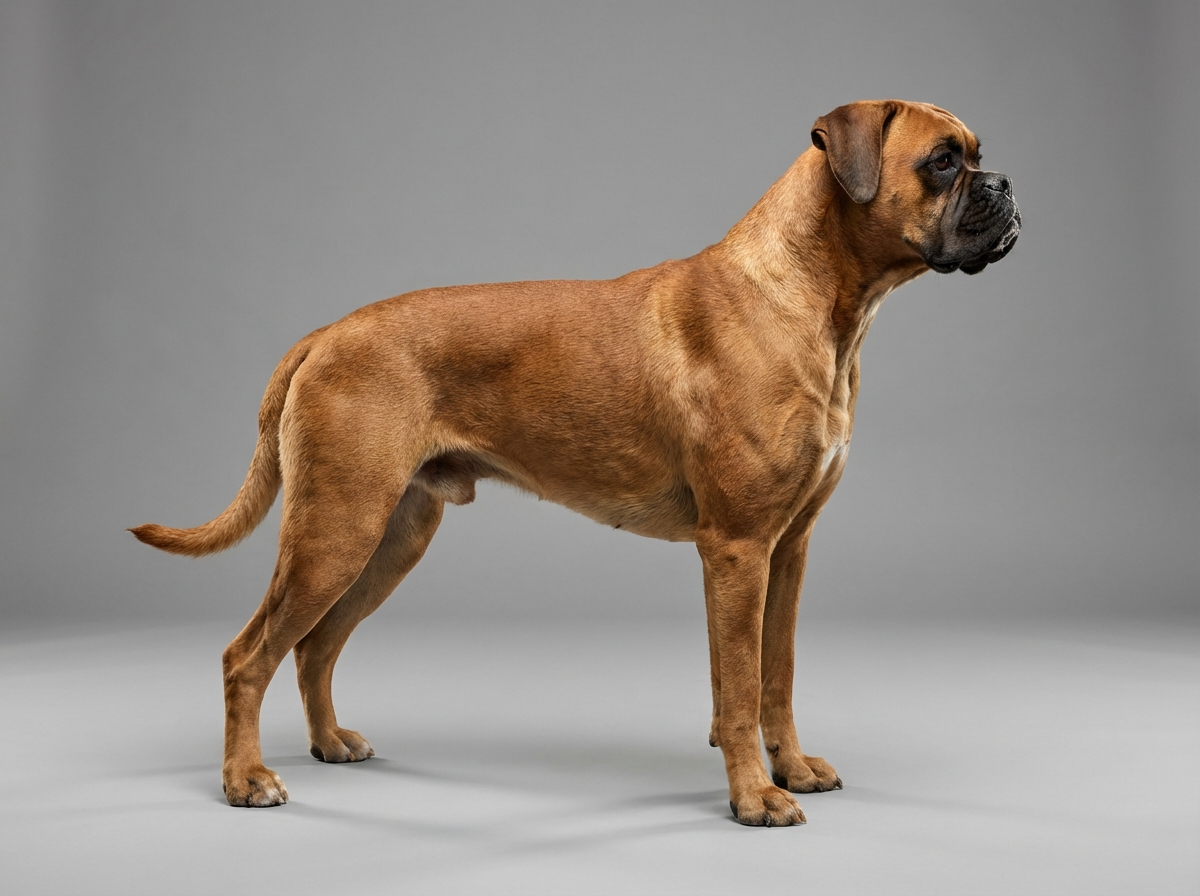
Behavior
What should I do if my Boxer gets too hot?
Move your Boxer to a cooler location and provide fresh water. Monitor them closely for signs of heatstroke.

Quick answer
What should I do if my Boxer gets too hot?
Move your Boxer to a cooler location and provide fresh water. Monitor them closely for signs of heatstroke.
Boxers can struggle with heat sensitivity, making them prone to overheating in warm weather. This can lead to serious health risks like heatstroke.
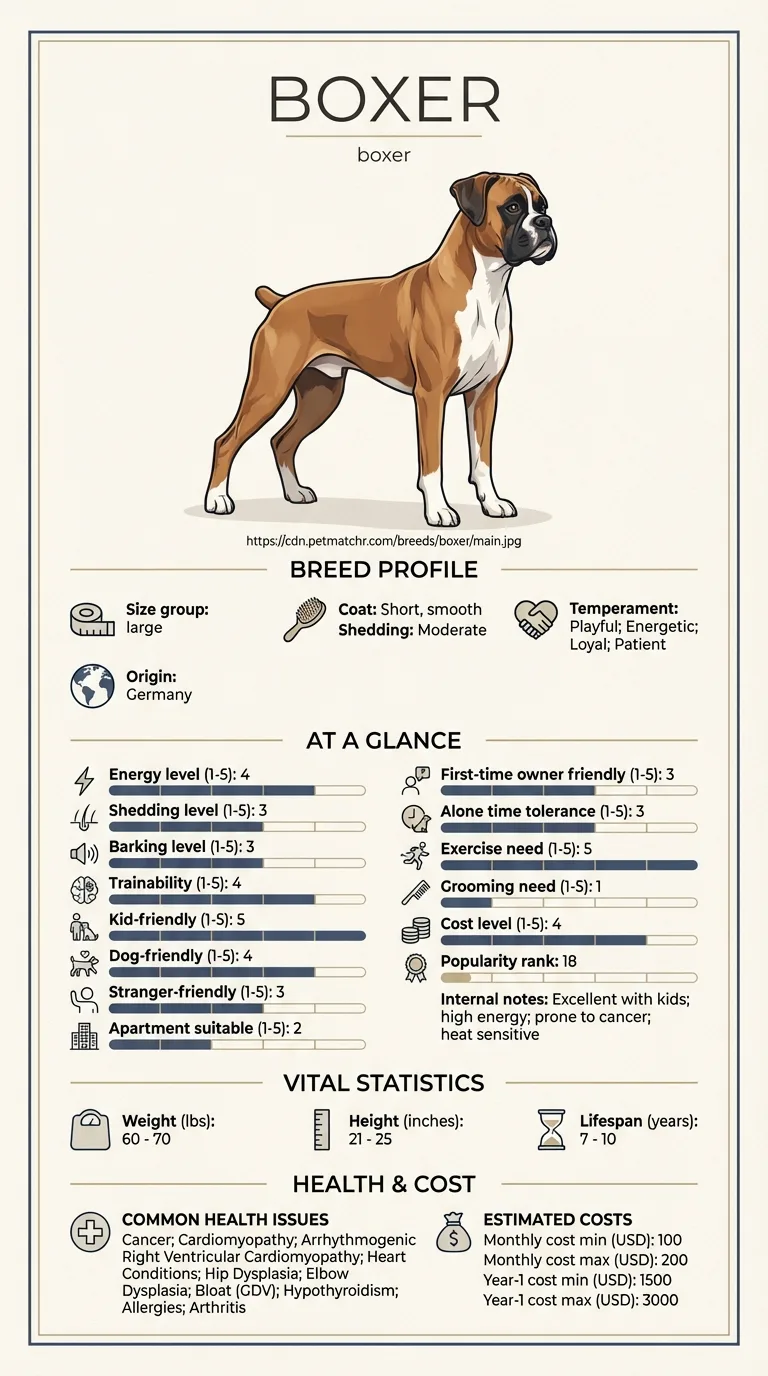
Owners of Boxers, particularly those living in warmer climates, often face challenges with their dog's heat sensitivity. This includes families who enjoy outdoor activities or those who have busy schedules that limit their dog's time spent in cooler environments.
This guide is not medical advice. If your dog shows pain, sudden behavior change, or worsening symptoms, consult a licensed veterinarian.
Some links may be affiliate links. We may earn a commission at no extra cost to you. We only suggest products we believe are helpful for dog owners.
We research and check what we publish, but we do not warrant that any figure, date, price, or statement is accurate, complete, or current, and we accept no liability for any loss, cost, injury, or other harm arising from the use of this site. Use it as one reference among several. You remain responsible for your own decisions and for your dog's care - confirm anything that matters with a licensed veterinarian or another qualified professional before you act on it. Full disclaimer.
Check this first
Understanding when Boxer heat sensitivity turns into an emergency is crucial for your dog’s safety. Boxers are prone to heat sensitivity, and immediate action is necessary when serious symptoms arise. Recognizing the signs can save your dog's life.
If any of these apply, call your vet or an emergency clinic now. The rest of this page is for the cases that are not an emergency.
Boxer heat sensitivity is a common issue for this breed. Boxers can struggle in hot weather due to their short snouts, which makes it hard for them to regulate their body temperature. This can lead to panting and lethargy, and in severe cases, it can cause heatstroke.
Heat sensitivity is quite common among Boxers, especially during summer months. Many owners report their Boxers becoming sluggish or overly panting when temperatures rise.
Boxers are large dogs with short, smooth coats that do not provide much insulation. This makes them particularly vulnerable to heat sensitivity, especially during hot weather. Additionally, their energetic nature means they can overheat quickly if they don't cool down properly after exercise.
Heat sensitivity can also be worsened by environmental factors. For instance, living in a hot climate or being kept in a poorly ventilated area can increase the risk of overheating. Lack of access to shade and water during outdoor activities can further exacerbate the problem.
If your Boxer frequently experiences overheating or shows persistent signs of distress, consult your vet. They can rule out any underlying health issues and provide specific recommendations based on your dog's unique needs.
Avoiding certain behaviors can help improve your Boxer's heat sensitivity. Here are common mistakes to watch out for.
Start here: Boxer Most Common Genetic Disorders: What to Screen For
See all Boxer health problems, which breeds are prone to heat sensitivity, or the full Boxer breed guide for temperament, exercise needs and ownership costs.
You'll need about 4 to 6 weeks to see real improvements in your Boxer's heat sensitivity through consistent care and environmental adjustments.
Success means your Boxer can comfortably spend time outdoors on warm days and shows less anxiety related to heat.
If your Boxer shows any of the following red flag signs, contact your veterinarian immediately. These symptoms indicate serious heat-related issues that require urgent attention.

In less severe cases, you can monitor your Boxer at home with a plan. Look for these symptoms and take action if they worsen.

Emily, a busy nurse in Phoenix, adopted her Boxer, Max, and quickly noticed he struggled with the heat. During walks, he would pant excessively and seem anxious. Realizing that this was a serious issue, she consulted a trainer who specialized in heat sensitivity. Together, they created a training schedule that included indoor playtime, early morning walks, and plenty of water breaks. Gradually, Max became more comfortable and even learned commands that helped him signal when he was too hot. Now, they both enjoy their outdoor adventures, and Max happily runs and plays without fear.
Key takeaway: With consistent training and adjustments to your Boxer's routine, you can help them manage heat sensitivity effectively.
Boxers are prone to heat sensitivity due to their short snouts, which can affect their ability to cool down effectively. This breed also has a high energy level, leading to increased body heat during exercise. During hot weather, it's crucial to monitor your Boxer closely for signs of overheating.
Keep your Boxer indoors during peak heat hours and provide plenty of fresh water. Ensure they have a cool, shaded area to rest outside. Regularly check on them and consider shorter, more frequent walks to prevent overheating.
Signs of heatstroke in Boxers include excessive panting, drooling, weakness, and disorientation. If you notice these symptoms, move your dog to a cool place immediately and offer water. If symptoms persist, seek veterinary care.
To manage heat sensitivity, train your Boxer to associate cool areas with comfort. Use positive reinforcement when they seek shade or cool surfaces. Gradually acclimate them to warmer weather by spending short periods outside, increasing their exposure slowly.
Yes, focus on desensitization techniques. Gradually introduce your Boxer to warmer temperatures, rewarding them for calm behavior. Use commands like 'go to your spot' to encourage them to find cool areas when they need a break.
Signs of heat sensitivity include excessive panting, drooling, weakness, and lethargy. If your Boxer seems disoriented or collapses, these could be indicators of heatstroke. It's crucial to seek immediate veterinary care in such cases.
Yes, older Boxers may have decreased tolerance to heat due to underlying health conditions or slower metabolism. Their bodies may struggle to regulate temperature effectively, so extra care should be taken during hot weather.
If your Boxer shows signs of overheating, move them to a cooler area immediately and offer water. You can also apply cool, wet cloths to their body. If symptoms persist or worsen, contact your vet for advice.
Move your Boxer to a cooler location and provide fresh water. Monitor them closely for signs of heatstroke.
Limit exercise during hot weather to early morning or late evening. Choose shorter, cooler walks to keep them safe.
While a balanced diet is essential, ensure your Boxer stays hydrated and consider adding wet food for extra moisture during hot months.
Use positive reinforcement to encourage your Boxer to seek out cool areas. Gradually introduce them to warm environments for acclimation.
A one-page prep sheet for this condition: the signs, the questions to ask, what to get priced. Unlocks here.
You get: Vet visit prep sheet
No spam. One-click unsubscribe. See our privacy policy.
See a sample page before you decide.
Early access list
The free prep sheet covers the same-day warning signs, a symptom log and the questions to ask. We are considering a fuller kit that adds a cost worksheet for the usual tests and treatments (US price ranges with their sources) and a plain-English guide to ways of covering the bill. It is not built yet; this list tells us whether it is worth building.
One email, no spam, unsubscribe anytime. Information only, not veterinary advice.