Living
Aussie or Corgi — which should most people pick?
If you have room to run and want a dog that works alongside you, the Aussie. If you want a similarly smart dog in a more forgiving package for a smaller home, the Corgi.

Quick answer
Aussie or Corgi — which should most people pick?
If you have room to run and want a dog that works alongside you, the Aussie. If you want a similarly smart dog in a more forgiving package for a smaller home, the Corgi.
Choosing between an Australian Shepherd and a Pembroke Welsh Corgi? Both breeds are popular, but they come with different needs and personalities.
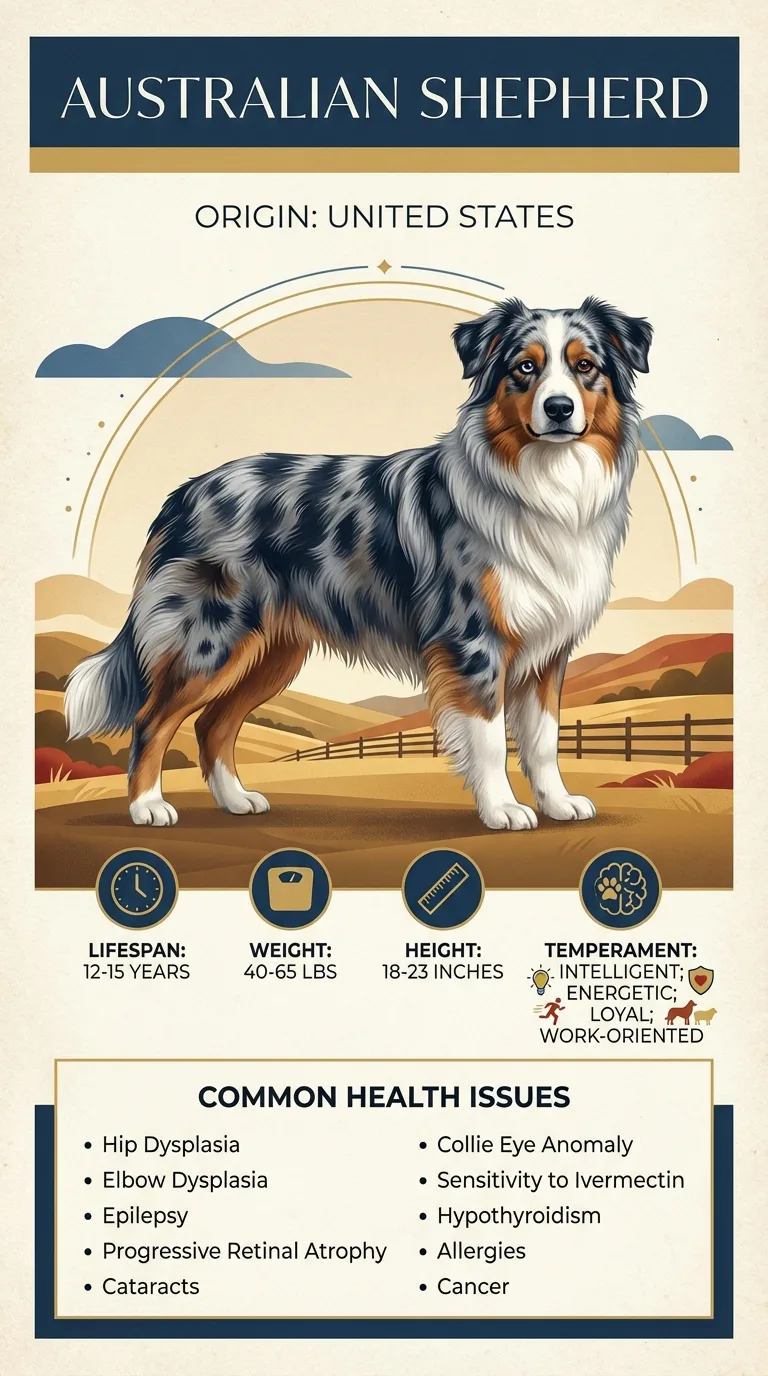
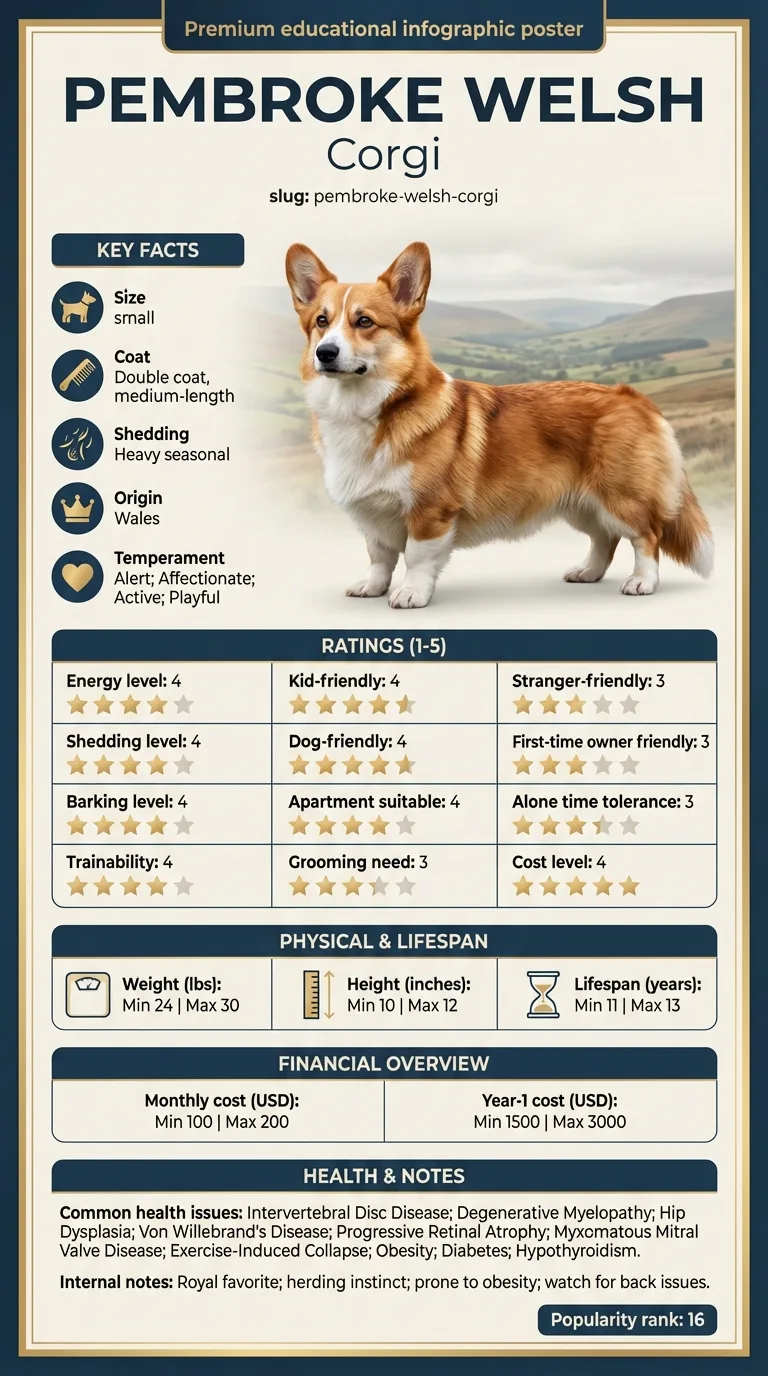
This comparison is for potential dog owners trying to decide between the Australian Shepherd and Pembroke Welsh Corgi. You might be a busy family looking for a friendly pet, or perhaps a first-time owner wanting a dog that fits into apartment living. Understanding the differences in energy levels, trainability, and care requirements can help you make the best choice for your lifestyle.
If you want an energetic, intelligent working dog, the Australian Shepherd is a great fit, while the Pembroke Welsh Corgi is better for those seeking a playful companion that adapts well to smaller living spaces.
Choose the Australian Shepherd if you have an active lifestyle, enjoy outdoor activities, and can dedicate time to training and exercise.
Opt for the Pembroke Welsh Corgi if you prefer a smaller dog that is friendly and adaptable, making it suitable for families and apartment living.
| Feature | australian shepherd | pembroke welsh corgi | Winner |
|---|---|---|---|
| Size class | medium | small | Equal |
| Weight | 40–65 lbs | 24–30 lbs | Equal |
| Height | 18–23 in | 10–12 in | Equal |
| Lifespan | 12–15 years | 11–13 years | australian shepherd |
| Exercise need | Very high (5/5) | High (4/5) | pembroke welsh corgi |
| Grooming need | Moderate (3/5) | Moderate (3/5) | Equal |
| Shedding | High (4/5) | High (4/5) | Equal |
| Energy level | Very high (5/5) | High (4/5) | Equal |
| Barking | Moderate (3/5) | High (4/5) | australian shepherd |
| Apartment suitability | Very low (1/5) | High (4/5) | pembroke welsh corgi |
| Good for first-time owners | Low (2/5) | Moderate (3/5) | pembroke welsh corgi |
| Tolerates being alone | Low (2/5) | Moderate (3/5) | pembroke welsh corgi |
| Trainability | Very high (5/5) | High (4/5) | australian shepherd |
| Good with kids | High (4/5) | High (4/5) | Equal |
| Good with other dogs | High (4/5) | High (4/5) | Equal |
| Friendly to strangers | Low (2/5) | Moderate (3/5) | pembroke welsh corgi |
| Cost level | Moderate (3/5) | High (4/5) | australian shepherd |
| Coat | Medium-length double coat | Double coat, medium-length | Equal |
| Origin | United States | Wales | Equal |
| Typical monthly cost | $100–$200 | $100–$200 | Equal |
| Typical first-year cost | $1,500–$2,800 | $1,500–$3,000 | Equal |
Put these two side by side and the gap is obvious before you even check the tape measure. The Australian Shepherd runs 40-65 lbs and stands 18-23 inches at the shoulder, while the Pembroke Welsh Corgi tops out around 24-30 lbs on legs a fraction of that height, 10-12 inches. The Corgi is a big dog's personality poured into a low, long-backed frame built for working cattle at ankle level, not a small dog in the fragile sense.
Neither of these is a nap-all-day breed. The Aussie rates a full 5/5 on exercise need and energy, the Corgi close behind at 4/5 on both. Short legs don't mean low drive here; Corgis were bred to move cattle all day and still expect a real outlet. The difference is degree, not kind: the Aussie wants more distance and more of your afternoon, the Corgi wants nearly as much but tires a bit sooner.
This is one of the rare ties on the sheet. Both carry a medium-length double coat, both land at moderate (3/5) grooming and high (4/5) shedding. Expect a weekly brushing habit either way, with heavier coat-blowing stretches twice a year. If you're choosing based on how much hair ends up on your couch, this category won't decide it for you — pick based on size and temperament instead.
Here's where the two really split. The Aussie scores a rock-bottom 1/5 for apartment suitability; the Corgi scores 4/5, high. Yet the Corgi is rated the noisier of the pair, moderate barking for the Aussie versus high for the Corgi, and only slightly better at tolerating alone time (3/5 versus 2/5). So a Corgi fits a smaller home more comfortably, but don't assume that means a quiet one — check with neighbors first.
The Aussie is rated very high on trainability (5/5), the Corgi high (4/5) — both are quick studies, but the sheet marks the Corgi as the friendlier pick for someone newer to dog ownership, 3/5 versus 2/5 for the Aussie. That tracks with what each breed was built for: the Aussie expects a job and a handler who gives it direction, while the Corgi is more forgiving of a less experienced household.
With kids and with other dogs, it's a wash — both breeds rate high (4/5) on each. The split shows up with strangers at the door: the Corgi is moderate (3/5) and more willing to greet, while the Aussie sits at low (2/5) and tends to size people up first. If you host often or have a busy front porch, that difference is worth weighing.
The Aussie's 12-15 year range edges out the Corgi's 11-13. Both share hip dysplasia and progressive retinal atrophy as known concerns, so eye and joint screening matters for either. Beyond that they diverge: the Aussie's list leans toward epilepsy and a documented sensitivity to ivermectin, while the Corgi's includes intervertebral disc disease and degenerative myelopathy, both tied to that long back on short legs.
Monthly upkeep lands in the same $100-200 band for both, so groceries and routine vet care won't be the deciding factor. The gap shows up in the overall cost rating (moderate for the Aussie, high for the Corgi) and in first-year total: $1,500-2,800 for the Aussie against $1,500-3,000 for the Corgi, a difference that mostly reflects purchase price and that back-related vet risk.


The Australian Shepherd, by a wide margin. It weighs 40-65 lbs and stands 18-23 inches tall, versus 24-30 lbs and just 10-12 inches for the Corgi. The Corgi is stocky for its height but nowhere near the Aussie's overall mass.
Yes, equally. Both are rated high (4/5) for shedding and moderate (3/5) for grooming demand, and both carry a medium-length double coat. Budget for regular brushing and a couple of heavier shedding seasons a year with either one.
The Corgi rates higher for first-time owners, 3/5 against the Aussie's 2/5. The Aussie's very high trainability (5/5) is real, but it comes paired with a working drive that wants direction most beginners aren't set up to give yet.
The Corgi can — it rates 4/5 for apartment suitability. The Aussie rates 1/5, about as low as it gets on this site, and needs space and daily mileage that a small unit won't provide. Just know the Corgi isn't necessarily quiet about it; its barking rating is higher than the Aussie's.
Both fall in the same $100-200 monthly range for food, routine vet visits and basic care. First-year costs run slightly higher for the Corgi ($1,500-3,000 versus $1,500-2,800 for the Aussie), and the Corgi's overall cost rating is a notch higher too.
Both appear on lists for hip dysplasia and progressive retinal atrophy, so ask breeders about hip and eye screening for either breed. Past that, their risk profiles diverge — the Corgi's long spine brings disc and degenerative myelopathy concerns that the Aussie doesn't share.
The Corgi, rated high (4/5) against the Aussie's moderate (3/5). It's a bit counterintuitive since the Corgi also scores better for apartments, so factor barking into your decision separately from square footage.
If you have room to run and want a dog that works alongside you, the Aussie. If you want a similarly smart dog in a more forgiving package for a smaller home, the Corgi.
There isn't one on paper — both land in the $100-200 monthly range. The Corgi's higher overall cost rating shows up more in purchase price and first-year total than in ongoing bills.
Both need real daily activity: the Aussie rates 5/5, the Corgi close behind at 4/5. Neither is suited to a sedentary household.
The Aussie, typically — 12-15 years against the Corgi's 11-13. It's a modest gap, not a decisive one, but it's there in the data.
Secure checkout on Stripe. We never see your card.
7-day money-back guarantee. Instant access.
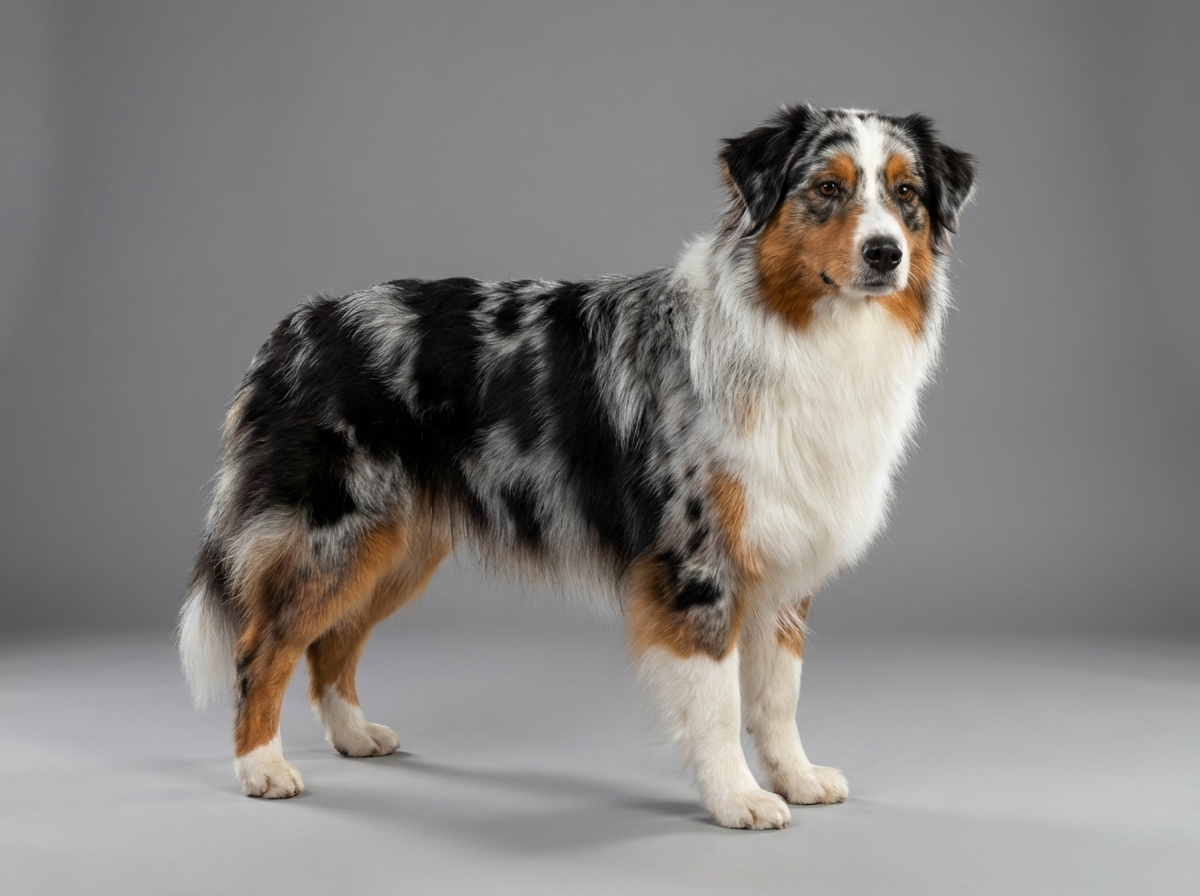
This guide is not medical advice. If your dog shows pain, sudden behavior change, or worsening symptoms, consult a licensed veterinarian.
Some links may be affiliate links. We may earn a commission at no extra cost to you. We only suggest products we believe are helpful for dog owners.
We research and check what we publish, but we do not warrant that any figure, date, price, or statement is accurate, complete, or current, and we accept no liability for any loss, cost, injury, or other harm arising from the use of this site. Use it as one reference among several. You remain responsible for your own decisions and for your dog's care - confirm anything that matters with a licensed veterinarian or another qualified professional before you act on it. Full disclaimer.
Match your lifestyle to the right dog.
Take quizNot sure which breed is right for you? Take our 2-minute quiz to find out.
Take the quiz