Health
What does CDDY actually affect?
Spinal disc composition. It causes discs to mineralise and turn brittle early, raising the lifetime risk of herniation. Leg length is a secondary and inconsistent effect.

Quick answer
What does CDDY actually affect?
Spinal disc composition. It causes discs to mineralise and turn brittle early, raising the lifetime risk of herniation. Leg length is a secondary and inconsistent effect.
Most owners meet the word chondrodystrophy attached to a Dachshund or a Corgi, and reasonably conclude it means short legs. That is the visible half of the story and the less important half. The genetic variant behind it does something to spinal discs that matters far more than what it does to limbs, and it turns up in dogs whose legs look entirely ordinary.
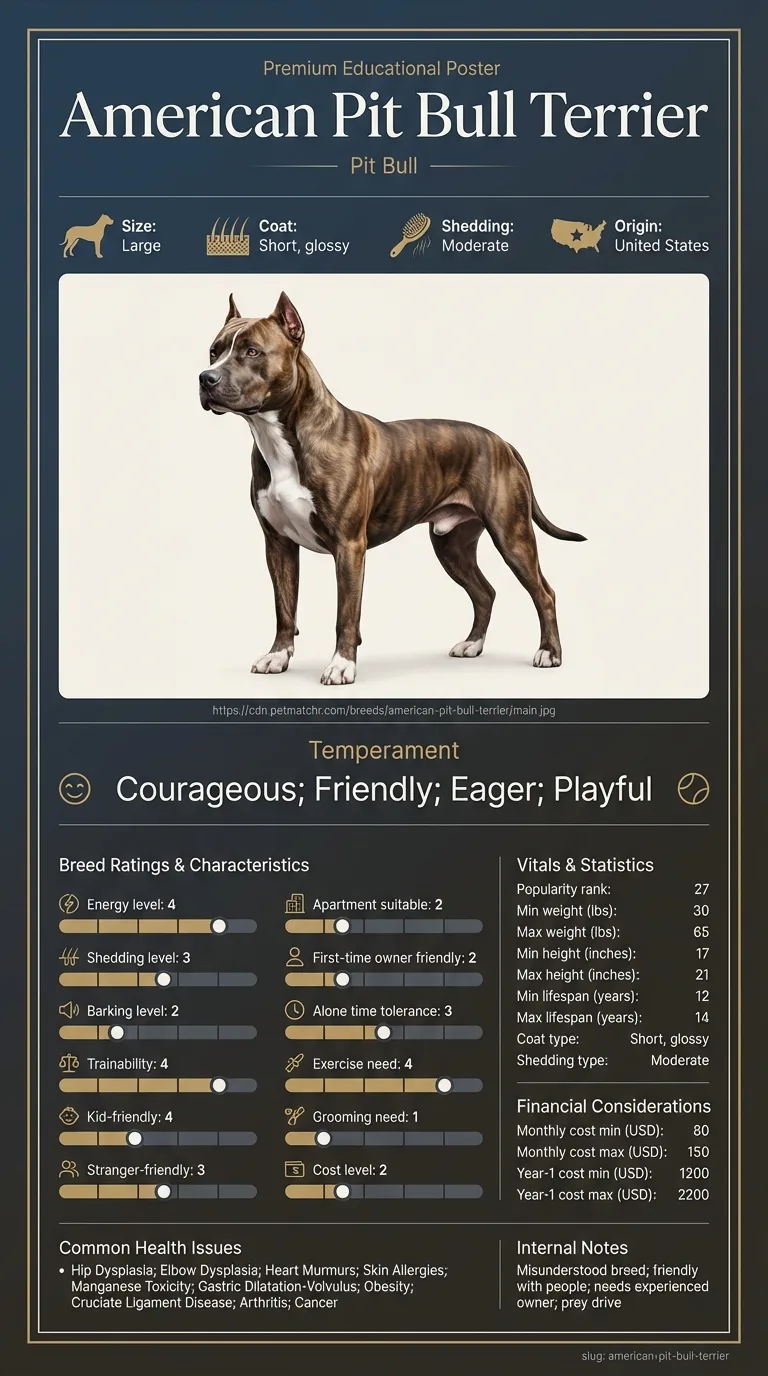
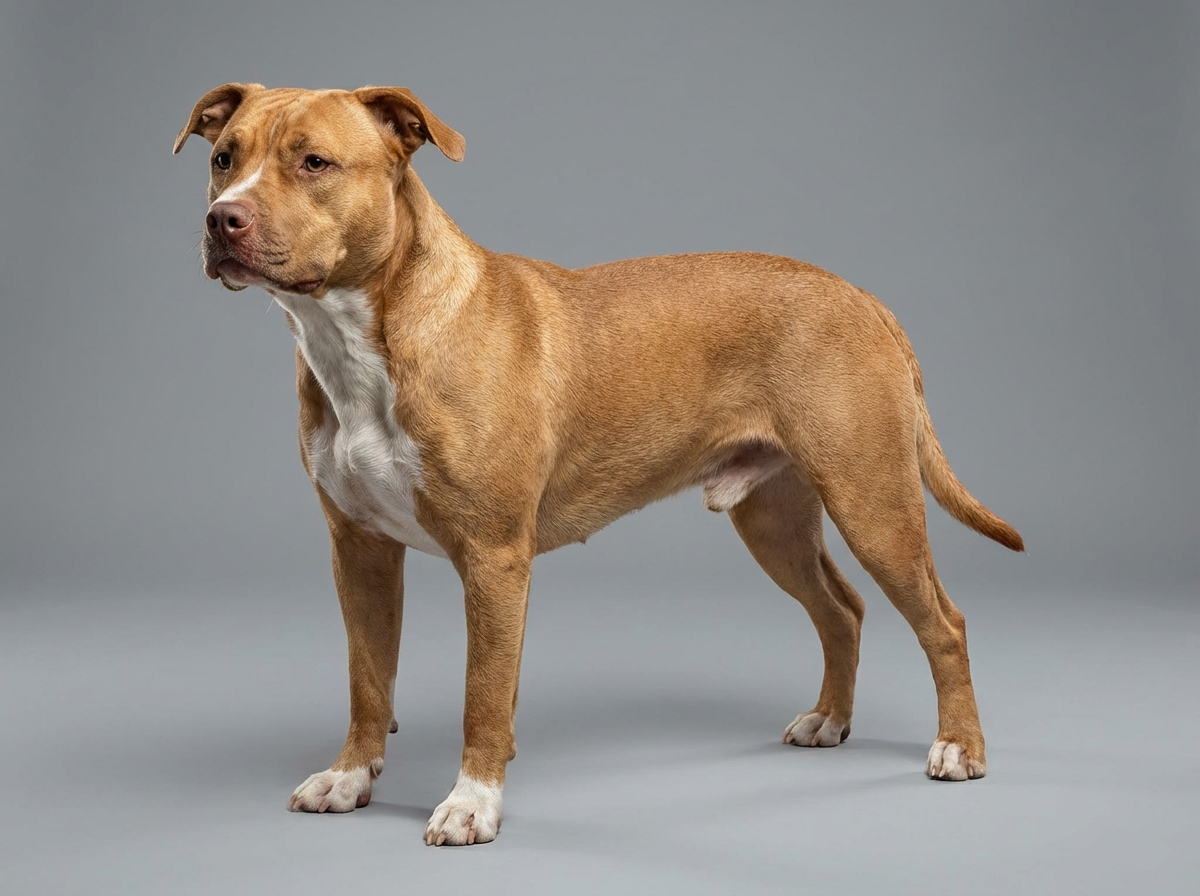
Owners of powerful, driven dogs who have never associated their breed with spinal problems, and who therefore have no reason to think twice about the repetitive high-impact activities their dog loves most.
This guide is not medical advice. If your dog shows pain, sudden behavior change, or worsening symptoms, consult a licensed veterinarian.
Some links may be affiliate links. We may earn a commission at no extra cost to you. We only suggest products we believe are helpful for dog owners.
We research and check what we publish, but we do not warrant that any figure, date, price, or statement is accurate, complete, or current, and we accept no liability for any loss, cost, injury, or other harm arising from the use of this site. Use it as one reference among several. You remain responsible for your own decisions and for your dog's care - confirm anything that matters with a licensed veterinarian or another qualified professional before you act on it. Full disclaimer.
A genetic variant that accelerates degeneration of the spinal discs, causing them to mineralise and become brittle early in life. Its clinical importance is a raised lifetime risk of intervertebral disc herniation rather than any change to appearance, and it is identified through a DNA test, not through examination.
The variant is documented across many breeds and mixed-breed dogs and is not confined to short-legged types, though its frequency varies widely between populations. It appears among the conditions listed for the American Pit Bull Terrier, meaning individual dogs can carry it — not that most do. Testing is the only way to know for a given dog.
The variant itself is not a breed trait here — it is an individual inheritance. What the breed contributes is the loading. This is a densely muscled, powerful dog with documented high energy and strong drive, and that combination produces exactly the forces a degenerated disc handles worst. The breed's documented tendency toward obesity compounds it directly, since every extra pound is carried through the spine. High pain tolerance is a further complication: a stoic, driven dog frequently works through early back discomfort rather than showing it, so owners lose the warning period that a more sensitive dog would have given them.
Household architecture does more damage than sport does, because it repeats daily for years. A dog that launches off a high sofa several times an evening and out of a truck bed each morning accumulates far more loading events than one that plays hard twice a week. Slick floors add uncontrolled slipping and sudden bracing. Equipment matters too — a collar that puts pressure through the neck during pulling loads the cervical spine, and a well-fitted harness moves that load to the chest.
Discuss testing at a routine visit, and share the result so it goes on the record before anything happens. Book an appointment for any new reluctance to jump or climb stairs, a roached or hunched back, yelping when picked up or touched along the spine, a change in gait, or scuffed nails from dragging a paw. Treat as a genuine emergency any weakness or wobbliness in the hind legs, an inability to stand, dragging of the back legs, or loss of bladder or bowel control — acute disc herniation is time-critical, and the interval between onset and surgical decompression strongly influences whether function returns. Do not wait for morning, and do not give human pain relief on the way, since it can complicate treatment and some human drugs are dangerous to dogs.
Start here: American Pit Bull Terrier Most Common Genetic Disorders
See all American PIT Bull Terrier health problems, which breeds are prone to chondrodystrophy cddy, or the full American PIT Bull Terrier breed guide for temperament, exercise needs and ownership costs.
A CDDY result is a risk figure, not a diagnosis and not a sentence. Many carriers never herniate a disc at all. Household modifications and a ramp take an afternoon; weight loss where needed takes two to four months of honest measuring; the impulse-control work takes a few weeks of short daily sessions to become reliable. The risk itself is lifelong and typically expresses in middle age if it expresses, so the management is permanent rather than a project you complete.
Success is an athletic dog that reaches old age with an intact spine — still hiking, still playing hard, simply doing it on surfaces and at angles that do not punish its discs. It looks like a dog that waits for the ramp instead of launching, that chases a rolling ball instead of a high frisbee, and whose owner would recognise a hunched back on day one rather than day ten.
Two related variants get discussed together and are frequently confused. CDPA is the one responsible for the classic shortened, curved limbs of breeds like the Dachshund. CDDY is a separate variant that affects disc composition and mineralisation, and while it can contribute to a somewhat shorter build, its clinical significance is the spine.
That separation is the practical point. A dog can carry CDDY, look completely normal in proportion, run and jump like any other athlete, and still have discs that are ageing faster than its owner would ever guess. Nothing about the dog's appearance flags it.
So the honest framing for this breed is not that American Pit Bull Terriers are chondrodystrophic dogs — as a group they plainly are not. It is that the variant exists in the wider dog population, that testing can identify it in an individual, and that a dog carrying it has a meaningfully raised lifetime risk of disc herniation that is worth knowing about before rather than after.
A small dog with fragile discs generates modest forces. A muscular fifty-pound dog with the documented drive of this breed generates a great deal more, and it applies that force enthusiastically and repeatedly.
Think about what these dogs are typically asked to do for fun: leaping for a ball or a frisbee and twisting to catch it, springing onto and off truck beds and sofas, hard-braking turns in flirt-pole games, springpole work. Each of those loads the spine through compression and rotation together, which is the least forgiving combination for a degenerated disc.
None of it needs to stop. The adjustment for a CDDY-positive dog is about how force is applied, not how much exercise it gets: keep the leaping mostly horizontal rather than vertical, put a ramp on the truck and a step by the sofa, favour long structured walks and scent work and tug at shoulder height over repeated high catches. A dog that is fit, lean and strongly muscled through the core is better protected than a soft one, so the goal is redirecting the athleticism, never removing it.

A four-year-old Pit Bull came back CDDY-positive on a breed-and-health DNA panel his owner had run mostly out of curiosity about his ancestry. He had no symptoms whatsoever. His owner read the disc-disease note, then counted what the dog actually did in a normal day: he jumped out of the truck bed twice, off the sofa perhaps six times, and caught a frisbee at head height thirty or forty times on weekends. A ramp went in the truck, a low step went beside the sofa, and the frisbee was replaced with a rolled ball and a flirt pole kept deliberately low. His weight came down four pounds over a summer. At nine he is still hiking every weekend with no back trouble. Nobody can prove the changes are the reason — that is the frustrating part of prevention — but his owner considers the ramp the cheapest insurance she has ever bought.
Key takeaway: The value of a CDDY result is entirely in what you do with it while the dog is still well. Counting the daily jumps is a more useful exercise than worrying about the weekend sport.
Yes. CDDY affects disc composition, and the variant most associated with dramatically shortened limbs is a different one. Appearance does not rule it out.
That is the ideal time. The result only changes anything if you have it before an injury — afterwards it is a footnote rather than a prevention tool.
No. It raises lifetime risk of disc herniation. Many carriers live full lives without an episode, and weight, loading and early recognition all influence the odds.
No, and you should not — a lean, strong dog is better protected. Change the shape of the play: ground-level chasing over high leaping and twisting catches.
Keep him lean. Excess weight increases compressive load on every disc with every step, and it is the factor most fully under your control.
Immediately urgent. Wobbliness, dragging, inability to stand or loss of bladder control needs emergency care that night, because time to treatment affects recovery.
That is a conversation for a vet and a breed mentor with the dog's full test results in front of them, and it depends on the mate's status as well as this dog's.
Often less than you would expect. This is a stoic breed, so watch for behavioural changes — reluctance to jump, hesitation on stairs, a hunched stance — rather than waiting for vocalising.
Spinal disc composition. It causes discs to mineralise and turn brittle early, raising the lifetime risk of herniation. Leg length is a secondary and inconsistent effect.
A DNA test that includes the CDDY variant. There is no way to tell by looking at the dog or by physical examination.
Eliminate repeated jumping down — ramps for the vehicle, steps by the furniture — and keep the dog lean.
Hind-leg weakness, dragging paws, inability to stand, or loss of bladder or bowel control require emergency veterinary care immediately.
No. It shifts the odds. Many carriers never herniate a disc, and weight and loading management meaningfully influence the outcome.
A one-page prep sheet for this condition: the signs, the questions to ask, what to get priced. Unlocks here.
You get: Vet visit prep sheet
No spam. One-click unsubscribe. See our privacy policy.
Preview page 1 before you decide.