DogBreedCompass
← Back to breed profile

Understanding American Pit Bull Terrier Intervertebral Disc Disease (IVDD)

American Pit Bull Terrier intervertebral disc disease (IVDD) is a serious condition that affects the spine. It can lead to pain, mobility issues, and decreased quality of life.

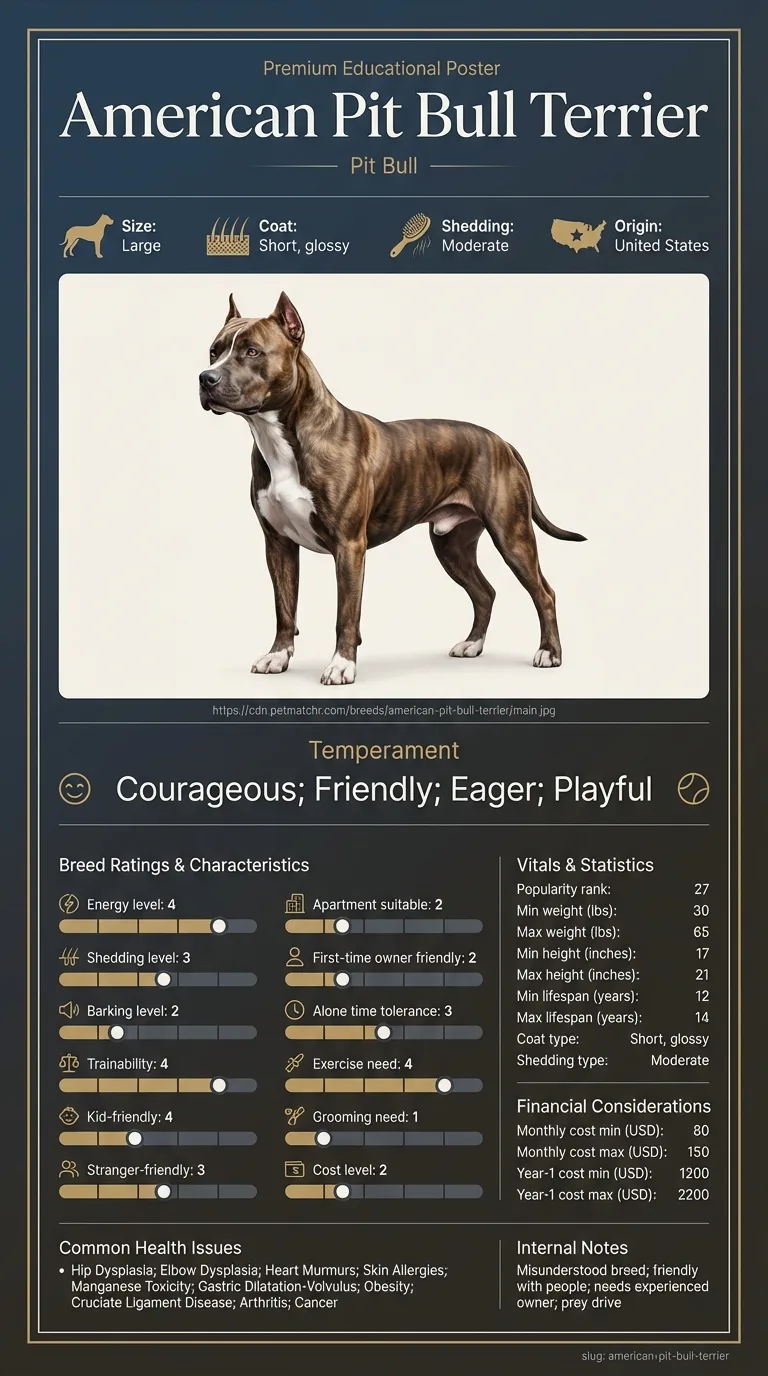
Understanding American Pit Bull Terrier Intervertebral Disc Disease (IVDD) infographic

Owners of American Pit Bull Terriers, especially those with older dogs or those who are very active, often face challenges with IVDD. These owners may notice their pets struggling with mobility or showing signs of pain.

Important reminder

This guide is not medical advice. If your dog shows pain, sudden behavior change, or worsening symptoms, consult a licensed veterinarian.

Some links may be affiliate links. We may earn a commission at no extra cost to you. We only suggest products we believe are helpful for dog owners.

What this problem looks like

American Pit Bull Terriers can suffer from intervertebral disc disease (IVDD), which affects their spine and mobility. This condition may lead to pain, reduced activity, and difficulty in walking. Day-to-day, you might notice your Pit Bull struggling to jump or play, or showing signs of pain when touched near the back.

Common triggers

  • Age-related degeneration of the discs
  • Injury from jumping or rough play
  • Genetic predisposition in some lines

IVDD is relatively common in American Pit Bull Terriers, especially as they age. While not every Pit Bull will develop this condition, those with a family history of spine issues may be at higher risk.

Why this happens

Breed factors

American Pit Bull Terriers are large, muscular dogs with a strong build. This breed can be predisposed to intervertebral disc disease (IVDD) due to their weight and structure. Additionally, their energetic nature often leads them to engage in high-impact activities, increasing the risk of spine-related issues.

Environment factors

Environmental factors also play a significant role in IVDD. Poorly maintained surfaces, lack of proper exercise, and sudden physical exertion can contribute to spine problems. Moreover, if the dog is overweight, it can put extra strain on their back, worsening the likelihood of IVDD.

What you can try

At-home strategies

  • Maintain a healthy weight for your American Pit Bull Terrier to reduce stress on their spine. Measure their food portions and provide regular exercise that suits their energy level.
  • Create a safe environment by removing slippery rugs and ensuring that their living space is free from obstacles that could cause injury.
  • Incorporate gentle stretching and low-impact exercises into their routine, such as walking on a leash or swimming. These activities can help strengthen back muscles without causing harm.

When to consider a trainer

If your American Pit Bull Terrier is showing signs of discomfort or difficulty in mobility, consider consulting a professional dog trainer. They can provide specialized exercises and training techniques to strengthen your dog's back and improve their overall posture.

When to talk to your vet

If you notice signs of IVDD, such as yelping in pain, difficulty walking, or loss of bladder control, contact your vet immediately. They can perform a thorough examination and recommend appropriate treatment options, which may include medication or surgery.

Realistic expectations

Managing American Pit Bull Terrier intervertebral disc disease (IVDD) typically takes several weeks to months. Initial vet visits and treatments often occur within the first month, with ongoing care required for several months to monitor progress.

Success means your dog shows reduced pain, improved mobility, and a better quality of life. Regular vet check-ups and adherence to a care plan will help you track these improvements.

Mistakes that make this worse

Avoiding certain common behaviors can help manage your American Pit Bull Terrier's intervertebral disc disease (IVDD). Here are some mistakes to watch out for.

  • Ignoring early symptoms: Failing to notice signs like reluctance to jump or reduced activity can worsen IVDD. Stay alert and consult your vet if you see these changes.
  • Overexerting during play: Allowing too much rough play can strain your dog's back. Opt for gentle, controlled activities to keep them active without risking injury.
  • Neglecting weight management: Excess weight puts extra stress on your dog's spine. Maintaining a healthy weight through diet and exercise is crucial for IVDD management.
  • Skipping regular vet check-ups: Missing routine check-ups can lead to unaddressed issues. Schedule regular vet visits to monitor your dog’s condition and adjust care as needed.
  • Using improper lifting techniques: Lifting your dog without supporting their back can cause more damage. Always use both hands to support their body when picking them up.
  • Failing to provide a comfortable resting area: A hard, uncomfortable surface can exacerbate back pain. Ensure your dog has a soft, supportive bed to rest on.
  • Ignoring prescribed medications: Not following your vet's medication plan can delay recovery. Stick to the medication schedule to help manage pain and inflammation.

When American Pit Bull Terrier Intervertebral Disc Disease (IVDD) is an Emergency

Recognizing when American Pit Bull Terrier intervertebral disc disease (IVDD) is an emergency can save your dog's life. If your Pit Bull shows severe symptoms, such as not being able to walk, dragging their back legs, or losing bladder control, call your vet immediately. These signs indicate a possible rupture or severe compression of the spinal cord, which requires urgent care.

On the other hand, if your dog has mild symptoms like slight discomfort or reluctance to jump, you can monitor them at home. Keep your dog calm and restrict their movement to prevent further injury. A vet visit may still be necessary, but you can wait a day or two to see if symptoms improve.

Being aware of these signs can help you make the best decisions for your dog's health. If you're ever in doubt, it's better to err on the side of caution and consult a vet.

Understanding American Pit Bull Terrier Intervertebral Disc Disease (IVDD) - When American Pit Bull Terrier Intervertebral Disc Disease (IVDD) is an Emergency

Overcoming IVDD: Max's Journey

When Sarah adopted Max, her American Pit Bull Terrier, he was full of energy and loved to play. However, Max started showing signs of discomfort and struggled to jump onto the couch. After a vet visit, Sarah learned Max had intervertebral disc disease (IVDD). With a strict plan of rest, medication, and physical therapy, Max gradually improved. Sarah learned to manage her expectations and was thrilled when Max could finally run again, albeit with some limitations.

Key takeaway: Patience and dedication are crucial when managing IVDD in your American Pit Bull Terrier. Regular vet visits and a consistent care plan can lead to significant improvements.

Frequently asked questions

Why does my American Pit Bull Terrier have intervertebral disc disease (ivdd)?

Intervertebral disc disease (ivdd) in American Pit Bull Terriers can be caused by genetic factors, obesity, or injuries. This breed is more prone to back issues due to their body structure. Regular vet check-ups and maintaining a healthy weight can help mitigate risks. This answer relates to American Pit Bull Terrier intervertebral disc disease (ivdd).

How can I help my American Pit Bull Terrier with intervertebral disc disease (ivdd)?

To support your dog, ensure they have a comfortable bed and avoid high-impact activities. Gentle walks and low-impact exercises are beneficial. Consult your vet for a tailored plan that might include medication or physical therapy.

Are there specific training tips for American Pit Bull Terriers with ivdd?

Yes, focus on positive reinforcement training methods that encourage calm behavior. Avoid commands that require jumping or excessive bending. Training should emphasize low-impact activities to protect their spine.

What signs indicate my American Pit Bull Terrier may have ivdd?

Look for symptoms like reluctance to move, yelping when touched, or difficulty standing. If your dog shows signs of pain or weakness in their hind legs, seek veterinary advice immediately. Early detection can lead to better outcomes.

Can dietary changes help with my dog's ivdd?

Yes, a balanced diet that maintains a healthy weight is crucial. Consider supplements that support joint health, like glucosamine. Always discuss any dietary changes with your vet to ensure they are appropriate for your dog's condition.

Can American Pit Bull Terriers develop intervertebral disc disease (IVDD) as they age?

Yes, older American Pit Bull Terriers are at a higher risk for developing intervertebral disc disease (IVDD) due to age-related changes in their spine. Regular vet check-ups can help monitor any signs of this condition.

What are the early signs of intervertebral disc disease (IVDD) in my American Pit Bull Terrier?

Early signs of IVDD can include reluctance to move, whining when picked up, or difficulty jumping. If you notice these symptoms, it's best to consult your veterinarian as soon as possible.

How can I help my American Pit Bull Terrier with intervertebral disc disease (IVDD)?

To support your American Pit Bull Terrier with IVDD, maintain a healthy weight, provide a comfortable bed, and limit strenuous activities. Work with your vet on a specific care plan that may include physical therapy or medication.

Are there specific breeds more prone to intervertebral disc disease (IVDD)?

Yes, while any breed can develop IVDD, certain breeds, including the American Pit Bull Terrier, are more susceptible due to their build and genetics. Being aware of this can help you take proactive measures to monitor your dog's spine health.

What should I do if my American Pit Bull Terrier shows signs of pain or discomfort related to intervertebral disc disease (IVDD)?

If your American Pit Bull Terrier shows signs of pain or discomfort, it's important to see a veterinarian immediately. They can assess the situation and recommend treatment options, which may include rest, medication, or surgery.

Quick answers

View more answers
Behavior

What are quick tips for managing intervertebral disc disease (ivdd) in American Pit Bull Terriers?

Keep your dog at a healthy weight, provide a soft resting area, and avoid jumping or rough play. Regular vet check-ups can help monitor their condition.

Costs

How much does treatment for ivdd typically cost?

Treatment costs for ivdd can range from $1,000 to $5,000 depending on severity and required procedures. Always plan for ongoing care and check-ups.

Health

Is ivdd hereditary in American Pit Bull Terriers?

Yes, ivdd can be hereditary, especially in breeds like the American Pit Bull Terrier. Responsible breeding practices can help minimize risks.

Training

What type of exercise is best for dogs with ivdd?

Low-impact exercises such as walking or swimming are ideal for dogs with ivdd. Always consult with your vet before starting any new exercise regimen.

Related DogBreedCompass guides

  • American Pit Bull Terrier behavior problemsLearn about common behavior challenges that may arise with American Pit Bull Terriers.
  • American Pit Bull Terrier intervertebral disc disease (ivdd) trainingExplore training techniques that can help manage your American Pit Bull Terrier's IVDD.
  • How to stop American Pit Bull Terrier intervertebral disc disease (ivdd)Find tips to help prevent intervertebral disc disease in your American Pit Bull Terrier.
  • American Pit Bull Terrier separation anxiety guideDiscover how to manage separation anxiety in your American Pit Bull Terrier to improve their overall well-being.
  • American Pit Bull Terrier cost breakdownUnderstand the potential monthly costs associated with owning an American Pit Bull Terrier, including health issues like IVDD.

Related guides