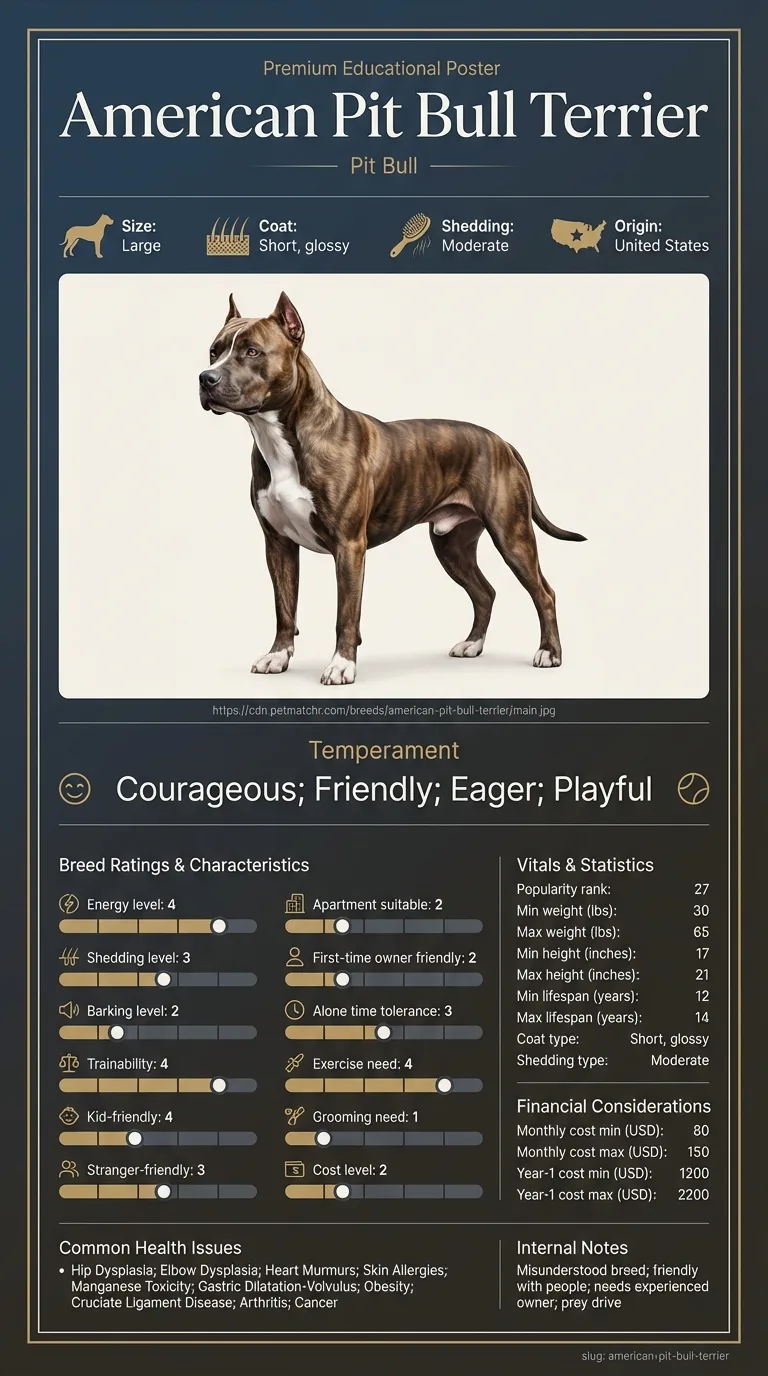
American Pit Bull Terrier Hip Dysplasia Prevalence: What You Need to Know
Hip dysplasia is a common concern for American Pit Bull Terriers, impacting their mobility and quality of life. (American Pit Bull Terrier hip dysplasia prevalence)
Owners of American Pit Bull Terriers, especially those with active lifestyles or older dogs, often find themselves dealing with this issue. First-time owners may feel overwhelmed when faced with their dog's hip problems, while experienced owners may seek strategies to manage or prevent further issues.
Important reminder
This guide is not medical advice. If your dog shows pain, sudden behavior change, or worsening symptoms, consult a licensed veterinarian.
Some links may be affiliate links. We may earn a commission at no extra cost to you. We only suggest products we believe are helpful for dog owners.
What this problem looks like
American Pit Bull Terrier hip dysplasia prevalence is a common issue that can affect the daily life of both the dog and its owner. This condition occurs when the hip joint doesn't fit properly into the hip socket, leading to pain and mobility issues. Owners may notice their Pit Bull showing reluctance to exercise, difficulty standing up, or limping, especially after physical activity.
Common triggers
Genetic predisposition, as hip dysplasia often runs in families.
Obesity, which puts additional strain on the joints.
Rapid growth in puppies, particularly if they are over-exercised.
Hip dysplasia is relatively common in American Pit Bull Terriers compared to other breeds. Studies indicate that approximately 20-30% of this breed may experience some degree of hip dysplasia, making it an important health concern for owners.
Why this happens
Breed factors
The American Pit Bull Terrier is predisposed to hip dysplasia due to its genetic background. This large breed often has a higher risk because of the way their bones and joints develop. If both parents have a history of hip issues, the likelihood increases significantly.
Environment factors
Environmental factors can also contribute to hip dysplasia. Overweight dogs are at a greater risk, as excess weight puts additional strain on the joints. Lack of exercise and improper nutrition during their growth phases can further exacerbate the condition.
What you can try
At-home strategies
Maintain a healthy weight by monitoring their diet and portion sizes. Use high-quality dog food appropriate for their age and size.
Incorporate low-impact exercises like swimming or walking on soft surfaces to strengthen muscles without stressing the joints.
Provide joint supplements, such as glucosamine and omega-3 fatty acids, to support joint health. Consult your vet for the right dosage.
When to consider a trainer
If your American Pit Bull Terrier shows signs of discomfort during movement or struggles with exercise, consider hiring a dog trainer. A trainer can help create a tailored exercise plan that avoids high-impact activities.
When to talk to your vet
If you notice any symptoms like limping, difficulty rising, or reluctance to play, it’s time to talk to your vet. They can perform an examination and recommend further actions, including x-rays or medication.
Realistic expectations
Within 6 to 12 months of consistent care and management, you may see an improvement in your American Pit Bull Terrier's hip health.
Success means your dog shows reduced pain, increased mobility, and can enjoy normal activities like walks and playtime without discomfort.
Mistakes that make this worse – American Pit Bull Terrier hip dysplasia prevalence
Many owners unintentionally worsen American Pit Bull Terrier hip dysplasia prevalence through common mistakes. Here are some behaviors to avoid, along with safer alternatives.
Ignoring symptoms: Some owners overlook early signs of hip dysplasia, like limping or difficulty standing. Regular vet check-ups and being vigilant about your dog's movements can help catch issues early.
Excessive exercise: Overworking your dog, especially on hard surfaces, can strain their joints. Instead, focus on moderate, low-impact activities like swimming or gentle walks to keep them fit without stressing their hips.
Neglecting weight management: Overweight dogs have a higher risk of joint issues. Monitor your Pit Bull's diet and maintain a healthy weight to reduce strain on their hips.
Skipping training: Lack of training can lead to improper movements, increasing the risk of injury. Invest time in basic obedience training to help your dog move safely and confidently.
Using improper gear: Collars that pull on the neck can stress the joints. Opt for a well-fitted harness to support their body evenly during walks.
Forgetting breed-specific needs: The American Pit Bull Terrier has unique physical and emotional needs. Make sure to engage them mentally and physically to avoid stress-related behaviors that can exacerbate health issues.
Delaying veterinary care: Some owners wait too long to seek help for suspected hip issues. Always consult your vet if you notice changes in your dog's behavior or mobility.
When American Pit Bull Terrier Hip Dysplasia Is an Emergency
Hip dysplasia can be serious, and knowing when to act quickly is essential. If your American Pit Bull Terrier shows any of the following red-flag signs, contact your vet immediately:
- Sudden inability to use one or both back legs.
- Severe pain, indicated by whimpering, growling, or excessive panting.
- Swelling in the hip area.
- Noticeable limp or difficulty rising from a resting position.
- Loss of appetite and lethargy.
These symptoms may indicate that your dog is experiencing acute pain or injury related to hip dysplasia. If you notice these signs, don’t wait—get help right away.
On the other hand, if your dog displays mild discomfort, such as occasional limping after exercise or slight stiffness, you might be able to monitor the situation. Create a plan that includes:
- Regular vet check-ups to track any changes.
- Controlled exercise to avoid overexertion.
- Weight management to reduce strain on the hips.
- Joint supplements as recommended by your vet.
In these cases, keeping a close eye on their behavior and health can help you manage the condition effectively. However, if you observe any worsening symptoms or if your dog seems to be in pain, don’t hesitate to seek veterinary care. Being proactive is key to your dog's health.

American Pit Bull Terrier Hip Dysplasia Prevalence: What You Need to Know - When American Pit Bull Terrier Hip Dysplasia Is an Emergency
Finding Relief for Rocky: A Pit Bull's Journey
When Sarah adopted Rocky, her American Pit Bull Terrier, she quickly noticed his struggles with mobility. After a vet diagnosed him with hip dysplasia, Sarah felt overwhelmed. She researched and implemented a combination of weight management, low-impact exercises, and joint supplements. Over the months, Rocky gradually regained strength and mobility. Now, he happily joins Sarah on daily walks and plays with his dog friends, showing the joy of a pain-free life.
Key takeaway: With patience and the right approach, managing hip dysplasia in American Pit Bull Terriers can lead to a healthier, happier dog.
Frequently asked questions
Why does my American Pit Bull Terrier have hip dysplasia prevalence?
Hip dysplasia prevalence in American Pit Bull Terriers can be attributed to genetic factors, improper nutrition, and excessive exercise during their growth phase. These elements can lead to joint malformation and contribute to this condition. Regular vet check-ups can help catch early signs. This answer relates to American Pit Bull Terrier hip dysplasia prevalence.
How can I prevent hip dysplasia in my American Pit Bull Terrier?
To help prevent hip dysplasia, ensure your Pit Bull maintains a healthy weight and receives a balanced diet rich in nutrients. Avoid excessive jumping or rough play during their early growth stages. Regular, moderate exercise is key to promoting joint health.
What are the treatments for hip dysplasia in American Pit Bull Terriers?
Treatment options for hip dysplasia include weight management, physical therapy, and joint supplements. In severe cases, surgical interventions may be necessary. Always consult your vet for the best treatment plan tailored to your dog's needs.
Can hip dysplasia affect the lifespan of my American Pit Bull Terrier?
Yes, hip dysplasia can impact your dog's quality of life and may shorten their lifespan if left untreated. Early intervention and proper management can help maintain their mobility and overall health, extending their life.
How does hip dysplasia prevalence vary among American Pit Bull Terriers?
The prevalence of hip dysplasia can vary based on genetics, breeding practices, and environmental factors. Responsible breeding can reduce the risk of hip dysplasia by screening parent dogs for joint issues. Always choose a reputable breeder for your Pit Bull.
What causes hip dysplasia in American Pit Bull Terriers?
Hip dysplasia in American Pit Bull Terriers is often caused by genetic factors, improper nutrition, and rapid growth during puppyhood. These factors can lead to the abnormal development of the hip joint, resulting in discomfort and mobility issues.
How can I tell if my American Pit Bull Terrier has hip dysplasia?
Signs of hip dysplasia in your American Pit Bull Terrier may include difficulty getting up, reluctance to run or jump, and noticeable limping. If you notice these signs, it's crucial to consult your veterinarian for a proper diagnosis.
Is hip dysplasia treatable in older American Pit Bull Terriers?
Yes, hip dysplasia can be managed in older American Pit Bull Terriers through lifestyle changes, medication, and physical therapy. While surgery is an option, many owners find that a combination of treatments can significantly improve their dog's quality of life.
Can training help with hip dysplasia in American Pit Bull Terriers?
Training can play a supportive role in managing hip dysplasia. Teaching your Pit Bull to avoid high-impact activities can help reduce pain and prevent further joint damage. Consult a trainer or veterinarian for specific exercises suitable for your dog.
When should I see a vet about my American Pit Bull Terrier's hip dysplasia?
You should see a vet if your American Pit Bull Terrier shows signs of discomfort, such as limping, decreased activity, or difficulty climbing stairs. Early intervention can lead to better management of hip dysplasia and enhance your dog's overall well-being.
What are some quick tips for managing hip dysplasia in American Pit Bull Terriers?
Manage your American Pit Bull Terrier's weight to reduce strain on their joints. Incorporate joint supplements into their diet and ensure they have regular but moderate exercise.
Behavior
What signs should I look for indicating hip dysplasia in my American Pit Bull Terrier?
Watch for signs like difficulty rising, limping, or decreased activity. If your dog seems reluctant to jump or play, it may be time for a vet visit.
Costs
How much does it cost to treat hip dysplasia in American Pit Bull Terriers?
Treatment costs can range from $1,200 to $5,000 depending on severity and treatment options. Surgery can be particularly expensive, so it's important to budget for vet visits.
Health
Is hip dysplasia common in all dog breeds?
No, hip dysplasia is more common in large breeds like American Pit Bull Terriers, while some smaller breeds can also be affected. Genetics plays a significant role in its prevalence.
Health
How can I improve my American Pit Bull Terrier's joint health?
Maintain a healthy diet, provide regular moderate exercise, and consider joint supplements. Always consult your vet for personalized recommendations.
American Pit Bull Terrier cost breakdown – Understand the costs associated with owning an American Pit Bull Terrier, especially if dealing with health issues.