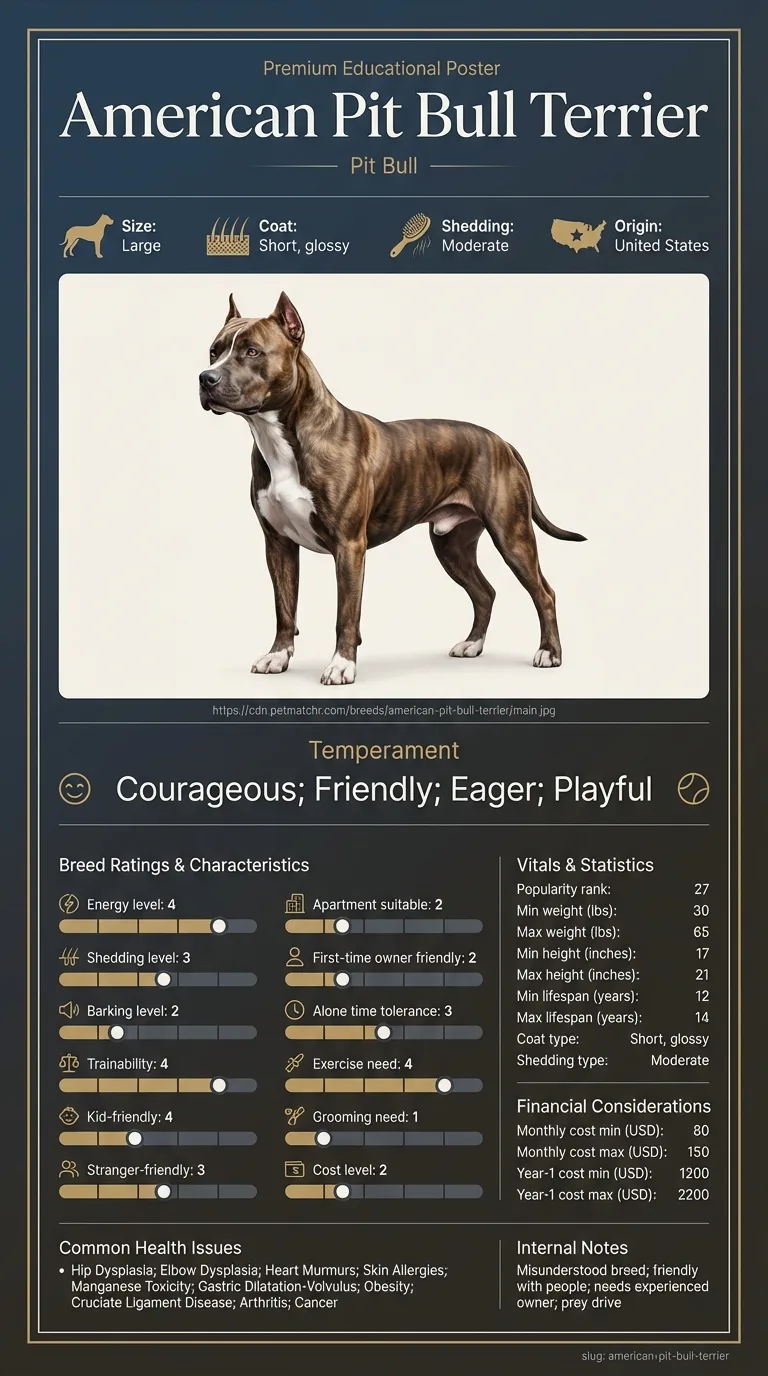
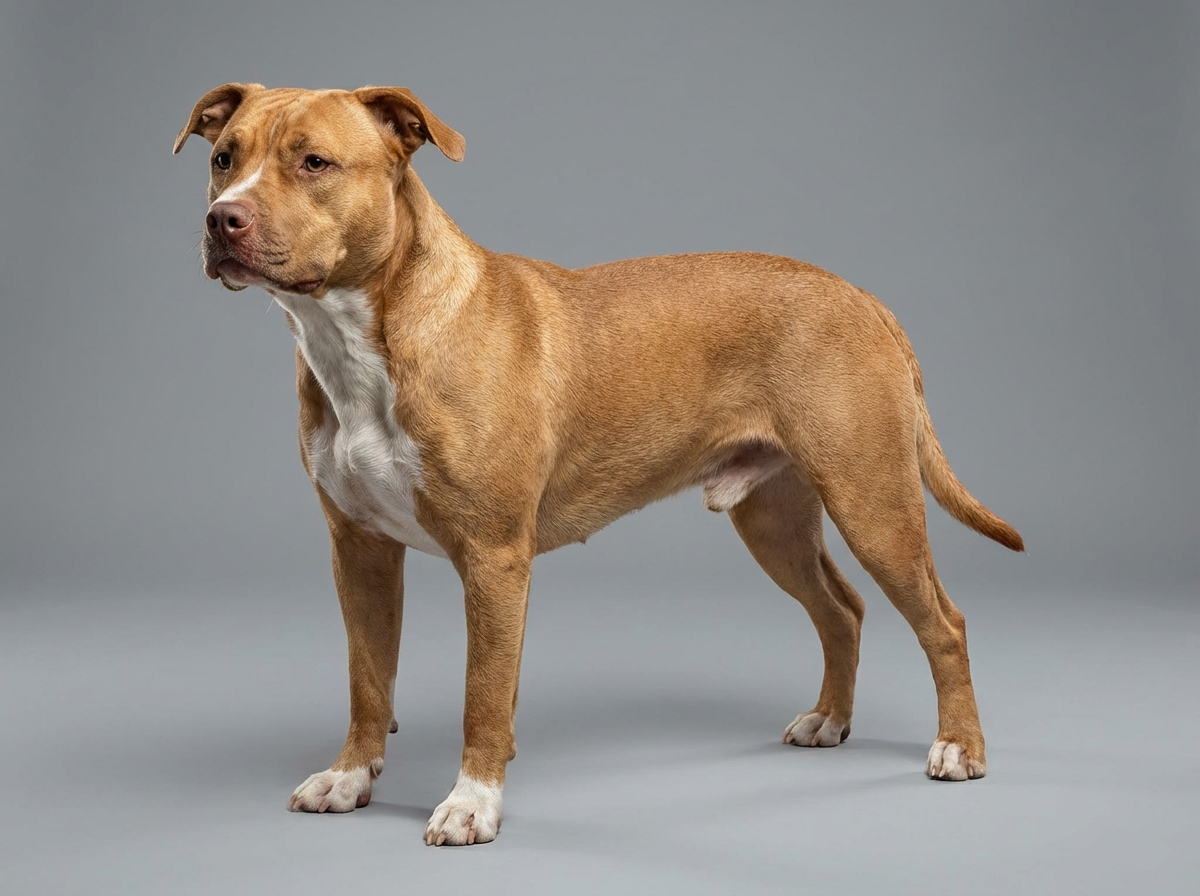
What this problem looks like
American Pit Bull Terriers can suffer from intervertebral disc disease (IVDD) type I, which occurs when the discs between their vertebrae herniate and press on the spinal cord. This can lead to pain, mobility issues, and in severe cases, paralysis. Owners may notice their dog hesitating to jump, exhibiting signs of discomfort, or becoming less active than usual.
Common triggers
- Excessive jumping or rough play
- Sudden movements or twisting motions
- Being overweight or out of shape
Intervertebral disc disease (IVDD) type I is relatively common in American Pit Bull Terriers, especially as they age. While it can occur in younger dogs due to injury or genetics, older dogs are at greater risk due to wear and tear on their spines.
Max's Journey to Recovery
Jessica, a busy nurse, noticed her American Pit Bull Terrier, Max, struggling to jump onto the couch. After a vet visit, she learned he had intervertebral disc disease (ivdd) type i. At first, she felt overwhelmed, unsure of how to manage Max's care. With her vet's guidance, Jessica implemented a strict regimen of physical therapy, medication, and controlled exercise. Gradually, Max began to regain his strength and mobility. After several weeks, he was back to his playful self, enjoying walks and cuddles with Jessica.
Key takeaway: With proper care and patience, dogs with intervertebral disc disease can recover and thrive. Regular vet visits and a structured treatment plan are essential to success.