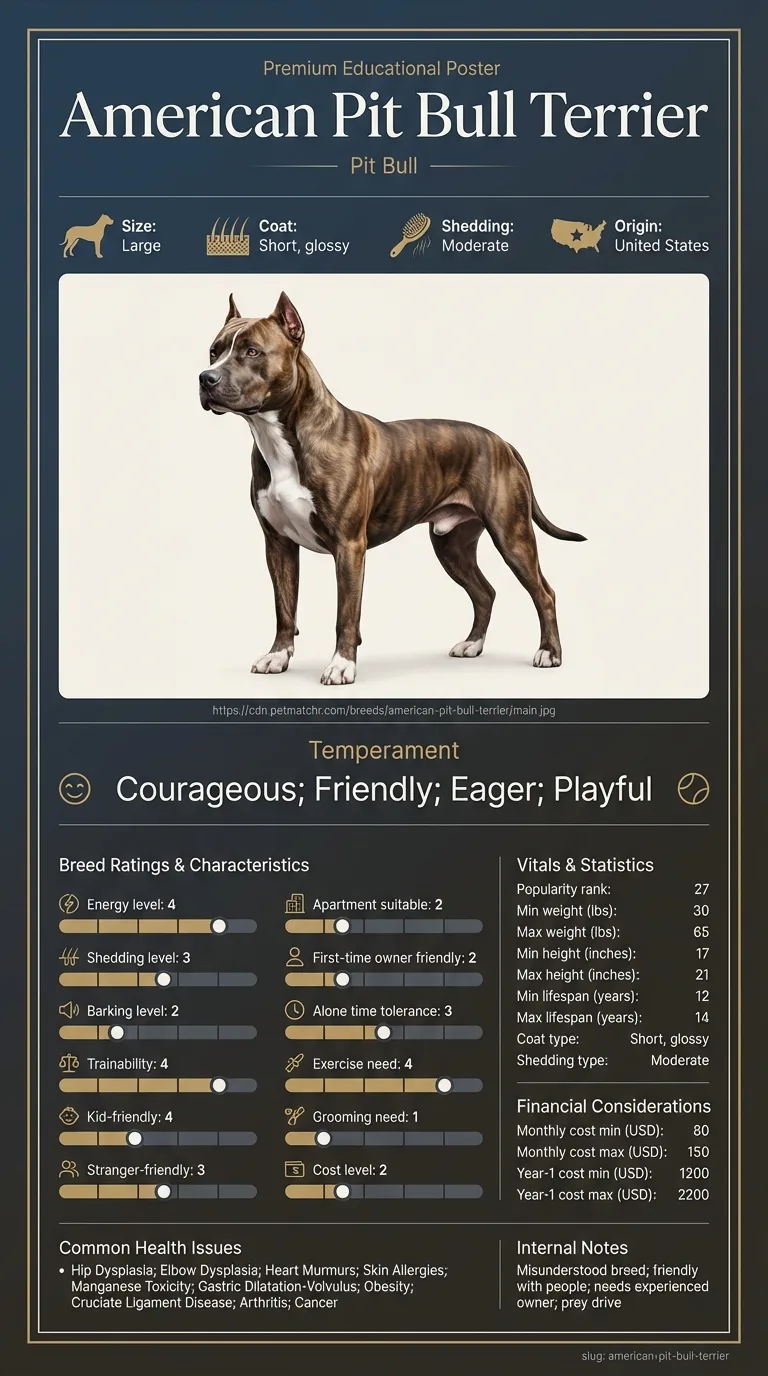
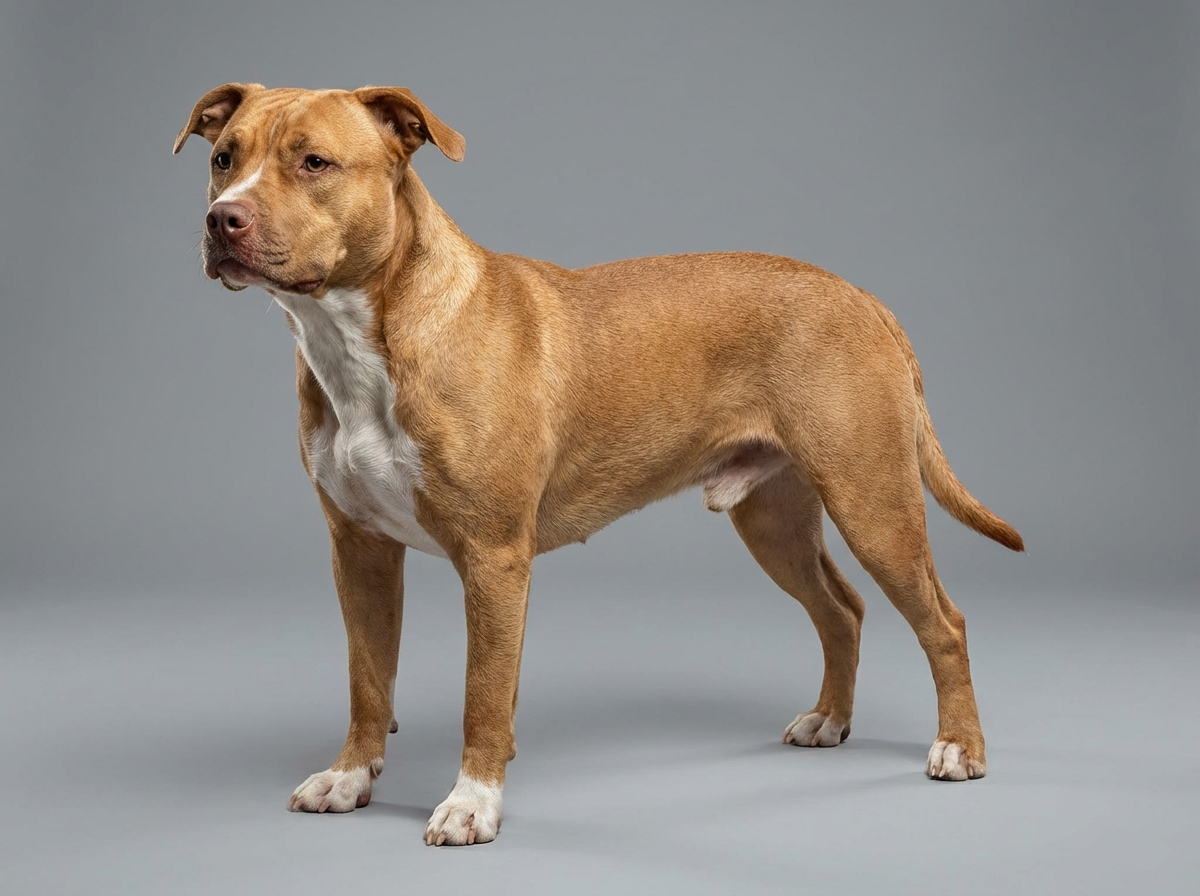
American Pit Bull Terrier Obesity: Causes and Solutions
American Pit Bull Terrier obesity is a growing concern that affects many dogs. Weight management is crucial for their overall health and well-being.
Many first-time Pit Bull owners or busy families might struggle with keeping their dog at a healthy weight. Often, they may not realize how easy it is for these dogs to gain weight if their diet and exercise aren't carefully monitored.
Important reminder
This guide is not medical advice. If your dog shows pain, sudden behavior change, or worsening symptoms, consult a licensed veterinarian.
Some links may be affiliate links. We may earn a commission at no extra cost to you. We only suggest products we believe are helpful for dog owners.
What this problem looks like
American Pit Bull Terrier obesity is a growing concern for many owners. This problem can manifest as excessive weight gain, leading to various health issues and decreased mobility. Daily life can become challenging for an overweight Pit Bull, as they may struggle to keep up during walks or playtime, leading to less exercise and a sedentary lifestyle.
Common triggers
Overfeeding or free feeding without portion control
Lack of regular exercise or physical activity
High-calorie treats and human food
Genetic predisposition to weight gain
Obesity is a significant issue for American Pit Bull Terriers, with many reports indicating that over 50% of dogs in general are overweight or obese. This breed's friendly nature often leads to them being overindulged, making weight management especially crucial for their overall health.
Why this happens
Breed factors
The American Pit Bull Terrier has a strong build and a natural tendency to gain weight if not properly managed. Their energy levels are moderate, which can lead to less activity if not encouraged to exercise. Additionally, they often have a strong prey drive, which may make them less interested in structured play.
Environment factors
Obesity in American Pit Bull Terriers can also stem from their environment. If they are not provided with enough physical activity or mental stimulation, they may become sedentary. Moreover, improper feeding habits or excessive treats can easily lead to weight gain.
What you can try
At-home strategies
Establish a consistent feeding schedule with measured portions to control calorie intake. Avoid free-feeding, which can lead to overeating.
Incorporate daily exercise routines, like walks, playtime, or agility exercises, for at least 30-60 minutes to help burn calories.
Use interactive toys or treat-dispensing puzzles to keep your Pit Bull mentally stimulated and engaged while reducing the chance of boredom eating.
When to consider a trainer
If you find it challenging to motivate your American Pit Bull Terrier to exercise or if they ignore commands during training, consider hiring a professional trainer. They can provide tailored strategies to engage your dog and enhance their training.
When to talk to your vet
If your dog shows signs of rapid weight gain or if you suspect underlying health issues related to obesity, consult your vet. They can assess your dog's overall health and recommend a safe weight loss plan.
Realistic expectations
You can expect to see noticeable improvements in your American Pit Bull Terrier's weight over 3 to 6 months with consistent effort.
Success means your dog reaches a healthy weight, has increased energy, and enjoys more physical activities without discomfort.
Mistakes that make this worse
Managing American Pit Bull Terrier obesity can be tricky. Here are some common mistakes that can worsen the problem, along with safer alternatives.
Overfeeding: Many owners give too many treats or large portions. Instead, measure out food and use treats sparingly.
Skipping Exercise: Some owners think their dog will lose weight without exercise. Regular walks and playtime are essential for weight loss.
Ignoring Body Condition: Not recognizing weight gain can lead to obesity. Regularly check your dog's body condition and consult a vet if unsure.
Using Food for Comfort: Feeding your dog when they seem anxious or bored can reinforce unhealthy habits. Instead, offer attention or toys to help them cope.
Not Consulting a Vet: Relying solely on online advice can be risky. Always consult a veterinarian for tailored advice on managing obesity.
Neglecting Training: Failing to train your dog can lead to stress eating. Incorporate training sessions to engage their mind and body.
Comparing Dogs: Every dog is different. Avoid comparing your Pit Bull to others; focus on their unique needs.
When American Pit Bull Terrier Obesity is an Emergency
Recognizing when American Pit Bull Terrier obesity is an emergency can be crucial for your dog's health. If you notice any of the following red flags, it's time to call your vet immediately. These signs include difficulty breathing, severe lethargy, inability to move, or any sudden changes in appetite or behavior. These symptoms could indicate underlying health issues that require urgent care.
On the other hand, if your Pit Bull is simply overweight but shows no severe symptoms, you can monitor their condition with a structured plan. Keep an eye on their energy levels, eating habits, and overall demeanor. You might notice they are less active than usual or struggling to keep up during walks. These are signals to adjust their diet and exercise routine, but they don’t require an emergency vet visit. Instead, start implementing gradual changes to their lifestyle to promote a healthier weight.
In summary, if your Pit Bull exhibits serious symptoms, seek immediate veterinary care. For less severe cases, focus on a balanced diet and regular exercise to manage their weight effectively.

American Pit Bull Terrier Obesity: Causes and Solutions - When American Pit Bull Terrier Obesity is an Emergency
Turning Around Bella's Weight Struggles
When Sarah adopted Bella, her American Pit Bull Terrier, she quickly noticed Bella was overweight. Struggling with her own busy schedule as a nurse, Sarah often relied on convenient dog food and snacks. After a vet visit revealed Bella's obesity, Sarah committed to a meal plan and daily exercise routine. She started taking Bella on evening walks and switched to healthier dog food. Over several months, Bella lost weight, and their bond deepened during their outdoor adventures.
Key takeaway: With dedication and a structured routine, managing your American Pit Bull Terrier's obesity is possible, leading to a healthier, happier dog.
Frequently asked questions
Why does my American Pit Bull Terrier have obesity?
American Pit Bull Terrier obesity can be caused by overfeeding, lack of exercise, or underlying health issues. Since they are a large and energetic breed, they need regular physical activity to maintain a healthy weight. Monitoring their diet and ensuring they get enough exercise is crucial.
How can I stop my American Pit Bull Terrier from being obese?
To combat American Pit Bull Terrier obesity, start by adjusting their diet to include portion control. Incorporate regular exercise into their routine, aiming for at least 60 minutes of activity daily. Consulting with a vet for a tailored weight management plan can also be beneficial.
What are the signs of obesity in American Pit Bull Terriers?
Signs of obesity in American Pit Bull Terriers include difficulty in feeling their ribs, lack of energy, and difficulty moving or playing. If your dog has a noticeable belly or their waist isn't defined, these can also be indicators. Regular vet check-ups can help assess their weight.
Are there specific foods I should avoid to prevent obesity in my American Pit Bull Terrier?
Avoid feeding your American Pit Bull Terrier high-calorie treats and table scraps. Foods high in carbohydrates and fat can lead to weight gain. Instead, opt for balanced dog food specifically formulated for weight management.
Can training help with my American Pit Bull Terrier's obesity?
Yes, training can help with American Pit Bull Terrier obesity by incorporating physical activity into their daily routine. Engaging in obedience training or agility exercises not only aids in weight loss but also strengthens your bond. Positive reinforcement encourages them to stay active.
What should I do if my American Pit Bull Terrier is overweight?
If your American Pit Bull Terrier is overweight, start by adjusting their diet and increasing exercise. Consult your vet for a tailored weight loss plan that considers their age and health status.
Can obesity affect my American Pit Bull Terrier's lifespan?
Yes, obesity can significantly impact your American Pit Bull Terrier's lifespan. Carrying excess weight increases the risk of serious health issues like heart disease and diabetes, which can shorten their life.
How can I tell if my American Pit Bull Terrier is obese?
You can tell if your American Pit Bull Terrier is obese by checking their body condition. You should be able to feel their ribs without excessive fat covering, and they should have a defined waist when viewed from above.
Are certain American Pit Bull Terriers more prone to obesity?
Yes, some American Pit Bull Terriers may be more prone to obesity due to genetics, activity level, and diet. Older dogs or those with lower energy levels often struggle more with weight management.
When should I consult a vet about my American Pit Bull Terrier's weight?
Consult a vet if your American Pit Bull Terrier shows sudden weight gain, lethargy, or changes in eating habits. Early intervention is crucial to prevent long-term health issues related to obesity.
What are quick tips for managing American Pit Bull Terrier obesity?
To manage American Pit Bull Terrier obesity, feed them controlled portions, reduce high-calorie treats, and increase daily exercise. Regular vet visits for health checks are also essential.
Living
How often should I exercise my American Pit Bull Terrier?
Aim for at least 60 minutes of exercise daily for your American Pit Bull Terrier. This can include walks, playtime, or training sessions to keep them active and healthy.
Health
What type of food is best for my obese American Pit Bull Terrier?
Choose high-quality, low-calorie dog food designed for weight management. Look for options that are high in protein and fiber to help them feel full without gaining weight.
Behavior
Is obesity common in American Pit Bull Terriers?
Yes, obesity is common in American Pit Bull Terriers due to their love for food and sometimes sedentary lifestyle. Proactive management is key to keeping them healthy.