DogBreedCompass
← Back to breed profile

Understanding Schnauzer (Standard) Chondrodystrophy (CDDY)

Schnauzer (Standard) chondrodystrophy (CDDY) is a developmental disorder that affects your dog's bones. This condition can lead to serious health issues if not addressed.

Understanding Schnauzer (Standard) Chondrodystrophy (CDDY) infographic

Typically, dog owners who are new to the breed or those with limited experience managing health issues face challenges with CDDY. Busy families or individuals may find it especially tough to notice the early signs and seek help promptly.

Important reminder

This guide is not medical advice. If your dog shows pain, sudden behavior change, or worsening symptoms, consult a licensed veterinarian.

Some links may be affiliate links. We may earn a commission at no extra cost to you. We only suggest products we believe are helpful for dog owners.

What this problem looks like

Schnauzer (Standard) chondrodystrophy (cddy) is a developmental disorder that affects bone growth and structure. Pet owners may notice symptoms like joint stiffness, difficulty in movement, or unusual limb development. This condition can be particularly concerning as it may lead to long-term mobility issues if not managed properly.

Common triggers

  • Genetic predisposition in certain Schnauzer lines
  • Inadequate nutrition during growth phases
  • Excessive exercise before proper bone development

Chondrodystrophy (cddy) is relatively uncommon in Schnauzers, but it can occur more frequently in specific bloodlines. Awareness and early detection are key in managing this condition effectively.

Why this happens

Breed factors

Schnauzer (Standard) chondrodystrophy (cddy) is often linked to genetic factors. This developmental disorder affects bone growth, making some Schnauzers more prone to skeletal issues. These breed-specific traits can lead to varying degrees of mobility and comfort throughout their lives.

Environment factors

Environmental factors also play a role in cddy. Poor nutrition during growth stages, lack of proper exercise, or excessive weight can exacerbate the condition. Additionally, living in environments that don't allow for regular movement can contribute to worsening symptoms.

What you can try

At-home strategies

  • Provide a balanced diet rich in essential nutrients to support bone health. Consult with a vet to find appropriate food options.
  • Establish a regular exercise routine that includes low-impact activities like walking or swimming. Aim for at least 30 minutes a day to keep your Schnauzer active without overexerting them.
  • Monitor your dog's weight and adjust their food intake accordingly. Keeping them at a healthy weight can reduce the strain on their bones and joints.
  • Incorporate gentle stretches and mobility exercises to improve flexibility and strength. These can be as simple as encouraging your dog to reach for treats or using interactive toys.

When to consider a trainer

If your Schnauzer is showing signs of anxiety or if their mobility issues lead to behavioral problems, a professional trainer can help. Look for trainers who specialize in positive reinforcement techniques and have experience with mobility challenges.

When to talk to your vet

Consult your vet if you notice significant changes in your Schnauzer's mobility, pain levels, or behavior. Early intervention can help manage symptoms and improve their quality of life. If you're unsure about their diet or exercise routine, your vet can provide tailored advice.

Realistic expectations

You may start to see improvements within a few weeks of consistent training and care, but fully managing Schnauzer (Standard) chondrodystrophy (cddy) can take several months.

Success means your Schnauzer (Standard) is showing less discomfort, improving mobility, and responding positively to training and lifestyle changes.

Mistakes that make this worse

Avoiding certain behaviors can help manage your Schnauzer's chondrodystrophy (cddy). Here are common mistakes that may delay improvement and safer alternatives.

  • Ignoring mobility issues: If your Schnauzer shows signs of trouble moving, neglecting this can worsen their condition. Instead, consult a vet for suitable exercises and modifications.
  • Overexercising: Pushing your dog too hard can exacerbate pain and discomfort. Focus on shorter, gentler walks and monitor their reaction to activity.
  • Neglecting weight management: Excess weight puts additional strain on bones and joints. Maintain a balanced diet and consult your vet for a weight loss plan if needed.
  • Using harsh training methods: Frustration can lead to aggressive training techniques that may increase anxiety. Use positive reinforcement to encourage good behavior and build trust.
  • Skipping vet check-ups: Regular vet visits are crucial for monitoring health and adjusting care plans. Don't skip appointments, even if your dog seems fine.
  • Failing to provide a comfortable environment: An uncomfortable resting area can increase stress and pain. Create a cozy, supportive space with soft bedding and easy access to essentials.
  • Ignoring pain signs: If your Schnauzer is in pain, it may show through behavioral changes. Pay attention to their cues and seek veterinary advice to address their discomfort.

When Schnauzer (Standard) Chondrodystrophy (CDDY) is an Emergency

Identifying when Schnauzer (Standard) chondrodystrophy (cddy) is an emergency is crucial for your dog's health. If you notice severe symptoms such as extreme pain, inability to walk, or sudden changes in behavior, call your vet immediately. These signs indicate a serious condition that needs urgent attention.

Understanding Schnauzer (Standard) Chondrodystrophy (CDDY) - When Schnauzer (Standard) Chondrodystrophy (CDDY) is an Emergency

When to Watch and Wait

In less severe cases, you may choose to monitor your Schnauzer (Standard). If your dog shows mild signs like occasional limping or discomfort but maintains a normal appetite and energy level, you can observe them at home. However, keep a close eye on their condition and consult your vet if symptoms worsen.

Understanding Schnauzer (Standard) Chondrodystrophy (CDDY) - When to Watch and Wait

Maggie's Journey with CDDY

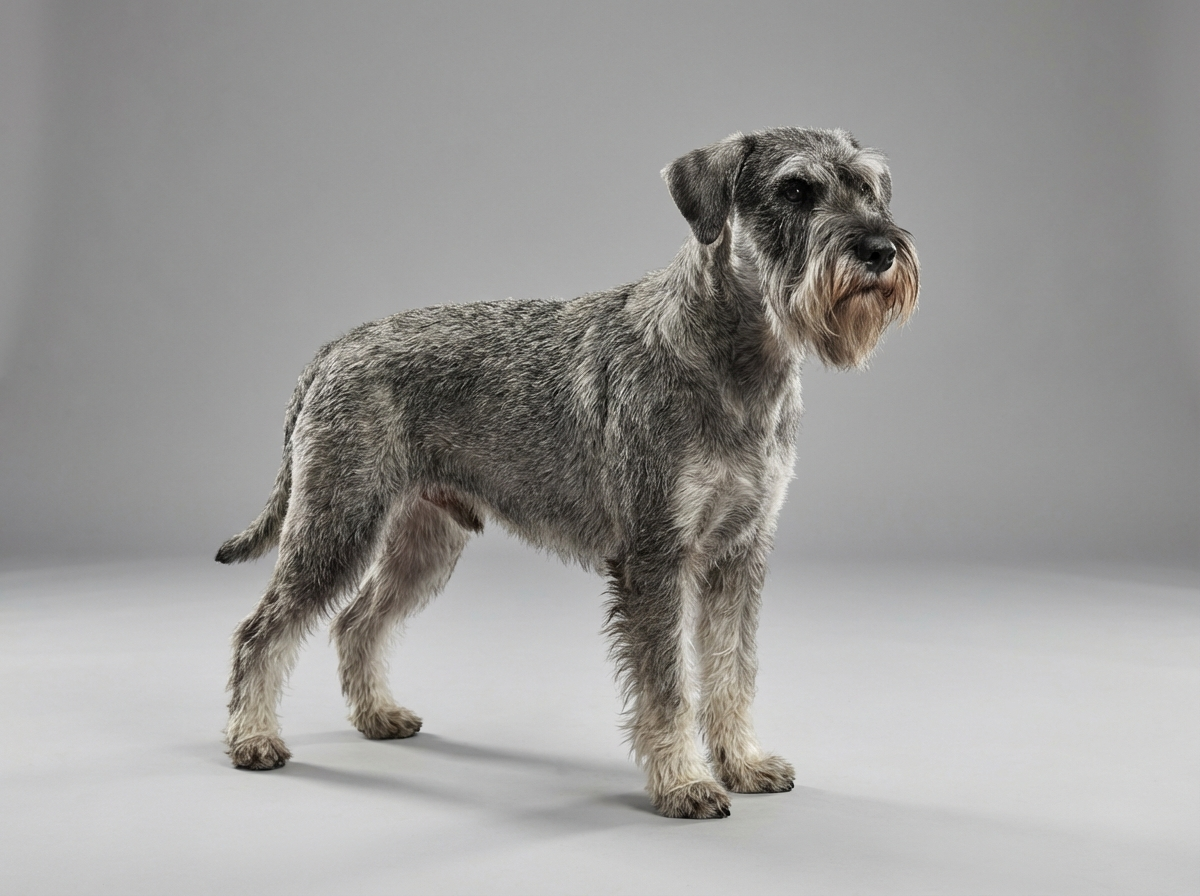
Maggie, a busy nurse in Seattle, adopted a Standard Schnauzer named Max. Shortly after bringing him home, she noticed he struggled with mobility and seemed to be in pain. After consulting her vet, she learned about Schnauzer (Standard) chondrodystrophy (cddy) and began a tailored training and care plan that included physical therapy and lifestyle changes. With persistence, Maggie worked through Max's discomfort, and within a few months, he was more active and playful.

Key takeaway: With the right support and training, you can help your Schnauzer (Standard) manage cddy effectively.

Frequently asked questions

What is Schnauzer (Standard) chondrodystrophy (cddy)?

Schnauzer (Standard) chondrodystrophy (cddy) is a developmental disorder affecting bone growth. It can lead to skeletal deformities and impact mobility. This condition often appears in puppies and can be managed with proper care.

Why does my Schnauzer (Standard) have chondrodystrophy (cddy)?

Chondrodystrophy (cddy) in Schnauzers (Standard) is often genetic. If a puppy has inherited this trait, it can lead to abnormal bone development. Consulting a vet can provide insights into the specific genetics at play.

How can I manage my Schnauzer (Standard) with chondrodystrophy (cddy)?

Management includes regular vet check-ups, a balanced diet, and controlled exercise. Physical therapy can also help improve mobility. Early intervention is key to minimizing discomfort.

What treatments are available for Schnauzer (Standard) chondrodystrophy (cddy)?

Treatment often focuses on pain management and mobility support. Options may include medication, supplements, and sometimes surgery for severe cases. Always consult your vet for tailored treatment plans.

Can training help with Schnauzer (Standard) chondrodystrophy (cddy)?

Training can indeed help by reinforcing positive behaviors and reducing stress. Focus on gentle commands and routines that accommodate your dog’s mobility needs. Patience and consistency are essential.

What are the symptoms of chondrodystrophy in Schnauzers?

Symptoms of chondrodystrophy in Schnauzers can include abnormal bone development, stiffness, or limping. You might also notice changes in their mobility or difficulty with certain physical activities.

How can I manage my Schnauzer's chondrodystrophy at home?

Managing your Schnauzer's chondrodystrophy involves providing a comfortable environment, maintaining a healthy weight, and ensuring they get the right amount of exercise. Regular check-ups with your vet can help monitor their condition.

Is chondrodystrophy hereditary in Schnauzers?

Yes, chondrodystrophy can be hereditary. If you are considering breeding, it's crucial to consult with a veterinarian to understand the risks and ensure the health of both the parents and puppies.

When should I consult a vet about my Schnauzer's condition?

If you notice significant changes in your Schnauzer's mobility, behavior, or if they show signs of pain, it’s time to consult your vet. Early intervention can help manage symptoms and improve their quality of life.

Are there specific diets that can help Schnauzers with chondrodystrophy?

A balanced diet that includes essential nutrients can support your Schnauzer's health. Consult your vet for recommendations on diets that may help manage their condition and promote overall well-being.

Quick answers

View more answers
Behavior

What are quick tips for Schnauzer (Standard) chondrodystrophy (cddy)?

Ensure your dog has a comfortable sleeping area and avoid excessive jumping. Regular, low-impact exercise helps maintain muscle tone. Consult your vet for specific dietary recommendations.

Costs

How much does it cost to care for a Schnauzer (Standard) with cddy?

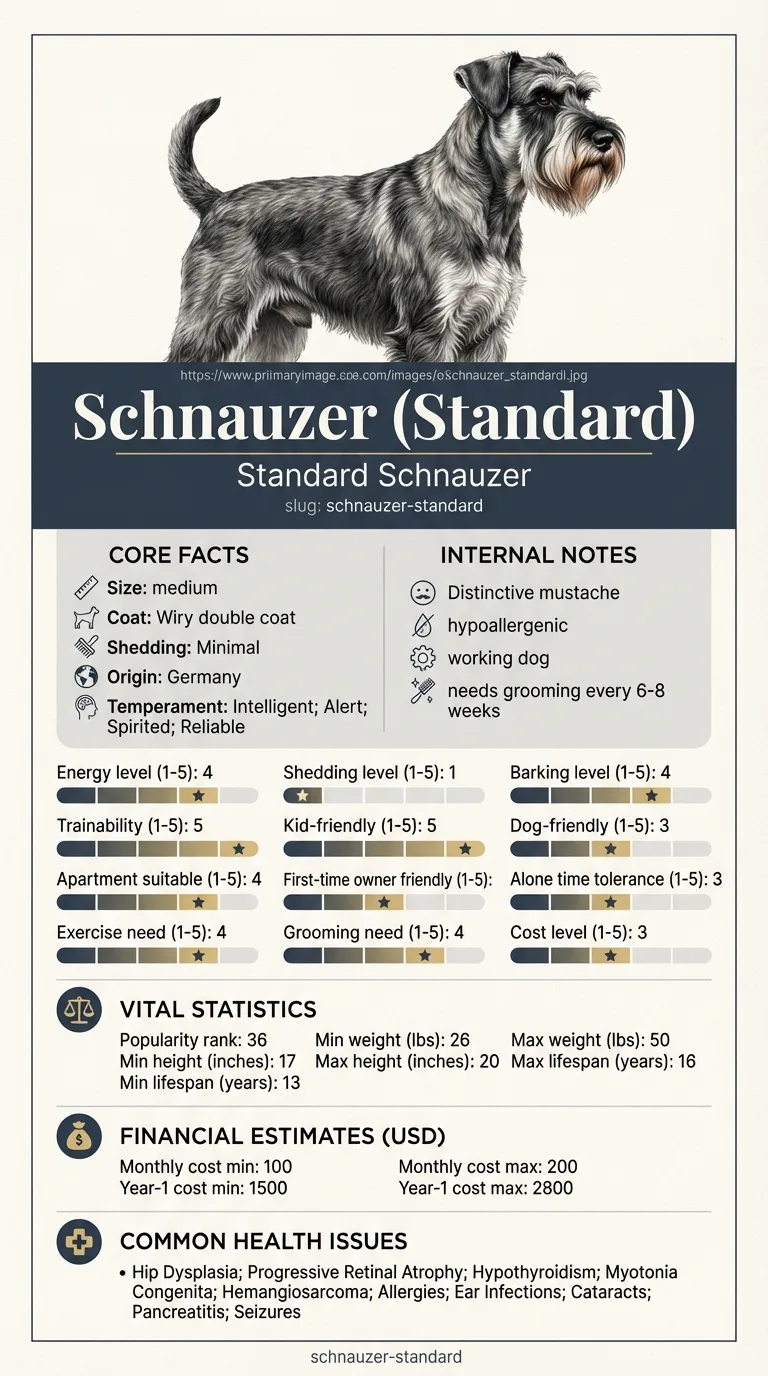
Monthly costs for a Schnauzer (Standard) can range from $100 to $200, depending on health needs and care. Yearly expenses may vary between $1,500 and $2,800.

Training

Is training difficult for Schnauzer (Standard) with cddy?

Training may require more patience, especially if mobility is limited. Focus on short, positive sessions that encourage engagement without strain.

Related DogBreedCompass guides

  • Schnauzer (Standard) behavior problemsLearn effective strategies for managing behavior issues related to chondrodystrophy (cddy) in Standard Schnauzers.
  • Schnauzer (Standard) chondrodystrophy (cddy) trainingExplore training methods specifically tailored for Schnauzers dealing with chondrodystrophy (cddy).
  • how to stop Schnauzer (Standard) chondrodystrophy (cddy)Find tips on how to stop Schnauzer (Standard) chondrodystrophy (cddy) from affecting your dog's quality of life.
  • Schnauzer (Standard) cost breakdownUnderstand the costs associated with owning a Standard Schnauzer, including potential health issues like chondrodystrophy (cddy).
  • Schnauzer (Standard) separation anxiety guideGet guidance on separation anxiety, which can be common in Schnauzers, particularly those with chondrodystrophy (cddy).

Related guides