Problem

Yorkshire Terrier Chondrodystrophy (cddy): What You Need to Know

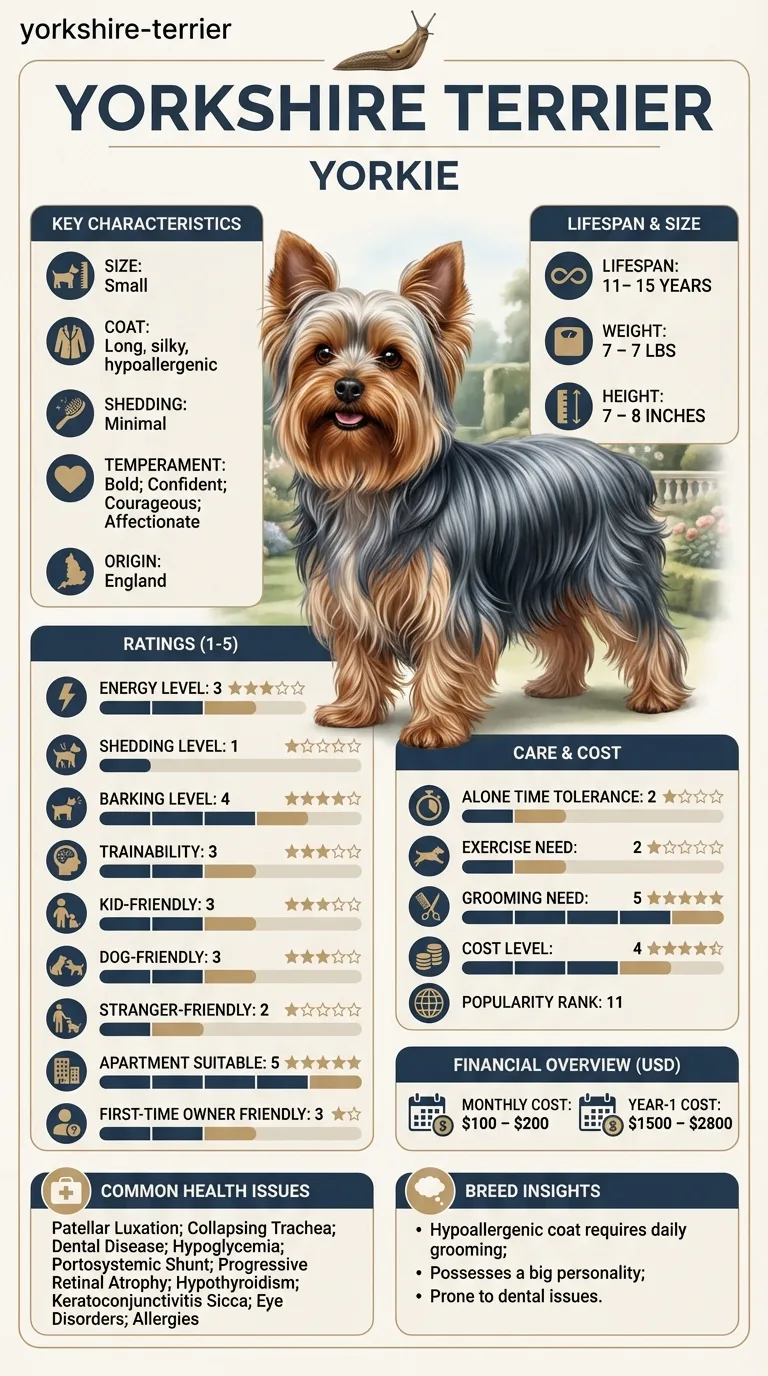
Yorkshire Terrier chondrodystrophy (cddy) is a developmental disorder that affects your pup's bones.

Yorkshire Terrier Chondrodystrophy (cddy): What You Need to Know photo

What you can try

Mistakes that make this worse

Avoid these common mistakes that can worsen Yorkshire Terrier chondrodystrophy (cddy) and delay improvement. Learning safer alternatives can make a big difference in your Yorkie's health and happiness.

When Yorkshire Terrier Chondrodystrophy (cddy) is an Emergency

When dealing with Yorkshire Terrier chondrodystrophy (cddy), knowing when to call your vet is crucial. If your Yorkie shows severe symptoms like difficulty walking, extreme lethargy, or sudden changes in appetite, these are red flags. Immediate veterinary attention is necessary in these cases.

Mild symptoms such as slight limping or occasional stiffness may not require an emergency visit. Instead, monitor your dog’s condition closely and keep a record of any changes. A planned vet visit can help address these less severe issues effectively.

If your dog is experiencing persistent pain, noticeable swelling, or a refusal to move, do not wait. These signs can indicate more serious complications that need prompt care. Always trust your instincts; if something feels off, it’s better to err on the side of caution and reach out to a vet.

Yorkshire Terrier Chondrodystrophy (cddy): What You Need to Know - When Yorkshire Terrier Chondrodystrophy (cddy) is an Emergency

Frequently asked questions

What is Yorkshire Terrier chondrodystrophy (cddy)?

Yorkshire Terrier chondrodystrophy (cddy) is a developmental disorder that affects bone growth in these small dogs. It can lead to a range of skeletal issues, including short legs and a distorted spine. Early diagnosis and management are essential for minimizing discomfort.

Why does my Yorkshire Terrier have chondrodystrophy (cddy)?

Chondrodystrophy (cddy) in Yorkshire Terriers is typically linked to genetics. This condition is often inherited, meaning it can run in families. If your Yorkie has cddy, it's a good idea to consult a vet for further guidance.

How can I manage my Yorkshire Terrier's chondrodystrophy (cddy)?

Managing Yorkshire Terrier chondrodystrophy (cddy) involves regular veterinary check-ups and a tailored exercise program. Limit high-impact activities to reduce strain on their bones. Additionally, consider weight management to help alleviate pressure on their joints.

What are the symptoms of chondrodystrophy (cddy) in Yorkshire Terriers?

Common symptoms of chondrodystrophy (cddy) include difficulty walking, abnormal leg positioning, and visible pain when moving. If you notice these signs, it's crucial to consult your vet to discuss potential treatment options.

Is there a training approach for Yorkshire Terriers with chondrodystrophy (cddy)?

Yes, Yorkshire Terrier chondrodystrophy (cddy) training should focus on gentle exercises and mental stimulation. Positive reinforcement techniques work best, as they help build a strong bond and keep your dog engaged without overexerting them.

What are the symptoms of Yorkshire Terrier chondrodystrophy (cddy)?

Symptoms of Yorkshire Terrier chondrodystrophy (cddy) can include abnormal bone growth, difficulty walking, and noticeable pain during movement. Some dogs may also show signs of reluctance to exercise or play. If you notice any of these signs, it's essential to consult your vet.

Can Yorkshire Terrier chondrodystrophy (cddy) affect older dogs?

Yes, while Yorkshire Terrier chondrodystrophy (cddy) is typically seen in younger dogs, older dogs can also show symptoms as their bones age and change. It's important to monitor their mobility and comfort levels as they get older. Regular vet check-ups can help detect any worsening of the condition.

How can I help my Yorkshire Terrier with chondrodystrophy (cddy)?

To help a Yorkshire Terrier with chondrodystrophy (cddy), focus on providing a comfortable environment with easy access to food and water. Light, low-impact exercise can help maintain mobility, but always consult your vet for tailored advice. Training methods should be gentle to avoid exacerbating any pain.

Is there a specific diet for Yorkshire Terriers with chondrodystrophy (cddy)?

While there isn't a one-size-fits-all diet for Yorkshire Terriers with chondrodystrophy (cddy), a balanced diet rich in nutrients can support overall health. Look for high-quality dog food that includes joint-supporting ingredients like glucosamine. Always discuss dietary changes with your vet.

When should I see a vet for my dog's chondrodystrophy (cddy)?

You should see a vet if your Yorkshire Terrier shows worsening symptoms or if you notice new issues like difficulty standing or whining in pain. Early intervention can make a significant difference in managing the condition. Regular check-ups are crucial for monitoring their health.