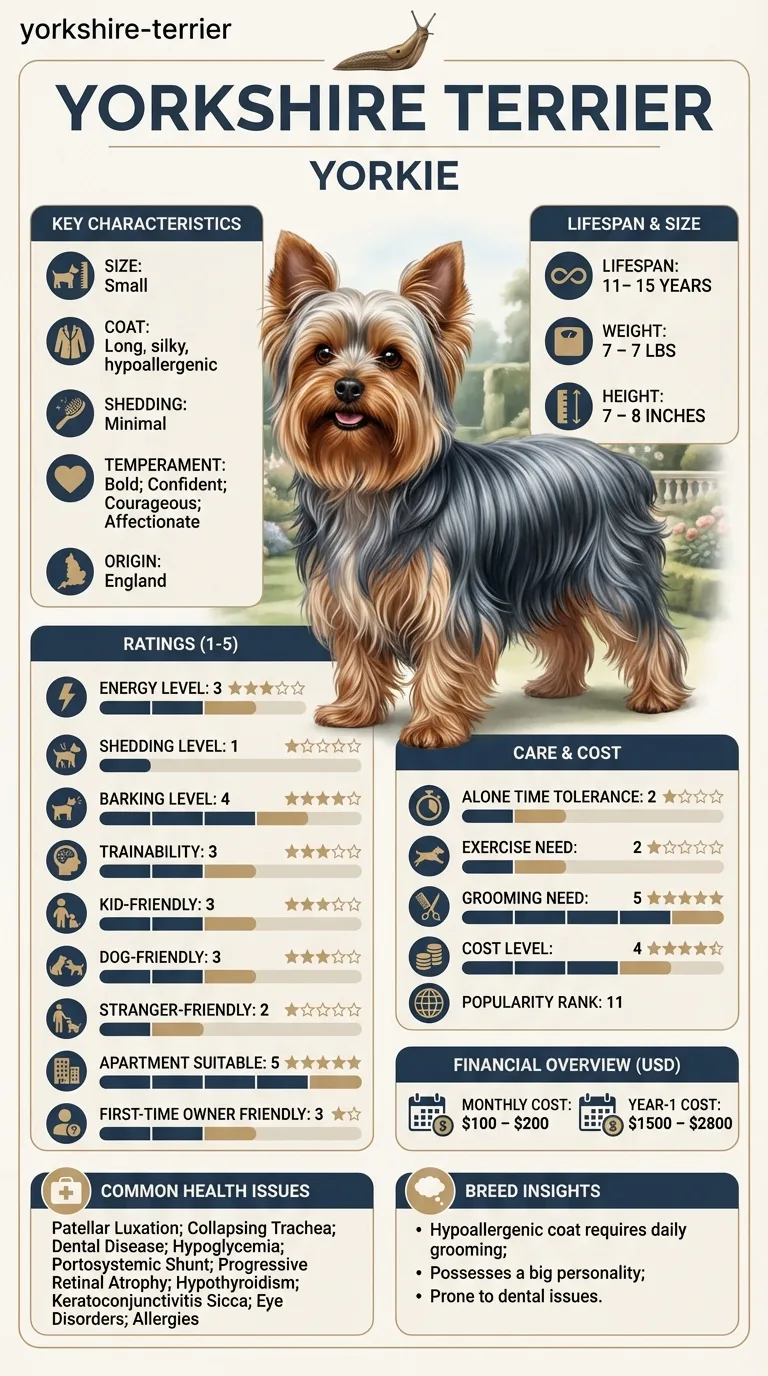
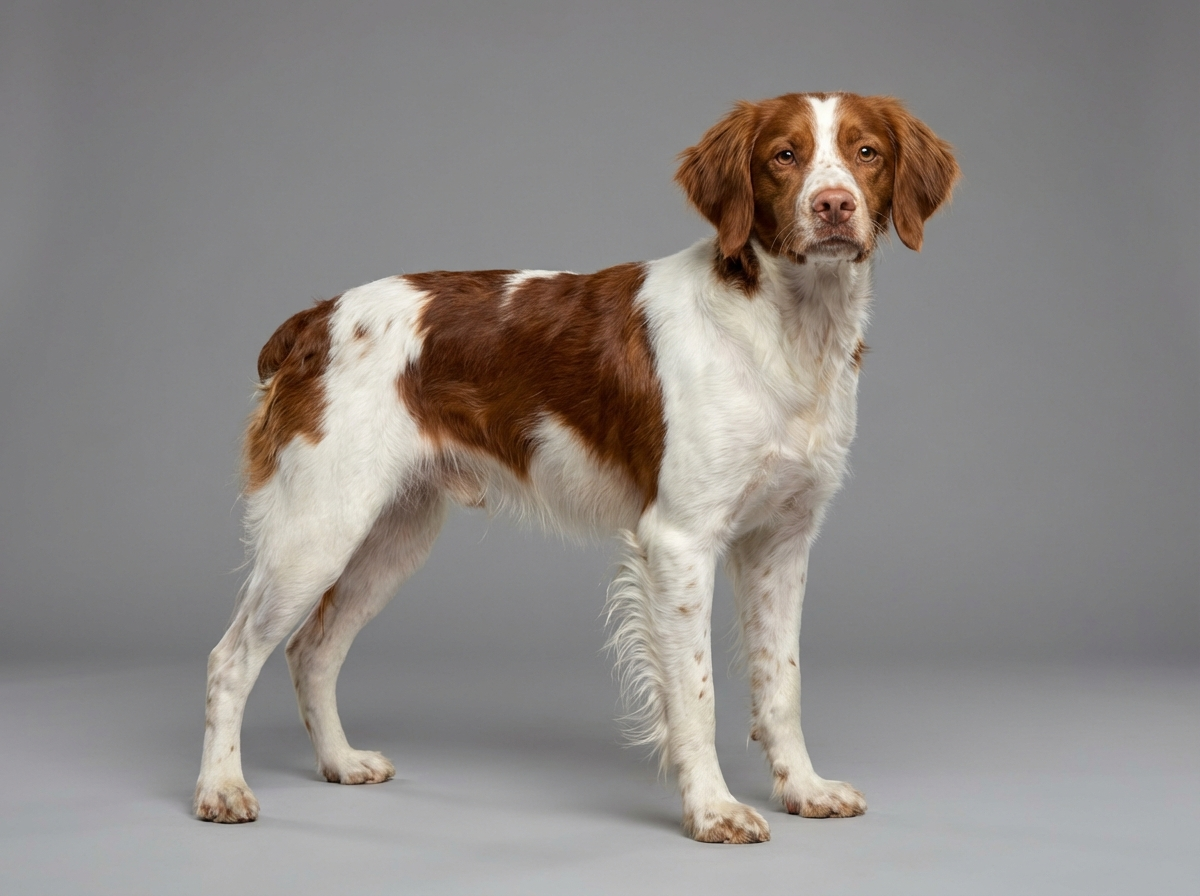
Yorkshire Terrier Intervertebral Disc Disease (IVDD) Type I
Yorkshire Terrier intervertebral disc disease (IVDD) type I can be a serious health issue that affects your dog's quality of life.

What you can try
- Limit jumping: Create a safe space for your Yorkie that minimizes the need for jumping, like using ramps or steps for getting on and off furniture.
- Maintain a healthy weight: Monitor their diet and exercise to keep them at a healthy weight. This can help reduce strain on their back.
- Gentle exercise: Engage your Yorkie in low-impact activities like walking or swimming. Avoid high-impact activities that could worsen their condition.
- Daily grooming: Regular grooming not only keeps their coat healthy but also encourages bonding and helps you monitor their physical condition.
Mistakes that make this worse
Avoiding certain behaviors can help manage Yorkshire Terrier intervertebral disc disease (ivdd) type i. Here are some common mistakes to steer clear of, along with safer alternatives.
- Ignoring early signs of discomfort: Many owners overlook signs like reluctance to jump or play. Instead, monitor your Yorkie's behavior closely and consult your vet at the first sign of pain.
- Overexerting during play: Playing too roughly can worsen IVDD symptoms. Opt for calm play sessions and avoid high-impact activities that could stress their spine.
- Neglecting proper lifting techniques: Picking up your Yorkie by their front or back can strain their back. Always lift them by supporting their belly and back, keeping their spine aligned.
- Skipping vet check-ups: Some owners delay visits believing their dog is fine. Regular vet appointments are crucial for monitoring and managing their health effectively.
- Using stairs without supervision: Allowing your Yorkie to navigate stairs alone can lead to falls and injury. Implement baby gates and carry them up and down instead.
- Ignoring weight management: Overweight Yorkies are at higher risk for IVDD. Maintain a healthy diet and exercise routine to keep their weight in check.
- Disregarding signs of anxiety: Stress can exacerbate IVDD symptoms. Create a calm environment and consider anxiety-reducing tools, like calming wraps or pheromone diffusers.
When Yorkshire Terrier Intervertebral Disc Disease (IVDD) Type I is an Emergency
Yorkshire Terrier intervertebral disc disease (IVDD) type I can escalate quickly, making it crucial to recognize when it’s an emergency. If your Yorkie shows signs of severe pain, such as yelping when touched or refusing to move, it’s time to call your vet immediately. Other red flags include loss of coordination, inability to walk, or sudden weakness in the hind legs—these symptoms can indicate a serious situation that needs urgent care.

Monitoring Mild Cases
In less severe cases, you might notice your Yorkshire Terrier is hesitant to jump or seems slightly stiff after activity. While these signs can be concerning, they may not require immediate veterinary attention. Instead, consider monitoring your dog for a few days for any changes, and implement a gentle exercise plan to help keep them comfortable.
However, if any symptoms worsen or new ones arise, don’t hesitate to reach out to your vet for advice.

Frequently asked questions
Why does my Yorkshire Terrier have intervertebral disc disease (ivdd) type i?
Yorkshire Terriers can develop intervertebral disc disease (ivdd) type I due to genetic predispositions and their small size. This condition occurs when discs in the spine herniate, putting pressure on the spinal cord. Regular vet check-ups can help catch early signs.
How can I tell if my Yorkshire Terrier is suffering from ivdd type i?
Signs of ivdd type I include difficulty walking, dragging limbs, or yelping when touched. If you notice any of these symptoms, it’s crucial to consult a veterinarian immediately. Early diagnosis can lead to better treatment outcomes.
What are the treatment options for Yorkshire Terrier ivdd type i?
Treatment for ivdd type I may include rest, medication for pain and inflammation, or even surgery in severe cases. Your vet will provide the best approach based on your dog's specific situation. Always follow their guidance closely.
How to stop Yorkshire Terrier intervertebral disc disease (ivdd) type i from worsening?
To prevent worsening, manage your Yorkshire Terrier's weight, limit jumping, and provide proper support when lifting. Regular exercise is important, but avoid high-impact activities. Consult your vet for an appropriate exercise regimen.
Can ivdd type i be cured in Yorkshire Terriers?
While ivdd type I may not be completely cured, proper management can significantly improve your Yorkshire Terrier's quality of life. Many dogs recover well with treatment and adjustments to their lifestyle. Continuous vet care is essential.
What is the long-term outlook for a Yorkshire Terrier with ivdd type i?
The long-term outlook for Yorkshire Terriers with ivdd type I varies. Many can live comfortably with appropriate treatment and lifestyle changes. Regular follow-ups with your vet will help monitor your dog's condition and make adjustments as needed.
What are the signs that my Yorkshire Terrier might have intervertebral disc disease (ivdd) type i?
Common signs include sudden weakness in the legs, difficulty walking, or yelping when touched. You might also notice changes in their behavior, like reluctance to jump or play.
Can intervertebral disc disease (ivdd) type i affect older Yorkshire Terriers differently?
Yes, older Yorkies may experience more severe symptoms due to age-related wear on their spine. Regular vet check-ups are crucial for early detection in senior dogs.
How can I help my Yorkshire Terrier recover from intervertebral disc disease (ivdd) type i?
Recovery often involves strict rest, pain management, and physical therapy. Follow your vet's advice closely to ensure the best outcome for your Yorkie.
Is surgery always necessary for Yorkshire Terriers with intervertebral disc disease (ivdd) type i?
Not always. Some dogs may respond well to conservative treatment, like medication and rest. Your vet can help determine the best approach based on your dog's condition.
What preventative measures can I take for my Yorkshire Terrier to avoid intervertebral disc disease (ivdd) type i?
Maintaining a healthy weight, providing regular but not excessive exercise, and avoiding jumping from heights can help. Regular vet visits are also key to catching issues early.