Behavior
What are quick tips for Yorkshire Terrier hip dysplasia prevalence?
Ensure your Yorkie maintains a healthy weight and engages in low-impact exercises. Regular vet check-ups are key to early detection and management.

Quick answer
What are quick tips for Yorkshire Terrier hip dysplasia prevalence?
Ensure your Yorkie maintains a healthy weight and engages in low-impact exercises. Regular vet check-ups are key to early detection and management.
Hip dysplasia is a serious concern for Yorkshire Terriers, affecting their mobility and quality of life.
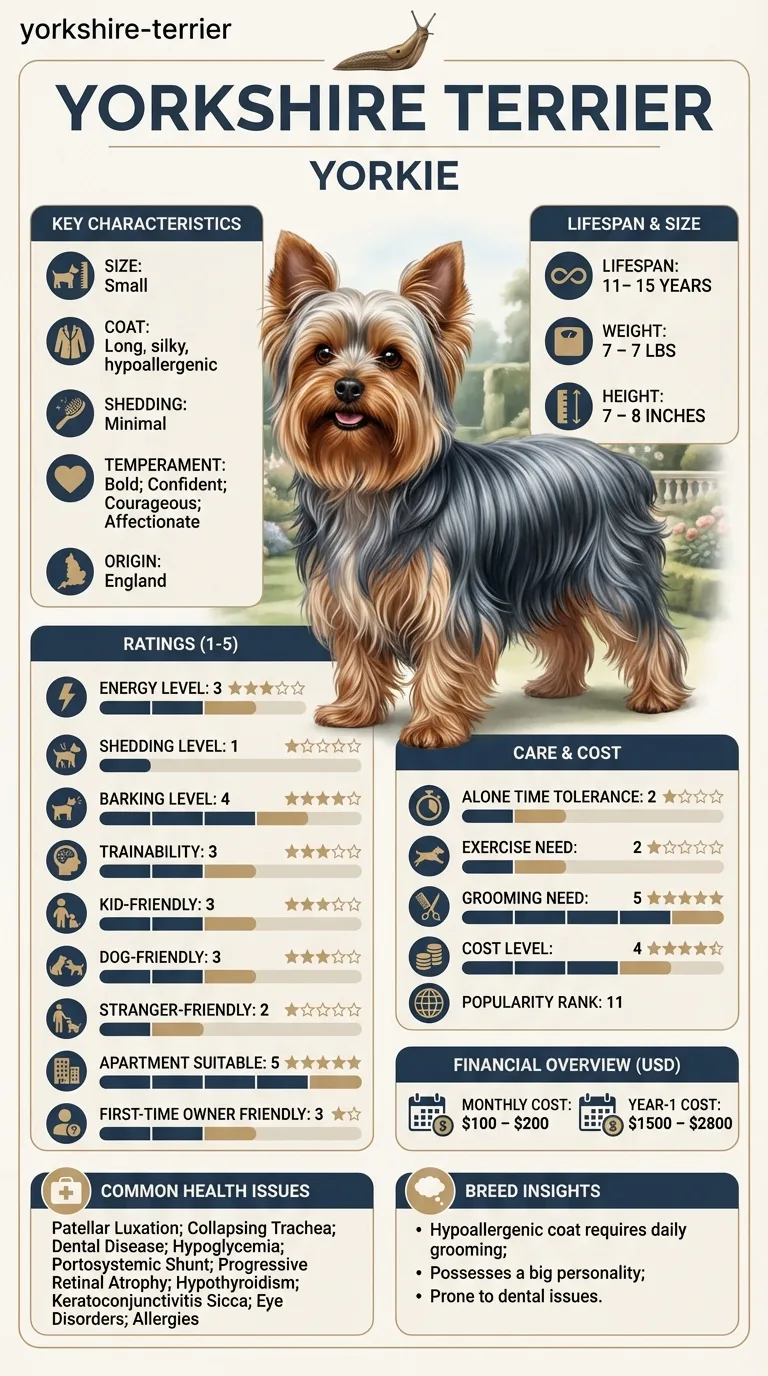
New Yorkie owners, families with active lifestyles, and those who have senior dogs often face this issue. If your Yorkie is showing signs of discomfort or difficulty moving, it’s essential to consider hip dysplasia as a possible cause.
This guide is not medical advice. If your dog shows pain, sudden behavior change, or worsening symptoms, consult a licensed veterinarian.
Some links may be affiliate links. We may earn a commission at no extra cost to you. We only suggest products we believe are helpful for dog owners.
We research and check what we publish, but we do not warrant that any figure, date, price, or statement is accurate, complete, or current, and we accept no liability for any loss, cost, injury, or other harm arising from the use of this site. Use it as one reference among several. You remain responsible for your own decisions and for your dog's care - confirm anything that matters with a licensed veterinarian or another qualified professional before you act on it. Full disclaimer.
Check this first
Understanding when Yorkshire Terrier hip dysplasia prevalence is an emergency is crucial for your pup's well-being. If you notice severe symptoms like sudden limping, inability to stand, or extreme pain when touched, call your vet immediately. These signs could indicate a serious condition that requires prompt medical attention.
On the other hand, if your Yorkie shows mild stiffness after exercise or slight difficulty getting up, this may not be an emergency. You can monitor these symptoms while implementing a management plan that includes weight management and gentle exercises. Keeping a close eye on your dog’s behavior will help you determine if a vet visit is necessary or if it’s safe to wait.
Be aware of any changes in appetite or energy levels, as these can also signal a problem. If you’re unsure, it’s always better to err on the side of caution and consult your vet. Your Yorkshire Terrier's health should always come first.
If any of these apply, call your vet or an emergency clinic now. The rest of this page is for the cases that are not an emergency.
Yorkshire Terrier hip dysplasia prevalence can significantly affect your furry friend’s quality of life. This joint condition occurs when the hip joint doesn’t fit snugly into the hip socket, leading to arthritis and pain. You might notice your Yorkie struggling to jump, being reluctant to play, or showing signs of discomfort, especially after exercise.
Hip dysplasia is fairly common in Yorkshire Terriers, with studies suggesting that around 10-15% may experience this issue. It's crucial to monitor their health, especially as they age, to catch any signs early.
Yorkshire Terriers may inherit a genetic predisposition to hip dysplasia. This condition is influenced by their small size and the way their joints develop. Additionally, their energetic nature can lead to wear and tear on their hips, making them more susceptible.
Environmental factors also play a role. If a Yorkie's daily routine includes excessive jumping or rough play, it can exacerbate hip issues. Additionally, obesity can put extra strain on their hips, increasing the likelihood of dysplasia.
If you notice persistent limping, difficulty standing, or reluctance to play, it's time to consult your vet. They can assess your dog's hips and recommend treatments or preventive measures for hip dysplasia.
Avoiding certain behaviors can greatly help manage Yorkshire Terrier hip dysplasia prevalence. Here are some common mistakes owners make and safer alternatives.
Start here: Yorkshire Terrier Most Common Genetic Disorders: Screening
See all Yorkshire Terrier health problems, which breeds are prone to hip dysplasia prevalence, or the full Yorkshire Terrier breed guide for temperament, exercise needs and ownership costs.
It may take several months to see improvements in your Yorkshire Terrier's hip health through consistent care and management.
Success looks like a Yorkshire Terrier that shows reduced discomfort during movement and improved overall mobility.
When Sarah adopted Bella, her Yorkshire Terrier, she soon noticed Bella hesitated to jump and play. After a vet visit, Sarah learned about the potential risk of hip dysplasia. Determined to help Bella, Sarah implemented a gentle exercise routine and invested in a supportive dog bed. Over a few months, Bella's mobility improved significantly, and she became more playful, bringing joy back to their home.
Key takeaway: With proper care and management, it's possible to improve a Yorkshire Terrier's quality of life even when facing hip dysplasia challenges.
Yorkshire Terriers can inherit hip dysplasia due to genetic factors. Poor breeding practices and excessive weight can also contribute to this issue. Regular vet check-ups can help detect the problem early.
To help reduce the risk of hip dysplasia in your Yorkie, choose a reputable breeder who screens for genetic issues. Maintaining a healthy weight and providing proper exercise are crucial. Regular vet visits can help manage any developing conditions.
Signs may include difficulty rising, limping, or reluctance to play or exercise. You might also notice decreased activity or changes in behavior. If you see these signs, consult your vet for a thorough examination.
Not all cases of hip dysplasia require surgery. Mild cases can often be managed with weight control, exercise, and medication. However, severe cases may necessitate surgical intervention, which your vet can recommend based on individual circumstances.
A balanced diet that maintains a healthy weight is essential. Look for high-quality dog food with appropriate nutrients and consider supplements like glucosamine. Always consult your vet for specific dietary recommendations.
Signs of hip dysplasia in Yorkshire Terriers include difficulty getting up, reluctance to jump or run, and limping. You might also notice a decrease in activity or playful behavior. If you observe these signs, it's essential to consult your vet for a proper evaluation.
Yes, older Yorkshire Terriers can develop hip dysplasia, even if they were not diagnosed as puppies. Age-related wear and tear can exacerbate the condition, leading to increased pain and mobility issues. Regular check-ups with your vet are important to catch any changes early.
To help a Yorkshire Terrier with hip dysplasia, consider weight management, regular but low-impact exercise, and joint supplements. A comfortable bed and avoiding slippery floors can also make a big difference in their daily comfort. Always consult your vet for personalized advice.
Currently, there is no genetic test specifically for hip dysplasia in Yorkshire Terriers. However, responsible breeding practices can reduce the likelihood of hip dysplasia in future puppies. Always choose breeders who screen for this condition.
If your Yorkshire Terrier is diagnosed with hip dysplasia, discuss treatment options with your vet. These may include weight management, physical therapy, or in severe cases, surgery. Early intervention can improve your dog's quality of life significantly.
Ensure your Yorkie maintains a healthy weight and engages in low-impact exercises. Regular vet check-ups are key to early detection and management.
Expect to spend more on a Yorkshire Terrier with hip dysplasia due to potential vet visits, medications, and special diets, adding $50 to $150 monthly.
Training can help manage behavior changes due to discomfort, making it easier for your Yorkie to follow commands and stay engaged. Gentle, positive reinforcement techniques work best.
A one-page prep sheet for this condition: the signs, the questions to ask, what to get priced. Unlocks here.
You get: Vet visit prep sheet
No spam. One-click unsubscribe. See our privacy policy.
Preview page 1 before you decide.