Health
What are quick tips for Yorkshire Terrier intervertebral disc disease (ivdd)?
Keep your Yorkie's weight healthy, limit jumping, and provide gentle exercise. Regular vet check-ups are essential for monitoring.

Quick answer
What are quick tips for Yorkshire Terrier intervertebral disc disease (ivdd)?
Keep your Yorkie's weight healthy, limit jumping, and provide gentle exercise. Regular vet check-ups are essential for monitoring.
Yorkshire Terrier intervertebral disc disease (IVDD) is a serious condition that affects your dog's spine. It can lead to pain, weakness, and even paralysis if not addressed.
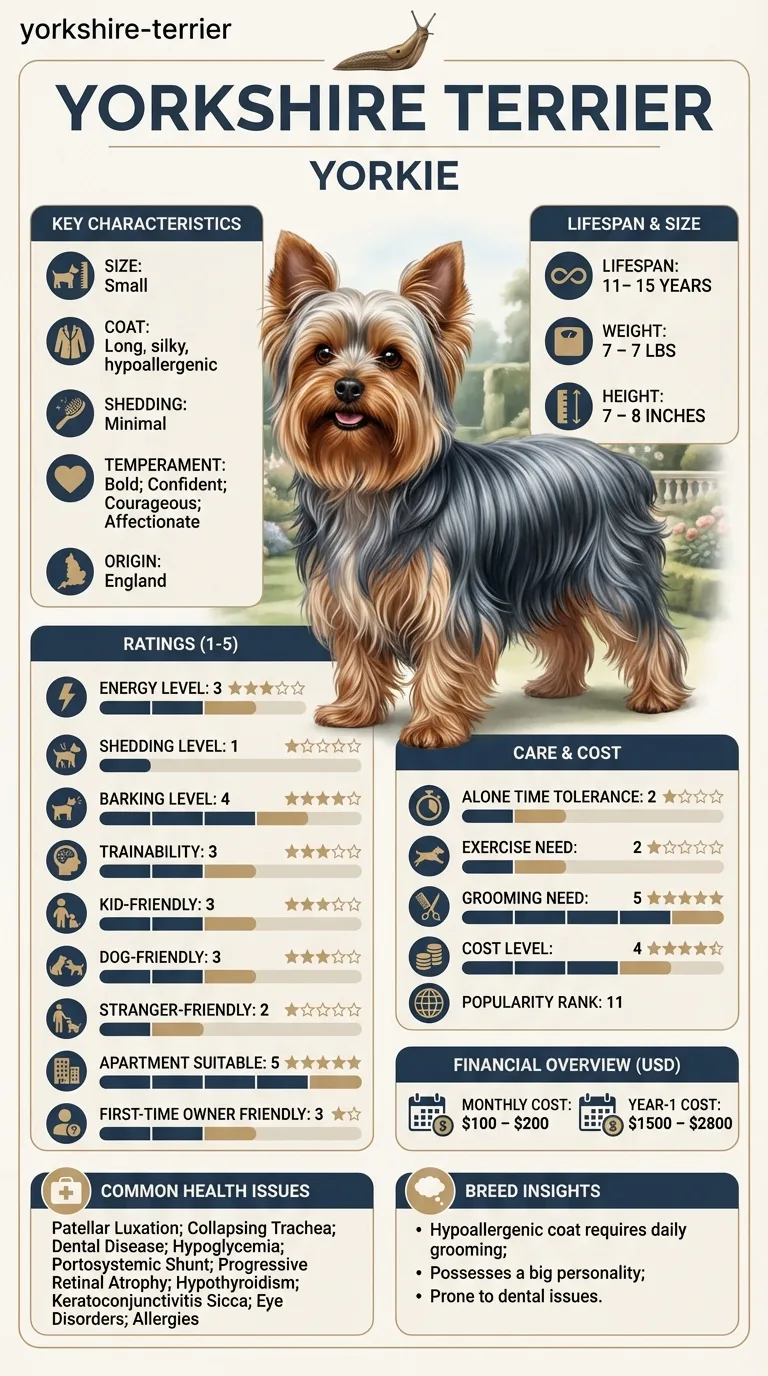
Owners of Yorkshire Terriers, especially those with older dogs or those that are very active, often face challenges with IVDD. It's crucial for them to understand the symptoms and treatment options to ensure their pets live comfortably.
This guide is not medical advice. If your dog shows pain, sudden behavior change, or worsening symptoms, consult a licensed veterinarian.
Some links may be affiliate links. We may earn a commission at no extra cost to you. We only suggest products we believe are helpful for dog owners.
We research and check what we publish, but we do not warrant that any figure, date, price, or statement is accurate, complete, or current, and we accept no liability for any loss, cost, injury, or other harm arising from the use of this site. Use it as one reference among several. You remain responsible for your own decisions and for your dog's care - confirm anything that matters with a licensed veterinarian or another qualified professional before you act on it. Full disclaimer.
Check this first
Recognizing when your Yorkshire Terrier's intervertebral disc disease (IVDD) is an emergency is crucial for their health. Call your vet immediately if your dog shows severe symptoms like loss of coordination, inability to walk, or sudden paralysis. These signs indicate that the condition may be worsening and could require urgent medical intervention.
On the other hand, if your Yorkie displays mild symptoms such as occasional back pain or slight reluctance to jump, you may monitor their condition at home. Keep a close eye on their behavior and establish a management plan with your vet. Regular check-ups may also help track any changes in their condition.
It's important to differentiate between these scenarios. Severe signs demand immediate attention, while mild symptoms allow for careful observation. Always err on the side of caution when it comes to your dog's health.
If any of these apply, call your vet or an emergency clinic now. The rest of this page is for the cases that are not an emergency.
Yorkshire Terrier intervertebral disc disease (IVDD) is a common spinal condition that affects these small dogs. It can cause significant pain and mobility issues, often leading to difficulty walking or jumping. Owners may notice their Yorkie struggling to move or showing reluctance to engage in play, which can be distressing.
Intervertebral disc disease is relatively common in Yorkshire Terriers, especially as they age. Studies suggest that around 20-25% of Yorkies may develop IVDD at some point in their lives, making it an important consideration for potential owners.
Yorkshire Terriers are small dogs with long backs, making them more prone to intervertebral disc disease (IVDD). Their genetic makeup can lead to weaker spinal structures. Additionally, their active nature increases the risk of injury to their spine.
Environmental factors like jumping from heights, obesity, and lack of proper exercise can contribute to the development of IVDD. If they are frequently on slippery surfaces or not provided with adequate support during play, the risk increases. Stressful situations can also exacerbate underlying health issues.
Consult a vet if your Yorkshire Terrier experiences severe pain, weakness, or loss of balance. Early intervention is crucial, as they may need medications or further evaluation to prevent worsening of intervertebral disc disease (IVDD).
Understanding what not to do is just as important as knowing how to help your Yorkshire Terrier with intervertebral disc disease (IVDD). Here are some common mistakes to avoid.
Start here: Yorkshire Terrier Most Common Genetic Disorders: Screening
See all Yorkshire Terrier health problems, which breeds are prone to intervertebral disc disease ivdd, or the full Yorkshire Terrier breed guide for temperament, exercise needs and ownership costs.
Recovery from Yorkshire Terrier intervertebral disc disease (IVDD) can take several weeks to months. Initial treatment may provide relief within a few days, but full recovery often requires consistent care and monitoring over time.
Success means your Yorkie is comfortable, can move around with ease, and shows an improvement in their overall quality of life. You should notice reduced pain, better mobility, and a return to their usual playful self.
Emily, a loving Yorkie mom, noticed Max struggling to jump onto the couch. After a vet visit, he was diagnosed with intervertebral disc disease (IVDD). Emily followed a treatment plan that included anti-inflammatory medication and restricted activity. After several weeks of rehabilitation exercises and careful monitoring, Max began to regain his strength. Soon, he was back to chasing after his favorite toys, bringing joy back to Emily’s home.
Key takeaway: Managing intervertebral disc disease (IVDD) in Yorkshire Terriers requires patience and consistent care. With the right approach, your pup can recover and enjoy life again.
Yorkshire Terriers are prone to intervertebral disc disease (ivdd) due to their small size and genetic factors. The disease occurs when the discs in the spine become damaged or degenerate, leading to pain and mobility issues. Regular check-ups and monitoring their weight can help manage risks.
While you can't completely prevent intervertebral disc disease (ivdd), you can reduce the risk through proper care. Keep your Yorkie's weight in check, avoid jumping from heights, and provide low-impact exercise. Consult your vet for tailored advice.
Signs of ivdd in Yorkshire Terriers include difficulty walking, whining when moving, or a hunched back. If your dog exhibits these symptoms, it's crucial to see a vet immediately. Early intervention can improve outcomes significantly.
Treatment options for Yorkshire Terrier intervertebral disc disease (ivdd) range from conservative methods like rest and medication to surgical interventions. Your vet will recommend the best course of action based on your dog's condition and severity. Always follow their guidance closely.
Training can be beneficial for managing intervertebral disc disease (ivdd) in Yorkshire Terriers. Focus on gentle, controlled exercises that strengthen core muscles and improve mobility. Avoid high-impact activities, and consult a trainer experienced with ivdd.
Yes, Yorkshire Terriers can develop intervertebral disc disease (IVDD) at any age, but it's more common in middle-aged and older dogs. If your Yorkie is showing signs of pain or difficulty moving, it's important to consult a vet for an evaluation.
Early signs of IVDD in Yorkshire Terriers may include reluctance to jump, changes in posture, or difficulty walking. If you notice these symptoms, it's essential to have your dog examined by a vet as early intervention can help manage the condition.
To assist your Yorkshire Terrier with IVDD, ensure they have a comfortable resting area and limit their activity. Gentle, short walks are beneficial, but avoid stairs or jumping. Always follow your vet's advice for specific care routines.
Training methods for Yorkshire Terriers with IVDD should focus on gentle, positive reinforcement techniques. Avoid any activities that could strain their back. Professional guidance from a trainer experienced with IVDD can be very helpful.
If your Yorkshire Terrier shows sudden weakness in the hind legs, difficulty urinating, or severe pain, seek emergency care immediately. These symptoms may indicate a more serious complication of IVDD that requires prompt medical attention.
Keep your Yorkie's weight healthy, limit jumping, and provide gentle exercise. Regular vet check-ups are essential for monitoring.
Treatment costs can vary widely, from a few hundred dollars for conservative care to thousands for surgery. Always discuss costs upfront with your vet.
If your Yorkshire Terrier shows signs of ivdd, such as pain or mobility issues, take them to the vet immediately. Early diagnosis can significantly improve treatment options.
A one-page prep sheet for this condition: the signs, the questions to ask, what to get priced. Unlocks here.
You get: Vet visit prep sheet
No spam. One-click unsubscribe. See our privacy policy.
Preview page 1 before you decide.