Behavior
Which sheds less?
The Standard Schnauzer, rated Very Low (1/5) versus the Spaniel's Moderate (3/5).

Quick answer
Which sheds less?
The Standard Schnauzer, rated Very Low (1/5) versus the Spaniel's Moderate (3/5).
Schnauzer (Standard) or Welsh Springer Spaniel? On paper they differ most on apartment suitability, and on the scales Welsh Springer Spaniel is the heavier at 35–55 lbs. Here is how the two compare on everything that shapes an ordinary week.
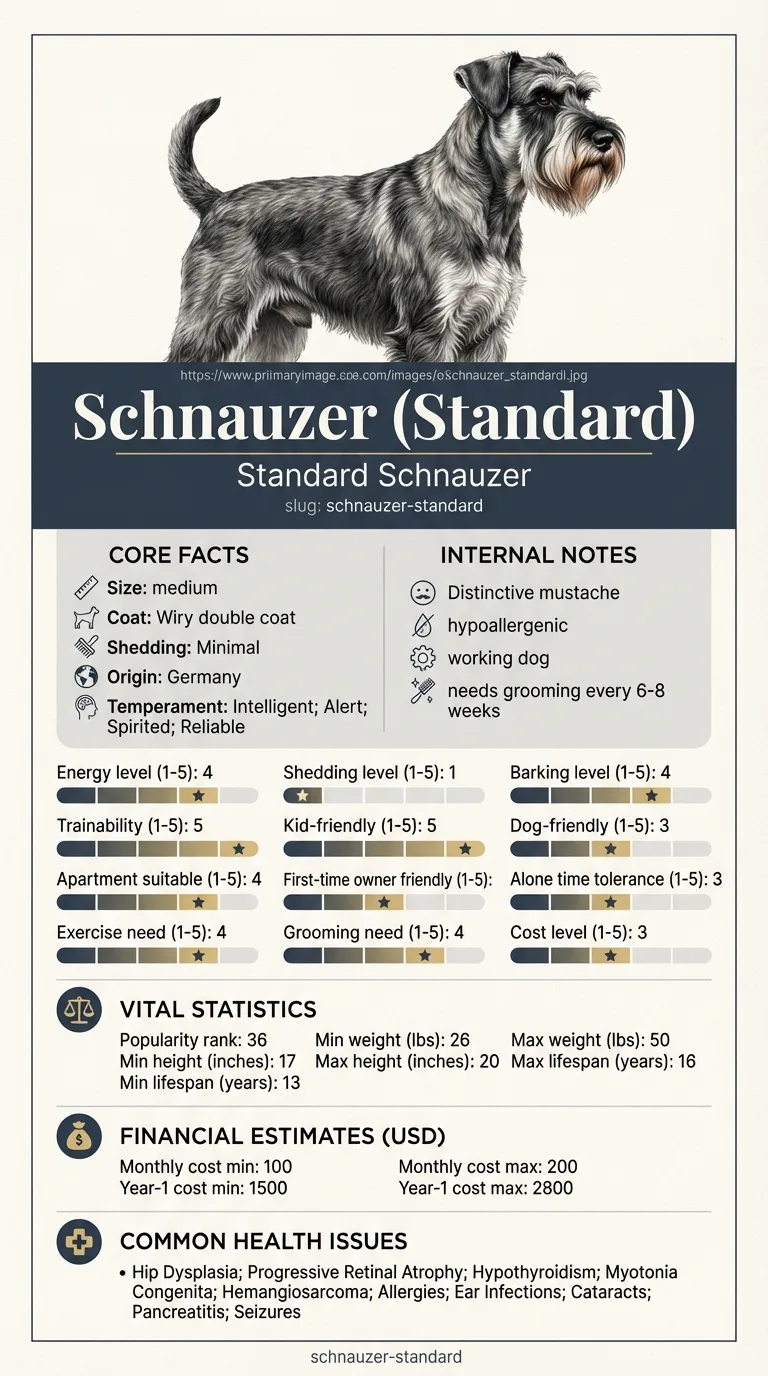
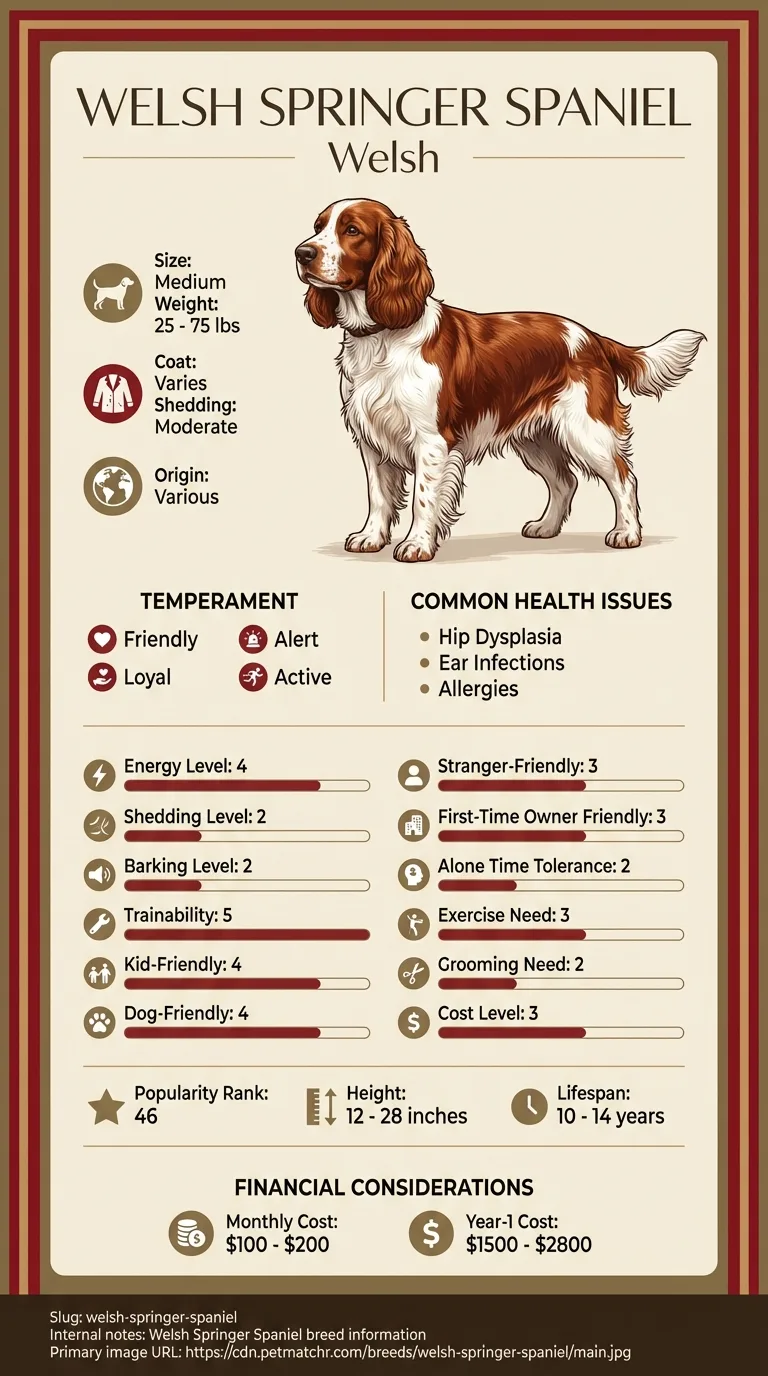
This is for someone already down to Schnauzer (Standard) and Welsh Springer Spaniel and deciding between them. For this pair the decision usually turns on apartment suitability and shedding, so those are covered first and in most detail. Anyone choosing from a flat has a clear answer here: Schnauzer (Standard) rates 4/5 against 2/5. The focus throughout is on daily consequences rather than breed background.
Between Schnauzer (Standard) and Welsh Springer Spaniel, apartment suitability is what separates them, and Schnauzer (Standard) is the lower-effort dog of the two to keep.
Choose Schnauzer (Standard) if you are in a flat or a smaller home, shedding is a problem in your house and the dog will be alone during the working day.
Choose Welsh Springer Spaniel if you do not want a standing grooming appointment and you already have another dog.
| Feature | schnauzer standard | welsh springer spaniel | Winner |
|---|---|---|---|
| Size class | medium | medium | Equal |
| Weight | 26–50 lbs | 35–55 lbs | Equal |
| Height | 17–20 in | 17–19 in | Equal |
| Lifespan | 13–16 years | 12–15 years | schnauzer standard |
| Exercise need | High (4/5) | High (4/5) | Equal |
| Grooming need | High (4/5) | Moderate (3/5) | welsh springer spaniel |
| Shedding | Very low (1/5) | Moderate (3/5) | schnauzer standard |
| Energy level | High (4/5) | High (4/5) | Equal |
| Barking | High (4/5) | Moderate (3/5) | welsh springer spaniel |
| Apartment suitability | High (4/5) | Low (2/5) | schnauzer standard |
| Good for first-time owners | Moderate (3/5) | Moderate (3/5) | Equal |
| Tolerates being alone | Moderate (3/5) | Low (2/5) | schnauzer standard |
| Trainability | Very high (5/5) | High (4/5) | schnauzer standard |
| Good with kids | Very high (5/5) | High (4/5) | schnauzer standard |
| Good with other dogs | Moderate (3/5) | High (4/5) | welsh springer spaniel |
| Friendly to strangers | Moderate (3/5) | Moderate (3/5) | Equal |
| Cost level | Moderate (3/5) | Moderate (3/5) | Equal |
| Coat | Wiry double coat | Medium, straight and water-resistant | Equal |
| Origin | Germany | Various | Equal |
| Typical monthly cost | $100–$200 | $100–$200 | Equal |
| Typical first-year cost | $1,500–$2,800 | $1,400–$2,900 | Equal |
Both dogs land in the medium bracket, but the details differ: the Standard Schnauzer runs 26–50 lbs and 17–20 inches, while the Welsh Springer Spaniel is a touch lighter and lower, at 35–55 lbs and 17–19 inches. Height is nearly identical, but the Spaniel's build — developed for flushing and retrieving game over rough terrain in Wales — tends toward a more athletic, leggy silhouette compared to the Schnauzer's squarer, sturdier German farm-dog frame. Neither breed dominates a small home, making size a relatively minor factor in this particular comparison compared to temperament and coat care.
Exercise need and energy level are ties here — both breeds rate High (4/5) on each — so this comparison doesn't turn on activity level the way some breed pairings do. Both were bred for demanding outdoor work, the Schnauzer as a farm guardian and the Welsh Springer as a flushing gundog, and both carry Energetic listed directly in their temperament traits. Owners should expect real daily exercise commitments with either dog: brisk walks, off-leash time, or games that engage their working instincts. Neither is a good fit for a sedentary lifestyle.
The Welsh Springer Spaniel is somewhat easier to groom, rating Moderate (3/5) against the Schnauzer's High (4/5), since its medium, water-resistant coat needs regular brushing but not the hand-stripping the Schnauzer's wiry coat demands. Shedding tells the opposite story: the Schnauzer's Very Low (1/5) rating beats the Spaniel's Moderate (3/5), meaning the Spaniel will leave noticeably more hair around the house despite its lighter grooming workload. Owners choosing based on allergies or fur-free furniture should lean Schnauzer; those who'd rather brush than clip should lean Spaniel.
The Schnauzer holds a clear edge in small-space living, rating High (4/5) for apartment suitability against the Spaniel's Low (2/5), and it tolerates being alone better too, Moderate (3/5) versus Low (2/5). Curiously, the more apartment-friendly Schnauzer actually barks more, rating High (4/5) against the Spaniel's Moderate (3/5) — so the Spaniel's struggles in small spaces stem more from its exercise needs and lower alone-tolerance than from noise. The Spaniel's Reserved-with-strangers trait can also mean more alert-barking at hallway sounds in shared buildings.
The Schnauzer rates Very High (5/5) for trainability against the Spaniel's still-solid High (4/5), and both share a Moderate (3/5) rating for first-time-owner suitability — a genuine tie in that category. The Spaniel's Even-tempered, Loyal nature makes it generally easy to work with, though its Reserved-with-strangers streak means socialization should start early to prevent shyness from hardening into wariness. The Schnauzer's Alert, Intelligent profile makes it slightly quicker to pick up commands. Either breed rewards a consistent training routine, and neither is considered a poor choice for a motivated new owner.
The Schnauzer edges ahead with kids, Very High (5/5) versus the Spaniel's High (4/5), but the Spaniel takes the lead with other dogs, High (4/5) against the Schnauzer's Moderate (3/5). Both rate Moderate (3/5) with strangers, though the Spaniel's Reserved-with-strangers temperament trait suggests it may need more time to warm up to new visitors than that number alone implies. Multi-dog households may find the Spaniel's more sociable canine-to-canine rating an advantage, while families prioritizing a rock-solid kid companion may lean toward the Schnauzer's slightly higher score.
The Schnauzer's 13–16 year lifespan outpaces the Welsh Springer Spaniel's 12–15 years. Both breeds share Hip Dysplasia, Ear Infections and Hypothyroidism as concerns, giving prospective owners a clear set of things to ask breeders about regardless of which dog they choose. Beyond the overlap, the Spaniel's shorter five-item list also includes Epilepsy and Glaucoma, while the Schnauzer's longer list adds Hemangiosarcoma, Pancreatitis, Seizures and Cataracts. The Spaniel's comparatively shorter documented health list doesn't necessarily mean fewer lifetime issues, but it does suggest a somewhat narrower set of well-documented breed-specific risks.
Both breeds rate Moderate (3/5) for overall cost with identical typical monthly spend of $100–$200. First-year costs run close too — $1,500–$2,800 for the Schnauzer versus $1,400–$2,900 for the Spaniel, meaning the Spaniel's range dips slightly lower at the bottom but climbs slightly higher at the top. In practice, the Schnauzer's costs concentrate more heavily in grooming appointments, while the Spaniel's spread more evenly across food, exercise gear and vet visits for its ear-infection-prone ears. Budget similarly for either breed, then adjust based on which specific line items matter most to your routine.
Schnauzer (Standard) weighs 26–50 lbs and lives 13–16 years; Welsh Springer Spaniel weighs 35–55 lbs and lives 12–15 years. The two diverge most on apartment suitability and shedding. They are level on cost level, energy level and exercise need, so those cannot decide it. The table below marks a winner only where one breed is genuinely easier for a typical owner; size and origin are facts rather than merits and stay level. Ratings come from one source applied to both breeds, so they are meaningful against each other rather than as absolute scores.

Neither — both rate High (4/5) for exercise need, so plan on real daily activity with either dog.
Yes, it rates Moderate (3/5) for grooming need versus the Schnauzer's High (4/5), though it sheds more.
The Standard Schnauzer, rated High (4/5) for apartment suitability against the Spaniel's Low (2/5).
It's Reserved with strangers per its temperament profile and rates only Moderate (3/5) for stranger-friendliness, so early socialization matters.
The Schnauzer, with a 13–16 year lifespan versus the Spaniel's 12–15 years.
The Welsh Springer Spaniel, rated High (4/5) versus the Schnauzer's Moderate (3/5).
Yes — both are prone to Hip Dysplasia, Ear Infections and Hypothyroidism.
The Standard Schnauzer, rated Very Low (1/5) versus the Spaniel's Moderate (3/5).
The Standard Schnauzer, rated High (4/5) versus the Spaniel's Moderate (3/5).
The Standard Schnauzer, rated Very High (5/5) versus the Spaniel's High (4/5).
Neither — both typically run $100–$200 per month.
Secure checkout on Stripe. We never see your card.
7-day money-back guarantee. Instant access.
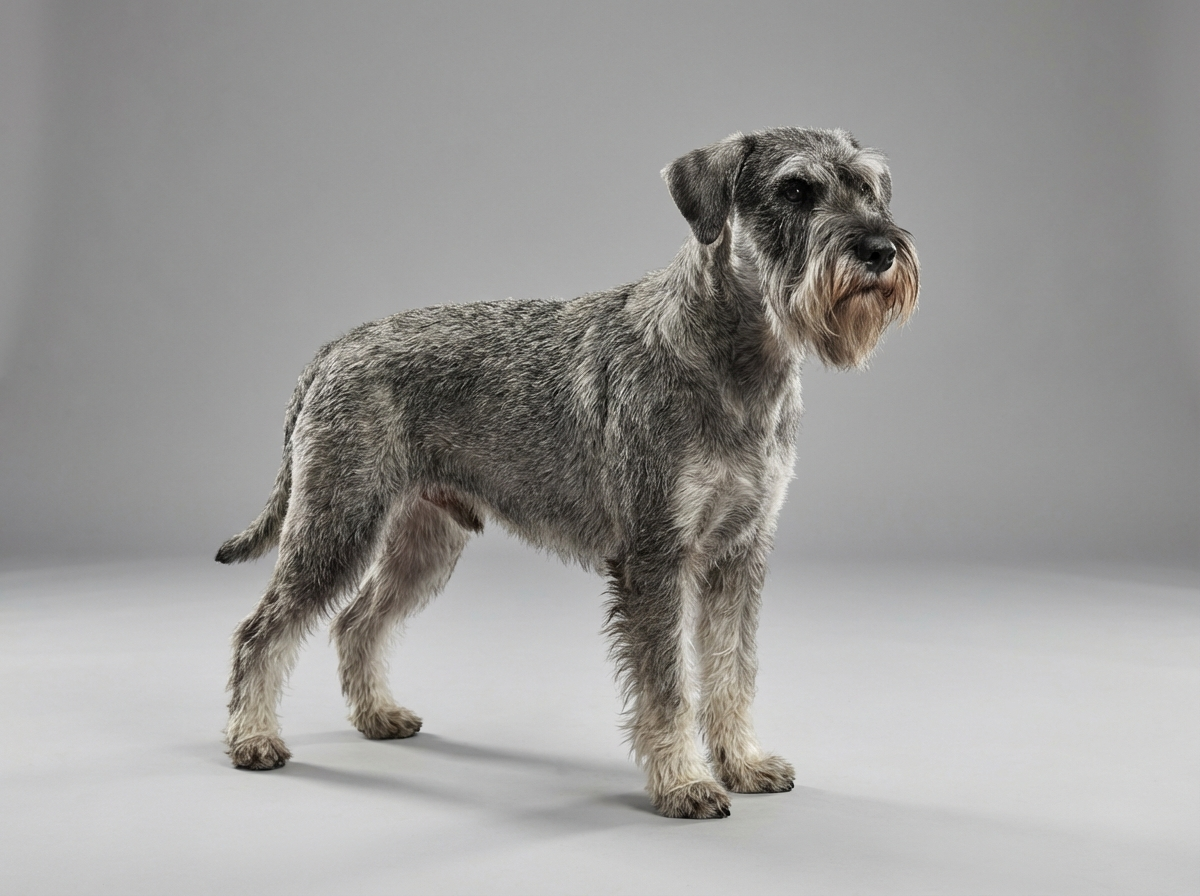
Health information here is general and is not veterinary advice. If your dog shows pain, sudden behaviour change, or worsening symptoms, consult a licensed veterinarian.
Some links on this site are affiliate links. We may earn a commission at no extra cost to you, and we only suggest products we believe are helpful for dog owners.
We research and check what we publish, but we do not warrant that any figure, date, price, or statement is accurate, complete, or current, and we accept no liability for any loss, cost, injury, or other harm arising from the use of this site. Use it as one reference among several. You remain responsible for your own decisions and for your dog's care - confirm anything that matters with a licensed veterinarian or another qualified professional before you act on it. Full disclaimer.
Match your lifestyle to the right dog.
Take quizNot sure which breed is right for you? Take our 2-minute quiz to find out.
Take the quiz