Health
Is cataracts a documented issue in this breed?
Not specifically, but glaucoma is documented for this breed, and general eye vigilance benefits catching cataracts too.

Quick answer
Is cataracts a documented issue in this breed?
Not specifically, but glaucoma is documented for this breed, and general eye vigilance benefits catching cataracts too.
This breed already carries a documented eye condition, glaucoma, which means owners tend to watch this breed's eyes more closely than most, and that habit pays off when it comes to catching cataracts early too.
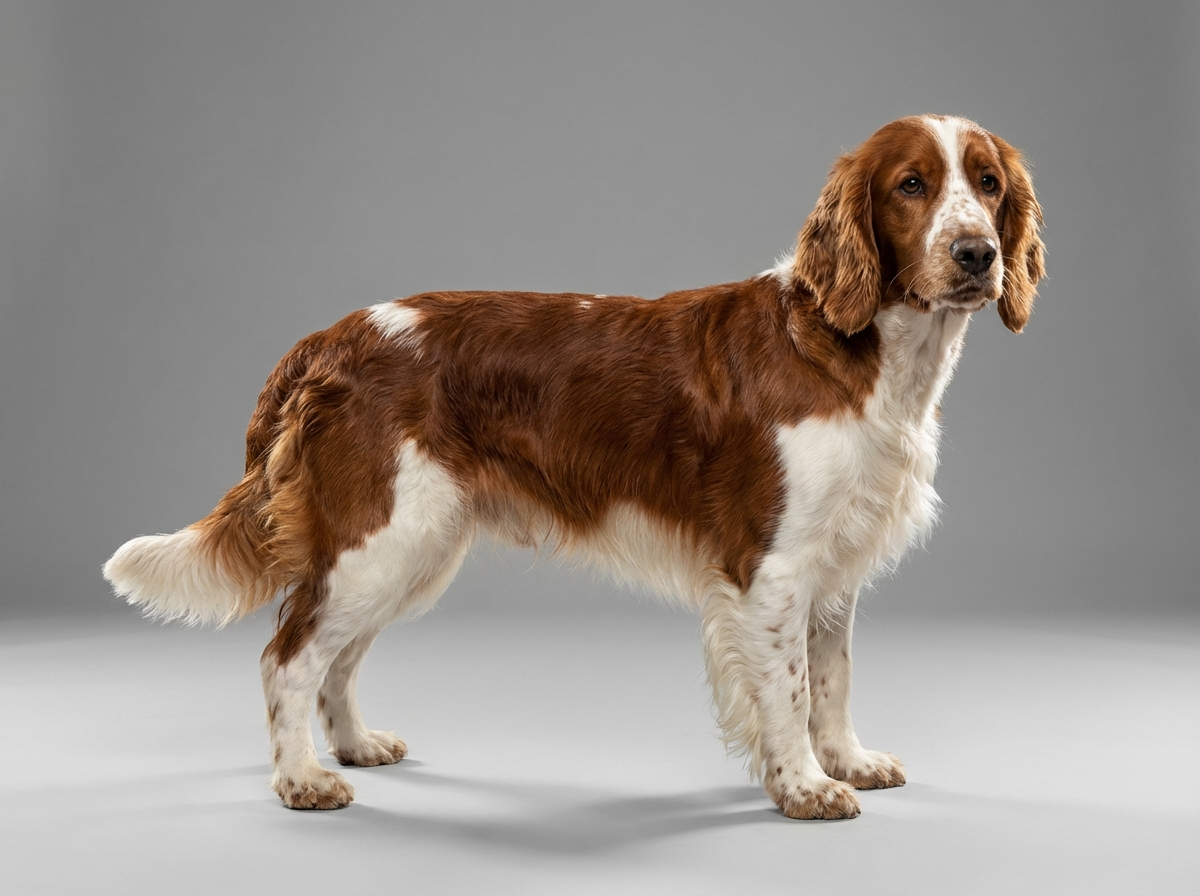
Owners of senior Welsh Springer Spaniels notice this most, since age-related cataracts are the most common form, though owners of younger dogs should still know the signs in case cataracts develop earlier.
This guide is not medical advice. If your dog shows pain, sudden behavior change, or worsening symptoms, consult a licensed veterinarian.
Some links may be affiliate links. We may earn a commission at no extra cost to you. We only suggest products we believe are helpful for dog owners.
A cataract is a clouding of the eye's normally clear lens, ranging from a small spot that barely affects vision to a dense opacity that significantly impairs it. It isn't specifically documented as a top issue for the Welsh Springer Spaniel, but the breed's documented vulnerability to glaucoma means owners are often already watching this breed's eyes closely, which helps with catching cataracts early too.
Cataracts aren't among the Welsh Springer Spaniel's five specifically documented health issues, but age-related cataracts are common across dog breeds broadly, and this breed's 12 to 15 year lifespan means many dogs live well into the age range where they can develop.
There's no documented breed-specific genetic predisposition to cataracts for the Welsh Springer Spaniel. The relevant breed connection is indirect: this breed's documented glaucoma risk means owners are more likely to already be checking the eyes regularly, which supports earlier detection of cataracts as well.
Diabetes is the most significant external driver of accelerated cataract development, along with any eye injury sustained during this breed's active, outdoor lifestyle. Otherwise, cataracts largely track with normal aging rather than a specific environmental exposure.
See your vet if you notice new cloudiness in one or both eyes, if your dog seems to be bumping into things or hesitating in dim light, or if the eye looks red, painful, or swollen alongside the cloudiness, which could suggest a more urgent complication rather than a simple cataract.
See all Welsh Springer Spaniel health problems, which breeds are prone to cataracts, or the full Welsh Springer Spaniel breed guide for temperament, exercise needs and ownership costs.
Cataract progression varies widely, some stay small and stable for years, others progress to significantly impair vision within months. Surgery, when appropriate, typically restores functional vision within a couple of weeks of recovery.
Success looks like catching cataracts early enough to make an informed decision about monitoring versus surgery, and adapting the home environment if vision loss does progress, rather than assuming nothing can be done.
Glaucoma is a documented health issue in the Welsh Springer Spaniel, and owners who are already checking their dog's eyes regularly for glaucoma's warning signs, redness, cloudiness, squinting, are in a good position to also catch a cataract developing, since both conditions can produce visible changes to how the eye looks.
Cataracts and glaucoma are different conditions with different mechanisms: a cataract is a clouding of the lens itself, while glaucoma is a buildup of pressure inside the eye. But they can occur together, and advanced, untreated cataracts can occasionally contribute to secondary glaucoma as lens material affects normal fluid drainage within the eye.
This overlap is exactly why any new cloudiness, however it looks, deserves a proper vet exam rather than a guess about which condition it is.
Understanding the stages helps explain why a vet might recommend monitoring at one visit and surgery consideration at the next.

Because Welsh Springer Spaniels carry a documented glaucoma risk, Elin had been checking her nine-year-old, Cadi, eyes regularly for years. During one check, she noticed a faint bluish spot in the corner of Cadi's left lens that hadn't been there a few months earlier. Her vet confirmed an early, incipient cataract, not yet affecting Cadi's vision meaningfully, and ruled out glaucoma and diabetes as underlying causes. Given the small size and stability at recheck three months later, they agreed to monitor rather than pursue surgery immediately. Elin now includes a close look at both eyes as part of her monthly at-home check, a habit she'd built around glaucoma vigilance that ended up catching something else entirely.
Key takeaway: A routine habit built around one documented eye condition ended up being exactly what caught a different, unrelated one early enough to have real options.
Cataracts aren't specifically documented as a top issue for this breed, but glaucoma is, and both are eye conditions worth watching for given this breed's demonstrated vulnerability in that area.
Age is the most common cause, but cataracts can also develop from diabetes, eye injury, or inherited factors in some breeds. A vet exam can help narrow down the likely cause in an individual dog.
Not always. Small, stable cataracts that aren't significantly affecting vision or comfort may simply be monitored. Surgery is generally considered when vision loss is significant or when the cataract risks causing secondary complications.
Cataract surgery is a specialized procedure typically performed by a veterinary ophthalmologist, and costs commonly range from $2,700 to $4,000 per eye depending on location and complexity.
Yes. Many older dogs develop a harmless bluish haze called lenticular sclerosis that looks similar but doesn't significantly affect vision the way a true cataract can. A vet exam is the only reliable way to tell the two apart.
Yes, diabetic dogs are at significantly higher risk of rapidly developing cataracts, sometimes within weeks of a diabetes diagnosis, which is one more reason routine bloodwork matters for older dogs.
Not specifically, but glaucoma is documented for this breed, and general eye vigilance benefits catching cataracts too.
A pale, bluish-white cloudiness in part or all of the lens, usually developing gradually over weeks or months.
No, small stable cataracts not significantly affecting vision or comfort can often be monitored rather than operated on.
Surgery performed by a veterinary ophthalmologist commonly costs $2,700 to $4,000 per eye.
Yes, diabetic dogs can develop cataracts rapidly, sometimes within weeks of diagnosis, making bloodwork monitoring valuable.
A one-page prep sheet for this condition: the signs, the questions to ask, what to get priced. Unlocks here.
You get: Vet visit prep sheet
No spam. One-click unsubscribe. See our privacy policy.
Preview page 1 before you decide.