Behavior
What are Shih Tzu bone & growth issues quick tips?
Ensure a balanced diet and regular vet check-ups to manage bone and growth issues in Shih Tzus.

Quick answer
What are Shih Tzu bone & growth issues quick tips?
Ensure a balanced diet and regular vet check-ups to manage bone and growth issues in Shih Tzus.
Shih Tzus can face bone and growth issues that affect their health and mobility. These problems often arise during their rapid growth phases.
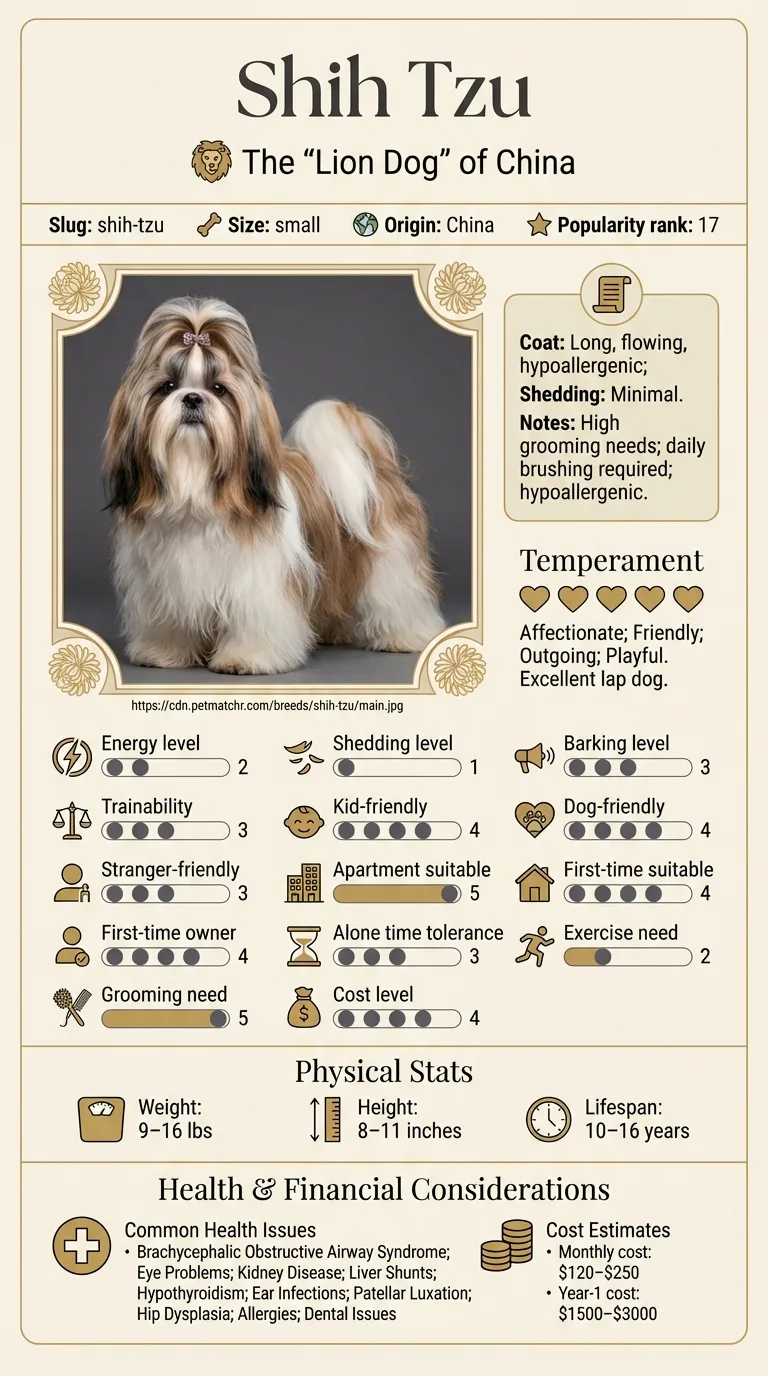
Typical owners who face these challenges include first-time pet parents and families with active children. They may notice their Shih Tzu limping or struggling with physical activities, prompting concern about their dog's health.
This guide is not medical advice. If your dog shows pain, sudden behavior change, or worsening symptoms, consult a licensed veterinarian.
Some links may be affiliate links. We may earn a commission at no extra cost to you. We only suggest products we believe are helpful for dog owners.
We research and check what we publish, but we do not warrant that any figure, date, price, or statement is accurate, complete, or current, and we accept no liability for any loss, cost, injury, or other harm arising from the use of this site. Use it as one reference among several. You remain responsible for your own decisions and for your dog's care - confirm anything that matters with a licensed veterinarian or another qualified professional before you act on it. Full disclaimer.
Check this first
Knowing when to act is crucial if your Shih Tzu has bone and growth issues. Some signs indicate you should call your vet immediately, while others allow for monitoring at home. Understanding the difference can save your pup's health and possibly their life.
If any of these apply, call your vet or an emergency clinic now. The rest of this page is for the cases that are not an emergency.
Shih Tzus can face bone and growth issues, especially during their early development. These problems often manifest as difficulty in movement, limping, or a reluctance to engage in play. If you notice your Shih Tzu showing signs of discomfort or hesitation, it could point toward underlying bone issues that need to be addressed.
Bone and growth issues are moderately common in Shih Tzus, particularly during their puppy phase. Many owners report some level of concern, especially with larger puppies. However, proactive care and regular vet check-ups can help mitigate these issues.
Shih Tzus are small dogs, which can make them more vulnerable to certain bone and growth issues. Their genetic makeup may lead to conditions like patellar luxation or hip dysplasia. Additionally, their brachycephalic nature can contribute to respiratory problems that affect overall growth.
Environmental factors such as diet and exercise play a significant role in bone health. If a Shih Tzu is overfed or lacks proper exercise, it may lead to obesity, putting extra strain on their bones. Poor living conditions or lack of socialization can also exacerbate growth issues.
If you notice any signs of pain, limping, or difficulty moving, it's crucial to talk to your vet. They can assess your dog's condition and recommend treatments or interventions to address bone and growth issues.
Avoiding common mistakes can help your Shih Tzu deal with bone and growth issues more effectively. Here are some behaviors to watch out for.
Start here: Shih Tzu Most Common Genetic Disorders: What to Screen For
See all Shih TZU health problems, which breeds are prone to bone growth issues, or the full Shih TZU breed guide for temperament, exercise needs and ownership costs.
If you start addressing Shih Tzu bone & growth issues promptly, you can expect to see improvements in about 6 to 12 weeks with consistent care and follow-up with your vet.
Success means your Shih Tzu shows improved mobility and strength, engages in play without discomfort, and maintains a healthy weight as they grow.
When Sarah adopted Bella, her Shih Tzu, she noticed Bella struggled to keep up during walks and seemed hesitant to jump onto the couch. After consulting a vet, Sarah learned that Bella had some minor bone growth issues. Determined to help her pup, Sarah followed a tailored exercise plan and focused on a balanced diet. After several weeks of consistent training and care, Bella regained her confidence and now happily joins Sarah on their outdoor adventures.
Key takeaway: Early intervention and a solid plan can make a significant difference in managing Shih Tzu bone & growth issues, helping your furry friend lead an active, happy life.
Shih Tzus can experience bone and growth issues due to their small size and specific genetic predispositions. Rapid growth during puppyhood can lead to developmental problems, particularly if their diet is not well-balanced. Regular vet check-ups can help identify these issues early.
To address bone and growth issues in Shih Tzus, ensure they receive a balanced diet rich in nutrients. Regular exercise is also crucial to promote healthy bone development. Consult your vet about appropriate dietary supplements if needed.
Signs of bone and growth issues can include limping, difficulty in movement, or noticeable pain when touched. You may also notice changes in their posture or reluctance to engage in play. If you observe these signs, a trip to the vet is necessary.
Training a Shih Tzu with bone and growth issues should focus on gentle exercises that do not strain their joints. Positive reinforcement techniques work well, and activities like short walks or mild play can help. Avoid high-impact activities until you consult your vet.
To support your Shih Tzu's bone health, provide a balanced diet with essential vitamins and minerals. Regular vet visits to monitor their growth and health are also important. Additionally, consider joint supplements if recommended by your vet.
Yes, genetics can play a significant role in bone and growth issues for Shih Tzus. Certain genetic traits can predispose them to conditions like patellar luxation or hip dysplasia. Responsible breeding practices can help reduce these risks.
For older Shih Tzus, maintaining a healthy weight is crucial, as excess weight can exacerbate bone issues. Gentle exercise, along with supplements recommended by your vet, can also help support their joint health.
Even with a balanced diet, genetic factors can play a significant role in bone and growth issues. Some Shih Tzus may be predisposed to conditions like hip dysplasia or patellar luxation, so regular vet check-ups are essential.
Treatments for bone and growth issues in Shih Tzus may include medication for pain relief, physical therapy, or even surgery in severe cases. Always consult with your vet to determine the best course of action.
Ensure a balanced diet and regular vet check-ups to manage bone and growth issues in Shih Tzus.
Focus on gentle exercises and positive reinforcement training methods to accommodate their needs.
Look for limping, reluctance to play, or pain when touched as signs of bone health issues.
A one-page prep sheet for this condition: the signs, the questions to ask, what to get priced. Unlocks here.
You get: Vet visit prep sheet
No spam. One-click unsubscribe. See our privacy policy.
Preview page 1 before you decide.