DogBreedCompass
← Back to breed profile

Understanding Jack Russell Terrier Bone & Growth Issues

Jack Russell Terriers can face bone and growth issues that affect their health and mobility. Understanding these challenges is crucial for their well-being. (Jack Russell Terrier bone & growth issues)

Understanding Jack Russell Terrier Bone & Growth Issues infographic

Typically, owners of Jack Russell Terriers, especially first-time dog parents, may struggle with these issues. Busy families or individuals may find it challenging to manage their pup's health needs effectively.

Important reminder

This guide is not medical advice. If your dog shows pain, sudden behavior change, or worsening symptoms, consult a licensed veterinarian.

Some links may be affiliate links. We may earn a commission at no extra cost to you. We only suggest products we believe are helpful for dog owners.

What this problem looks like

Jack Russell Terriers can face bone and growth issues that impact their overall health and mobility. These problems often manifest as joint pain, limping, or difficulty with physical activities. Owners may notice their JRT avoiding stairs or experiencing discomfort during playtime, which can be concerning for any dog lover.

Common triggers

  • Rapid growth during puppyhood
  • Genetic predispositions to certain skeletal issues
  • Inadequate nutrition or imbalanced diets
  • Excessive exercise or high-impact activities

Bone and growth issues are relatively common in Jack Russell Terriers, especially if they experience rapid growth or are not properly managed during their formative years. Awareness and early intervention can help reduce the prevalence and severity of these issues.

Why this happens

Breed factors

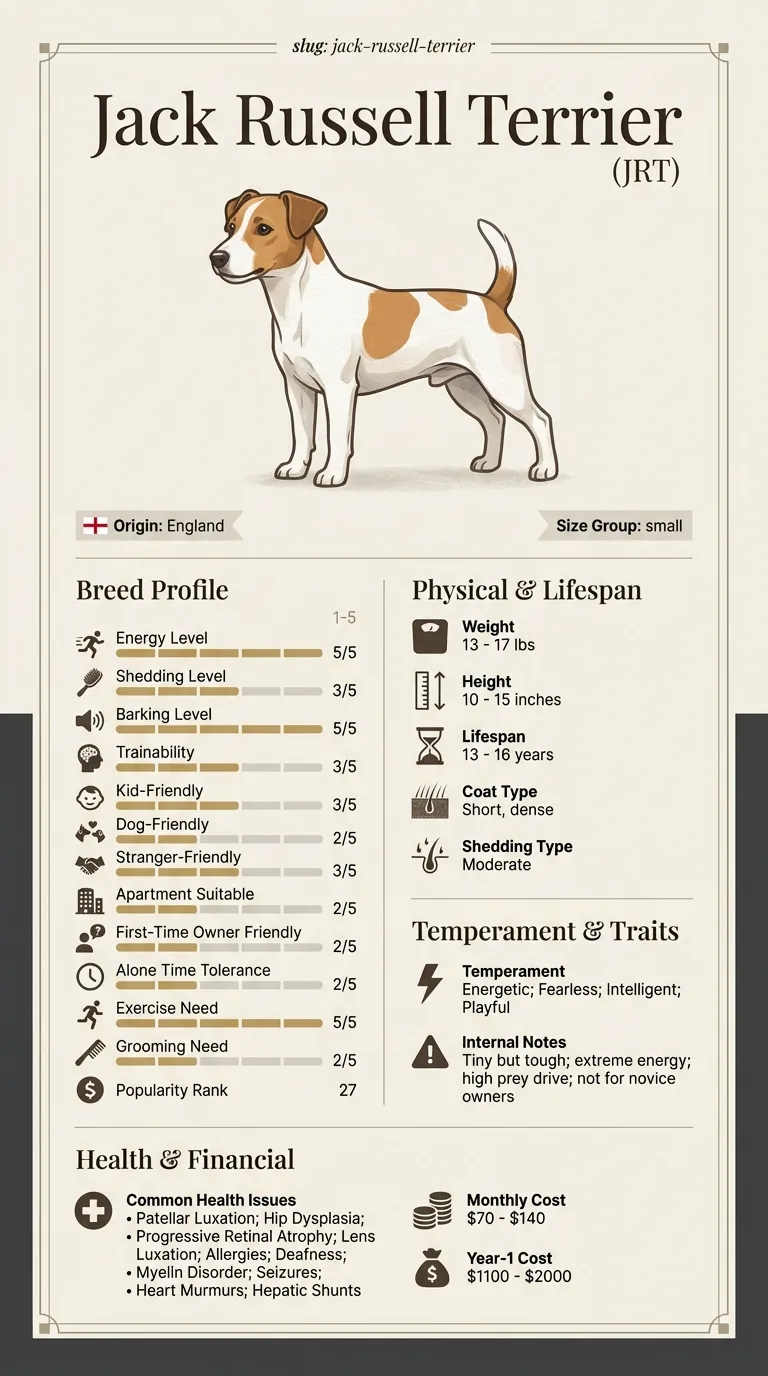
Jack Russell Terriers (JRTs) are small, energetic dogs that can experience bone and growth issues due to their rapid growth during puppyhood. Their genetic predisposition can lead to conditions like patellar luxation and hip dysplasia, which affect their skeletal development. As active dogs, they are also prone to injuries that can complicate their growth.

Environment factors

The environment plays a significant role in bone growth. If a JRT does not get the right balance of exercise and nutrition, growth issues can arise. Overexertion or inadequate support during their formative months can lead to joint stress and developmental problems.

What you can try

At-home strategies

  • Ensure a balanced diet rich in essential nutrients, particularly calcium and protein, to support healthy bone growth.
  • Limit high-impact activities until they are fully grown, usually around 12-18 months. Opt for gentle play and short walks instead.
  • Monitor your JRT's weight to prevent obesity, which can strain their joints and exacerbate bone issues.
  • Provide a comfortable and supportive sleeping area to help your dog rest properly and avoid joint stress.

When to consider a trainer

If your JRT shows persistent signs of discomfort or difficulty in movement, consider consulting a trainer specializing in canine behavior. They can help modify activities to prevent further strain and ensure proper training techniques are used.

When to talk to your vet

If you notice symptoms like limping, swelling, or lethargy, it's crucial to consult a vet. They can perform a thorough examination and recommend appropriate treatments or interventions for bone and growth issues.

Realistic expectations

You may start to see improvements in your Jack Russell Terrier's bone and growth issues within 4 to 6 weeks of consistent training and dietary adjustments.

Success looks like your JRT showing better mobility, less discomfort, and a healthier growth rate. Regular vet check-ups will confirm these positive changes.

Mistakes that make this worse

Many owners unknowingly make common mistakes that can worsen Jack Russell Terrier bone and growth issues. Here are some behaviors to avoid and safer alternatives to consider.

  • Neglecting to monitor diet: Overfeeding can lead to obesity, which stresses bones and joints. Instead, provide a balanced diet tailored to your Jack Russell's age and size.
  • Skipping regular vet visits: Failing to get routine check-ups can delay the detection of growth issues. Schedule regular appointments to monitor your dog's growth and health.
  • Ignoring exercise needs: Lack of proper exercise can lead to weak bones and obesity. Ensure your Jack Russell gets sufficient physical activity through daily walks and playtime.
  • Using improper training techniques: Harsh training methods can increase stress and anxiety, affecting growth. Use positive reinforcement techniques for better results.
  • Allowing excessive jumping or rough play: This can strain developing bones. Create controlled play environments to minimize risks while still allowing fun.
  • Failing to provide proper supplements: Without the right nutrients, bones can weaken. Consult your vet about possible supplements that could support bone health.

When Jack Russell Terrier Bone & Growth Issues Are an Emergency

Emergency signs include limping, inability to bear weight, or severe pain when touched. Additionally, if your dog is showing swelling in the joints or bones, or if there are sudden changes in appetite or behavior, these are all reasons to seek immediate veterinary care. Other urgent symptoms may include difficulty breathing or lethargy.

In contrast, mild cases of bone and growth issues can often be monitored at home. If your Jack Russell Terrier shows slight limping after exercise or seems a bit stiff after playtime, you can usually keep an eye on it. Regular check-ins with your vet can help track these issues, and providing a balanced diet can support healthy growth.

If your dog is just slightly off or if the symptoms are mild, create a watch-and-wait plan. Monitor their behavior and mobility closely, and consider adjusting their exercise routine. If the condition doesn't improve in a few days or worsens, then it's time to schedule a vet visit. Remember, it's always better to err on the side of caution when it comes to your dog's health.

Understanding Jack Russell Terrier Bone & Growth Issues - When Jack Russell Terrier Bone & Growth Issues Are an Emergency

A Journey with Bella: Tackling Bone Growth Issues

When Sarah adopted Bella, her energetic Jack Russell Terrier, she quickly noticed that Bella was limping after playtime. Concerned, Sarah took Bella to the vet, who diagnosed her with bone growth issues. With a combination of guided exercise, proper nutrition, and consistent training, Sarah learned to manage Bella's condition. She adjusted Bella's activity levels and focused on strengthening exercises that were gentle on her joints. Within a few months, Bella was not only playing more comfortably but also enjoying a happier, healthier life.

Key takeaway: With proper care and training, you can effectively manage bone and growth issues in your Jack Russell Terrier, leading to a happier and healthier companion.

Frequently asked questions

Why does my Jack Russell Terrier have bone & growth issues?

Jack Russell Terriers may experience bone and growth issues due to rapid growth during their early development. Factors such as genetics, nutrition, and exercise can all play a role. It's essential to monitor their growth and consult a vet if you notice any unusual symptoms.

How can I stop Jack Russell Terrier bone & growth issues?

To help prevent bone and growth issues, ensure your Jack Russell Terrier has a balanced diet rich in nutrients. Regular exercise is crucial, but avoid high-impact activities until they are fully grown. Routine vet check-ups will also help catch any potential problems early.

What are the signs of bone & growth issues in Jack Russell Terriers?

Common signs include limping, reluctance to exercise, and visible discomfort during movement. If your Jack Russell Terrier shows any of these behaviors, consult your veterinarian as soon as possible. Early detection can lead to better treatment outcomes.

Are certain Jack Russell Terriers more prone to bone & growth issues?

Yes, genetics can influence the likelihood of bone and growth issues. Some lines may have a higher incidence of health issues like hip dysplasia or patellar luxation. Researching your dog's lineage and getting a health screening can provide insights.

What role does diet play in Jack Russell Terrier bone & growth issues?

A proper diet is vital for healthy bone development in Jack Russell Terriers. Ensure they receive adequate calcium and phosphorus ratios, especially during their growth phase. Consult your vet for recommendations on high-quality dog food that meets these needs.

What are the signs of bone & growth issues in a Jack Russell Terrier?

Signs of bone and growth issues in a Jack Russell Terrier can include limping, difficulty in movement, or noticeable swelling in the joints. If your JRT seems to be in pain while playing or is less active than usual, it’s important to consult a vet.

How can I help my older Jack Russell Terrier with bone & growth issues?

For older Jack Russell Terriers, maintaining a healthy weight and providing gentle exercise can help alleviate some bone and growth issues. Additionally, consider supplements recommended by your vet to support joint health.

Are there specific training methods to manage bone & growth issues in Jack Russell Terriers?

Yes, using positive reinforcement training techniques can help your Jack Russell Terrier learn commands without overexerting themselves. Short, rewarding training sessions can be more effective and prevent stress on their joints.

When should I take my Jack Russell Terrier to the vet for bone & growth issues?

If you notice consistent signs like limping, reluctance to jump or run, or any signs of discomfort, you should take your Jack Russell Terrier to the vet. Early intervention can make a significant difference in managing bone and growth issues.

Can diet play a role in Jack Russell Terrier bone & growth issues?

Absolutely! A balanced diet with appropriate nutrients can support your Jack Russell Terrier’s bone health. Consult your vet for dietary recommendations that may help with their specific growth issues.

Quick answers

View more answers
Behavior

What are quick tips for Jack Russell Terrier bone & growth issues?

Monitor your dog's weight and growth rate closely. Ensure they have a balanced diet and get regular exercise suitable for their age. Always consult your vet if you notice any signs of discomfort.

Living

How much should I exercise my Jack Russell Terrier to avoid bone issues?

Aim for at least 30 to 60 minutes of exercise daily, but adjust based on their age and health. Avoid strenuous activities until they are fully grown to prevent injuries.

Health

What vet check-ups are essential for Jack Russell Terriers?

Regular check-ups should include growth assessments and screenings for common health issues. Discuss any concerns about bone development with your vet during these visits.

Related DogBreedCompass guides

  • Jack Russell Terrier bone & growth issues trainingUnderstanding bone growth issues can help you manage your Jack Russell Terrier's health better.
  • Jack Russell Terrier behavior problemsLearn how to address common behavior problems in Jack Russell Terriers, which can be related to their energy levels.
  • Jack Russell Terrier separation anxiety guideIf your Jack Russell has separation anxiety, this guide can provide useful strategies.
  • Jack Russell Terrier cost breakdownExplore the first-year costs associated with owning a Jack Russell Terrier to budget for their needs.
  • how to stop Jack Russell Terrier bone & growth issuesDiscover effective training techniques to help prevent bone and growth issues in Jack Russell Terriers.

Related guides