Behavior
What are quick tips for managing Shih Tzu pancreatitis?
Keep your Shih Tzu on a low-fat diet and avoid human food. Regular vet visits are essential for monitoring health. Ensure they get enough exercise to maintain a healthy weight.

Quick answer
What are quick tips for managing Shih Tzu pancreatitis?
Keep your Shih Tzu on a low-fat diet and avoid human food. Regular vet visits are essential for monitoring health. Ensure they get enough exercise to maintain a healthy weight.
Shih Tzu pancreatitis is a serious condition that can affect your dog's health and happiness.
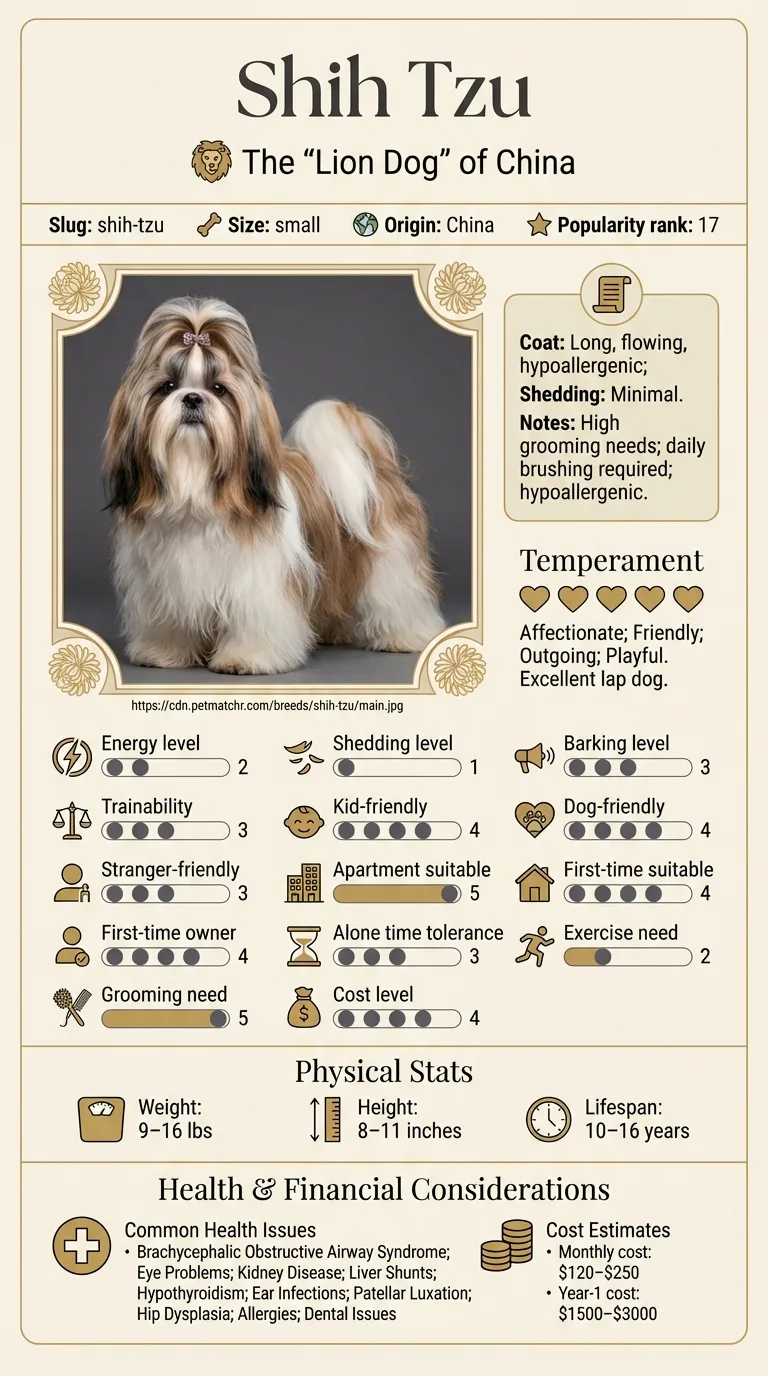
Owners of Shih Tzus, especially those who are new to the breed or have never dealt with pancreatitis before, may find themselves confused and worried. Busy families or individuals with limited experience in dog care might struggle the most with recognizing symptoms and knowing how to respond.
This guide is not medical advice. If your dog shows pain, sudden behavior change, or worsening symptoms, consult a licensed veterinarian.
Some links may be affiliate links. We may earn a commission at no extra cost to you. We only suggest products we believe are helpful for dog owners.
We research and check what we publish, but we do not warrant that any figure, date, price, or statement is accurate, complete, or current, and we accept no liability for any loss, cost, injury, or other harm arising from the use of this site. Use it as one reference among several. You remain responsible for your own decisions and for your dog's care - confirm anything that matters with a licensed veterinarian or another qualified professional before you act on it. Full disclaimer.
Check this first
Pancreatitis can be a serious condition for Shih Tzus. It's essential to know when to call your vet versus when you can monitor the situation at home. If your Shih Tzu shows any red-flag symptoms, it's crucial to get them to a vet immediately.
If any of these apply, call your vet or an emergency clinic now. The rest of this page is for the cases that are not an emergency.
Shih Tzu pancreatitis is a serious condition that can lead to inflammation of the pancreas. This often results in symptoms like vomiting, diarrhea, and abdominal pain. Owners may notice their Shih Tzu being lethargic or refusing food, which can be alarming.
Pancreatitis is relatively common in Shih Tzus, especially among those with a history of dietary issues or obesity. Many owners report experiencing this at least once during their pet's life, making it an important concern for Shih Tzu parents.
Shih Tzus are prone to certain health issues because of their unique genetic makeup. Their small size can contribute to a higher risk of pancreatitis, especially if they have a history of obesity or dietary indiscretion. Additionally, their affectionate nature may lead them to beg for scraps, increasing their chances of overeating.
Environmental factors can also play a big role in causing pancreatitis. If a Shih Tzu has access to rich, fatty foods, or if their diet is inconsistent, it can trigger inflammation in the pancreas. Stressful situations, such as changes in routine or household dynamics, can further exacerbate their health problems.
If you notice symptoms like vomiting, diarrhea, or lethargy, contact your vet immediately. Regular check-ups are also crucial, especially if your Shih Tzu has a history of pancreatitis or other health problems.
Avoiding certain common mistakes can help manage Shih Tzu pancreatitis more effectively. Here are some behaviors to steer clear of.
Start here: Shih Tzu Most Common Genetic Disorders: What to Screen For
See all Shih TZU health problems, which breeds are prone to pancreatitis, or the full Shih TZU breed guide for temperament, exercise needs and ownership costs.
Managing Shih Tzu pancreatitis typically takes several weeks to months, depending on the severity of the condition and the owner's commitment to dietary and lifestyle changes.
Success means your Shih Tzu has a stable weight, improved energy levels, and fewer or no flare-ups of pancreatitis symptoms.
Look for these signs that require immediate veterinary attention: - Severe vomiting or diarrhea - Lethargy or weakness - Abdominal pain (e.g., whining when touched) - Rapid breathing or heart rate - Loss of appetite for more than a day - Dehydration (e.g., dry gums, excessive thirst)

If your Shih Tzu has mild symptoms like occasional vomiting or slight lethargy, you may choose to monitor them. Ensure they stay hydrated and offer bland food after a fasting period. If symptoms persist or worsen, contact your vet.

When Sarah adopted Bella, her Shih Tzu, she was thrilled. However, Bella soon developed pancreatitis, causing her to vomit and lose weight rapidly. After a vet visit, Sarah learned that Bella needed a special diet and a more structured feeding schedule. It wasn’t easy—she spent months researching low-fat dog food and learning how to prepare meals at home. With patience and consistency, Bella gradually regained her strength. Now, after six months, she’s thriving on her new diet and has become the playful pup Sarah always wanted.
Key takeaway: With the right diet and care, managing Shih Tzu pancreatitis is possible, allowing your dog to enjoy a happy and healthy life.
Shih Tzus can develop pancreatitis due to several factors, including a high-fat diet, obesity, and certain medications. Stress and underlying health issues can also contribute. Monitoring their diet and weight is crucial to prevent this condition. This answer relates to Shih Tzu pancreatitis.
To prevent pancreatitis, ensure your Shih Tzu has a balanced diet low in fat. Regular exercise and maintaining a healthy weight are vital. Avoid giving them table scraps or high-fat treats.
Mild cases of pancreatitis may require dietary changes and rest at home, but always consult your vet first. Severe cases often need medical treatment and hospitalization. Never self-diagnose or treat without professional help.
Yes, pancreatitis can be serious and even life-threatening if not treated promptly. Ongoing management and dietary adjustments are essential for recovery. Regular vet check-ups can help monitor their condition.
Yes, a Shih Tzu can recover from pancreatitis, especially with early intervention and proper care. Treatment often involves a special diet, medications, and monitoring by a veterinarian. Recovery time can vary based on the severity of the condition.
While pancreatitis is not strictly hereditary, certain breeds, including Shih Tzus, may be predisposed to it due to genetic factors. It’s important to maintain a healthy diet and lifestyle to minimize risks. Regular vet check-ups can help catch issues early.
To prevent pancreatitis in your Shih Tzu, ensure they have a balanced diet low in fatty foods. Regular exercise and maintaining a healthy weight also play a crucial role. Avoid sudden changes in diet and consult your vet for tailored dietary advice.
If your Shih Tzu shows signs of pancreatitis, such as vomiting, diarrhea, or abdominal pain, you should take them to the vet immediately. Even if symptoms seem mild, early intervention can prevent more serious complications down the line.
Keep your Shih Tzu on a low-fat diet and avoid human food. Regular vet visits are essential for monitoring health. Ensure they get enough exercise to maintain a healthy weight.
Avoid high-fat foods, dairy, and rich treats. Stick to vet-recommended diets specifically designed for dogs with pancreatitis. Always check with your vet before introducing new foods.
Implement a balanced diet and regular exercise routine. Consult your vet for a weight loss plan tailored to your Shih Tzu’s needs. Gradual changes are best for lasting results.
If your Shih Tzu has severe vomiting, lethargy, or signs of abdominal pain, seek veterinary care promptly. These symptoms can indicate a serious condition requiring immediate intervention.
A one-page prep sheet for this condition: the signs, the questions to ask, what to get priced. Unlocks here.
You get: Vet visit prep sheet
No spam. One-click unsubscribe. See our privacy policy.
Preview page 1 before you decide.