Health
What are quick tips for Shih Tzu kidney disease?
Ensure your Shih Tzu stays hydrated and feed them a vet-recommended diet. Regular vet visits are essential for monitoring their kidney function.

Quick answer
What are quick tips for Shih Tzu kidney disease?
Ensure your Shih Tzu stays hydrated and feed them a vet-recommended diet. Regular vet visits are essential for monitoring their kidney function.
Shih Tzu kidney disease can be a serious concern for pet owners. Recognizing the signs early can make a big difference in your dog's health.
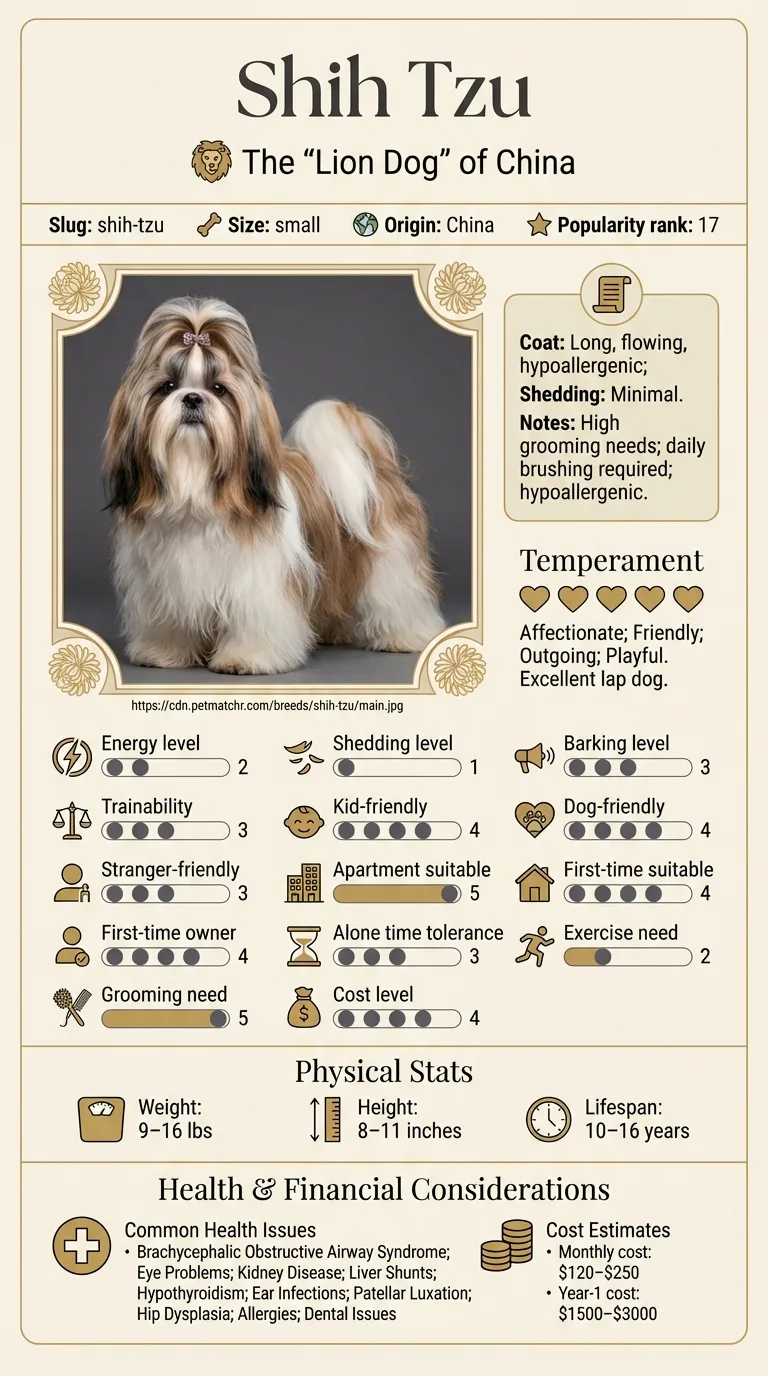
Many Shih Tzu owners, especially first-time pet parents, struggle with understanding kidney disease. Busy families and individuals may find it challenging to spot the subtle signs of this health issue. This guide aims to help you navigate the challenges and keep your furry friend healthy.
This guide is not medical advice. If your dog shows pain, sudden behavior change, or worsening symptoms, consult a licensed veterinarian.
Some links may be affiliate links. We may earn a commission at no extra cost to you. We only suggest products we believe are helpful for dog owners.
We research and check what we publish, but we do not warrant that any figure, date, price, or statement is accurate, complete, or current, and we accept no liability for any loss, cost, injury, or other harm arising from the use of this site. Use it as one reference among several. You remain responsible for your own decisions and for your dog's care - confirm anything that matters with a licensed veterinarian or another qualified professional before you act on it. Full disclaimer.
Check this first
Shih Tzu kidney disease can be serious, and knowing when to seek immediate help is crucial. Some symptoms indicate an emergency, and it's essential to act quickly. If your Shih Tzu shows any of the following red-flag signs, call your vet immediately: sudden vomiting, severe lethargy, difficulty breathing, or blood in urine. These symptoms suggest a critical condition that needs urgent care.
On the other hand, not every sign requires immediate action. If your Shih Tzu is drinking more water than usual, has slight weight loss, or seems a bit more tired, these could be early signs of kidney issues. In these cases, monitor your dog closely and consult your vet for a plan. Regular check-ups can help catch small problems before they become serious.
Understanding how to differentiate between emergencies and mild cases can save your dog's life. Always trust your instincts; if something feels off, it’s better to be safe than sorry. Your vet can provide guidance on managing your Shih Tzu's kidney health effectively.
If any of these apply, call your vet or an emergency clinic now. The rest of this page is for the cases that are not an emergency.
Shih Tzu kidney disease is a serious health concern that can affect your furry friend as they age. This progressive condition often shows up through increased thirst and urination, weight loss, and lethargy. It's common for Shih Tzus due to their genetic predisposition, making it crucial for owners to stay vigilant.
Kidney disease is relatively common in Shih Tzus, especially as they reach their senior years. Approximately 10-15% of Shih Tzus may develop this condition, highlighting the importance of regular veterinary check-ups and monitoring.
Shih Tzus are prone to specific health issues, including kidney disease. This breed's genetic makeup can make them more susceptible to kidney problems as they age. Their small size can also lead to a higher risk of certain organ-related issues.
Environmental factors like diet and hydration play a significant role in kidney health. Poor nutrition or lack of access to fresh water can exacerbate kidney issues. Additionally, exposure to toxins or medications not suited for their size may contribute to the development of kidney disease.
If your Shih Tzu shows signs of kidney disease, such as increased thirst, frequent urination, or lethargy, contact your vet immediately. Regular check-ups are important, especially for breeds prone to specific health issues.
Avoiding these common mistakes can help improve your Shih Tzu's kidney health.
Start here: Shih Tzu Most Common Genetic Disorders: What to Screen For
See all Shih TZU health problems, which breeds are prone to kidney disease, or the full Shih TZU breed guide for temperament, exercise needs and ownership costs.
Managing Shih Tzu kidney disease typically requires ongoing monitoring and treatment adjustments over several months. Many owners notice gradual improvements within 4-6 weeks of starting a proper diet and medication.
Success means stabilizing your dog's condition, maintaining a good quality of life, and preventing further kidney damage. Regular vet check-ups will help ensure your Shih Tzu stays comfortable and healthy.
Ella, a busy nurse living in Boston, noticed her Shih Tzu, Max, was losing weight and drinking excessive water. After a vet visit, she learned Max had kidney disease. Initially overwhelmed, Ella researched dietary changes and started a low-protein diet with vet-approved supplements. With consistent vet visits and careful monitoring, Max regained energy and started playing again. Ella also learned to manage his anxiety during vet visits, using calming techniques she found online.
Key takeaway: With patience and the right guidance, managing Shih Tzu kidney disease is possible. Focus on diet, regular vet check-ups, and anxiety management techniques to help your dog thrive.
Shih Tzus can develop kidney disease due to various factors, including genetics, age, and diet. Older dogs are particularly at risk, as kidney function naturally declines with age. Regular vet visits can help catch early signs and manage the disease.
To help manage your Shih Tzu's kidney disease, focus on a special diet approved by your vet that is low in protein and phosphorus. Regular hydration is crucial, so encourage your dog to drink more water. Monitoring their health closely and following your vet's advice is essential.
Symptoms of kidney disease in Shih Tzus may include increased thirst, frequent urination, loss of appetite, and lethargy. You might also notice weight loss and vomiting. If you observe these signs, consult your vet as soon as possible.
While training won't cure kidney disease, it can help reduce stress and improve your dog's overall well-being. Gentle training exercises can keep your Shih Tzu engaged and active, which is beneficial for their health. Avoid strenuous activities that can overexert them.
The life expectancy of a Shih Tzu with kidney disease varies based on the stage of the disease and how well it is managed. With proper care and early intervention, many dogs can live comfortably for years. Regular veterinary check-ups are vital for monitoring their condition.
Early signs of kidney disease in a Shih Tzu can include increased thirst, frequent urination, and weight loss. You might also notice changes in appetite and energy levels. If you observe these symptoms, it’s important to consult your vet.
A special diet can help manage Shih Tzu kidney disease by reducing protein and phosphorus intake. This can relieve stress on the kidneys and improve your dog’s quality of life. Always work with your vet to create an appropriate meal plan.
If your Shih Tzu shows signs like vomiting, lethargy, or significant changes in drinking habits, it's crucial to see a vet immediately. Regular check-ups are also important, especially as they age. Early detection can lead to better management of kidney disease.
Yes, older Shih Tzus are at a higher risk of developing kidney disease. As dogs age, their organs may become less efficient. Regular vet visits can help catch any potential issues early.
While you can't completely prevent kidney disease, maintaining a healthy diet, regular exercise, and routine veterinary check-ups can reduce risks. Staying vigilant about hydration and nutrition can also help your Shih Tzu remain healthy longer.
Ensure your Shih Tzu stays hydrated and feed them a vet-recommended diet. Regular vet visits are essential for monitoring their kidney function.
Yes, look for low-protein and low-phosphorus diets specifically formulated for kidney health. Your vet can recommend suitable brands.
Regular check-ups every 6 to 12 months are recommended for monitoring kidney health. More frequent visits may be needed depending on your dog's condition.
Yes, but keep training sessions gentle and short to avoid overexertion. Focus on rewarding calm behaviors for positive training experiences.
A one-page prep sheet for this condition: the signs, the questions to ask, what to get priced. Unlocks here.
You get: Vet visit prep sheet
No spam. One-click unsubscribe. See our privacy policy.
Preview page 1 before you decide.