Behavior
What are quick tips for Yorkshire Terrier bone & growth issues?
Monitor their weight and ensure a balanced diet to support healthy growth. Regular vet check-ups are crucial for identifying any issues early.

Quick answer
What are quick tips for Yorkshire Terrier bone & growth issues?
Monitor their weight and ensure a balanced diet to support healthy growth. Regular vet check-ups are crucial for identifying any issues early.
Yorkshire Terrier bone & growth issues can affect your pup's health and happiness. These problems often arise due to their small size and rapid growth.
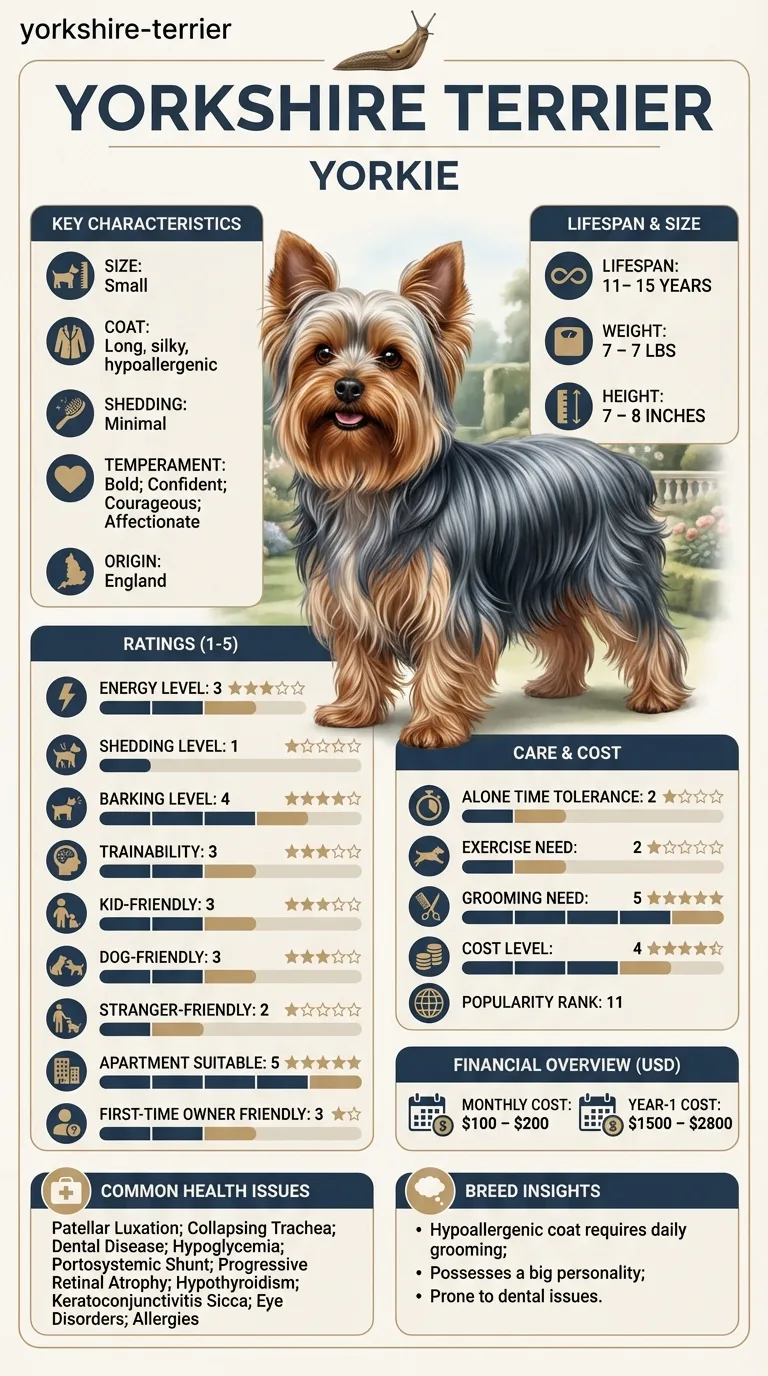
Typical owners facing these challenges include first-time pet parents or those with busy lifestyles who may not be familiar with the specific needs of a Yorkshire Terrier. They may feel overwhelmed by the prospect of managing these issues effectively.
This guide is not medical advice. If your dog shows pain, sudden behavior change, or worsening symptoms, consult a licensed veterinarian.
Some links may be affiliate links. We may earn a commission at no extra cost to you. We only suggest products we believe are helpful for dog owners.
We research and check what we publish, but we do not warrant that any figure, date, price, or statement is accurate, complete, or current, and we accept no liability for any loss, cost, injury, or other harm arising from the use of this site. Use it as one reference among several. You remain responsible for your own decisions and for your dog's care - confirm anything that matters with a licensed veterinarian or another qualified professional before you act on it. Full disclaimer.
Check this first
Knowing when to call the vet about Yorkshire Terrier bone & growth issues can save your pup from serious harm. Look out for red-flag signs that indicate an emergency. If your Yorkie shows severe limping, inability to walk, or extreme pain when touched, these are immediate reasons to contact your vet.
Swelling in the joints or a noticeable deformity are also critical signs that need prompt attention.
In less severe cases, you might notice your Yorkshire Terrier occasionally limping or having difficulty jumping. If your dog seems slightly off but is still eating, drinking, and playing, it may be manageable at home for now. Monitoring their behavior can help you decide whether to wait it out or visit the vet.
Keeping a close watch on their activity levels and comfort can guide your next steps.
If you have concerns, set up a plan to document any changes in behavior or mobility. This information can be valuable during a vet visit. Always trust your instincts; if something feels wrong, don’t hesitate to seek professional advice.
Your furry friend’s well-being is the priority.
If any of these apply, call your vet or an emergency clinic now. The rest of this page is for the cases that are not an emergency.
Yorkshire Terrier bone & growth issues can be concerning for owners. These small dogs may experience problems with their bone development, leading to potential long-term health issues. This can manifest as difficulty in movement, pain, or abnormal growth patterns in their limbs.
Bone & growth issues are relatively common in Yorkshire Terriers, particularly due to their small size and specific genetic vulnerabilities. Many owners report some form of concern, especially during the puppy stage when growth is rapid.
Yorkshire Terriers are small dogs with a unique bone structure, which can lead to certain growth issues. Their genetic makeup makes them more susceptible to conditions like patellar luxation and other orthopedic problems. These issues can arise especially if they experience rapid growth or are overly active during their developmental stages.
The environment can significantly influence a Yorkie's bone health. Factors like improper diet, lack of exercise, or excessive jumping can exacerbate growth problems. Additionally, a stressful living situation or inadequate space can lead to anxiety, further impacting their physical development.
If you notice signs of pain, limping, or unusual behavior, contact your veterinarian. They can assess your Yorkie's condition and recommend further diagnostics, such as X-rays, to understand the underlying bone issues. Early intervention is crucial for managing bone and growth problems effectively.
Many owners unknowingly reinforce bone and growth issues in their Yorkshire Terriers. Here are some common mistakes to avoid, along with safer alternatives.
Start here: Yorkshire Terrier Most Common Genetic Disorders: Screening
See all Yorkshire Terrier health problems, which breeds are prone to bone growth issues, or the full Yorkshire Terrier breed guide for temperament, exercise needs and ownership costs.
You may start seeing improvements in your Yorkshire Terrier's bone and growth issues within 4 to 6 weeks of consistent care and follow-up with your vet.
Success means your Yorkie will show improved mobility, better posture, and a decrease in discomfort or pain associated with bone issues.
When Sarah adopted Bella, her Yorkshire Terrier, she noticed Bella often limped after playtime. Concerned, Sarah took her to the vet, who explained that Yorkies can develop bone and growth issues due to their small size and rapid growth. Following the vet's advice, Sarah adjusted Bella's diet and incorporated gentle exercises tailored for small dogs. After a few weeks of consistent care, Bella was not only more active but also seemed much happier and pain-free.
Key takeaway: With the right guidance and commitment, you can help your Yorkshire Terrier overcome bone and growth issues, improving their quality of life.
Signs of bone growth issues in a Yorkshire Terrier may include limping, difficulty jumping, or reluctance to engage in physical activities. You might also notice swelling around the joints or changes in their gait. If you observe any of these symptoms, it's crucial to consult your vet.
To help prevent bone and growth issues in your Yorkshire Terrier, ensure a balanced diet rich in essential nutrients. Regular check-ups with your vet can also catch early signs of problems. Additionally, providing appropriate exercise and avoiding excessive weight can support healthy growth.
While training won't directly fix bone issues, it can help with managing your Yorkie's behavior. Positive reinforcement for gentle play and avoiding jumps or hard landings can protect their joints. Always consult a vet for tailored training strategies.
A diet high in calcium and phosphorus can be beneficial for bone health. Look for high-quality dog food formulated for small breeds, and consider supplements only after consulting your vet. Regular meals rather than free-feeding can also help maintain a healthy weight.
Some Yorkshire Terriers may outgrow minor bone growth issues as they mature, but this isn't guaranteed. It's essential to monitor their development closely and seek veterinary advice for any persistent problems. Early intervention can often lead to better outcomes.
To help prevent bone growth issues, ensure your Yorkshire Terrier has a balanced diet rich in essential nutrients. Regular, moderate exercise is important too, as it promotes healthy bone and muscle development. Avoid over-exercising your puppy to prevent strain on their growing bones.
If you notice any abnormal behavior, such as limping or difficulty with movement, it's time to see the vet. Additionally, if your Yorkshire Terrier shows signs of pain or swelling, don't hesitate to seek professional help. Early diagnosis can make a significant difference in treatment.
Monitor their weight and ensure a balanced diet to support healthy growth. Regular vet check-ups are crucial for identifying any issues early.
Yorkshire Terriers require moderate exercise, about 30 minutes a day. Gentle walks and playtime are ideal to avoid stress on their bones.
If your Yorkie is limping, limit their activity and consult a vet as soon as possible. Early intervention can prevent further issues.
Yes, dental issues can impact overall health, including bone growth. Regular dental care is essential for your Yorkie's well-being.
A one-page prep sheet for this condition: the signs, the questions to ask, what to get priced. Unlocks here.
You get: Vet visit prep sheet
No spam. One-click unsubscribe. See our privacy policy.
See a sample page before you decide.
Early access list
The free prep sheet covers the same-day warning signs, a symptom log and the questions to ask. We are considering a fuller kit that adds a cost worksheet for the usual tests and treatments (US price ranges with their sources) and a plain-English guide to ways of covering the bill. It is not built yet; this list tells us whether it is worth building.
One email, no spam, unsubscribe anytime. Information only, not veterinary advice.