DogBreedCompass
← Back to breed profile

Understanding Shih Tzu Intervertebral Disc Disease (IVDD)

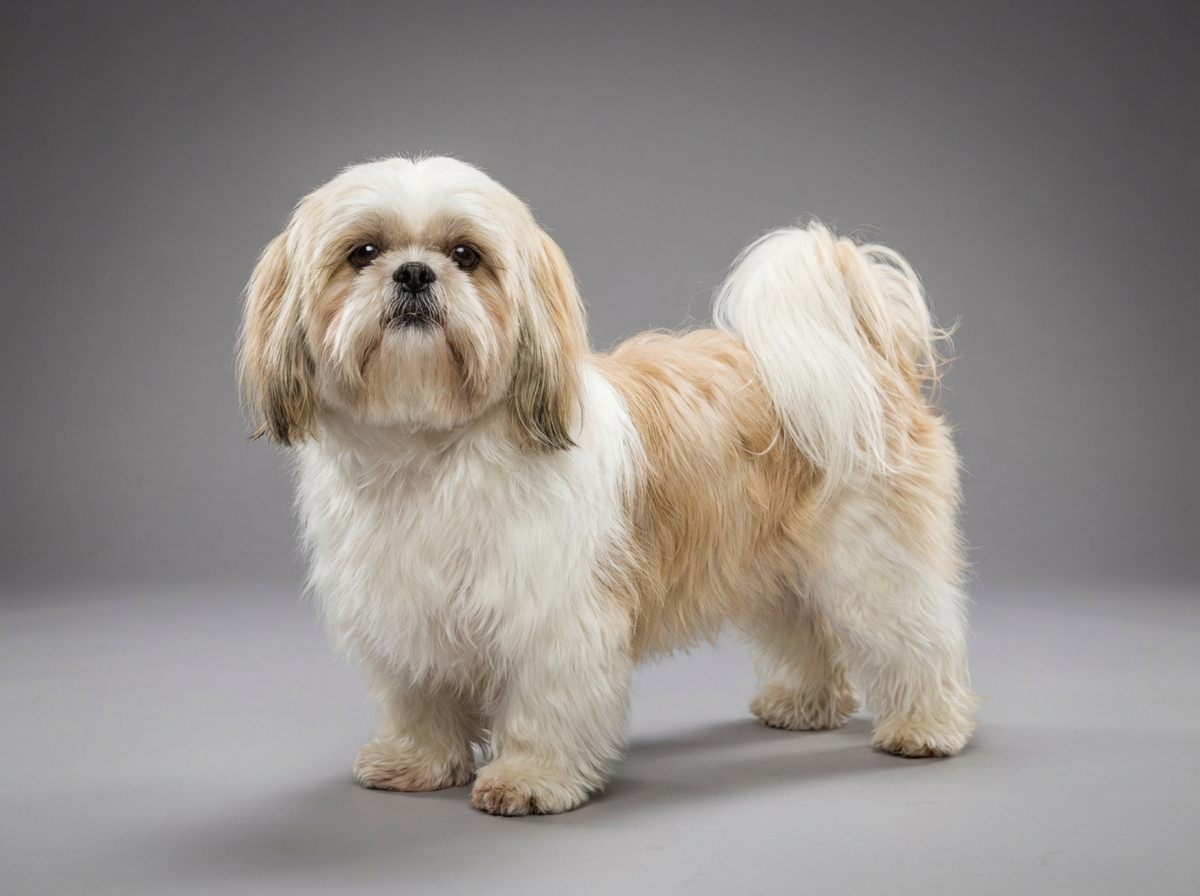
Shih Tzu intervertebral disc disease (IVDD) is a serious back condition that can affect your dog's mobility and quality of life.

Understanding Shih Tzu Intervertebral Disc Disease (IVDD) infographic

Typically, owners of Shih Tzus, especially those with older dogs or those that are overweight, face this challenge. It's also common among first-time dog owners who may not recognize the signs early enough.

Important reminder

This guide is not medical advice. If your dog shows pain, sudden behavior change, or worsening symptoms, consult a licensed veterinarian.

Some links may be affiliate links. We may earn a commission at no extra cost to you. We only suggest products we believe are helpful for dog owners.

What this problem looks like

Shih Tzu intervertebral disc disease (ivdd) is a painful condition affecting the spine. It occurs when the discs between the vertebrae degenerate or herniate, leading to nerve compression. Daily life for a Shih Tzu with ivdd can involve difficulty walking, reluctance to jump, or even sudden paralysis in severe cases.

Common triggers

  • Age-related degeneration of discs
  • Trauma from jumping or rough play
  • Obesity, which increases stress on the spine
  • Inappropriate lifting or carrying methods

Intervertebral disc disease is relatively common in Shih Tzus, particularly as they age. Many dogs may show early signs by the age of 5, with increased prevalence in older dogs. Regular vet check-ups can help monitor and manage this risk.

Why this happens

Breed factors

Shih Tzus are prone to intervertebral disc disease (IVDD) due to their unique body structure. Their long backs and short legs create stress on the spine, making them more susceptible to disc problems. Additionally, their weight can increase the risk of disc degeneration.

Environment factors

Environmental factors also play a role in IVDD. Activities like jumping from heights or rough play can lead to injuries. Moreover, a lack of exercise can weaken back muscles, leading to potential spinal issues.

What you can try

At-home strategies

  • Limit jumping: Prevent your Shih Tzu from jumping off furniture or stairs to reduce spinal strain.
  • Provide support: Use ramps or steps to help your dog safely access higher areas.
  • Encourage gentle exercise: Short, controlled walks can strengthen back muscles without overexertion.
  • Maintain a healthy weight: Monitor your dog’s diet to prevent obesity, which can exacerbate IVDD.
  • Groom regularly: Keeping their coat healthy can reduce stress during grooming, preventing sudden movements that could harm their back.

When to consider a trainer

If your Shih Tzu shows signs of discomfort or struggles with mobility, consider consulting a trainer experienced with IVDD. They can help develop a personalized exercise plan that addresses your dog's needs safely.

When to talk to your vet

If your Shih Tzu exhibits severe pain, limping, or loss of coordination, it's crucial to consult a vet immediately. These could be signs of a serious disc issue that requires medical intervention.

Realistic expectations

Managing Shih Tzu intervertebral disc disease (IVDD) requires ongoing care and monitoring. Initial improvements can be seen within a few weeks of implementing changes, but full recovery may take several months depending on the severity of the condition.

Success means your Shih Tzu experiences less pain, improved mobility, and a better quality of life. You'll notice them being more comfortable during daily activities and returning to their playful, affectionate self.

Mistakes that make this worse

Avoiding common pitfalls can greatly improve your Shih Tzu's condition. Here are some mistakes to watch out for, along with safer alternatives.

  • Ignoring signs of pain: If your Shih Tzu shows discomfort or difficulty moving, it's essential to consult your vet promptly. Waiting can lead to worsening conditions.
  • Overexerting your dog: Letting your Shih Tzu engage in high-impact activities can strain their back. Aim for gentle walks and low-impact play instead.
  • Neglecting weight management: Obesity can increase stress on your dog's spine. A balanced diet and proper portion control can help keep your dog at a healthy weight.
  • Skipping recommended exercises: Some owners may avoid all physical activity out of fear. Controlled exercises can strengthen muscles and support your dog's back.
  • Using inappropriate furniture: Allowing your Shih Tzu to jump on and off high furniture can lead to injuries. Provide ramps or steps to help them get around safely.
  • Failing to follow vet advice: Ignoring your vet's recommendations on rest or medications can delay recovery. Always adhere to their guidance for the best results.

When Shih Tzu Intervertebral Disc Disease (IVDD) is an Emergency

Recognizing when Shih Tzu intervertebral disc disease (IVDD) becomes an emergency is crucial for your dog's health. If your Shih Tzu shows any sudden signs of severe pain, such as crying, not wanting to be touched, or inability to move, it's time to call your vet immediately. Other red flags include loss of bladder or bowel control and signs of paralysis in the back legs, as these require urgent medical attention.

On the other hand, if your Shih Tzu is showing mild symptoms like slight reluctance to jump or play, these can often be monitored at home. You should keep a close watch on your dog's behavior, as minor discomfort can sometimes be managed with rest and gentle care. It's important to create a safe space for your pet and limit their activity while you keep an eye on them.

If you notice these mild symptoms persist or worsen, consult your veterinarian for advice on how to stop Shih Tzu intervertebral disc disease (IVDD) from progressing. Having a plan in place for monitoring your dog's condition is essential, especially for small breeds like the Shih Tzu, who are more prone to back problems.

Understanding Shih Tzu Intervertebral Disc Disease (IVDD) - When Shih Tzu Intervertebral Disc Disease (IVDD) is an Emergency

A Journey to Recovery: Bella's Story

When Mia, a busy nurse from Atlanta, noticed her Shih Tzu, Bella, struggling to jump onto the couch, she grew concerned. After a vet visit, Mia learned Bella had intervertebral disc disease (IVDD). Determined to help her dog, Mia adjusted Bella's diet, started a gentle exercise routine, and incorporated physical therapy. Through patience and commitment, Bella began showing signs of improvement, allowing Mia to breathe a sigh of relief. Now, Bella enjoys her playtime and snuggles without discomfort.

Key takeaway: With the right care and determination, managing IVDD in Shih Tzus can lead to a happier, healthier life for your furry friend.

Frequently asked questions

What causes Shih Tzu intervertebral disc disease (ivdd)?

Shih Tzus are prone to intervertebral disc disease (ivdd) due to their genetic predisposition and body structure. Their small size and long back make them more vulnerable to disc issues. Poor nutrition and obesity can also exacerbate the condition.

How can I stop my Shih Tzu from developing ivdd?

To help prevent intervertebral disc disease in your Shih Tzu, maintain a healthy weight through proper diet and regular exercise. Avoid high-impact activities and jumping from heights. Regular vet check-ups can also help catch early signs of problems.

What are the signs of ivdd in Shih Tzus?

Signs of intervertebral disc disease in Shih Tzus include difficulty walking, reluctance to jump or climb stairs, and signs of pain when touched. You might also notice weakness in the back legs or an arched back. If you see these signs, consult your vet immediately.

What treatments are available for Shih Tzu ivdd?

Treatment for intervertebral disc disease can range from conservative management, like rest and medications, to more severe options like surgery. Your vet can help you decide the best approach based on your dog's specific condition. Early intervention often leads to better outcomes.

Is ivdd common in Shih Tzus?

Yes, intervertebral disc disease is relatively common in Shih Tzus and other small breeds. Their genetic makeup and physical characteristics contribute to this risk. Awareness and preventive care can help manage the issue effectively.

What are the early signs of intervertebral disc disease (ivdd) in Shih Tzus?

Early signs of Shih Tzu intervertebral disc disease (ivdd) may include reluctance to jump, changes in walking or sitting posture, and sudden yelping when touched. If you notice these symptoms, it's crucial to consult your vet for an evaluation.

Can older Shih Tzus develop intervertebral disc disease (ivdd)?

Yes, older Shih Tzus are at a higher risk for developing intervertebral disc disease (ivdd) due to age-related changes in their spine. Regular vet check-ups can help catch issues early and manage their health.

How can I help my Shih Tzu with intervertebral disc disease (ivdd) at home?

To help your Shih Tzu at home, ensure they have a comfortable, supportive bed and limit their jumping or running. Gentle exercises and physical therapy, as advised by your vet, can also aid in their recovery.

Are there any specific diets that can help a Shih Tzu with ivdd?

While there's no specific diet for Shih Tzu intervertebral disc disease (ivdd), providing a balanced diet rich in omega-3 fatty acids can promote joint health. Always consult your vet for tailored dietary recommendations.

When should I consider surgery for my Shih Tzu's intervertebral disc disease (ivdd)?

Surgery for Shih Tzu intervertebral disc disease (ivdd) may be necessary if your dog shows severe symptoms like loss of mobility or persistent pain. Your vet will help you weigh the risks and benefits based on your dog's specific condition.

Quick answers

View more answers
Behavior

What are quick tips for managing Shih Tzu ivdd?

To manage Shih Tzu intervertebral disc disease (ivdd), keep your dog at a healthy weight and provide regular low-impact exercise. Also, avoid letting them jump off furniture or engage in rough play. Early veterinary consultations are crucial.

Health

Can ivdd be treated at home?

Some cases of ivdd can be managed at home with rest and prescribed medications, but always follow your vet's advice. Avoid strenuous activity during recovery to promote healing. Monitor your dog closely for any changes.

Costs

How much does ivdd treatment cost for Shih Tzus?

The cost of treating Shih Tzu intervertebral disc disease can vary widely, ranging from a few hundred dollars for conservative care to several thousand for surgery. Always discuss potential costs with your vet before proceeding.

Related DogBreedCompass guides

  • Shih Tzu health issues overviewLearn more about common health issues affecting Shih Tzus.
  • Shih Tzu intervertebral disc disease (ivdd) trainingExplore training techniques specifically for managing IVDD.
  • Shih Tzu separation anxiety guideFind out how to support your Shih Tzu's mental health.
  • Shih Tzu behavior problemsDiscover tips for handling Shih Tzu behavior problems.
  • Shih Tzu cost breakdownUnderstand the costs associated with owning a Shih Tzu.

Related guides