Training
What are quick tips for Maltese bone & growth issues?
Ensure a balanced diet, regular vet check-ups, and controlled exercise. Avoid jumping from high places to prevent injuries.

Quick answer
What are quick tips for Maltese bone & growth issues?
Ensure a balanced diet, regular vet check-ups, and controlled exercise. Avoid jumping from high places to prevent injuries.
Maltese bone & growth issues can be concerning for pet owners. These problems may arise due to their small size and rapid growth patterns.
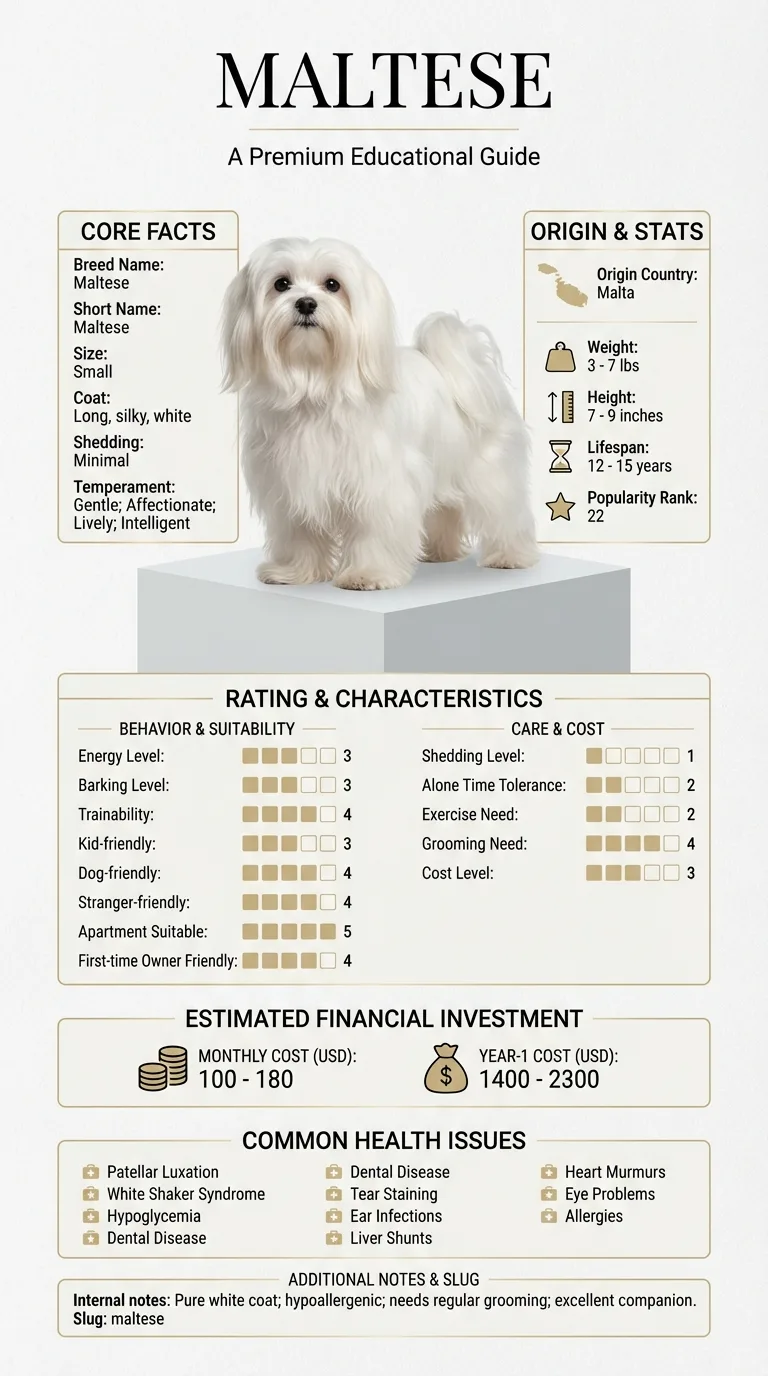
Typically, first-time Maltese owners or those unfamiliar with the breed's specific health needs may find themselves facing these challenges. Busy families or individuals might feel overwhelmed when trying to address their pet's health concerns while balancing daily responsibilities.
This guide is not medical advice. If your dog shows pain, sudden behavior change, or worsening symptoms, consult a licensed veterinarian.
Some links may be affiliate links. We may earn a commission at no extra cost to you. We only suggest products we believe are helpful for dog owners.
We research and check what we publish, but we do not warrant that any figure, date, price, or statement is accurate, complete, or current, and we accept no liability for any loss, cost, injury, or other harm arising from the use of this site. Use it as one reference among several. You remain responsible for your own decisions and for your dog's care - confirm anything that matters with a licensed veterinarian or another qualified professional before you act on it. Full disclaimer.
Check this first
Recognizing when Maltese bone and growth issues become emergencies is crucial for your pet's health. If your Maltese experiences severe pain, inability to walk, or swollen joints, these are red flags that require immediate veterinary attention. Additionally, if you notice deformities in their limbs or if they seem lethargic and unresponsive, don’t wait—call your vet right away.
If any of these apply, call your vet or an emergency clinic now. The rest of this page is for the cases that are not an emergency.
Maltese bone & growth issues can significantly affect your dog's daily life. These problems often manifest as difficulty walking, limping, or reluctance to engage in play. Common triggers include rapid growth phases, lack of proper nutrition, and inadequate exercise, which can exacerbate bone and joint problems.
Bone and growth issues are fairly common in Maltese dogs, especially during their early growth stages. While many Maltese thrive without serious problems, some may experience significant issues that require attention and management.
Maltese dogs are small and can experience unique bone and growth issues due to their delicate structure. Their rapid growth can sometimes lead to problems such as patellar luxation, where the kneecap dislocates. This breed's genetics and size make them more prone to these issues.
Environmental factors like lack of proper nutrition and excessive physical strain during their growth phase can worsen bone issues. If a Maltese is overexerted or not provided with a balanced diet, it can lead to developmental problems. Additionally, slippery floors in the home can increase the risk of injury.
If you notice any signs of bone and growth issues, like limping, reluctance to jump, or abnormal growth patterns, contact your vet. They can conduct a thorough examination and recommend appropriate treatments or interventions.
Avoiding common mistakes can greatly help with Maltese bone & growth issues. Here are some behaviors to watch out for.
Start here: Maltese Most Common Genetic Disorders: What to Screen For
See all Maltese health problems, which breeds are prone to bone growth issues, or the full Maltese breed guide for temperament, exercise needs and ownership costs.
Addressing Maltese bone and growth issues usually takes several weeks to a few months. Consistent care and vet consultations are key.
Success means your Maltese shows improved mobility and strength, reduced discomfort, and a more active lifestyle.
In less severe cases, you can monitor your Maltese’s growth and behavior. If your pup shows mild limping or seems slightly uncomfortable after play but is still active, you may not need immediate intervention. Keeping a close watch and documenting any changes can help you assess the situation better before deciding to go to the vet.

Rita, a first-time dog owner in San Diego, noticed her Maltese, Max, was limping and hesitant to play. After a vet visit, she learned that Max had bone growth issues common in small breeds. Determined to help him, Rita implemented a structured training program focusing on gentle exercises and joint support. After a few months, Max was much more energetic, and Rita was relieved to see him playing with other dogs at the park again.
Key takeaway: Regular vet check-ups and a tailored exercise plan can significantly improve a Maltese's bone and growth issues.
Maltese can experience bone and growth issues due to genetics and their small size. Rapid growth can lead to conditions like patellar luxation or other joint problems. Regular veterinary checkups are essential to monitor your dog's development.
To address Maltese bone and growth issues, ensure a balanced diet rich in vitamins and minerals. Regular, moderate exercise is also important, but avoid overly strenuous activities until your dog is fully grown. Consult your vet for tailored guidance.
Training can help by teaching your Maltese to avoid excessive jumping or running, which can exacerbate bone issues. Positive reinforcement methods can encourage gentle play and proper behavior. Consistency in training is key.
Treating bone and growth issues can vary widely, from routine vet visits costing around $100 to $200, to surgical interventions that may exceed $1,500. Budgeting for regular checkups can help manage costs effectively.
Preventive measures include providing a high-quality diet, ensuring regular vet visits, and avoiding over-exercise. Additionally, maintaining a healthy weight can significantly reduce stress on their bones and joints.
If your Maltese is limping, showing reluctance to play, or has difficulty jumping, these could be signs of bone and growth issues. Additionally, watch for signs of pain when you touch their legs or joints, as this might indicate underlying problems.
Some bone and growth issues in Maltese puppies may improve as they grow, but it's essential to monitor their development closely. Regular vet check-ups can help catch any persistent issues early, ensuring your puppy's health and comfort.
A balanced diet is crucial for your Maltese's bone health. Make sure they receive the right nutrients, including calcium and vitamin D, to support healthy bone growth. Consult your vet for specific dietary recommendations tailored to your dog's needs.
If you notice persistent limping, swelling, or signs of pain in your Maltese, it's time to consult your vet. Early intervention can prevent more severe issues and help you implement effective training strategies to manage their health.
Yes, older Maltese dogs can develop bone and joint issues due to aging. Conditions like arthritis or patellar luxation can become more prominent, so it's important to keep an eye on their mobility and consult a vet for age-appropriate care and pain management.
Ensure a balanced diet, regular vet check-ups, and controlled exercise. Avoid jumping from high places to prevent injuries.
Monthly care costs range from $100 to $180, with potential extra costs for treatments or surgeries.
Yes, Maltese commonly face issues like patellar luxation and dental disease, which can be linked to bone health.
A one-page prep sheet for this condition: the signs, the questions to ask, what to get priced. Unlocks here.
You get: Vet visit prep sheet
No spam. One-click unsubscribe. See our privacy policy.
See a sample page before you decide.
Early access list
The free prep sheet covers the same-day warning signs, a symptom log and the questions to ask. We are considering a fuller kit that adds a cost worksheet for the usual tests and treatments (US price ranges with their sources) and a plain-English guide to ways of covering the bill. It is not built yet; this list tells us whether it is worth building.
One email, no spam, unsubscribe anytime. Information only, not veterinary advice.