Behavior
What are some Shih Tzu hip dysplasia prevalence quick tips?
Keep your Shih Tzu at a healthy weight and provide regular low-impact exercise. Regular vet check-ups are vital for early detection and management.

Quick answer
What are some Shih Tzu hip dysplasia prevalence quick tips?
Keep your Shih Tzu at a healthy weight and provide regular low-impact exercise. Regular vet check-ups are vital for early detection and management.
Shih Tzu hip dysplasia prevalence is a common concern among dog owners. It can lead to pain and mobility issues in your beloved pet.
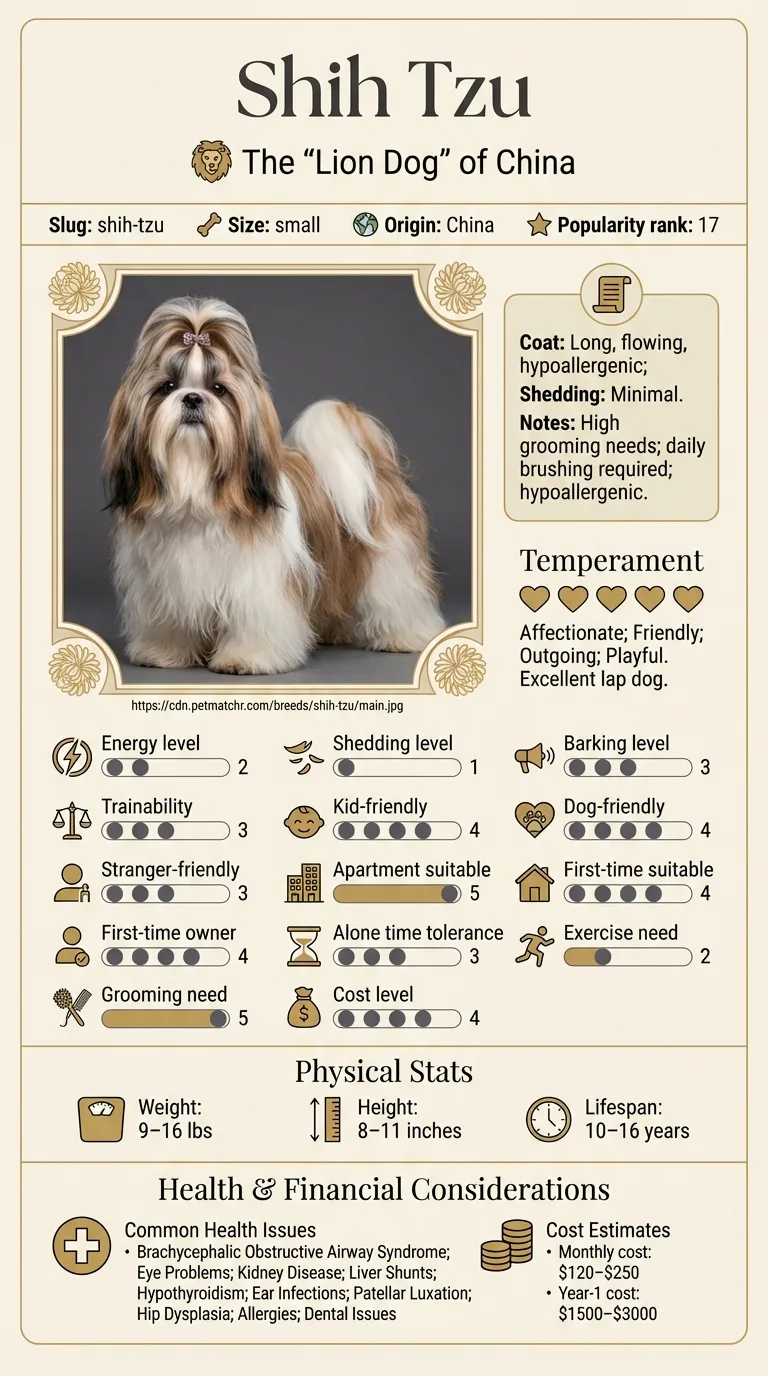
Many Shih Tzu owners, especially first-time dog parents or those living in apartments, may face challenges related to this issue. Owners who notice their dog limping or struggling to get up after resting often find themselves searching for answers.
This guide is not medical advice. If your dog shows pain, sudden behavior change, or worsening symptoms, consult a licensed veterinarian.
Some links may be affiliate links. We may earn a commission at no extra cost to you. We only suggest products we believe are helpful for dog owners.
We research and check what we publish, but we do not warrant that any figure, date, price, or statement is accurate, complete, or current, and we accept no liability for any loss, cost, injury, or other harm arising from the use of this site. Use it as one reference among several. You remain responsible for your own decisions and for your dog's care - confirm anything that matters with a licensed veterinarian or another qualified professional before you act on it. Full disclaimer.
Check this first
Recognizing when Shih Tzu hip dysplasia is an emergency is crucial for your pet's health. If your Shih Tzu shows severe signs such as sudden inability to stand, extreme pain when moving, or persistent crying, it's time to call your vet immediately. These can be indicators of serious complications that require urgent care.
On the other hand, if your dog is limping occasionally or seems to have stiffness after exercise, don't panic just yet. These signs can often be monitored at home. Keep an eye on their activity levels and pain responses, and consult your vet for a plan. Regular check-ups are essential to track any changes in your dog's condition.
It's important to note that early intervention can lead to better outcomes. If you notice your Shih Tzu struggling to keep up during walks or hesitating to jump, don't ignore these signs. A timely vet visit can help manage symptoms and improve your dog's quality of life.
If any of these apply, call your vet or an emergency clinic now. The rest of this page is for the cases that are not an emergency.
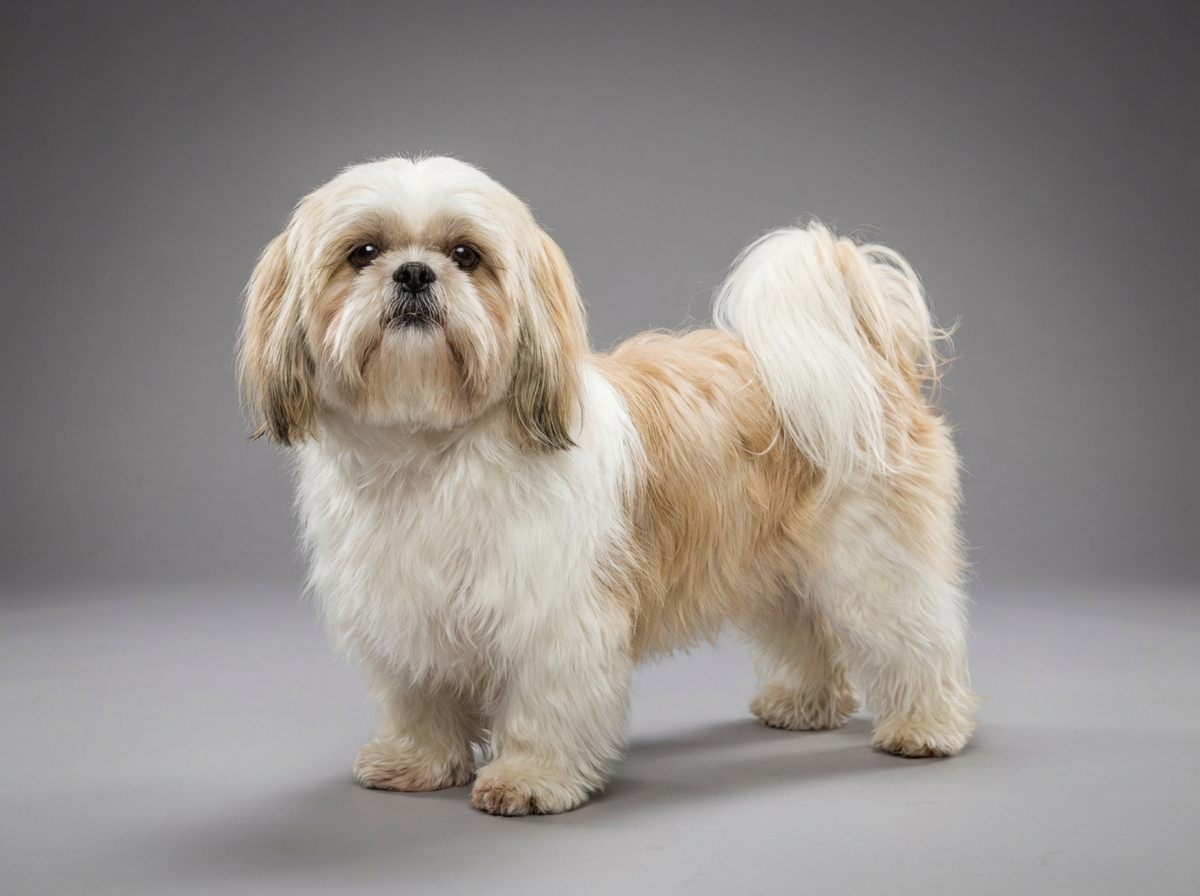
Shih Tzus are charming little dogs, but they can face a serious issue with hip dysplasia prevalence. This condition occurs when the hip joint doesn't develop properly, leading to pain, mobility issues, and arthritis. Owners often notice their Shih Tzus struggling to jump or play, which can be heartbreaking.
Hip dysplasia prevalence is relatively common in Shih Tzus, with studies suggesting that around 10-15% of the breed may be affected. This makes it essential for potential owners to be aware of the signs and seek preventive measures.
Shih Tzus, like many small breeds, can inherit genetic traits that lead to hip dysplasia. This condition often stems from poor hip joint formation, which can be passed down from parents. Regularly breeding dogs with hip issues increases the likelihood of these traits appearing in the puppies.
Environmental factors can also contribute to hip dysplasia. Overweight dogs face extra pressure on their joints. Additionally, a lack of appropriate exercise and heavy impacts from jumping can exacerbate hip problems.
If you notice frequent limping, difficulty standing, or changes in behavior, consult your vet. They can assess your dog's condition and recommend further testing or treatment options.
When dealing with Shih Tzu hip dysplasia prevalence, certain common mistakes can unintentionally worsen the situation. Here are some behaviors to avoid and safer alternatives to consider.
Start here: Shih Tzu Most Common Genetic Disorders: What to Screen For
See all Shih TZU health problems, which breeds are prone to hip dysplasia prevalence, or the full Shih TZU breed guide for temperament, exercise needs and ownership costs.
You can expect to see some improvement in your Shih Tzu's mobility and comfort within a few weeks of starting a tailored exercise and diet plan. However, significant changes may take several months, especially if you're working on day-to-day care.
Success means your Shih Tzu shows increased mobility, less pain during movement, and improved overall quality of life. Regular vet check-ups will also confirm that their hip health is stable.
When Lisa adopted Bella, her Shih Tzu, she noticed that Bella struggled to jump onto the couch and often seemed uncomfortable. After a vet diagnosis of hip dysplasia prevalence, Lisa felt overwhelmed. With the vet's guidance, she started Bella on a low-impact exercise routine and adjusted her diet to support joint health. After a few months, Bella was not only jumping onto the couch but also enjoying daily walks with renewed energy. Lisa learned that patience and consistency were key ingredients in helping Bella thrive.
Key takeaway: Taking proactive steps to manage Shih Tzu hip dysplasia prevalence can significantly improve your dog's quality of life, but it requires time and dedication.
Shih Tzus can inherit hip dysplasia from their parents, making it a genetic issue in some cases. Factors like rapid growth, obesity, and inadequate exercise can also contribute to the prevalence. Understanding these factors is crucial for management and prevention.
To reduce the prevalence of hip dysplasia in Shih Tzus, focus on maintaining a healthy weight through proper diet and regular exercise. Engage in low-impact activities like walking or swimming. Consulting with a vet for personalized care and training can also help.
Signs of hip dysplasia in Shih Tzus include difficulty getting up, reluctance to jump or climb stairs, and limping or favoring one leg. If your dog seems to have reduced activity or displays discomfort when moving, it's time to consult your vet for an evaluation.
Treatment options for hip dysplasia in Shih Tzus range from weight management and physical therapy to pain relief medications and, in severe cases, surgery. Your vet can recommend the best course of action based on your dog's specific condition and needs.
Yes, hip dysplasia can be hereditary in Shih Tzus. Responsible breeding practices can help reduce the risk of passing this condition to future generations. Always ask breeders about health clearances for the parents.
Yes, hip dysplasia can develop in older Shih Tzus, even if they appeared healthy in their younger years. Changes in weight, activity levels, or joint health can contribute to the development of this condition as they age. Regular vet check-ups are essential to monitor their joint health.
While genetics play a significant role in hip dysplasia, maintaining a healthy weight and providing regular, low-impact exercise can help reduce the risk. Balanced nutrition and proper training techniques also contribute to joint health. Always consult your vet for tailored advice.
Keep your Shih Tzu at a healthy weight and provide regular low-impact exercise. Regular vet check-ups are vital for early detection and management.
Aim for at least 30 minutes of moderate exercise daily, spread throughout the day. This helps maintain joint health without overexerting them.
Foods rich in omega-3 fatty acids and glucosamine can support joint health. Consult with your vet for specific dietary recommendations.
A one-page prep sheet for this condition: the signs, the questions to ask, what to get priced. Unlocks here.
You get: Vet visit prep sheet
No spam. One-click unsubscribe. See our privacy policy.
Preview page 1 before you decide.