Behavior
What are quick tips for Shih Tzu anxiety?
Provide a safe space for your Shih Tzu, use calming aids, and establish a routine. Regular exercise and mental stimulation can also help reduce anxiety.

Quick answer
What are quick tips for Shih Tzu anxiety?
Provide a safe space for your Shih Tzu, use calming aids, and establish a routine. Regular exercise and mental stimulation can also help reduce anxiety.
Is your Shih Tzu feeling anxious? You're not alone.
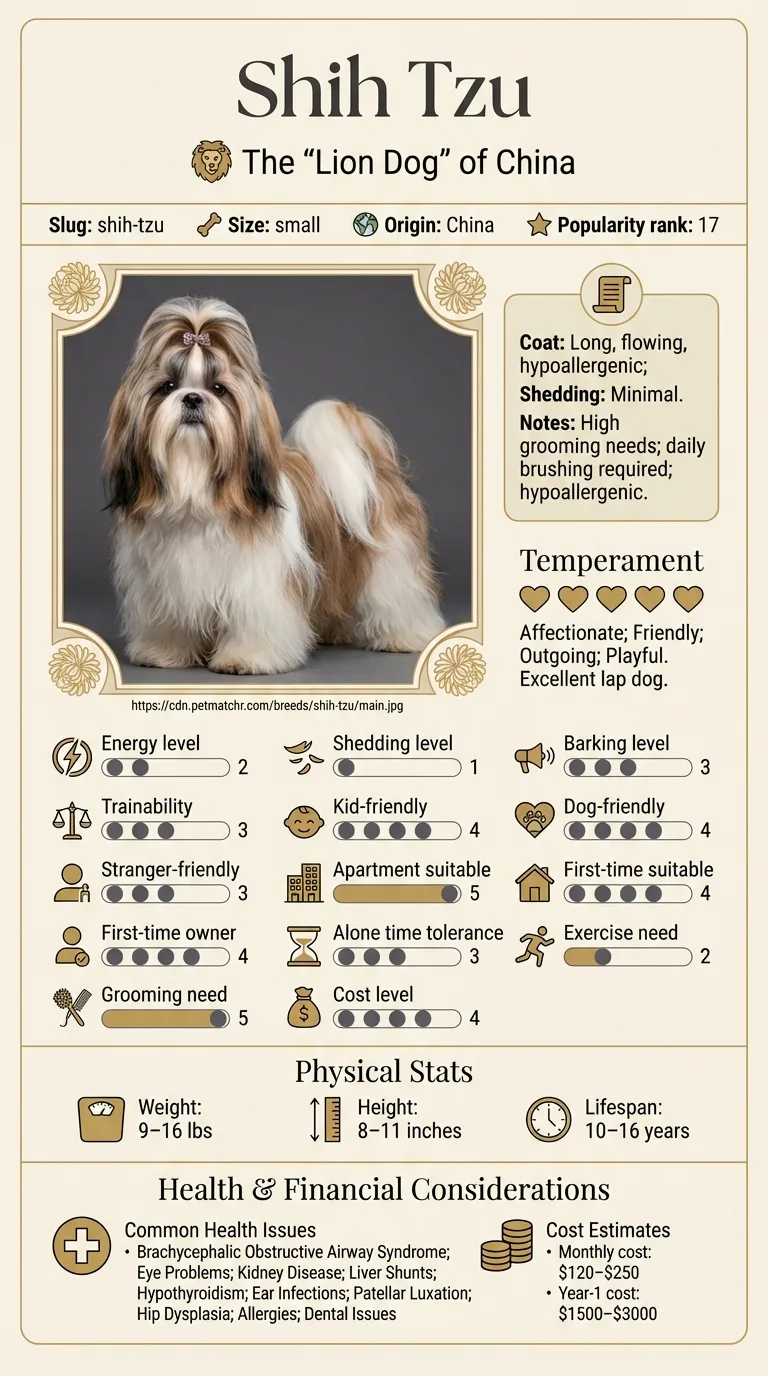
This guide is for Shih Tzu owners who want to understand their dog's anxiety and find practical solutions to help them feel calm and secure.
Shih Tzu anxiety often manifests as clinginess and fearfulness. Your pup may follow you everywhere, whining or barking when you leave the room. This anxiety can lead to destructive behaviors, especially if left alone for too long.
If your Shih Tzu's anxiety persists despite your efforts, consider professional training. A certified trainer can provide tailored techniques to help change your dog's emotional response.
Reach out to your vet or a canine behaviorist if your Shih Tzu shows severe anxiety symptoms, like destructive behavior, excessive barking, or self-harm. They can assess whether medical intervention is necessary.
Managing Shih Tzu anxiety can be easier with the right tools and products. From calming supplements to engaging toys, these resources can support your efforts.
Making small changes to your daily routine can significantly reduce Shih Tzu anxiety. Start by adjusting your schedule to include more regular exercise. This breed enjoys gentle walks and playtime, which can help them release pent-up energy and feel more relaxed.
Consider your alone-time windows. If your Shih Tzu struggles with separation anxiety, gradually train them to be alone for short periods. Extend this time slowly, rewarding them for calm behavior when you return.
This can help them build confidence and feel secure.
Routines also play a crucial role. Establishing a consistent feeding, walking, and playtime schedule can provide a sense of stability for your dog. Changes in household activity can trigger anxiety, so try to keep things predictable, especially during stressful times like moving or visitors.
You might also want to create a cozy, safe space where your Shih Tzu can retreat when feeling anxious.
Engaging in calming activities like gentle grooming can be beneficial too. Shih Tzus often enjoy being pampered, which can also help strengthen your bond. Remember, each dog is unique, so observe what works best for your furry friend and adjust accordingly.
Tracking progress in managing Shih Tzu anxiety can feel daunting, but it's important to celebrate the small victories. Micro-wins, like your Shih Tzu remaining calm during a short period of alone time, indicate that your training is making a difference. Look for signs such as less frequent barking when left alone or showing interest in toys instead of hiding away.
These are all positive steps forward.

Setbacks are part of the journey, so don’t get discouraged. If your Shih Tzu suddenly returns to barking excessively or shows signs of distress during what was once a calm routine, it may indicate that your dog is feeling overwhelmed. It’s essential to assess any changes in your home environment or routine that could contribute to this increase in anxiety.

If you notice that small improvements aren't happening after consistent effort, it may be time to adjust your approach. Consider consulting a professional dog trainer who specializes in Shih Tzu anxiety training. Sometimes, a new strategy or additional tools like calming products can help your furry friend feel more secure.

When Lisa adopted Bella, her Shih Tzu, she quickly noticed signs of anxiety. Bella would bark excessively when left alone, and she often hid under the couch during thunderstorms. Lisa tried various home remedies first, like creating a cozy space with her favorite toys and using calming music, but nothing seemed to work. Realizing she needed additional help, Lisa reached out to a dog trainer who specialized in anxiety. Together, they developed a structured training plan focused on gradual desensitization to sounds and being alone. After a few weeks of consistent practice, Bella began to show improvement. She became less reactive to noise and learned to feel more secure when left alone for short periods.
Key takeaway: Addressing Shih Tzu anxiety often requires both at-home strategies and professional support. A combination of comfort, training, and patience can lead to noticeable improvements.
Shih Tzus can experience anxiety for several reasons, including changes in their environment, lack of socialization, or even previous trauma. Their affectionate and sensitive nature makes them prone to separation anxiety and stress when left alone. It's important to identify the triggers to help manage their anxiety effectively.
To stop Shih Tzu anxiety, start with gradual desensitization to the situations that cause stress. Create a comfortable space for your dog and use positive reinforcement during training. Additionally, establishing a consistent routine can help your Shih Tzu feel more secure.
Common signs of Shih Tzu anxiety include excessive barking, destructive behavior, restlessness, or clinginess. You might also notice your dog trembling, panting, or displaying a lack of appetite. Keeping an eye on these behaviors can help you address anxiety early.
Yes, training can significantly help with Shih Tzu anxiety. Engaging in positive reinforcement training techniques can build your dog's confidence and reduce fear. It’s also beneficial to teach your dog basic commands, which can create a sense of security.
Consult a vet if your Shih Tzu's anxiety seems severe or if home remedies aren't effective. A vet can rule out underlying health issues and may suggest behavioral therapy or medication. It's essential to address anxiety to ensure your dog’s well-being.
Yes, older Shih Tzus can develop anxiety due to changes in their environment or health issues. It's important to watch for changes in behavior, as aging can bring about physical discomfort or confusion that can contribute to anxiety. Consulting with a vet can help you understand what might be causing these changes.
To help your Shih Tzu with anxiety when traveling, start by getting them used to their carrier or travel space. Bring familiar items, like their favorite blanket or toy, to provide comfort. Frequent breaks during long trips can also help ease their stress.
Yes, Shih Tzus are known to be affectionate and may develop separation anxiety when left alone. This breed thrives on companionship, so gradually training them to be alone for short periods can help ease their anxiety. Consistent routines can also provide comfort.
Multiple Shih Tzus can live together happily, but it's essential to monitor their interactions. Sometimes, one dog may feel insecure or anxious, especially if they're not used to sharing space. Providing separate areas and resources can help reduce anxiety and conflict.
Provide a safe space for your Shih Tzu, use calming aids, and establish a routine. Regular exercise and mental stimulation can also help reduce anxiety.
Training costs can range from $50 to $300, depending on whether you choose private sessions or group classes. Investing in training can lead to long-term benefits for your Shih Tzu and your household.
Try leaving interactive toys or puzzle feeders to keep your Shih Tzu busy while you're away. Gradual departures can also help them adjust to being alone.
Anxiety and pain look alike from the outside. Get the prep sheet for this breed's separation-anxiety page and take it to the vet.
You get: Vet visit prep sheet
No spam. One-click unsubscribe. See our privacy policy.
Preview page 1 before you decide.
This guide is not medical advice. If your dog shows pain, sudden behavior change, or worsening symptoms, consult a licensed veterinarian.
Some links may be affiliate links. We may earn a commission at no extra cost to you. We only suggest products we believe are helpful for dog owners.
We research and check what we publish, but we do not warrant that any figure, date, price, or statement is accurate, complete, or current, and we accept no liability for any loss, cost, injury, or other harm arising from the use of this site. Use it as one reference among several. You remain responsible for your own decisions and for your dog's care - confirm anything that matters with a licensed veterinarian or another qualified professional before you act on it. Full disclaimer.
Not sure which breed is right for you? Take our 2-minute quiz to find out.
Take the quiz