Behavior
What are quick tips for managing IVDD type I in Shih Tzus?
Keep your Shih Tzu at a healthy weight, limit jumping, and ensure they have a supportive bed. Regular vet visits for monitoring are crucial.

Quick answer
What are quick tips for managing IVDD type I in Shih Tzus?
Keep your Shih Tzu at a healthy weight, limit jumping, and ensure they have a supportive bed. Regular vet visits for monitoring are crucial.
Shih Tzu intervertebral disc disease (IVDD) type I can cause severe pain and mobility issues.
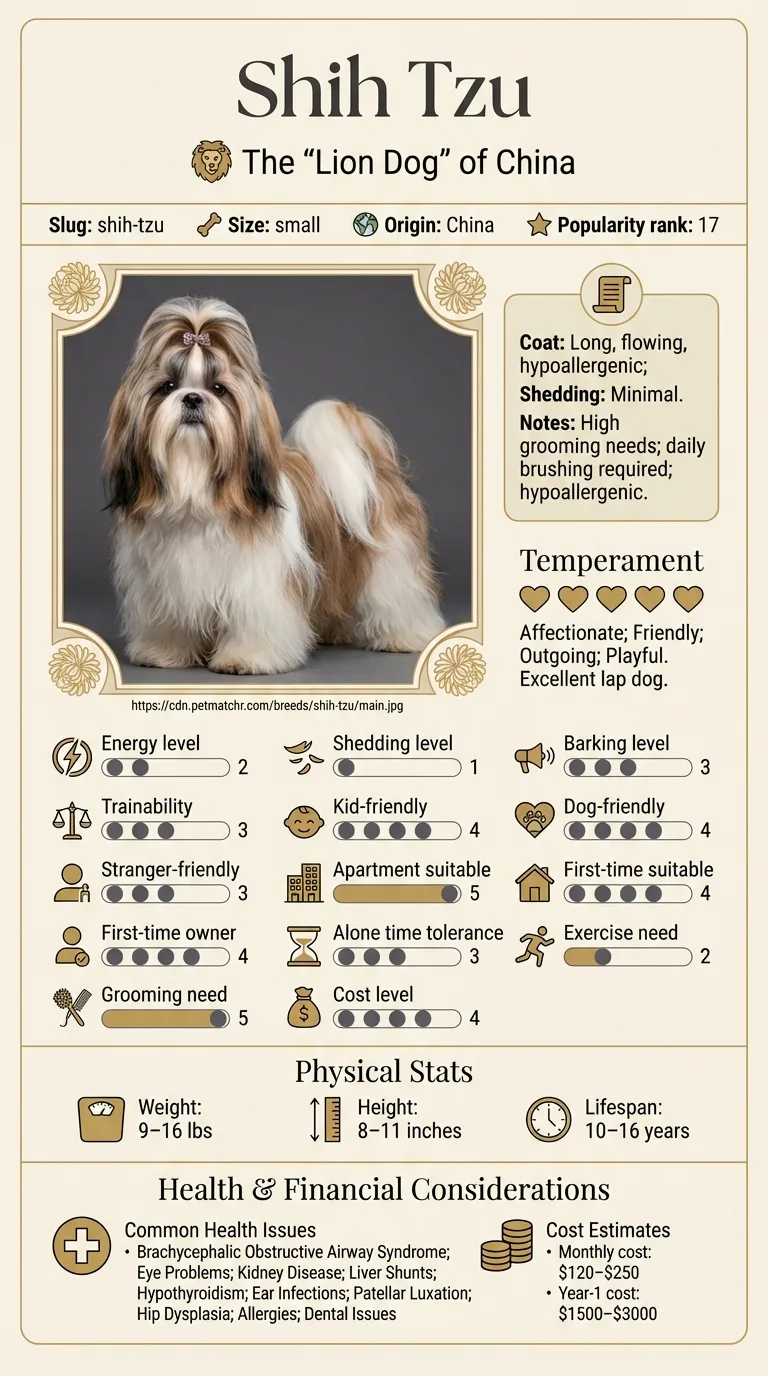
Owners of Shih Tzus, especially those who notice their dogs struggling to move or displaying signs of pain, often face this challenge. It's also common among first-time dog owners who may not be aware of the breed's predisposition to this condition.
This guide is not medical advice. If your dog shows pain, sudden behavior change, or worsening symptoms, consult a licensed veterinarian.
Some links may be affiliate links. We may earn a commission at no extra cost to you. We only suggest products we believe are helpful for dog owners.
We research and check what we publish, but we do not warrant that any figure, date, price, or statement is accurate, complete, or current, and we accept no liability for any loss, cost, injury, or other harm arising from the use of this site. Use it as one reference among several. You remain responsible for your own decisions and for your dog's care - confirm anything that matters with a licensed veterinarian or another qualified professional before you act on it. Full disclaimer.
Check this first
Understanding when Shih Tzu intervertebral disc disease (IVDD) Type I becomes an emergency is crucial. Some signs require immediate veterinary attention, while others can be monitored. Recognizing these can save your dog's life and improve their quality of care.
If any of these apply, call your vet or an emergency clinic now. The rest of this page is for the cases that are not an emergency.
Shih Tzu intervertebral disc disease (IVDD) type I is a serious condition where herniated discs press on the spinal cord. This can lead to pain, weakness, or even paralysis. Owners may notice their Shih Tzu having difficulty walking, reluctance to jump, or signs of discomfort when being handled.
This condition is relatively common in Shih Tzus, especially as they age. Many Shih Tzus experience IVDD type I to some degree, particularly those with a genetic predisposition to spinal issues.
Shih Tzus are prone to intervertebral disc disease (IVDD) type I due to their long backs and short legs. This breed's unique body structure can cause wear and tear on the spinal discs over time. Additionally, their smaller size makes them more susceptible to injuries that may lead to disc issues.
Environmental factors such as lack of proper exercise or obesity can exacerbate the risk of IVDD in Shih Tzus. If they are not given enough opportunities to move and strengthen their muscles, they may develop weak backs. Furthermore, slippery floors or jumping from heights can increase the likelihood of disc injuries.
If your Shih Tzu exhibits severe pain, weakness in their legs, or loss of bladder control, it's crucial to contact your vet immediately. These symptoms may indicate a serious case of IVDD that requires medical intervention. Regular check-ups can also help monitor their spinal health and prevent future issues.
Certain behaviors can inadvertently worsen your Shih Tzu's intervertebral disc disease (IVDD) Type I. Here are some common mistakes to avoid and safer alternatives.
Start here: Shih Tzu Most Common Genetic Disorders: What to Screen For
See all Shih TZU health problems, which breeds are prone to intervertebral disc disease ivdd type i, or the full Shih TZU breed guide for temperament, exercise needs and ownership costs.
Typically, you can expect to see improvements within 4 to 8 weeks of starting a treatment plan for Shih Tzu intervertebral disc disease (ivdd) type i. However, full recovery may take longer depending on the severity of the condition and the response to treatment.
Success looks like your Shih Tzu being able to walk without pain, regain mobility, and return to normal activities like playing and going for walks. Regular vet check-ups and following a tailored care plan will help monitor their progress.
If your Shih Tzu shows any of the following symptoms, contact your vet immediately: - Sudden loss of coordination or ability to walk - Severe pain when moving or being touched - Weakness in the legs, especially if it worsens - Incontinence or inability to control urination and defecation - Signs of paralysis, like dragging their back legs These symptoms indicate that the herniated disc may be severely affecting the spinal cord, necessitating urgent care.

In less severe cases, you can monitor your Shih Tzu's condition closely. Look for these more mild symptoms: - Occasional back pain or reluctance to jump - Mild weakness that does not worsen over a day or two - Changes in behavior, like being more cautious or less active - Slight difficulty in getting up or moving around If these symptoms are present without the red flags, keep a close eye on your pet and consult your vet for guidance on managing their comfort and care.

When Emily noticed her beloved Shih Tzu, Bella, struggling to jump onto the couch and whimpering when picked up, she feared the worst. After a vet visit confirmed Bella had intervertebral disc disease (ivdd) type i, Emily felt overwhelmed. Determined to help Bella, she followed the vet's recommendations for rest, medication, and physical therapy. Slowly but surely, Bella began to show signs of improvement. Within a few months, she was back to her playful self, chasing after her favorite toys and snuggling up with Emily on the couch again.
Key takeaway: With the right care and patience, dogs like Bella can recover from Shih Tzu intervertebral disc disease (ivdd) type i and return to a happy, active life.
Shih Tzus are prone to intervertebral disc disease (IVDD) type I due to their genetic makeup. This condition often results from the degeneration of discs between the vertebrae, which can lead to herniation and pressure on the spinal cord. Factors like age, genetics, and obesity can contribute to the risk.
To help your Shih Tzu, ensure they maintain a healthy weight and avoid strenuous activities. Regular, gentle exercise can be beneficial, but it's crucial to consult your vet about the safest options. Physical therapy may also help strengthen their back and improve mobility.
Common symptoms include difficulty walking, yelping in pain, and loss of bladder control. You might also notice weakness in their hind legs or reluctance to jump. If you observe these signs, contact your vet immediately for an evaluation.
To prevent worsening of IVDD type I, avoid activities that put stress on your dog's spine, like jumping or rough play. Implement a weight management plan and provide a supportive bed. Regular vet check-ups are essential for monitoring their condition.
Yes, in some cases, IVDD type I can be managed without surgery through medication, rest, and physical therapy. Pain relief medications and anti-inflammatories can help manage symptoms. Always consult with your vet to discuss the best treatment plan.
The long-term outlook varies based on the severity of the condition and the treatment chosen. Many Shih Tzus with IVDD type I can lead happy lives with proper care and management. Early intervention tends to result in better outcomes.
Early signs of Shih Tzu intervertebral disc disease (ivdd) type i include reluctance to jump or play, changes in gait, and sensitivity to touch around the back. If your Shih Tzu shows these symptoms, it's important to consult your vet promptly.
Yes, older Shih Tzus are at a higher risk for intervertebral disc disease (ivdd) type i due to age-related degeneration of the discs. Regular vet check-ups can help monitor their spinal health as they age.
Managing your Shih Tzu's pain may involve a combination of veterinary-prescribed medications, crate rest, and physical therapy. Always work closely with your vet to develop a pain management plan tailored to your dog's needs.
Surgery may be necessary for severe cases of Shih Tzu intervertebral disc disease (ivdd) type i, especially if your dog is experiencing paralysis or severe pain. A vet can assess your dog's condition and recommend the best treatment options.
To help prevent intervertebral disc disease (ivdd) type i, keep your Shih Tzu at a healthy weight, avoid excessive jumping, and provide gentle exercise. Training your dog to use ramps or steps can also reduce strain on their spine.
Keep your Shih Tzu at a healthy weight, limit jumping, and ensure they have a supportive bed. Regular vet visits for monitoring are crucial.
Provide a calm environment, use a harness for support during walks, and follow your vet's recommendations for physical therapy.
Look for increased pain, difficulty moving, or loss of bladder control. If you see these signs, contact your vet immediately.
A one-page prep sheet for this condition: the signs, the questions to ask, what to get priced. Unlocks here.
You get: Vet visit prep sheet
No spam. One-click unsubscribe. See our privacy policy.
Preview page 1 before you decide.