Behavior
What are quick tips for managing Shih Tzu kidney stones?
Ensure your Shih Tzu stays hydrated, feed them a balanced diet, and schedule regular vet check-ups to monitor kidney health.

Quick answer
What are quick tips for managing Shih Tzu kidney stones?
Ensure your Shih Tzu stays hydrated, feed them a balanced diet, and schedule regular vet check-ups to monitor kidney health.
Shih Tzu kidney stones can be a painful and serious issue for your furry friend. Understanding how they form and what you can do is vital for their health.
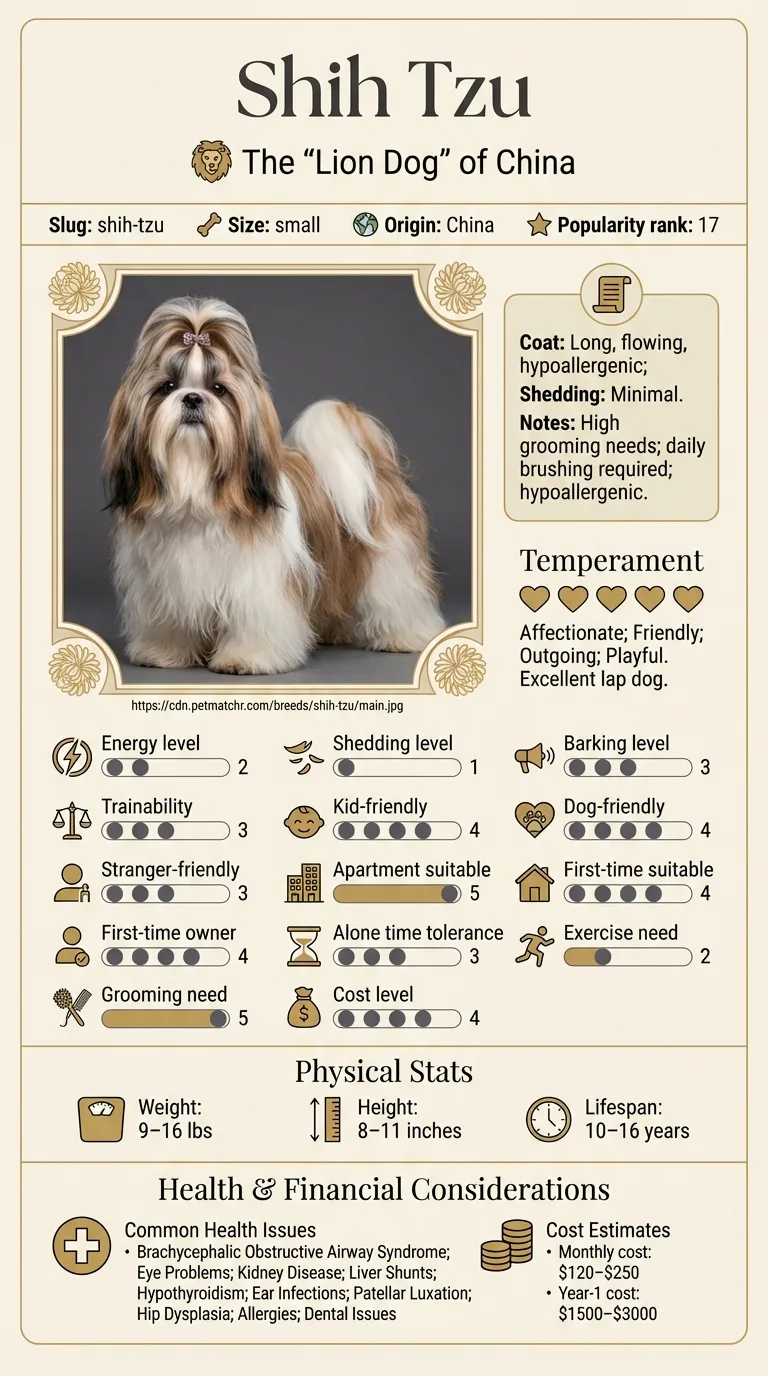
Owners of Shih Tzus, especially first-time pet parents or those unfamiliar with specific breed health issues, often find themselves struggling with this problem. Recognizing the signs and knowing how to prevent kidney stones is crucial for maintaining their beloved companion's well-being.
This guide is not medical advice. If your dog shows pain, sudden behavior change, or worsening symptoms, consult a licensed veterinarian.
Some links may be affiliate links. We may earn a commission at no extra cost to you. We only suggest products we believe are helpful for dog owners.
We research and check what we publish, but we do not warrant that any figure, date, price, or statement is accurate, complete, or current, and we accept no liability for any loss, cost, injury, or other harm arising from the use of this site. Use it as one reference among several. You remain responsible for your own decisions and for your dog's care - confirm anything that matters with a licensed veterinarian or another qualified professional before you act on it. Full disclaimer.
Check this first
Recognizing when your Shih Tzu's kidney stones are an emergency is crucial. If you notice any of the following red-flag signs, call your vet immediately. These include severe pain, inability to urinate, blood in the urine, or vomiting. Additionally, if your dog appears lethargic or has a swollen abdomen, it’s time to seek professional help.
In contrast, there are mild cases that you can monitor at home. If your Shih Tzu is occasionally straining to urinate but still able to pass some urine, this may not require an immediate vet visit. Similarly, if your dog shows mild discomfort or a slightly decreased appetite without other severe symptoms, you can keep an eye on them and develop a plan. However, ensure you reach out to your vet for guidance on managing these symptoms effectively.
It's essential to maintain regular check-ups, especially since Shih Tzus can be prone to kidney stones. Early detection through routine examinations can help prevent emergencies. If your dog has a history of kidney issues, be extra vigilant and consult your vet about any changes in behavior or health. Knowing the difference between an emergency situation and one that can be monitored can help you provide the best care for your furry friend.
If any of these apply, call your vet or an emergency clinic now. The rest of this page is for the cases that are not an emergency.
Shih Tzu kidney stones can lead to painful urination and frequent trips to the bathroom. These small stones form in the kidneys and can block the urinary tract, causing discomfort and health issues. If your Shih Tzu is straining to urinate or exhibiting signs of pain, it might indicate a kidney stone problem.
Kidney stones are a fairly common health issue for Shih Tzus, particularly as they age. Regular vet check-ups can help catch these problems early, especially in breeds prone to kidney issues.
Shih Tzus are prone to certain health issues, including kidney stones. Their small size can contribute to urinary tract problems, making them more susceptible to developing stones. Genetic factors may also play a role in their likelihood of having kidney stones.
Environmental factors such as diet and hydration can greatly impact a Shih Tzu's kidney health. A diet high in certain minerals, especially if not balanced, can lead to stone formation. Additionally, insufficient water intake can concentrate urine, increasing the risk of kidney stones.
If your Shih Tzu exhibits symptoms such as frequent urination, straining to urinate, or blood in the urine, contact your vet immediately. Regular check-ups are essential, especially if your dog has a history of kidney stones.
Here are some common mistakes that can worsen Shih Tzu kidney stones and safer alternatives to consider.
Start here: Shih Tzu Most Common Genetic Disorders: What to Screen For
See all Shih TZU health problems, which breeds are prone to kidney stones, or the full Shih TZU breed guide for temperament, exercise needs and ownership costs.
You can expect to see improvements in your Shih Tzu's condition within 4 to 6 weeks after implementing dietary changes and proper hydration habits.
Success means your Shih Tzu shows fewer signs of discomfort, has regular and healthy urination, and does not develop new stones.
Emily, a busy nurse in Chicago, noticed her Shih Tzu, Bella, was often restless and in pain. After a vet visit, she learned Bella had kidney stones. Determined to help her pup, Emily changed Bella's diet to include more water-rich foods and added a vet-recommended supplement. Within weeks, Bella seemed happier, and her discomfort lessened significantly. Emily also learned to monitor Bella's water intake closely, which became part of their daily routine.
Key takeaway: With the right diet and hydration, managing Shih Tzu kidney stones is possible, leading to a happier and healthier dog.
Shih Tzus can develop kidney stones due to genetic factors, diet, and dehydration. Some breeds are more prone to urinary issues, and poor hydration can lead to stone formation. Regular vet check-ups and a balanced diet can help prevent this problem.
To prevent kidney stones in your Shih Tzu, ensure they drink plenty of water and eat a diet specifically formulated for kidney health. Regular exercise and routine vet visits can also help identify any potential issues early on. You might need to adjust their diet based on your vet's recommendations.
Signs of kidney stones in Shih Tzus can include difficulty urinating, blood in the urine, or frequent attempts to urinate with little success. You may also notice signs of pain or discomfort. If you observe any of these symptoms, consult your vet immediately.
Yes, kidney stones can be treated in Shih Tzus, often through dietary changes or medication. In more severe cases, surgery may be necessary to remove the stones. Always follow your vet's advice for the best treatment options.
The long-term outlook for a Shih Tzu with kidney stones can be good with proper treatment and management. Regular vet check-ups and a suitable diet are crucial for preventing recurrence. Early intervention is key to maintaining their health.
Common signs of kidney stones in Shih Tzus include frequent urination, straining to urinate, blood in the urine, or signs of pain while urinating. If you notice any of these symptoms, it's important to consult your vet as soon as possible.
Yes, older Shih Tzus may experience more severe symptoms from kidney stones due to other underlying health issues. Regular check-ups become increasingly important for older dogs to catch any potential problems early.
To help prevent kidney stones, ensure your Shih Tzu stays well-hydrated and eats a balanced diet recommended by your vet. Regular exercise and monitoring their weight can also reduce the risk.
Not always. Depending on the size and type of kidney stones, your vet may recommend dietary changes or medications before considering surgery. It's best to discuss all options with your veterinarian.
Ensure your Shih Tzu stays hydrated, feed them a balanced diet, and schedule regular vet check-ups to monitor kidney health.
It's recommended to take your Shih Tzu for a vet check-up at least once a year, or more frequently if they have a history of kidney issues.
Consider feeding your Shih Tzu a diet low in oxalates and high in moisture to help prevent kidney stones. Consult your vet for tailored dietary recommendations.
A one-page prep sheet for this condition: the signs, the questions to ask, what to get priced. Unlocks here.
You get: Vet visit prep sheet
No spam. One-click unsubscribe. See our privacy policy.
Preview page 1 before you decide.