Health
Is exercise-induced collapse a Sheltie condition?
No. It is a genetic condition characterised in Labradors and does not appear on the Shetland Sheepdog's documented health profile.

Quick answer
Is exercise-induced collapse a Sheltie condition?
No. It is a genetic condition characterised in Labradors and does not appear on the Shetland Sheepdog's documented health profile.
A dog who collapses after five minutes of hard running has told you something important. The trick is that at least six different systems can produce that same picture, and the details you notice in the first minute decide which one it is.
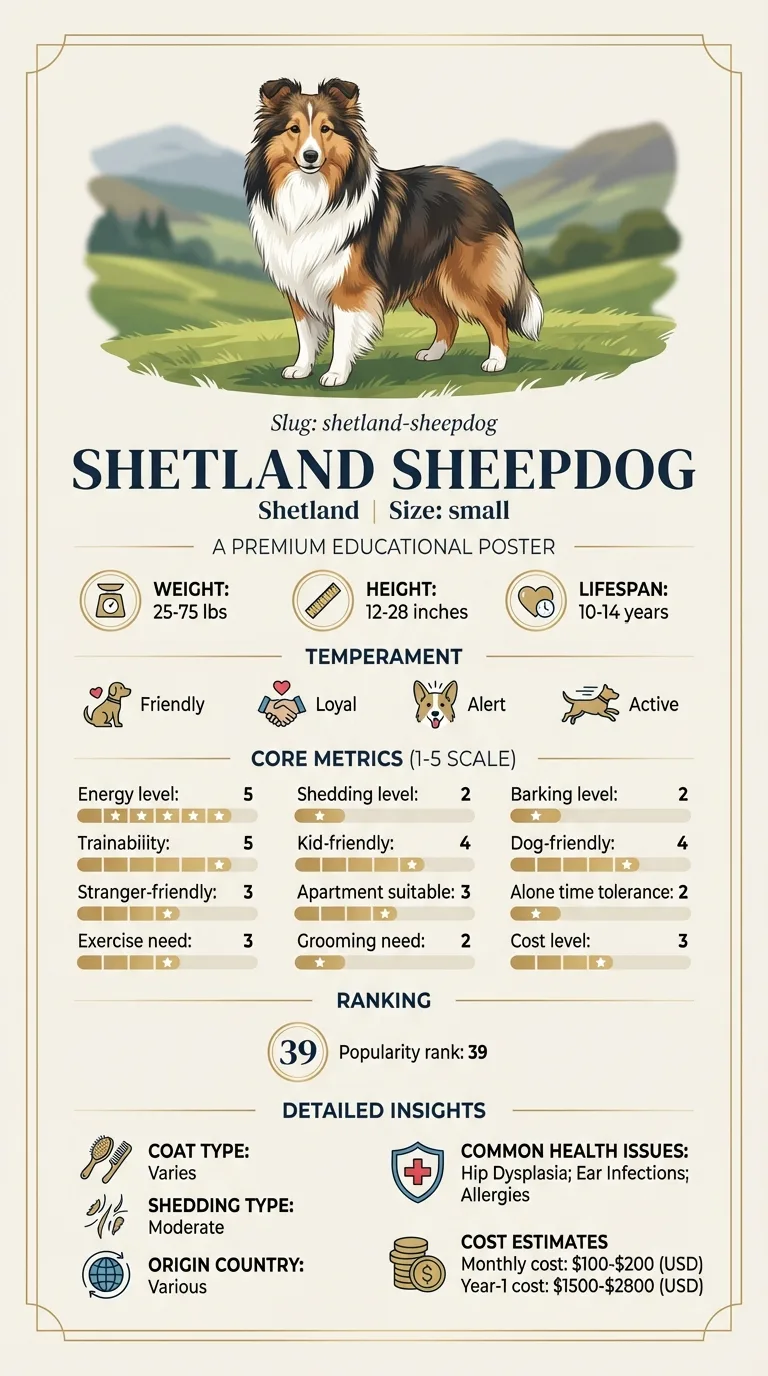
Owners whose agility or flyball Sheltie has gone down during a session. People whose dog collapses on hot days but not cool ones. Anyone trying to work out what to write down before a veterinary appointment.
This guide is not medical advice. If your dog shows pain, sudden behavior change, or worsening symptoms, consult a licensed veterinarian.
Some links may be affiliate links. We may earn a commission at no extra cost to you. We only suggest products we believe are helpful for dog owners.
We research and check what we publish, but we do not warrant that any figure, date, price, or statement is accurate, complete, or current, and we accept no liability for any loss, cost, injury, or other harm arising from the use of this site. Use it as one reference among several. You remain responsible for your own decisions and for your dog's care - confirm anything that matters with a licensed veterinarian or another qualified professional before you act on it. Full disclaimer.
Collapse during or after exercise means the body could not sustain what was being asked of it, and the failing system might be temperature regulation, circulation, energy supply, the nervous system or the musculoskeletal frame. The named genetic syndrome called exercise-induced collapse is only one entry on that list and belongs to particular retrieving breeds. For a Shetland Sheepdog the investigation should start broad, and the most probable answer relates to heat.
The named genetic syndrome is effectively absent in this breed. Collapse from overheating, by contrast, is a genuine and seasonal risk for any double-coated dog exercised hard in summer, and veterinary practices see a predictable cluster of heat-related emergencies every warm spell. Cardiac and neurological causes of collapse occur at the ordinary rate for a breed with a 12 to 14 year lifespan.
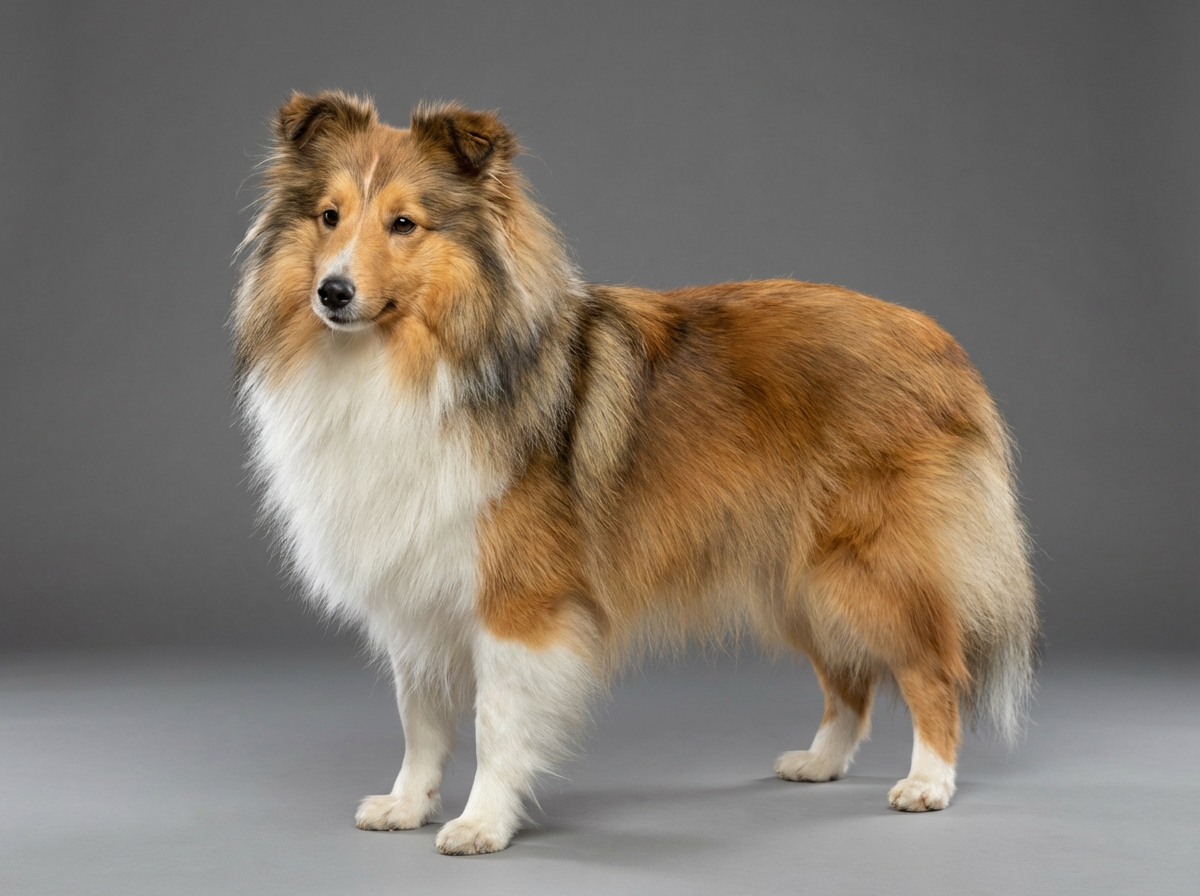
Coat is the dominant breed factor. The Shetland Sheepdog carries a long, dense double coat with heavy seasonal shedding, developed for cold and wet conditions and rated four out of five for grooming demand. When the loosened undercoat is not raked out it packs into an insulating layer that blocks heat radiating from the skin. Combine that with an energy level of four out of five and an exercise need of four out of five, and you have a dog who will keep working past the point at which she can shed the heat she is generating. Hypothyroidism, documented in the breed, independently reduces stamina and heat tolerance.
Temperature and humidity dominate, and humidity is the underrated one, because panting cools by evaporation and evaporation slows when the air is already saturated. Time of day matters enormously: the same walk at two in the afternoon and at seven in the morning are different physiological events in July. Hard surfaces radiate stored heat upward at a small dog's body level. Competitive settings compound everything, since a dog waiting in a hot car park before a run starts the effort already warm.
Treat suspected heatstroke as an immediate emergency: frantic unrelenting panting, bright red gums, thick ropy drool, staggering, vomiting or collapse on a warm day. Begin cooling with cool water and moving air at once and drive to the nearest veterinary hospital while cooling continues, phoning from the road. Do not stop because the dog seems better. Go urgently too for collapse with pale, grey or blue gums at any temperature, for repeated collapses, or for a dog who does not return fully to normal afterwards. Book a prompt appointment after any single collapse even in a dog who recovered completely, and take your written observations with you.
See all Shetland Sheepdog health problems, which breeds are prone to exercise induced collapse eic, or the full Shetland Sheepdog breed guide for temperament, exercise needs and ownership costs.
A workup usually spans two to six weeks, since cardiac monitoring and bloodwork are often booked separately. A dog treated promptly for heatstroke may need several days of hospital care, and full assessment of organ damage takes a week or more. Where heat is the cause, coat and schedule changes take effect immediately.
A dog who exercises within her limits, recovers to a normal breathing rate within a few minutes, and does not collapse again. In many cases success means a definite explanation, a change of grooming and scheduling habits, and no medical treatment at all.
Collapse is almost never witnessed by a vet. Your observation is the primary evidence, and these specific points are what narrow the list.
For a Shetland Sheepdog, the first cause to consider in any exercise collapse is overheating. This is a breed carrying a long, dense double coat with a woolly insulating undercoat, developed for cold, wet, windy conditions. Dogs cannot sweat meaningfully; they lose heat by panting and by radiating from the skin, and a heavy undercoat obstructs the second of those. A Sheltie who has not had her dead undercoat raked out is wearing a thermal layer she cannot take off.
Heatstroke is a genuine emergency and it kills. The signs are frantic panting that will not slow, thick ropy drool, bright red gums, staggering, vomiting or diarrhoea, and eventually collapse. If you suspect it, start cooling immediately with cool, not iced, water over the body, get air moving over the wet coat, and drive to a veterinary hospital while cooling continues. Do not wait to see whether she recovers on the way. Internal damage from heatstroke continues after the dog appears to have improved.
The other causes worth naming are cardiac, where the heart cannot maintain output during exertion; low blood sugar, particularly in a diabetic dog on insulin; orthopaedic pain causing a dog to go down rather than genuinely collapse; and neurological events. Hypothyroidism, documented in this breed, produces exercise intolerance and lethargy that owners sometimes describe as collapse.
Any of these deserves veterinary assessment, and the investigation will likely include bloodwork, cardiac assessment and possibly a wearable heart monitor. If sedation is required at any point, the breed's documented MDR1 drug sensitivity is relevant and is worth having tested in advance.

Ceilidh collapsed at a flyball tournament in early July after her second run of the morning. She was down for about eight minutes, hot to the touch, panting frantically, and her owner Dougal poured water over her and drove straight to the nearest practice. She was treated for heatstroke, kept in overnight and made a full recovery. The vet asked about her grooming. Dougal brushed her regularly, but only the top layer, and when the vet parted the coat over her hindquarters the dead undercoat came out in solid handfuls. She had been running in what amounted to a thermal blanket. Cardiac assessment and thyroid bloods that week were both normal. Dougal now strips her out fully every spring, competes only at morning slots after May, and keeps a soaked towel in a cool box at every event.
Key takeaway: Brushing the surface of a double coat is not grooming it. The dead undercoat underneath is what stops a Sheltie losing heat.
The named genetic syndrome has been established in Labradors and some related retrieving breeds, not in Shetland Sheepdogs. It does not appear on this breed's documented health list, so a collapsing Sheltie needs a genuine diagnostic workup rather than a label.
Overheating, particularly in a dog whose undercoat has not been raked out or who has exercised in warm, humid conditions. The double coat that insulates against cold works against heat loss just as effectively.
Cool water over the body, not iced, and moving air across the wet coat. Get the water down to the skin through a heavy coat rather than just wetting the surface. Then drive to a hospital while continuing to cool, phoning ahead.
Pause it until your dog has been assessed. One collapse is not necessarily a career ender, but continuing to work a dog whose cause is unknown risks a much worse event. Substitute scentwork or trick training meanwhile.
Generally not recommended for this breed, since the coat also shields from sun and often regrows poorly. Thorough removal of the dead undercoat by brushing achieves the airflow without the drawbacks, and it is the more effective intervention.
Typically bloodwork including thyroid and glucose, a full cardiac examination, and often a wearable rhythm monitor worn at home, since intermittent arrhythmias rarely appear during a short clinic recording.
No. It is a genetic condition characterised in Labradors and does not appear on the Shetland Sheepdog's documented health profile.
Heatstroke. Frantic panting, bright red gums, thick drool and staggering on a warm day mean immediate cooling and an emergency hospital.
How long she had been exercising, the temperature, whether she went limp or stiff, her gum colour, and how long recovery took.
Considerably. A packed, unbrushed undercoat blocks heat loss through the skin, leaving panting as the only cooling route available.
Bloodwork, cardiac assessment and monitoring run several hundred dollars or more, well above a normal monthly budget of eighty to a hundred and fifty.
A one-page prep sheet for this condition: the signs, the questions to ask, what to get priced. Unlocks here.
You get: Vet visit prep sheet
No spam. One-click unsubscribe. See our privacy policy.
Preview page 1 before you decide.