DogBreedCompass
← Back to breed profile

Rottweiler Mix Immune-Mediated Thyroiditis: What You Need to Know

Rottweiler Mix immune-mediated thyroiditis is a serious health concern that affects your dog's thyroid function. This autoimmune disease can lead to various health issues if left untreated.

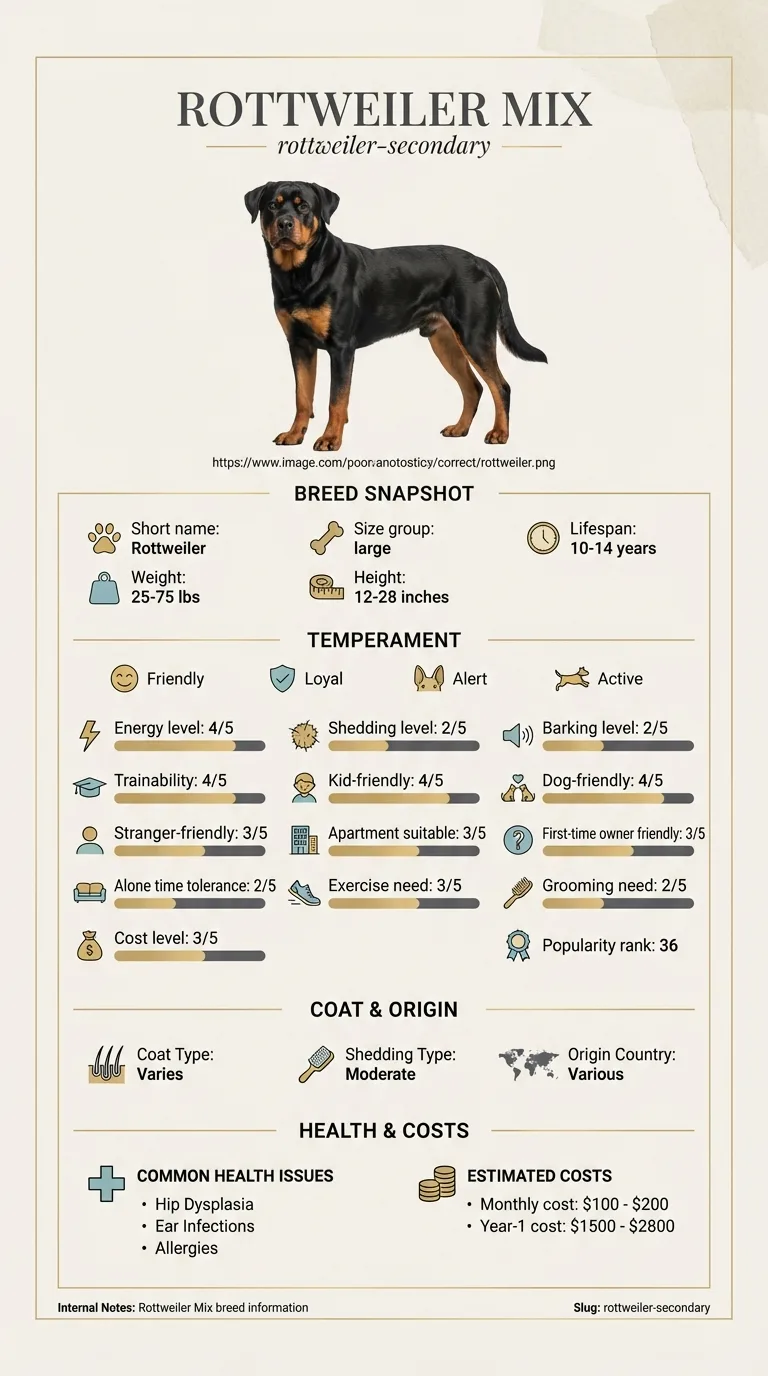
Rottweiler Mix Immune-Mediated Thyroiditis: What You Need to Know infographic

Owners who notice unusual behavior or health changes in their Rottweiler Mix may struggle with identifying the cause. New dog parents or those unfamiliar with autoimmune conditions often find this particularly challenging.

Important reminder

This guide is not medical advice. If your dog shows pain, sudden behavior change, or worsening symptoms, consult a licensed veterinarian.

Some links may be affiliate links. We may earn a commission at no extra cost to you. We only suggest products we believe are helpful for dog owners.

What this problem looks like

Rottweiler Mix immune-mediated thyroiditis is an autoimmune condition affecting the thyroid gland. This can lead to symptoms like weight gain, lethargy, and changes in behavior. Owners often notice these issues gradually, which can make them difficult to identify at first.

Common triggers

  • Genetic predisposition
  • Environmental factors
  • Infections or stress

Immune-mediated thyroiditis is relatively common in Rottweiler Mixes, especially as they age. While it can affect any dog, certain breeds are more prone to autoimmune diseases, making awareness vital for early intervention.

Why this happens

Breed factors

Rottweiler Mixes can be predisposed to immune-mediated thyroiditis due to their genetic background. Certain breeds within this mix may have a higher risk for autoimmune disorders, including thyroid issues. This genetic factor can make them more susceptible to conditions where their immune system mistakenly attacks their thyroid gland.

Environment factors

Environmental factors can also contribute to immune-mediated thyroiditis in Rottweiler Mixes. Stressful situations, poor diet, and exposure to toxins can weaken their immune system. Additionally, a lack of proper exercise or socialization can lead to stress and anxiety, which may exacerbate health issues.

What you can try

At-home strategies

  • Create a stable routine for your Rottweiler Mix, including regular feeding and exercise times. This helps reduce stress and anxiety.
  • Provide a nutritious, balanced diet that supports their immune system. Consult with your vet for recommendations on high-quality dog food.
  • Engage in gentle, regular exercise to keep your Rottweiler Mix physically and mentally stimulated. Daily walks and playtime can improve their overall well-being.
  • Incorporate calming activities, such as puzzle toys or gentle training sessions, to help reduce anxiety.
  • Observe your dog for any signs of stress or discomfort. Keeping a journal of their behavior can help identify potential triggers.

When to consider a trainer

If your Rottweiler Mix shows signs of extreme anxiety or behavioral issues, consider reaching out to a professional dog trainer. They can provide tailored strategies to help manage anxiety and improve behavior. Group classes can also offer socialization opportunities, which are beneficial for reducing stress.

When to talk to your vet

If you notice symptoms like lethargy, weight changes, or unusual behavior, it's essential to talk to your vet. They can diagnose any underlying health conditions, including immune-mediated thyroiditis, and recommend appropriate treatment. Regular check-ups are crucial to monitor your Rottweiler Mix’s health.

Realistic expectations

Managing Rottweiler Mix immune-mediated thyroiditis typically takes 3 to 6 months of consistent care and monitoring. It may require regular vet visits and adjustments to treatment plans.

Success means your Rottweiler Mix shows improved energy levels, stable weight, and normalized thyroid hormone levels. Regular vet check-ups will confirm that their condition is under control.

Mistakes that make this worse

Here are some common mistakes that can worsen immune-mediated thyroiditis in your Rottweiler Mix and what you can do instead.

  • Ignoring symptoms: Many owners overlook signs of illness such as lethargy or weight changes. Regular vet check-ups can help catch these issues early.
  • Neglecting nutrition: Feeding low-quality food can harm your dog's immune system. Invest in high-quality dog food specifically formulated for immune health.
  • Skipping medication: If your vet prescribes medication, be consistent. Missing doses can lead to more severe health problems.
  • Overlooking exercise: Too much or too little exercise can affect your dog's overall health. Find a balanced routine that suits their energy level.
  • Not monitoring weight: Weight gain or loss can be symptoms of thyroid issues. Keep track of your dog's weight and discuss changes with your vet.
  • Delaying veterinary visits: Waiting too long to consult a vet can result in complications. Schedule appointments promptly if you notice any changes in behavior or health.
  • Self-diagnosing: Avoid trying to diagnose your dog’s condition based on online research. Always consult a vet for accurate diagnosis and treatment plans.

When Rottweiler Mix Immune-Mediated Thyroiditis is an Emergency

Recognizing when Rottweiler Mix immune-mediated thyroiditis becomes an emergency is crucial for your pet’s health. Certain signs indicate that you should call your vet immediately. These include severe lethargy, sudden weight loss, vomiting, or difficulty breathing. If your dog is showing any of these symptoms, don’t wait; seek professional help right away.

Rottweiler Mix Immune-Mediated Thyroiditis: What You Need to Know - When Rottweiler Mix Immune-Mediated Thyroiditis is an Emergency

When to Watch and Wait

In less severe cases of immune-mediated thyroiditis, you can monitor your Rottweiler Mix at home. If your dog is experiencing mild symptoms like slight fatigue or a minor change in appetite, it’s often best to observe them. Keep track of any changes over a few days and consult your vet if symptoms persist or worsen.

Rottweiler Mix Immune-Mediated Thyroiditis: What You Need to Know - When to Watch and Wait

Finding Balance with Max: A Rottweiler Mix's Journey

When Lisa adopted Max, her Rottweiler Mix, she noticed he was often lethargic and had a poor appetite. After consulting with her vet, Lisa learned that Max had immune-mediated thyroiditis. Determined to help him, she followed a strict medication schedule and adjusted his diet to include more nutritious food. Over the next few months, Max gradually regained his energy and started enjoying walks again. Lisa also learned how to recognize signs of discomfort and managed them effectively, allowing Max to thrive despite his condition.

Key takeaway: With the right support and treatment plan, Rottweiler Mixes like Max can lead happy, healthy lives, even with immune-mediated thyroiditis.

Frequently asked questions

Why does my Rottweiler Mix have immune-mediated thyroiditis?

Rottweiler Mix immune-mediated thyroiditis is an autoimmune disorder where the body's immune system mistakenly attacks the thyroid gland. This can lead to low hormone production, affecting energy levels and overall health. Genetics and environmental factors may contribute to the condition.

How can I tell if my Rottweiler Mix has thyroiditis?

Common signs of immune-mediated thyroiditis in Rottweiler Mixes include weight gain, lethargy, and changes in coat quality. You might also notice increased shedding or skin issues. If you observe these symptoms, consult your vet for a thorough examination.

What are the treatments for Rottweiler Mix immune-mediated thyroiditis?

Treatment typically involves hormone replacement therapy, which can help manage the symptoms. Your veterinarian may also recommend a special diet or supplements to support your dog's health. Regular check-ups will be essential to monitor your dog's condition.

Can immune-mediated thyroiditis be prevented in Rottweiler Mixes?

While you can't completely prevent immune-mediated thyroiditis, maintaining a healthy lifestyle for your Rottweiler Mix can reduce risks. This includes a balanced diet, regular exercise, and routine veterinary care. Keeping your dog stress-free also plays an important role.

What is the long-term outlook for dogs with immune-mediated thyroiditis?

With proper treatment and management, many Rottweiler Mixes can lead healthy lives despite having immune-mediated thyroiditis. Regular follow-up appointments with your vet will help ensure your dog's health is monitored closely. Early intervention can also make a significant difference.

What are the symptoms of immune-mediated thyroiditis in a Rottweiler Mix?

Symptoms may include weight gain, lethargy, and changes in coat condition. You might also notice increased sensitivity to cold or skin issues. Keep an eye out for any unusual behavior.

Can immune-mediated thyroiditis be managed without medication?

While some dietary changes and lifestyle adjustments may help, it's essential to consult a veterinarian for a proper treatment plan. Medications are often necessary to manage this condition effectively.

How often should I take my Rottweiler Mix to the vet for thyroid issues?

Regular check-ups, ideally every 6 to 12 months, are essential for monitoring your dog's thyroid levels. If your Rottweiler Mix shows any symptoms, contact your vet sooner.

Is immune-mediated thyroiditis common in older Rottweiler Mixes?

Yes, older Rottweiler Mixes can be more susceptible to immune-mediated thyroiditis. Regular screenings can help catch issues early and lead to better outcomes.

What should I do if my Rottweiler Mix is diagnosed with immune-mediated thyroiditis?

Follow your vet's treatment plan closely, which may include medication and dietary adjustments. Consistent monitoring and support can improve your dog's quality of life.

Quick answers

View more answers
Health

What are quick tips for managing Rottweiler Mix immune-mediated thyroiditis?

Focus on consistent medication schedules and regular vet visits to monitor your dog's thyroid levels. A balanced diet and moderate exercise can also help maintain their overall health.

Costs

How much does it cost to treat Rottweiler Mix immune-mediated thyroiditis?

Initial treatment costs can range from $1,500 to $2,800 in the first year, including vet visits and medications. Ongoing costs may vary but budget around $100 to $200 monthly for medication and care.

Training

Can training help my Rottweiler Mix with anxiety related to thyroiditis?

Yes, training can provide mental stimulation and help manage anxiety. Consider gentle training techniques to build confidence and reduce stress for your Rottweiler Mix.

Related DogBreedCompass guides

  • Rottweiler Mix common health issuesLearn about common health issues that can affect Rottweiler Mixes, including immune-mediated thyroiditis.
  • Rottweiler Mix separation anxiety guideGet tips on preventing and managing separation anxiety, which can be common in Rottweiler Mixes.
  • Rottweiler Mix behavior problemsExplore training strategies specifically designed for Rottweiler Mixes dealing with behavior problems.
  • Rottweiler Mix ownership costsUnderstand the costs associated with owning a Rottweiler Mix, including medical expenses.
  • How to stop Rottweiler Mix immune-mediated thyroiditisDiscover tips on how to stop Rottweiler Mix immune-mediated thyroiditis for better health.

Related guides