DogBreedCompass
← Back to breed profile

Rottweiler Mix Liver Shunts: What You Need to Know

Rottweiler Mix liver shunts can be a serious health concern for your pet.

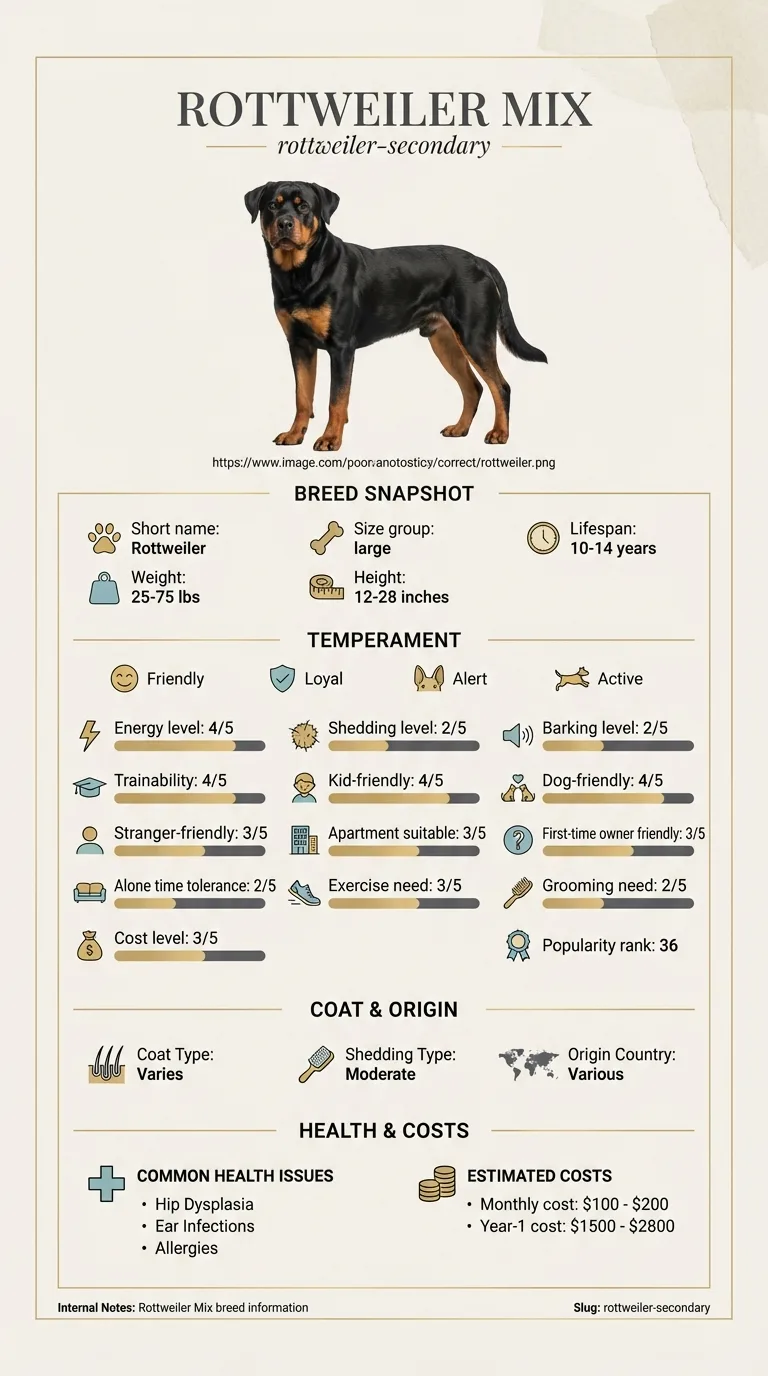
Rottweiler Mix Liver Shunts: What You Need to Know infographic

Owners of Rottweiler Mixes, especially first-time dog owners, may struggle with identifying liver shunts. The symptoms can be subtle, and many are unsure how to help their beloved pets.

Important reminder

This guide is not medical advice. If your dog shows pain, sudden behavior change, or worsening symptoms, consult a licensed veterinarian.

Some links may be affiliate links. We may earn a commission at no extra cost to you. We only suggest products we believe are helpful for dog owners.

What this problem looks like

Rottweiler Mix liver shunts can present serious health challenges. This condition occurs when abnormal blood vessels bypass the liver, leading to toxins building up in the bloodstream. Day-to-day, affected dogs may exhibit symptoms like lethargy, poor appetite, or even neurological issues, which can be alarming for owners.

Common triggers

  • Genetic predisposition, especially in some mixed breeds.
  • Dietary indiscretion, such as eating garbage or non-food items.
  • Stressful situations that may exacerbate underlying conditions.

Liver shunts are relatively uncommon in Rottweiler Mixes, but when they occur, they can be serious. While not every Rottweiler Mix will face this issue, awareness and early detection are key to managing it effectively.

Why this happens

Breed factors

Certain Rottweiler Mixes may be predisposed to liver shunts due to genetic factors. These abnormalities in the blood vessels can impair liver function, leading to serious health issues. Understanding your dog's lineage can help identify potential risks.

Environment factors

Environmental factors, such as poor diet and lack of exercise, can contribute to liver health problems. Dogs that are overfed or consume low-quality food might face an increased risk. Additionally, exposure to toxins or medications without veterinary guidance can worsen liver conditions.

What you can try

At-home strategies

  • Provide a balanced diet: Focus on high-quality dog food rich in nutrients. Consult your vet for specific dietary recommendations tailored to your Rottweiler Mix.
  • Regular exercise: Engage your dog in daily workouts to maintain a healthy weight and promote liver health. Aim for at least 30 minutes of activity each day.
  • Monitor behavior: Keep an eye on your dog's energy levels, appetite, and any unusual symptoms. Early detection of changes can help address potential health issues.

When to consider a trainer

If your Rottweiler Mix shows signs of anxiety or behavioral issues related to their condition, consider hiring a trainer. They can help develop a structured plan to manage stress and promote positive behaviors.

When to talk to your vet

Contact your vet if you notice symptoms like vomiting, lethargy, or jaundice. These can indicate liver problems that require professional evaluation. Early intervention is key to improving your dog's health.

Realistic expectations

Managing liver shunts in a Rottweiler Mix can take several weeks to months of consistent care and treatment. Regular vet visits and monitoring are essential during this time.

Success looks like a gradual improvement in your dog's health, increased energy levels, and a decrease in symptoms related to liver shunts. With a tailored diet and proper medication, your Rottweiler Mix can lead a happy, active life.

Mistakes that make this worse

Avoid these common mistakes to help your Rottweiler Mix with liver shunts. Each mistake can reinforce the problem or delay improvement.

  • Ignoring Symptoms: Failing to recognize signs of liver shunts, like lethargy or poor appetite, can worsen your dog's condition. Always monitor your dog's health closely and consult with a vet if you notice unusual behavior.
  • Inconsistent Feeding Schedule: Random feeding times can stress your Rottweiler Mix and impact liver health. Maintain a regular feeding schedule with high-quality food to support their nutritional needs.
  • Neglecting Vet Visits: Skipping regular vet check-ups can lead to missed opportunities for early intervention. Schedule regular appointments to monitor your dog's liver function and overall health.
  • Overlooking Training: Not addressing behavioral issues can cause stress, which may aggravate liver problems. Invest time in training and positive reinforcement to help your dog feel secure and less anxious.
  • Misinformed Dietary Choices: Feeding unhealthy treats or table scraps can worsen liver function. Stick to a vet-recommended diet that’s appropriate for liver health.
  • Lack of Exercise: A sedentary lifestyle can contribute to overall health decline. Ensure your Rottweiler Mix gets regular, appropriate exercise to maintain a healthy weight and support liver function.
  • Ignoring Mental Stimulation: Boredom can lead to stress and anxiety, which can negatively affect liver health. Provide toys, puzzles, and training activities to keep your dog mentally engaged.

When Rottweiler Mix Liver Shunts Are an Emergency

Recognizing when liver shunts in your Rottweiler Mix are an emergency is crucial. Immediate veterinary attention is required if your dog shows severe symptoms such as seizures, persistent vomiting, or sudden lethargy. These signs indicate a significant risk to your dog's health due to the liver's inability to detoxify the blood effectively.

Rottweiler Mix Liver Shunts: What You Need to Know - When Rottweiler Mix Liver Shunts Are an Emergency

When to Watch and Wait

If your Rottweiler Mix has mild symptoms, like occasional vomiting or decreased appetite, you can monitor these changes closely. Keeping a detailed log of your dog's behavior and symptoms can be helpful. Schedule a vet visit if these symptoms persist or worsen, but don't panic unless more severe signs appear.

Rottweiler Mix Liver Shunts: What You Need to Know - When to Watch and Wait

Jake's Journey with Liver Shunts

When Sarah adopted Jake, her playful Rottweiler Mix, she quickly noticed he was not as energetic as other dogs. After a vet visit, she learned he had liver shunts. Determined to help him, Sarah followed a strict diet plan and administered medication as prescribed. Over time, Jake's energy returned, and he became the lively companion she hoped for. Sarah learned to monitor his behavior closely and made adjustments as needed, ensuring he stayed healthy.

Key takeaway: With patience and diligence, you can effectively manage liver shunts in your Rottweiler Mix, leading to a happier and healthier life for your furry friend.

Frequently asked questions

Why does my Rottweiler Mix have liver shunts?

Liver shunts in Rottweiler Mixes are often due to portal vein abnormalities that prevent blood from flowing properly through the liver. This condition can be congenital or develop over time. If you suspect your dog has this issue, consulting a veterinarian for proper diagnosis and treatment is essential. This answer relates to Rottweiler Mix liver shunts.

How can I help my Rottweiler Mix with liver shunts?

To help your Rottweiler Mix with liver shunts, it's crucial to follow a vet-recommended diet that minimizes toxins. Regular check-ups and potential medication can also manage symptoms. Surgery may be necessary in severe cases to correct the shunt.

What are the signs of liver shunts in my Rottweiler Mix?

Signs of liver shunts can include poor growth, vomiting, lethargy, and seizures. You may also notice unusual behavior or sensitivity to certain foods. If you see these symptoms, consult your vet immediately.

Are liver shunts common in Rottweiler Mixes?

Liver shunts are not the most common issue in Rottweiler Mixes, but they can occur due to genetic predispositions. Knowing the breed's history can help you stay vigilant for potential health concerns. Regular veterinary care is essential in early detection.

Can training help with behavior issues related to liver shunts?

While training won't fix liver shunts, it can help manage behavior issues caused by discomfort or stress. Positive reinforcement techniques can be beneficial. Consult a trainer experienced with medical issues for tailored strategies.

What are the signs of liver shunts in Rottweiler Mixes?

Common signs of liver shunts in Rottweiler Mixes include poor growth, vomiting, lethargy, and seizures. If you notice any unusual behavior or symptoms, it’s essential to consult a vet for proper diagnosis and treatment.

Can liver shunts be treated in older Rottweiler Mixes?

Yes, although treatment may be more complicated in older dogs. Surgical options can be considered, but your vet will evaluate the risks and benefits based on your dog's overall health and age.

How can I manage my Rottweiler Mix with liver shunts?

Managing a Rottweiler Mix with liver shunts often involves dietary changes and medication to support liver function. Regular vet check-ups are crucial to monitor their condition and adjust the treatment plan as needed.

What causes liver shunts in Rottweiler Mixes?

Liver shunts can be congenital, meaning they are present at birth due to abnormal blood vessel development. Other factors may include liver diseases that develop over time, affecting blood flow.

Can liver shunts be prevented in Rottweiler Mix puppies?

While you can't completely prevent liver shunts, responsible breeding practices can reduce the risk. Ensuring that you buy from reputable breeders who screen for genetic conditions can help keep your future pup healthy.

Quick answers

View more answers
Health

What are quick tips for managing Rottweiler Mix liver shunts?

Monitor your dog's diet closely and ensure it follows veterinary recommendations. Regular vet visits are essential for managing symptoms. Consider joining a support group for owners of dogs with similar conditions.

Costs

How much does treatment for liver shunts cost?

Treatment for liver shunts can vary widely, ranging from $1,500 to $5,000 depending on the severity and type of treatment needed. It's crucial to discuss costs with your vet beforehand.

Living

Can Rottweiler Mix liver shunts be prevented?

While some liver shunts are congenital and can't be prevented, good breeding practices can reduce the risk. Regular health screenings can help catch issues early.

Health

What should I do if my Rottweiler Mix shows signs of liver issues?

If you notice signs like vomiting or lethargy, take your dog to the vet immediately for evaluation. Early intervention is key to better outcomes.

Living

Is exercise important for Rottweiler Mixes with liver shunts?

Moderate, low-stress exercise is essential, but avoid strenuous activities. Always consult your vet to determine the right amount of exercise for your dog's condition.

Related DogBreedCompass guides

  • Rottweiler Mix behavior problemsLearn how to handle behavior issues specific to Rottweiler Mixes.
  • Rottweiler Mix separation anxiety guideUnderstand how separation anxiety can affect your Rottweiler Mix.
  • Rottweiler Mix cost breakdownGet insights into the costs associated with owning a Rottweiler Mix.
  • Rottweiler Mix health issuesFind out more about common health problems in Rottweiler Mixes.
  • Rottweiler Mix liver shunts trainingExplore training tips to prevent liver shunts in Rottweiler Mixes.

Related guides