What are quick tips for Havanese gastrointestinal disorders?
Monitor their diet closely and avoid sudden changes. Regular vet visits are essential for maintaining gastrointestinal health. Keep their feeding schedule consistent to reduce stress.
Havanese gastrointestinal disorders can lead to serious health issues and discomfort for your pet. Recognizing and addressing these problems is crucial for their well-being.

Owners of Havanese dogs often face these gastrointestinal disorders, particularly those who may not be familiar with the breed's specific health needs. New pet parents and those living in busy households may struggle to identify and manage these health issues effectively.
This guide is not medical advice. If your dog shows pain, sudden behavior change, or worsening symptoms, consult a licensed veterinarian.
Some links may be affiliate links. We may earn a commission at no extra cost to you. We only suggest products we believe are helpful for dog owners.
Havanese gastrointestinal disorders can significantly impact their health and happiness. Common issues include inflammatory bowel disease, acid reflux, and hiatal hernias. These conditions often lead to symptoms like vomiting, diarrhea, and discomfort, which can be distressing for both the dog and the owner.
Gastrointestinal disorders are relatively common in Havanese, especially given their sensitive stomachs. Many Havanese owners report dealing with these issues at some point in their dog's life, making it an important consideration for potential owners.
Havanese gastrointestinal disorders can be influenced by their breed characteristics. This small breed is often prone to certain health issues, including those related to the digestive system. Genetic predispositions may lead to conditions like inflammatory bowel disease or pyloric stenosis.
Environmental factors also play a role in gastrointestinal disorders. Stress from changes in routine, poor diet, or exposure to allergens can trigger digestive issues in Havanese dogs. Additionally, their tendency to suffer from separation anxiety can lead to stress-related stomach problems.
If your Havanese shows signs of anxiety or stress that lead to gastrointestinal problems, consider working with a professional trainer. A trainer can help with behavioral modifications and teach you effective strategies to reduce your dog's anxiety.
Consult your veterinarian if your Havanese experiences persistent gastrointestinal issues, such as vomiting or diarrhea. A vet can perform tests to diagnose any underlying health problems and recommend appropriate treatments.
You can expect to see improvements in your Havanese's gastrointestinal health within 4 to 8 weeks after implementing changes.
Success means your Havanese will have more regular bowel movements, reduced stomach upset, and overall better energy levels.
Avoiding these common mistakes can help you manage Havanese gastrointestinal disorders more effectively.
Recognizing when Havanese gastrointestinal disorders become an emergency is crucial for your dog's health. If your Havanese shows severe symptoms, such as persistent vomiting, diarrhea with blood, or signs of dehydration, it’s time to call your vet immediately. These could indicate serious conditions that require prompt treatment.
On the other hand, if your dog has mild gastrointestinal issues like occasional upset stomach or minor changes in appetite, you can usually monitor them at home. Make sure to keep an eye on their eating and drinking habits, and consider adjusting their diet to see if it helps. If symptoms persist for more than a day or worsen, don’t hesitate to consult your vet.
When in doubt, it's always better to err on the side of caution. Your Havanese’s well-being is the priority, and knowing the difference between an emergency and a situation that can be observed is essential for responsible pet ownership.

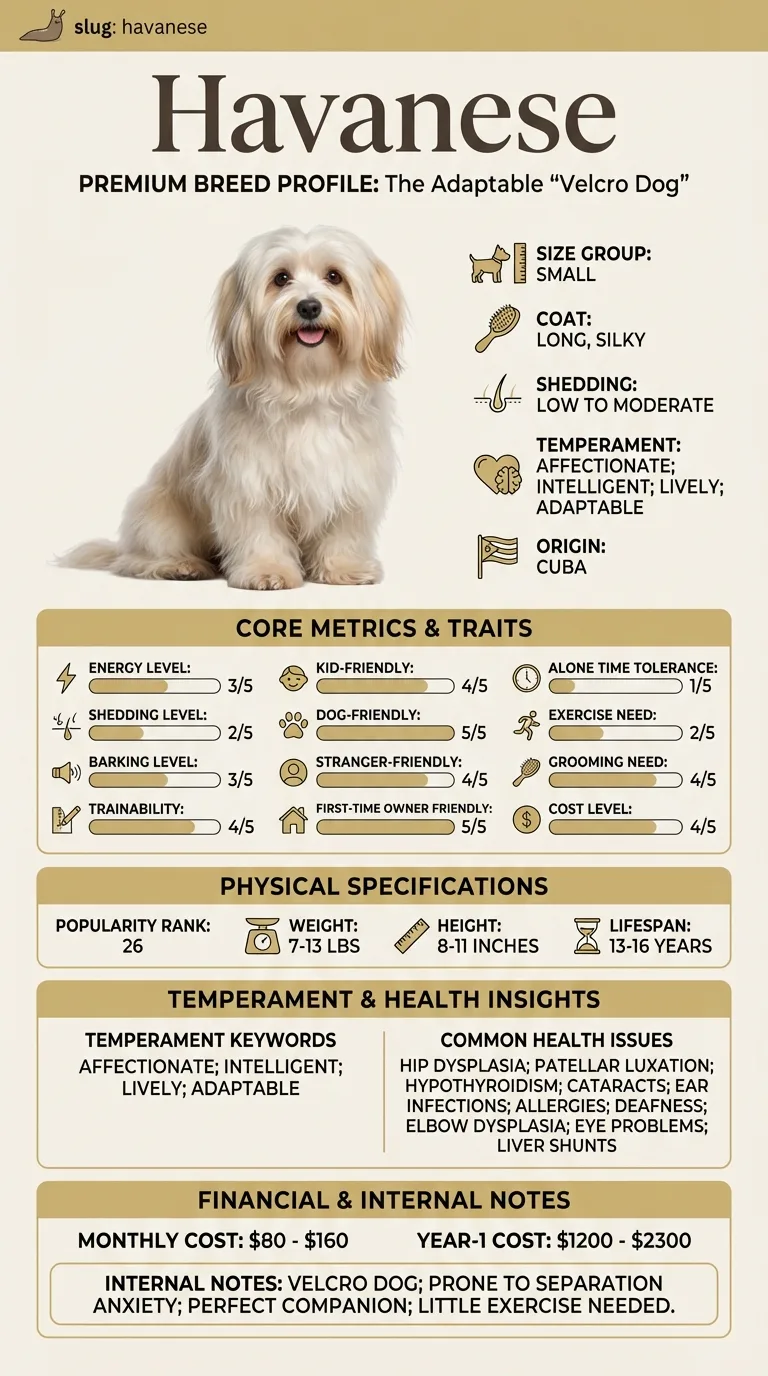
Emily, a first-time Havanese owner, noticed her puppy Bella frequently had upset stomachs, leading to vomiting and diarrhea. After consulting her vet, Emily learned that Bella had food sensitivities and needed a special diet. With a tailored feeding plan and careful monitoring, Bella's symptoms improved significantly, and she became a much happier pup.
Key takeaway: Identifying specific dietary needs and working closely with a vet can effectively manage Havanese gastrointestinal disorders.
Havanese gastrointestinal disorders can be caused by various factors, including dietary issues, allergies, or underlying health conditions. Many Havanese are prone to sensitivities, which can lead to inflammation in the digestive tract. Observing their diet and any changes in behavior can help identify triggers.
To prevent gastrointestinal disorders in your Havanese, feed them a balanced diet and monitor for any food allergies. Gradually introduce new foods, and avoid table scraps. Regular vet check-ups will help catch any issues early.
Common symptoms include vomiting, diarrhea, bloating, and loss of appetite. If your Havanese shows any of these signs, it’s crucial to consult your veterinarian. Early intervention can lead to better outcomes.
Yes, stress can contribute to gastrointestinal issues in Havanese. Changes in their environment, like moving or new family members, can lead to anxiety and digestive upset. Creating a stable routine can help minimize stress.
Treatment often involves dietary changes, medications, or supplements to support digestion. In severe cases, your vet might recommend specific diets or further tests to identify the underlying cause. Always follow your vet’s advice for the best results.
Common symptoms include vomiting, diarrhea, loss of appetite, and weight loss. If your Havanese shows these signs, it’s important to consult your vet for a proper diagnosis.
Yes, Havanese can experience gastrointestinal disorders due to stress. Changes in their environment or routine may trigger these issues, making it essential to maintain a stable environment.
Older Havanese may require a special diet or medication to manage gastrointestinal disorders. Always discuss specific dietary needs with your vet to ensure your dog gets the right nutrition.
Occasional stomach upset can happen, especially if they eat something unusual. However, if it persists or is accompanied by other symptoms, it's best to consult your veterinarian.
If your Havanese experiences persistent vomiting or diarrhea for more than 24 hours, or shows signs of dehydration, you should seek veterinary care. Early intervention can help prevent more serious health issues.
Monitor their diet closely and avoid sudden changes. Regular vet visits are essential for maintaining gastrointestinal health. Keep their feeding schedule consistent to reduce stress.
Look for signs like itchy skin or gastrointestinal upset after eating. You may need to conduct an elimination diet to identify the allergen.
Avoid foods high in fat, dairy, or artificial ingredients. Stick to high-quality dog food made for sensitive stomachs.
Yes, occasional stomach issues can happen, especially after eating something new. However, frequent problems should be addressed with your vet.