DogBreedCompass
← Back to breed profile

Understanding Jack Russell Terrier Gastrointestinal Disorders

Jack Russell Terriers often face gastrointestinal disorders that can disrupt their health and happiness. These issues can stem from various causes, including dietary sensitivities and genetic factors. (Jack Russell Terrier gastrointestinal disorders)

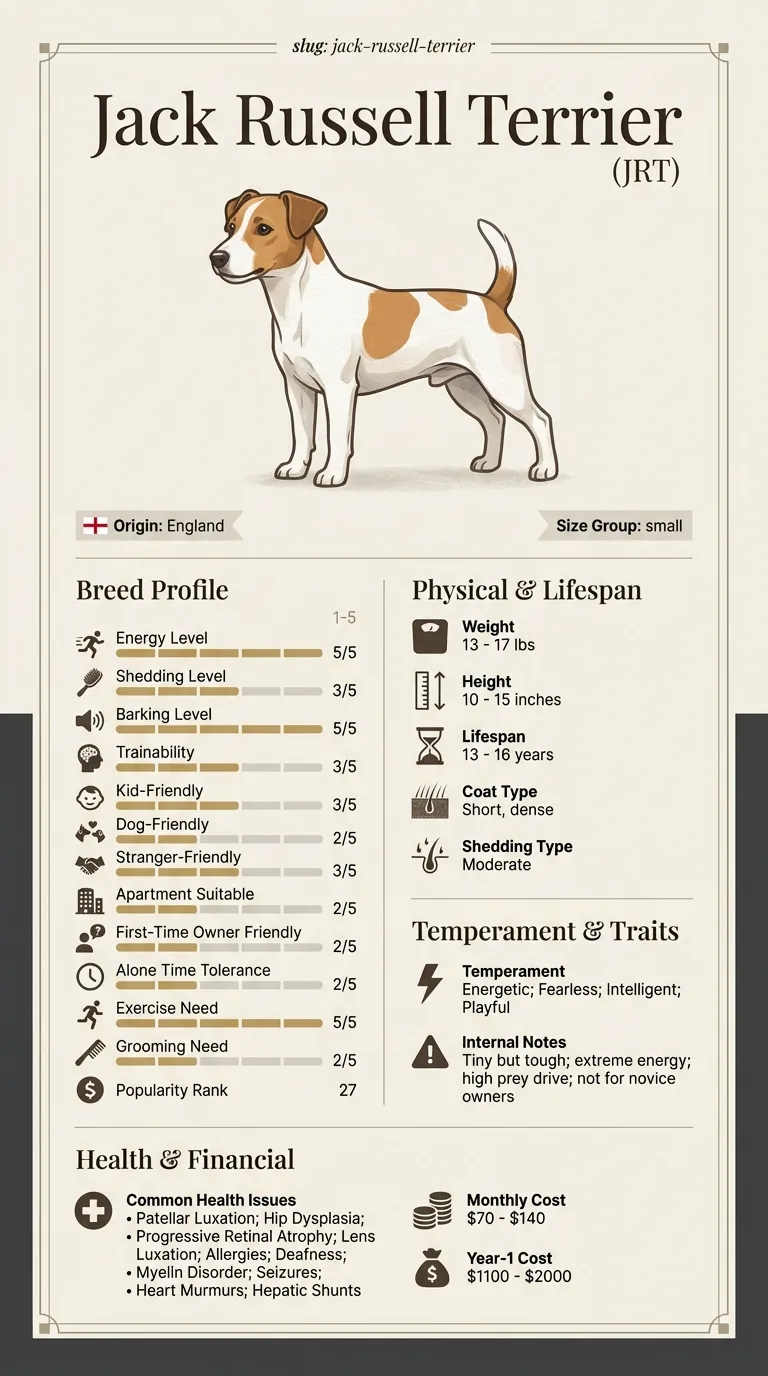
Understanding Jack Russell Terrier Gastrointestinal Disorders infographic

Owners of Jack Russell Terriers, especially first-time dog parents or those who may not have experienced such health issues before, often find themselves struggling. They may be unsure of how to manage their dog's diet or recognize the signs of gastrointestinal problems.

Important reminder

This guide is not medical advice. If your dog shows pain, sudden behavior change, or worsening symptoms, consult a licensed veterinarian.

Some links may be affiliate links. We may earn a commission at no extra cost to you. We only suggest products we believe are helpful for dog owners.

What this problem looks like

Jack Russell Terrier gastrointestinal disorders can significantly disrupt daily life for both the dog and its owner. Common symptoms include vomiting, diarrhea, and loss of appetite, which can be distressing to witness. This breed's energetic nature may mask underlying issues, making it crucial for owners to stay vigilant about their dog's health.

Common triggers

  • Dietary changes or intolerances
  • Stress or anxiety
  • Rapid eating habits
  • Ingestion of foreign objects or toxins
  • Underlying health conditions

Gastrointestinal disorders are relatively common in Jack Russell Terriers due to their active lifestyles and sometimes sensitive stomachs. Many owners report dealing with these issues at some point, making it essential to know how to identify and manage them.

Why this happens

Breed factors

Jack Russell Terriers (JRTs) are energetic and intelligent dogs, but their active nature can lead to stress and anxiety, which may contribute to gastrointestinal disorders. They are also prone to certain genetic health issues that can affect their digestive systems. Additionally, their curious and bold personalities can lead them to ingest inappropriate items, causing gastrointestinal upset.

Environment factors

A JRT's environment plays a significant role in their digestive health. Changes in diet, exposure to toxins, or sudden shifts in routine can trigger gastrointestinal disorders. Stressful situations, such as moving to a new home or a chaotic household, can also lead to digestive issues.

What you can try

At-home strategies

  • Establish a consistent feeding schedule with high-quality dog food. This helps regulate their digestion and reduces the risk of upset stomach.
  • Monitor their exercise routine. Regular physical activity can help keep their digestive system healthy. Aim for at least 30 to 60 minutes of daily exercise.
  • Keep an eye on what they eat. Prevent them from scavenging for food or eating non-food items, which can upset their stomach.
  • Introduce any dietary changes gradually. This helps their digestive system adjust without causing stress or discomfort.
  • Create a calm environment. Reducing stress through a stable routine and a quiet space can help alleviate gastrointestinal issues.

When to consider a trainer

If your Jack Russell Terrier shows persistent signs of anxiety, such as excessive barking or destructive behavior, consider consulting a professional trainer. They can provide strategies to address these issues and help improve your dog's overall well-being.

When to talk to your vet

If your JRT experiences frequent vomiting, diarrhea, or any significant changes in appetite or energy levels, it's important to consult a vet. These symptoms could indicate serious gastrointestinal disorders that need medical attention.

Realistic expectations

With consistent training and proper care, you can see improvements in your Jack Russell Terrier's gastrointestinal health within 4 to 8 weeks.

Successful management means fewer instances of vomiting or diarrhea, regular vet check-ups, and a happy, active dog enjoying meals without discomfort.

Mistakes that make this worse

Many owners unknowingly make gastrointestinal disorders in their Jack Russell Terriers worse. Here are common mistakes to avoid, along with safer alternatives.

  • Ignoring dietary changes: Many owners stick with the same food despite signs of gastrointestinal issues. Switching to a vet-recommended diet can often help alleviate symptoms.
  • Overfeeding: Feeding too much can lead to obesity and worsen gastrointestinal disorders. Stick to portion guidelines and consider smaller, more frequent meals.
  • Skipping vet visits: Some owners wait too long to consult a vet, thinking the problem will resolve itself. Regular check-ups can catch issues early and provide timely treatment.
  • Self-medicating: Using over-the-counter medications without vet approval can do more harm than good. Always consult your vet before giving any meds to your dog.
  • Neglecting hydration: Dehydration can worsen gastrointestinal problems. Ensure your Jack Russell has constant access to fresh water, especially if they have diarrhea.
  • Ignoring stress factors: Stress can exacerbate gastrointestinal disorders. Create a calm environment and consider behavioral training to help your dog cope.
  • Inconsistent feeding schedule: A chaotic feeding routine can upset your dog's stomach. Stick to a regular schedule to promote better digestion.

When Jack Russell Terrier Gastrointestinal Disorders Are an Emergency

Recognizing when your Jack Russell Terrier's gastrointestinal disorders require immediate vet attention is crucial. Certain symptoms indicate a serious issue that can't wait. For example, if your dog is vomiting blood, has severe diarrhea, or shows signs of dehydration, call your vet immediately. These symptoms can indicate conditions like inflammatory bowel disease or a blockage that needs urgent care.

Additionally, if your Jack Russell Terrier is lethargic, refuses to eat for more than 24 hours, or has a swollen abdomen, these are red flags. These signs suggest that your dog may be in distress and needs urgent medical help. Don't delay, as these situations can worsen quickly if not treated.

On the other hand, if your dog has mild gastrointestinal upset, such as occasional vomiting or diarrhea without blood, you can often monitor at home. Keep an eye on their hydration and appetite. If these mild symptoms persist for more than a day or worsen, reach out to your vet for advice. In many cases, a change in diet or a short fasting period can help your Jack Russell Terrier recover without needing a vet visit. Always trust your instincts—if something feels off, it’s better to check with a professional.

Understanding Jack Russell Terrier Gastrointestinal Disorders - When Jack Russell Terrier Gastrointestinal Disorders Are an Emergency

Emily's Journey with Max's Stomach Troubles

Emily, a busy nurse, adopted Max, a spirited Jack Russell Terrier. Shortly after bringing him home, she noticed him frequently vomiting and having loose stools. She initially thought it was just typical puppy behavior, but after a few weeks, it became clear that something was wrong. After a vet visit, they diagnosed Max with gastrointestinal disorders related to his diet. Emily learned that specific foods were causing issues and began a strict feeding routine with vet-approved meals. Over the next two months, Max's health improved significantly, and Emily found herself relieved to see him playing happily again.

Key takeaway: Identifying and adjusting your dog's diet can be key in managing gastrointestinal disorders, leading to a happier and healthier pet.

Frequently asked questions

Why does my Jack Russell Terrier have gastrointestinal disorders?

Jack Russell Terriers can suffer from gastrointestinal disorders due to various factors, including diet, stress, and genetics. Inflammatory bowel disease and acid reflux are common issues in this breed. If you notice persistent symptoms, consult your vet for an accurate diagnosis. This answer relates to Jack Russell Terrier gastrointestinal disorders.

How can I stop my Jack Russell Terrier from having gastrointestinal disorders?

To manage gastrointestinal disorders in your Jack Russell Terrier, start by adjusting their diet to high-quality, easily digestible food. Regular feeding schedules and smaller meals can also help. Always consult your veterinarian for tailored advice.

What are the signs of gastrointestinal disorders in Jack Russell Terriers?

Common signs include vomiting, diarrhea, and loss of appetite. You may also notice weight loss or lethargy. If these symptoms persist for more than a day or two, seek veterinary help.

Can stress cause gastrointestinal disorders in Jack Russell Terriers?

Yes, stress can contribute to gastrointestinal disorders in Jack Russell Terriers. Changes in routine, loud noises, or separation anxiety can trigger digestive issues. Providing a calm environment and regular exercise can help minimize stress.

Are there specific foods to avoid for Jack Russell Terriers with gastrointestinal issues?

Avoid foods that are high in fat, artificial additives, or difficult to digest. Common allergens like wheat and soy may also exacerbate gastrointestinal problems. Consult your vet for a suitable diet plan.

How can I train my Jack Russell Terrier to have better eating habits?

Training your Jack Russell Terrier to eat more slowly can help prevent gastrointestinal issues. Use slow-feed bowls or puzzle toys to encourage them to take their time. Reward calm behavior during meals to reinforce good habits.

When should I take my Jack Russell Terrier to the vet for gastrointestinal disorders?

If your Jack Russell Terrier experiences vomiting or diarrhea lasting more than 24 hours, or if they show signs of pain or distress, take them to the vet. Early intervention can prevent more serious health issues.

What are the signs of gastrointestinal disorders in my Jack Russell Terrier?

Common signs include vomiting, diarrhea, and changes in appetite. You might also notice weight loss or lethargy. If these symptoms persist, it's essential to consult your veterinarian.

Can stress cause gastrointestinal disorders in Jack Russell Terriers?

Yes, stress can contribute to gastrointestinal issues. Jack Russells are energetic and can get anxious easily, which may lead to problems like acid reflux or diarrhea. Creating a calm environment can help mitigate these issues.

How can I help my older Jack Russell Terrier with gastrointestinal disorders?

Older Jack Russells may require a special diet that is easier to digest. Smaller, more frequent meals can also help. Always consult your veterinarian for tailored dietary advice based on your dog's health condition.

Are there specific foods that can worsen gastrointestinal disorders in Jack Russell Terriers?

Foods high in fat, artificial additives, or certain grains can exacerbate gastrointestinal issues. It's best to stick to high-quality, vet-recommended dog food that suits their specific needs.

When should I take my Jack Russell Terrier to the vet for gastrointestinal issues?

If your dog shows persistent vomiting, diarrhea lasting more than a day, or significant changes in appetite or behavior, it's time for a vet visit. Early intervention can prevent more severe health problems.

Quick answers

View more answers
Behavior

What are quick tips for managing Jack Russell Terrier gastrointestinal disorders?

Focus on a high-quality diet, regular feeding schedules, and reducing stress. Monitor for any changes in behavior or symptoms, and consult your vet for advice.

Costs

How much does it cost to treat Jack Russell Terrier gastrointestinal disorders?

Treatment costs can range from $100 to $500, depending on the severity and required interventions. Regular vet check-ups will help manage expenses.

Health

What health checks should I consider for my Jack Russell Terrier?

Regular wellness exams, including blood tests and digestive health assessments, are essential. This helps in early detection of gastrointestinal issues.

Living

How can I reduce stress for my Jack Russell Terrier?

Create a stable routine, engage in regular exercise, and provide a safe space for your dog. Consider calming aids if anxiety is a concern.

Training

What training methods help with eating habits in Jack Russell Terriers?

Use positive reinforcement to encourage slower eating. Slow-feed bowls and timed feeding can help develop better habits.

Related DogBreedCompass guides

Related guides