Behavior
What are quick tips for Schnauzer (Standard) gastrointestinal disorders?
Feed them small, frequent meals and keep their diet consistent. Avoid sudden changes in food and always provide fresh water.

Quick answer
What are quick tips for Schnauzer (Standard) gastrointestinal disorders?
Feed them small, frequent meals and keep their diet consistent. Avoid sudden changes in food and always provide fresh water.
Schnauzer (Standard) gastrointestinal disorders can lead to serious health issues if not addressed. These conditions often cause discomfort and distress for your furry friend.
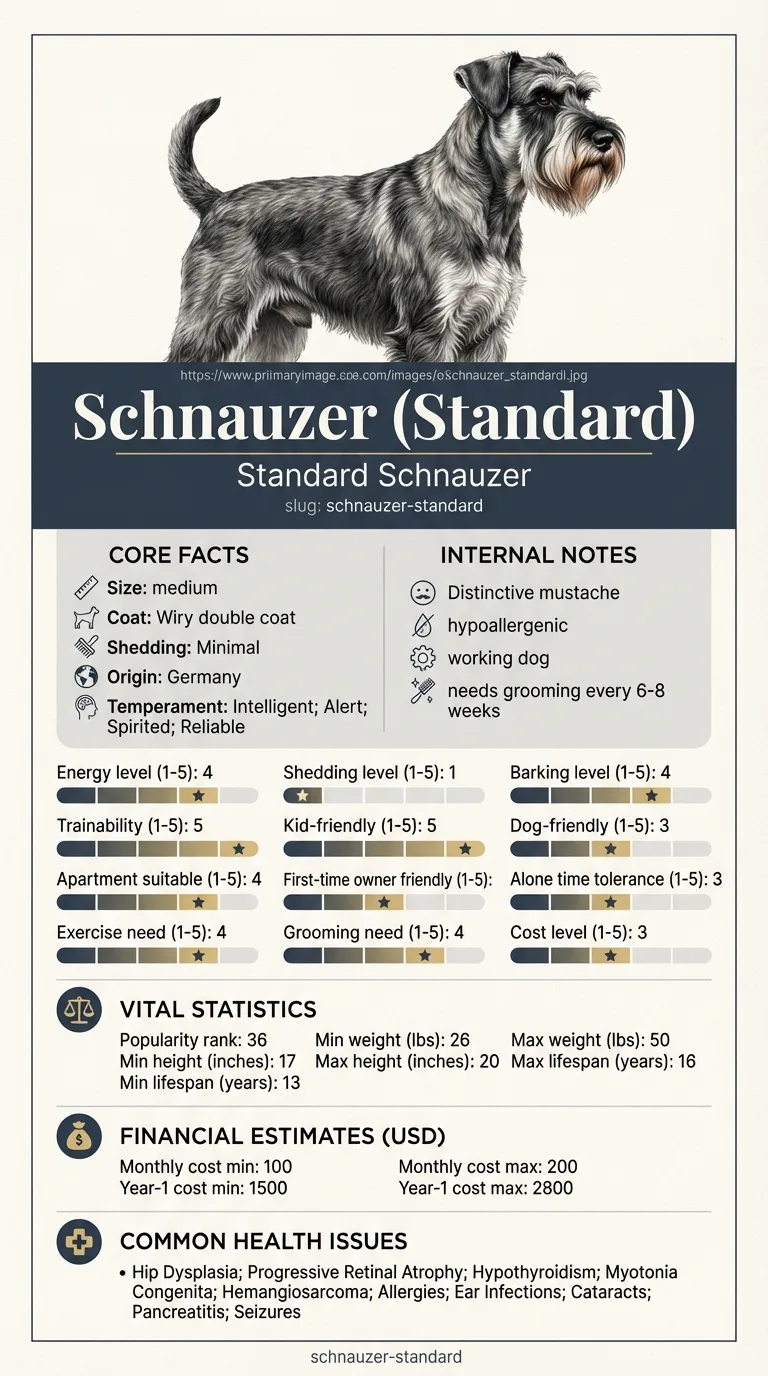
Owners of Schnauzer (Standard) dogs, especially those new to dog ownership, often face challenges when dealing with these health problems. Busy families or individuals with limited time may find it especially tough to manage their pet's dietary needs and health monitoring.
This guide is not medical advice. If your dog shows pain, sudden behavior change, or worsening symptoms, consult a licensed veterinarian.
Some links may be affiliate links. We may earn a commission at no extra cost to you. We only suggest products we believe are helpful for dog owners.
We research and check what we publish, but we do not warrant that any figure, date, price, or statement is accurate, complete, or current, and we accept no liability for any loss, cost, injury, or other harm arising from the use of this site. Use it as one reference among several. You remain responsible for your own decisions and for your dog's care - confirm anything that matters with a licensed veterinarian or another qualified professional before you act on it. Full disclaimer.
Check this first
Recognizing when Schnauzer (Standard) gastrointestinal disorders are an emergency is crucial for their health. If your Schnauzer shows any severe symptoms, it’s essential to call your vet immediately. Signs that warrant urgent care include persistent vomiting, diarrhea mixed with blood, extreme lethargy, or severe abdominal pain. These could indicate serious conditions requiring immediate intervention.
On the other hand, if your Schnauzer has mild gastrointestinal issues like occasional vomiting or diarrhea without other alarming symptoms, you might monitor them at home. Keep an eye on their behavior and appetite, and consider adjusting their diet. Providing plenty of water to avoid dehydration is also important. If symptoms persist for more than 24 hours or worsen, it’s time to consult your vet.
In summary, trust your instincts. If something feels off with your Schnauzer, don’t hesitate to reach out to a professional. It’s always better to be safe than sorry.
If any of these apply, call your vet or an emergency clinic now. The rest of this page is for the cases that are not an emergency.
Schnauzer (Standard) gastrointestinal disorders can be a frustrating experience for owners. These issues often manifest as vomiting, diarrhea, or difficulty digesting food. Common problems include inflammatory bowel disease, pyloric stenosis, and acid reflux, which can significantly affect your dog's comfort and well-being.
Gastrointestinal disorders are relatively common in Schnauzers (Standard), particularly due to their sensitive digestive systems. Many owners report these issues at some point, especially during significant life changes or when introducing new foods.
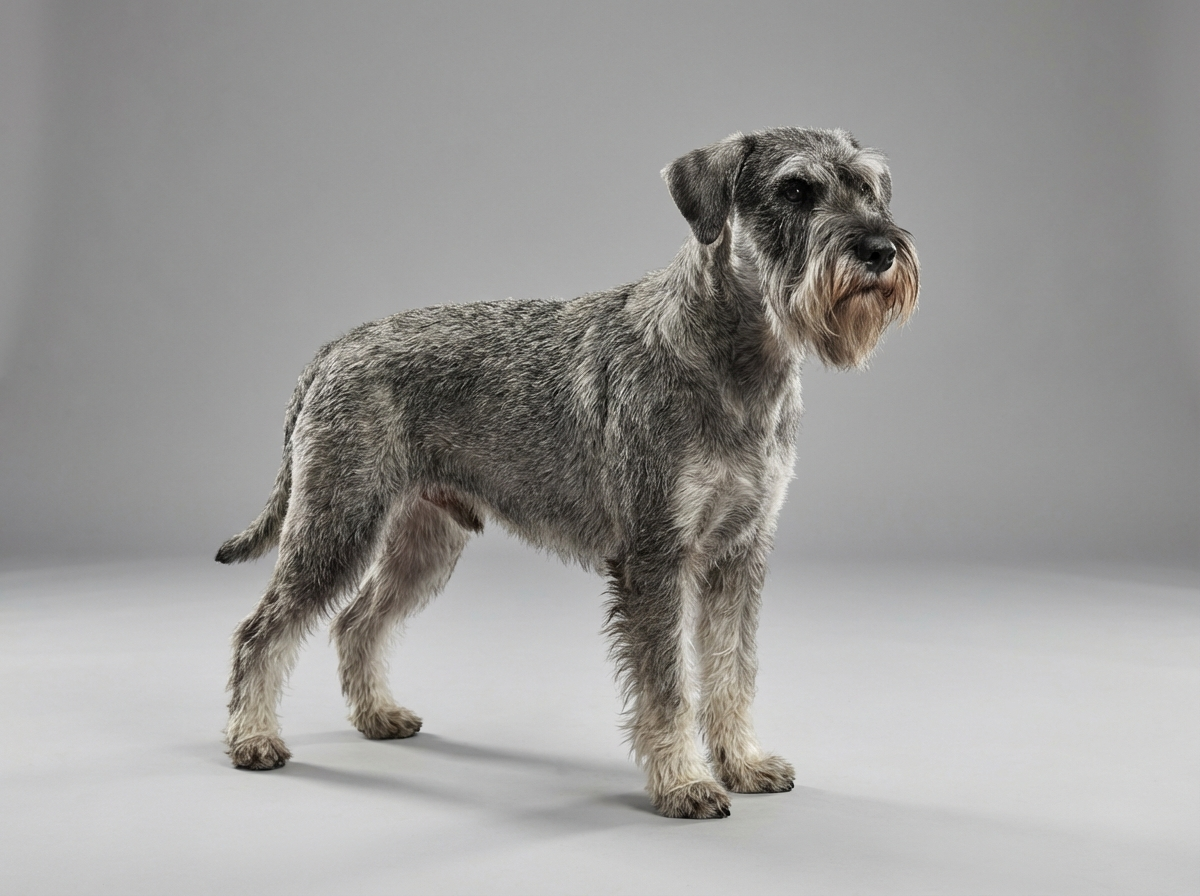
Schnauzers (Standard) can be prone to gastrointestinal disorders due to their genetic makeup. Some may inherit issues like inflammatory bowel disease or conditions affecting digestion. These breed-specific traits can lead to increased sensitivity in their digestive systems.
Environmental factors can also contribute to gastrointestinal disorders. Diet changes, stress from moving or loud noises, and even the introduction of new pets can upset their stomachs. Additionally, improper feeding schedules or low-quality food can exacerbate these issues.
Reach out to your veterinarian if gastrointestinal issues persist for more than a few days or if you notice severe symptoms like vomiting, diarrhea, or lethargy. Early intervention is crucial to prevent serious health complications.
Avoiding these common mistakes can help you manage Schnauzer (Standard) gastrointestinal disorders more effectively. Learning what to avoid is just as crucial as knowing what to do.
Start here: Standard Schnauzer Most Common Genetic Disorders: Screening
See all Schnauzer Standard health problems, which breeds are prone to gastrointestinal disorders, or the full Schnauzer Standard breed guide for temperament, exercise needs and ownership costs.
It typically takes 2 to 6 months to effectively manage Schnauzer (Standard) gastrointestinal disorders through diet changes and care.
Success is when your Schnauzer shows fewer symptoms, has regular bowel movements, and seems comfortable after meals.
Tina, a busy nurse in Chicago, adopted Max, a 3-year-old Standard Schnauzer. She quickly noticed he had frequent stomach upsets and was often uncomfortable after eating. After consulting her vet, Tina learned about dietary adjustments and started a new feeding routine. With patience and diligence, she introduced a high-quality, low-fat diet and monitored his portion sizes. Within a few months, Max's symptoms lessened significantly, and he was much happier overall. Now, Tina enjoys walks with Max without worrying about his gastrointestinal issues.
Key takeaway: With the right diet and care, you can effectively manage Schnauzer (Standard) gastrointestinal disorders, leading to a healthier, happier dog.
Schnauzer (Standard) gastrointestinal disorders can arise from various factors, including diet, stress, or underlying health conditions. Common issues include inflammatory bowel disease and acid reflux. It's essential to monitor their diet and consult a vet to identify any specific triggers.
To manage Schnauzer (Standard) gastrointestinal disorders, start by adjusting their diet to include high-quality, easily digestible food. Regular feeding schedules and reducing stress can also help. Always consult your veterinarian for tailored advice and treatment options.
Yes, a bland diet consisting of boiled chicken and rice is often recommended for Schnauzer (Standard) gastrointestinal issues. Additionally, consider foods formulated for sensitive stomachs. Always consult your vet before making significant dietary changes.
Absolutely. Stress is a common factor that can lead to gastrointestinal disorders in Schnauzer (Standard). Providing a stable environment, regular exercise, and mental stimulation can help reduce stress and improve their overall digestive health.
If your Schnauzer (Standard) experiences persistent vomiting, diarrhea, or other signs of gastrointestinal distress for more than 24 hours, it's time to see a vet. Early intervention can prevent more serious health issues.
Common signs include vomiting, diarrhea, and changes in appetite. You may also notice weight loss or lethargy in your Schnauzer (Standard). If these symptoms persist, it's important to consult your vet.
Yes, dietary changes can often help manage gastrointestinal disorders. A vet may recommend a special diet or gradual changes to your Schnauzer's food to help alleviate symptoms.
If your Schnauzer (Standard) shows severe signs like continuous vomiting, bloody diarrhea, or dehydration, you should see a vet right away. Early intervention can prevent more serious health issues.
Yes, older Schnauzers may be more prone to gastrointestinal disorders due to age-related changes in their digestive systems. Regular vet check-ups can help catch any issues early.
If your Schnauzer (Standard) experiences anxiety, this can lead to gastrointestinal issues. Training techniques, like desensitization and counter-conditioning, can help reduce anxiety and improve digestive health.
Feed them small, frequent meals and keep their diet consistent. Avoid sudden changes in food and always provide fresh water.
Training your Schnauzer (Standard) to eat slowly and not scavenge can help reduce gastrointestinal problems. Use positive reinforcement to encourage good eating habits.
Yes, consider diets that are low in fat and high in fiber, which can help manage gastrointestinal disorders. Consult your vet for specific recommendations.
Regular exercise is essential as it promotes overall health and can aid digestion. However, avoid strenuous activities immediately after meals.
A one-page prep sheet for this condition: the signs, the questions to ask, what to get priced. Unlocks here.
You get: Vet visit prep sheet
No spam. One-click unsubscribe. See our privacy policy.
Preview page 1 before you decide.