Behavior
What are quick tips for Maltese gastrointestinal disorders?
Monitor their diet closely, keep feeding schedules consistent, and limit stress. Regular vet visits are essential for early detection of potential issues.

Quick answer
What are quick tips for Maltese gastrointestinal disorders?
Monitor their diet closely, keep feeding schedules consistent, and limit stress. Regular vet visits are essential for early detection of potential issues.
Maltese gastrointestinal disorders can be challenging for both the dog and its owner. These issues can lead to discomfort, affecting your dog's overall well-being.
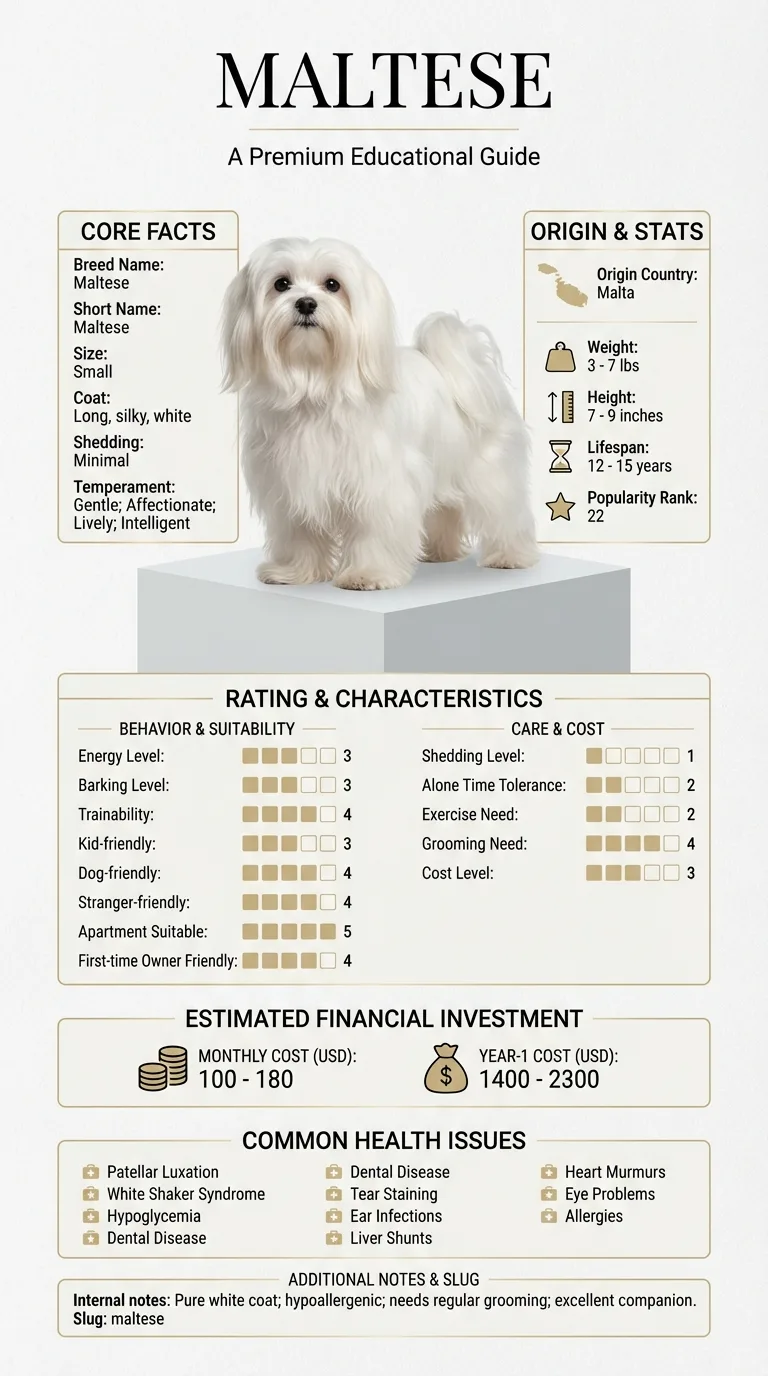
Typically, Maltese owners, particularly those who are first-time pet parents, may find themselves facing these health challenges. Busy families, older adults, or anyone not familiar with dog health may struggle to identify and manage these disorders effectively.
This guide is not medical advice. If your dog shows pain, sudden behavior change, or worsening symptoms, consult a licensed veterinarian.
Some links may be affiliate links. We may earn a commission at no extra cost to you. We only suggest products we believe are helpful for dog owners.
We research and check what we publish, but we do not warrant that any figure, date, price, or statement is accurate, complete, or current, and we accept no liability for any loss, cost, injury, or other harm arising from the use of this site. Use it as one reference among several. You remain responsible for your own decisions and for your dog's care - confirm anything that matters with a licensed veterinarian or another qualified professional before you act on it. Full disclaimer.
Check this first
Recognizing when Maltese gastrointestinal disorders require immediate vet attention is crucial. Look out for these red-flag signs that mean you should call your vet right away:
- Persistent vomiting or diarrhea lasting more than a few hours. - Blood in the vomit or stool, which can indicate serious conditions. - Signs of severe pain, such as whining, restlessness, or not wanting to be touched. - Loss of appetite for more than 24 hours or sudden weight loss. - Lethargy or weakness, especially if your Maltese is normally active.
If your Maltese shows these symptoms, don’t wait. Get them to a vet as soon as possible. In less severe cases, you can monitor your dog at home. Here are some symptoms that can be watched:
- Occasional vomiting or diarrhea that resolves within a few hours. - Mild changes in appetite or energy levels without other symptoms. - Minor bloating or gas that doesn’t cause distress.
In these cases, keep an eye on your Maltese and maintain a plan. Ensure they have access to fresh water and consider a bland diet if advised. Always consult your vet if you’re unsure about the severity of their condition. Proper monitoring can prevent more serious issues from developing.
If any of these apply, call your vet or an emergency clinic now. The rest of this page is for the cases that are not an emergency.
Maltese gastrointestinal disorders can cause a range of issues, including vomiting, diarrhea, and upset stomach. These problems often arise due to dietary changes, stress, or underlying health conditions. Owners may notice their Maltese experiencing discomfort after meals or displaying a lack of appetite, which can be concerning.
Gastrointestinal disorders are not uncommon in Maltese dogs. While some may experience these issues sporadically, others may have chronic problems, especially if they have sensitivities or pre-existing conditions.
Maltese dogs are small and can be prone to certain genetic health issues, including gastrointestinal disorders. Their delicate digestive systems may not handle abrupt dietary changes well, leading to problems like acid reflux or inflammatory bowel disease.
Environmental factors, such as stress or anxiety, can also trigger gastrointestinal issues in Maltese dogs. Changes in routine, loud noises, or even separation from their owners can lead to upset stomachs or other digestive problems.
Consult your vet if your Maltese shows signs of persistent gastrointestinal disorders, such as vomiting, diarrhea, or lack of appetite. They can provide guidance on dietary changes or medications that may be necessary for your dog's health.
Avoiding these common mistakes can help your Maltese manage gastrointestinal disorders more effectively.
Start here: Maltese Most Common Genetic Disorders: What to Screen For
See all Maltese health problems, which breeds are prone to gastrointestinal disorders, or the full Maltese breed guide for temperament, exercise needs and ownership costs.
Addressing Maltese gastrointestinal disorders typically takes 2 to 4 weeks of focused management and veterinary guidance.
Success means your Maltese shows improved digestion, regular bowel movements, and a noticeable increase in energy levels.
Maggie, a Maltese pup, had been struggling with frequent vomiting and diarrhea. Her owner, Sarah, was worried and took her to the vet, who diagnosed her with inflammatory bowel disease. After adjusting Maggie's diet and starting a medication regimen, Sarah noticed significant improvements in Maggie's health. Within a month, Maggie was happily playing again, with normal bathroom habits and a wagging tail.
Key takeaway: With the right veterinary care and dietary adjustments, Maltese gastrointestinal disorders can be managed effectively, leading to a happier, healthier dog.
Maltese gastrointestinal disorders can stem from various issues such as inflammatory bowel disease, pyloric stenosis, or even dietary intolerance. Stress can also trigger these problems, especially in small breeds. Keep an eye on their diet and any changes in behavior to identify potential triggers.
Common signs include vomiting, diarrhea, or changes in appetite. You might also notice weight loss or lethargy. If you see these symptoms persistently, it’s time to consult your vet.
A bland diet consisting of boiled chicken and rice can help soothe an upset stomach. You might also consider specialized dog foods designed for sensitive stomachs. Always check with your vet before making significant changes to their diet.
To help prevent these disorders, maintain a consistent feeding schedule and avoid sudden diet changes. Regular vet check-ups can also catch potential issues early. Additionally, managing stress through training and socialization is key.
Training can help your Maltese feel more secure, which may reduce stress-related gastrointestinal issues. Positive reinforcement techniques can build their confidence and ease anxiety. Consistency is crucial in helping them adjust.
If your Maltese shows persistent symptoms like vomiting or diarrhea for more than a day, or if they appear to be in pain, it's time to visit the vet. Additionally, if you notice blood in their stool or severe lethargy, seek veterinary care immediately.
Yes, stress can lead to gastrointestinal issues in Maltese dogs. Changes in their environment, loud noises, or separation anxiety can trigger digestive problems. Providing a calm and stable environment may help reduce these risks.
You can manage your Maltese's gastrointestinal disorders by providing a consistent diet, ensuring they stay hydrated, and monitoring their eating habits. Small, frequent meals of easily digestible food can also help. Always consult your vet before making significant changes to their diet.
Yes, older Maltese dogs can experience gastrointestinal disorders more frequently due to age-related changes in their digestive system. Regular vet check-ups are essential for early detection and management of potential health issues as they age.
Monitor their diet closely, keep feeding schedules consistent, and limit stress. Regular vet visits are essential for early detection of potential issues.
Offer a bland diet and ensure they stay hydrated. Observe their behavior for any stress triggers.
Avoid rich, fatty foods, and sudden changes in diet. Foods that are high in sugar or artificial additives can also upset their stomach.
Yes, anxiety can significantly impact a Maltese's digestive health. Providing a safe environment and engaging in training can help reduce this anxiety.
A one-page prep sheet for this condition: the signs, the questions to ask, what to get priced. Unlocks here.
You get: Vet visit prep sheet
No spam. One-click unsubscribe. See our privacy policy.
Preview page 1 before you decide.