Health
What are quick tips for managing Jack Russell Terrier hypothyroidism?
Regular vet check-ups, a balanced diet, and consistent medication are key to managing Jack Russell Terrier hypothyroidism effectively.

Quick answer
What are quick tips for managing Jack Russell Terrier hypothyroidism?
Regular vet check-ups, a balanced diet, and consistent medication are key to managing Jack Russell Terrier hypothyroidism effectively.
Jack Russell Terrier hypothyroidism is a health issue that affects many JRTs, leading to lethargy and weight gain.
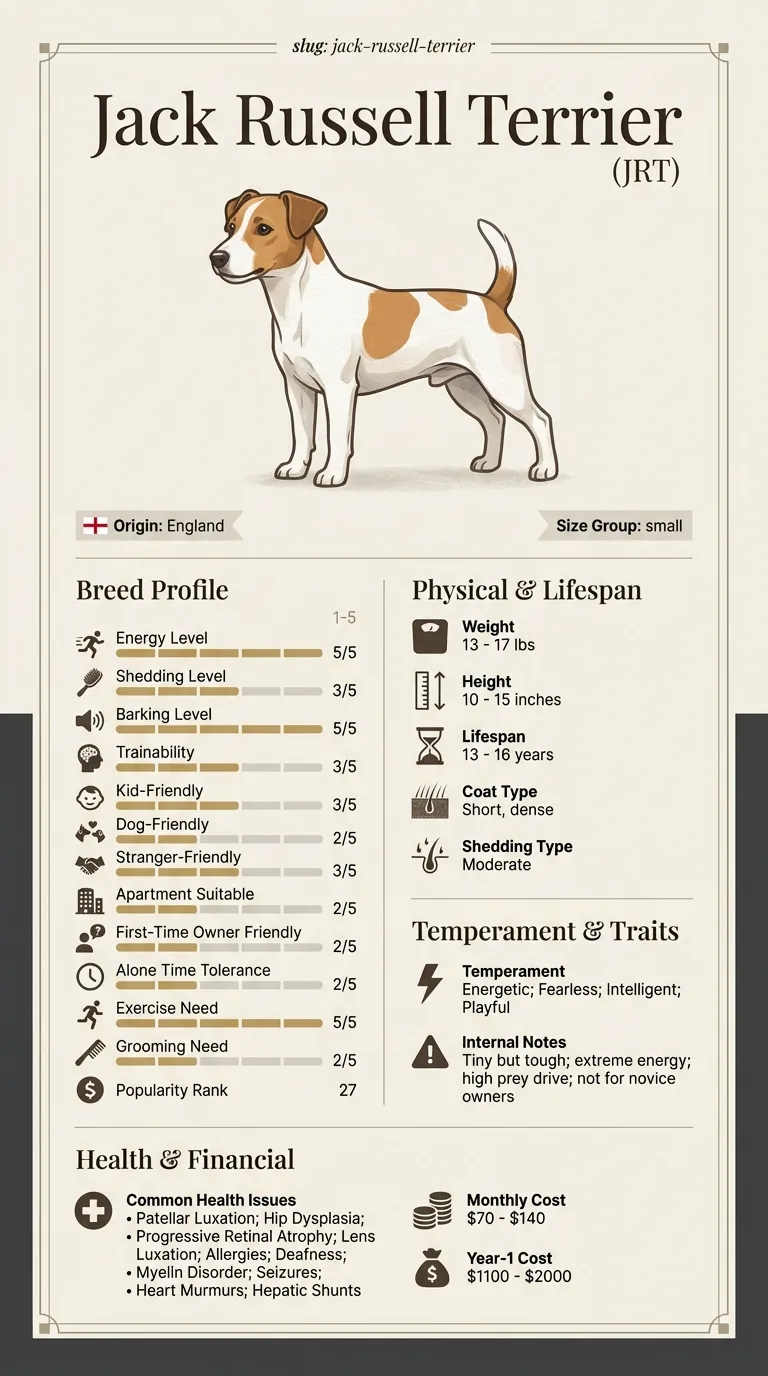
Many Jack Russell Terrier owners, especially those new to the breed, may find themselves dealing with hypothyroidism. Busy families or individuals who are unaware of the signs can struggle to notice the symptoms until they become severe.
This guide is not medical advice. If your dog shows pain, sudden behavior change, or worsening symptoms, consult a licensed veterinarian.
Some links may be affiliate links. We may earn a commission at no extra cost to you. We only suggest products we believe are helpful for dog owners.
We research and check what we publish, but we do not warrant that any figure, date, price, or statement is accurate, complete, or current, and we accept no liability for any loss, cost, injury, or other harm arising from the use of this site. Use it as one reference among several. You remain responsible for your own decisions and for your dog's care - confirm anything that matters with a licensed veterinarian or another qualified professional before you act on it. Full disclaimer.
Check this first
Recognizing when Jack Russell Terrier hypothyroidism is an emergency is crucial for your dog's health. If your dog shows severe symptoms, such as difficulty breathing, extreme lethargy, or sudden weight loss, you should call your vet immediately. These signs could indicate a serious underlying issue that needs urgent attention.
On the other hand, if your Jack Russell Terrier is experiencing mild symptoms like slight weight gain, changes in appetite, or low energy, you can monitor them at home. Keep a close eye on their behavior and schedule a vet appointment to discuss your observations. It’s important to establish a treatment plan to manage these symptoms effectively.
In summary, if your dog seems unusually weak, has persistent vomiting, or shows signs of distress, don’t wait—contact your veterinarian. However, for less severe symptoms, a watch-and-wait approach with regular vet check-ups may be appropriate. Always trust your instincts; if you feel something is off, it’s better to be safe than sorry.
If any of these apply, call your vet or an emergency clinic now. The rest of this page is for the cases that are not an emergency.
Jack Russell Terrier hypothyroidism can show up in various ways, often causing fatigue, weight gain, and changes in coat quality. Owners might notice their energetic JRT becoming sluggish or more irritable than usual. It's essential to recognize these signs early, as untreated hypothyroidism can lead to more serious health issues.
Hypothyroidism is relatively common in Jack Russell Terriers, with studies suggesting that it can affect around 5-10% of the breed. While not every JRT will experience this issue, being aware of the signs can help in early diagnosis and treatment.
Jack Russell Terriers may be more prone to hypothyroidism due to their genetic makeup. This breed can have an inherited tendency for thyroid issues, which affects hormone production. If your JRT is showing symptoms, this could be linked to their breed-specific health risks.
Environmental factors can also contribute to hypothyroidism in Jack Russell Terriers. Poor diet, obesity, and exposure to toxins can impact their thyroid health. Additionally, stress and lack of exercise may exacerbate these conditions.
Consult your vet if you suspect your JRT has hypothyroidism, especially if they show symptoms like weight gain, lethargy, or changes in coat quality. Your vet can perform blood tests to determine thyroid hormone levels and recommend appropriate treatment.
Understanding what not to do can be just as important as the right actions. Here are common mistakes that may worsen Jack Russell Terrier hypothyroidism and safer alternatives to consider.
Start here: Jack Russell Terrier Most Common Genetic Disorders
See all Jack Russell Terrier health problems, which breeds are prone to hypothyroidism, or the full Jack Russell Terrier breed guide for temperament, exercise needs and ownership costs.
Most Jack Russell Terriers with hypothyroidism respond well to treatment within a few weeks. However, it may take several months to find the right dosage and fully stabilize their condition.
Success means your JRT regains energy, maintains a healthy weight, and shows improvements in mood and behavior as thyroid levels normalize.
Sarah, a busy nurse in Chicago, noticed her Jack Russell Terrier, Max, seemed lethargic and was putting on weight despite regular exercise. After a vet visit, she learned Max had hypothyroidism. Initially overwhelmed, she researched treatment options and started Max on daily medication. With regular vet check-ups and adjustments to his dosage, Max began to regain his energy and shed some pounds. Sarah also adapted Max's diet and exercise routine, which played a crucial role in his recovery.
Key takeaway: Consistency in treatment and open communication with your vet can lead to a successful management of Jack Russell Terrier hypothyroidism.
Jack Russell Terriers can develop hypothyroidism due to a variety of factors including genetics and autoimmune disorders. This condition occurs when their body doesn't produce enough thyroid hormone, leading to symptoms like weight gain and lethargy. Regular vet check-ups can help catch this early.
Signs of hypothyroidism in Jack Russell Terriers include weight gain, low energy, and skin issues like hair loss. Keep an eye out for changes in behavior or coat condition. If you notice these symptoms, consult your vet for a blood test to check hormone levels.
To manage Jack Russell Terrier hypothyroidism, your vet may prescribe thyroid hormone replacement medication. It's crucial to follow the dosage and schedule provided. Additionally, maintaining a balanced diet and regular exercise can support their overall health.
A diet for a Jack Russell Terrier with hypothyroidism should be low in calories and rich in nutrients. Look for high-quality dog food that meets their energy needs without adding unnecessary weight. Always consult your vet for tailored dietary recommendations.
Training can help keep your Jack Russell Terrier engaged and active, which is beneficial for managing hypothyroidism symptoms. Incorporate regular, gentle exercise and mental stimulation into their routine. Training sessions can also strengthen your bond with them.
Common symptoms of hypothyroidism in Jack Russell Terriers include weight gain, lethargy, and changes in coat condition like excessive shedding. You might also notice a decrease in activity levels or a lack of interest in play.
Managing your Jack Russell Terrier's hypothyroidism at home involves regular monitoring of their weight and energy levels. Ensure they have a balanced diet and follow your vet's recommendations for medication and routine check-ups.
Yes, hypothyroidism can develop in older Jack Russell Terriers. It's important to watch for any changes in behavior or health and consult with your vet for appropriate screening as your dog ages.
A diet rich in omega fatty acids and low in fillers can support a Jack Russell Terrier with hypothyroidism. Consult your vet for specific dietary recommendations tailored to your dog's health needs.
If your Jack Russell Terrier shows signs of lethargy, weight gain, or changes in their coat, it's time to see the vet. Early intervention can help manage hypothyroidism effectively and improve your dog's quality of life.
Regular vet check-ups, a balanced diet, and consistent medication are key to managing Jack Russell Terrier hypothyroidism effectively.
It's best to have your Jack Russell Terrier checked every 6 to 12 months to monitor their thyroid levels and overall health.
Yes! Regular, moderate exercise can help manage weight and improve overall well-being for a Jack Russell Terrier with hypothyroidism.
Look for signs like increased weight, lethargy, or changes in coat condition, which may indicate hypothyroidism.
Providing consistent love, training, and engagement can help support your Jack Russell Terrier emotionally, especially when dealing with health issues.
A one-page prep sheet for this condition: the signs, the questions to ask, what to get priced. Unlocks here.
You get: Vet visit prep sheet
No spam. One-click unsubscribe. See our privacy policy.
Preview page 1 before you decide.