Health
What are quick tips for managing Jack Russell Terrier kidney disease?
Ensure your Jack Russell has a low-protein diet and stays hydrated with fresh water. Schedule regular vet visits for monitoring kidney health.

Quick answer
What are quick tips for managing Jack Russell Terrier kidney disease?
Ensure your Jack Russell has a low-protein diet and stays hydrated with fresh water. Schedule regular vet visits for monitoring kidney health.
Jack Russell Terrier kidney disease can be a serious concern for dog owners. This progressive condition affects the health and well-being of your furry friend.
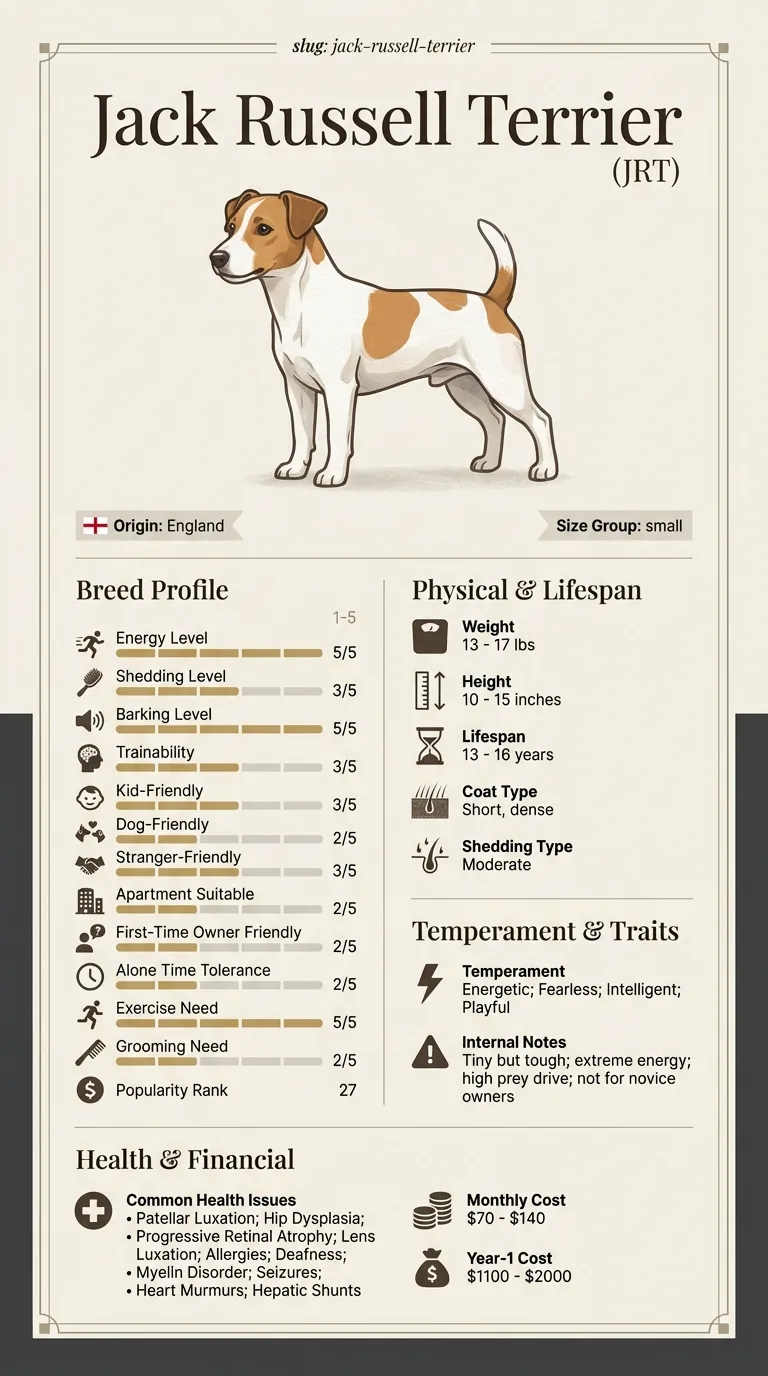
Owners of Jack Russell Terriers, especially those with older dogs, often face challenges related to kidney disease. They may notice symptoms like increased thirst, changes in appetite, or unusual lethargy in their pets.
This guide is not medical advice. If your dog shows pain, sudden behavior change, or worsening symptoms, consult a licensed veterinarian.
Some links may be affiliate links. We may earn a commission at no extra cost to you. We only suggest products we believe are helpful for dog owners.
We research and check what we publish, but we do not warrant that any figure, date, price, or statement is accurate, complete, or current, and we accept no liability for any loss, cost, injury, or other harm arising from the use of this site. Use it as one reference among several. You remain responsible for your own decisions and for your dog's care - confirm anything that matters with a licensed veterinarian or another qualified professional before you act on it. Full disclaimer.
Check this first
It's crucial to know when Jack Russell Terrier kidney disease requires immediate veterinary attention. Red flags include sudden weight loss, vomiting, severe lethargy, or uncoordinated movements. If your dog is experiencing these symptoms, call your vet right away.
Mild cases can usually be monitored. If your Jack Russell Terrier is drinking more water than usual, has changes in appetite, or shows slight fatigue, you can keep a close eye on them. Make a plan to observe their behavior and schedule a vet visit soon if symptoms persist.
Remember, timely intervention can make a significant difference in managing kidney disease. Always trust your instincts; when in doubt, consulting your vet is never a bad idea.
If any of these apply, call your vet or an emergency clinic now. The rest of this page is for the cases that are not an emergency.
Jack Russell Terrier kidney disease is a serious condition that affects the health of your pup. Typically, it progresses slowly, and you may notice signs like increased thirst, frequent urination, or weight loss. Owners often feel helpless as they watch their energetic companion become lethargic and less playful.
Kidney disease is relatively common in Jack Russell Terriers, especially as they age. While not every JRT will face this issue, many dogs in their senior years are at risk, making regular vet check-ups essential.
Jack Russell Terriers are prone to certain health issues, including kidney disease. Their energetic nature can lead to dehydration if they don't drink enough water, which increases kidney stress. Additionally, genetic factors may also play a role in their susceptibility to kidney problems.
Environmental factors like diet can heavily influence kidney health. Feeding your Jack Russell low-quality food or too many treats can contribute to kidney strain. Also, lack of access to fresh water or exposure to toxins can increase the risk of kidney disease.
Consult your vet if you notice any symptoms like increased thirst, changes in appetite, or lethargy. Regular check-ups are essential, especially as your Jack Russell ages, to catch any potential kidney issues early.
Avoiding certain behaviors can help manage Jack Russell Terrier kidney disease. Here are some common mistakes to steer clear of, along with safer alternatives.
Start here: Jack Russell Terrier Most Common Genetic Disorders
See all Jack Russell Terrier health problems, which breeds are prone to kidney disease, or the full Jack Russell Terrier breed guide for temperament, exercise needs and ownership costs.
You can expect to see improvements in your Jack Russell Terrier's kidney health within a few months of implementing dietary changes and treatment plans. Regular vet check-ups will help monitor progress over time.
Success means your dog shows increased energy, improved appetite, and stable lab results indicating better kidney function. Maintaining a healthy weight and a balanced diet will also contribute to overall well-being.
Emma, a busy nurse in Seattle, noticed her Jack Russell Terrier, Charlie, was more tired than usual and drinking excessive amounts of water. After a vet visit, she learned that Charlie had early-stage kidney disease. With a new diet tailored for kidney health and medication prescribed by the vet, Emma committed to regular vet visits and monitoring Charlie's condition. Over the next few months, with patience and diligence, Charlie’s energy returned, and he became more playful again, much to Emma’s relief.
Key takeaway: Early detection and a proactive approach with diet and veterinary care can significantly improve the quality of life for a Jack Russell Terrier with kidney disease.
Jack Russell Terriers can develop kidney disease due to genetics, age, or underlying health issues. Factors like dehydration, poor diet, and certain medications may also contribute. Regular vet check-ups can help catch these issues early.
Managing Jack Russell Terrier kidney disease involves a special diet low in protein and phosphorus. Providing plenty of fresh water and regular vet visits for monitoring kidney function is crucial. Medication may also be prescribed to control symptoms.
Common signs of kidney disease in Jack Russell Terriers include increased thirst, frequent urination, vomiting, weight loss, and lethargy. If you notice any of these symptoms, consult your vet immediately for diagnosis and treatment options.
While not all kidney diseases can be prevented, you can reduce risk by providing a balanced diet, ensuring hydration, and maintaining regular exercise. Avoiding harmful substances and keeping up with vet check-ups can also help catch potential issues early.
Training methods can help manage behavior changes due to kidney disease. Focus on positive reinforcement techniques to encourage calm behavior. Short, gentle training sessions can keep them engaged without overexerting them.
Early signs of kidney disease in a Jack Russell Terrier can include increased thirst, frequent urination, and weight loss. You may also notice changes in appetite or energy levels. If you observe any of these symptoms, it's important to consult a veterinarian promptly.
Yes, managing kidney disease in Jack Russell Terriers often involves dietary changes. A vet may recommend a special low-protein diet that supports kidney function. Regular monitoring and adjustments will be necessary as the disease progresses.
Kidney disease can have a genetic component in Jack Russell Terriers, but it can also be influenced by environmental factors. Regular health screenings and responsible breeding practices can help reduce the risk. Always discuss your dog's health history with your vet.
If your Jack Russell Terrier is diagnosed with kidney disease, follow your vet's treatment plan closely. This may include medication, dietary changes, and regular check-ups. Staying informed and proactive can greatly improve your dog's quality of life.
To support your aging Jack Russell Terrier with kidney issues, ensure they have access to fresh water and a balanced diet. Regular low-impact exercise and maintaining a stress-free environment can also help. Always keep in touch with your vet for tailored advice and treatment options.
Ensure your Jack Russell has a low-protein diet and stays hydrated with fresh water. Schedule regular vet visits for monitoring kidney health.
Treating Jack Russell Terrier kidney disease can range from $70 to $140 per month, depending on medication and dietary needs.
Yes, with proper management and care, Jack Russell Terriers can live comfortable lives even with kidney disease. Regular vet check-ups are essential.
You might see increased lethargy, changes in appetite, or altered bathroom habits. Training can help manage these changes.
A one-page prep sheet for this condition: the signs, the questions to ask, what to get priced. Unlocks here.
You get: Vet visit prep sheet
No spam. One-click unsubscribe. See our privacy policy.
Preview page 1 before you decide.