Jack Russell Terrier Dog Breed: An Energetic Companion
The Jack Russell Terrier dog breed is a small, energetic, and fearless companion. These dogs are known for their playful nature and high intelligence, making them great for active families.
Best for: This breed is ideal for active individuals or families who enjoy outdoor activities and have time to engage in regular exercise. If you have older kids who can play and interact with a spirited dog, a Jack Russell can be a great match. Additionally, experienced dog owners who understand and appreciate a strong-willed, energetic dog will find a loyal companion in a JRT.
Avoid if: The Jack Russell Terrier is not a good fit for first-time dog owners or those living in small apartments without the ability to provide ample exercise. Their high energy and tendency to bark can be challenging in quieter environments. If you seek a laid-back pet who enjoys lounging, this breed may not be the right choice.
"The Jack Russell Terrier dog breed is a lively and spirited companion. Known for their energetic nature, these small dogs thrive on activity and mental stimulation. With their playful demeanor and intelligence, they require an owner who can keep up with their relentless enthusiasm."
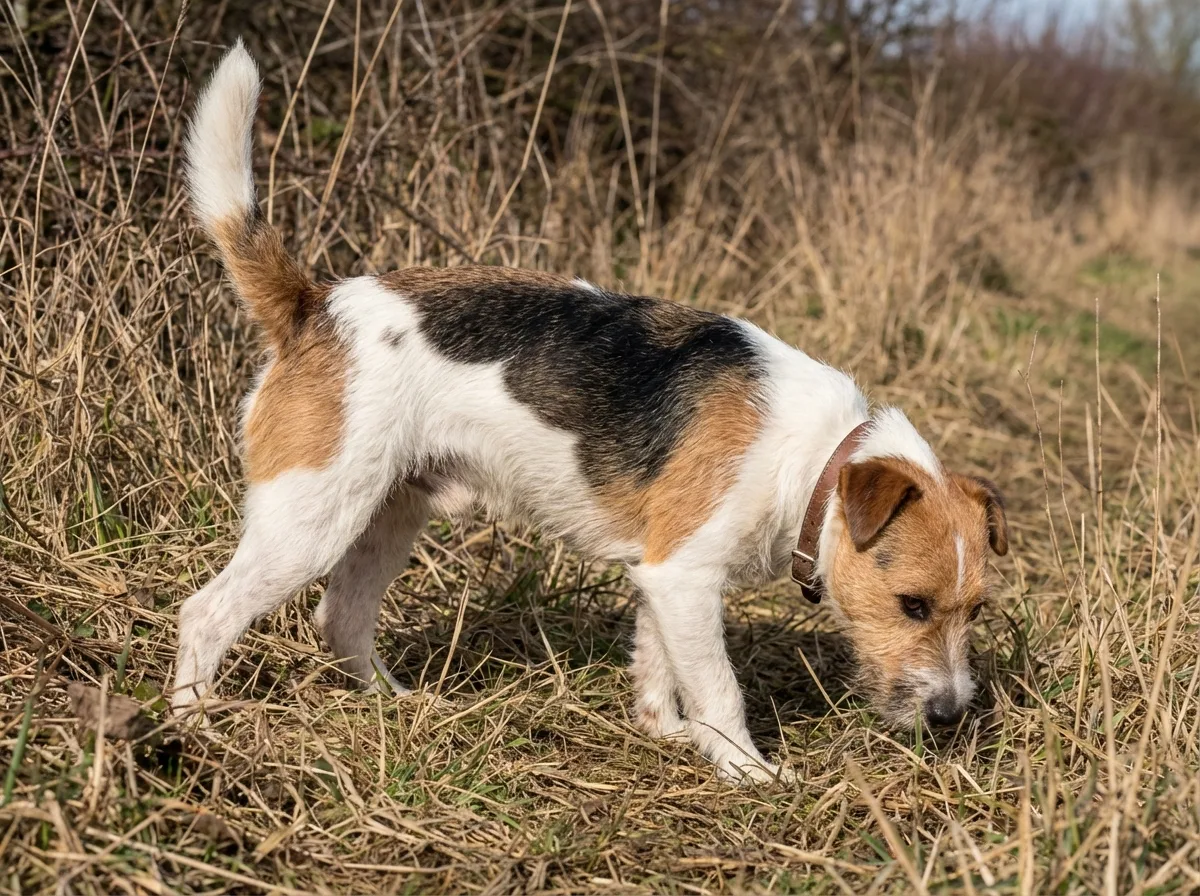
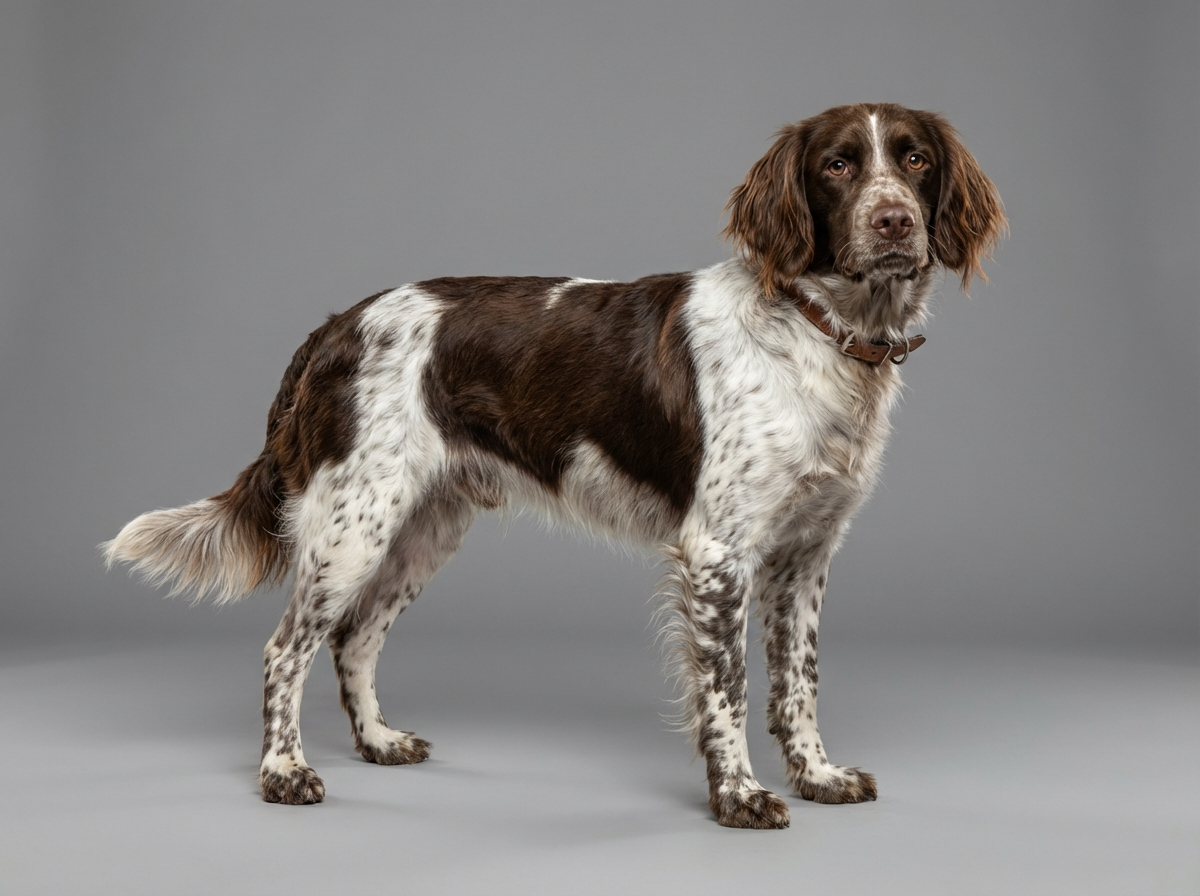
Jack Russell Terrier photos
The Jack Russell Terrier dog breed is lively and requires an active lifestyle. They thrive in energetic environments but may not be the best fit for everyone.
Good fit if...
✓ Active individuals or families
✓ People who enjoy outdoor activities
✓ Experienced dog owners
Probably avoid if...
! Apartment dwellers with limited space
! First-time dog owners
! Busy professionals with little time for exercise
The Jack Russell Terrier dog breed is known for its energetic and fearless personality. These small dogs are intelligent and playful, making them great companions for active families. However, their high energy levels can be overwhelming for first-time dog owners.
Living Needs of the Jack Russell Terrier
Jack Russell Terriers require a lot of exercise—about two hours daily—to stay happy and healthy. They thrive in environments where they can run and play, so a yard is ideal. While they can adapt to apartment living, it’s crucial to provide ample opportunities for outdoor activity.
Jack Russell Terrier Dog Breed: An Energetic Companion - Living Needs of the Jack Russell Terrier
Pros and Cons of Owning a Jack Russell Terrier
Before bringing a Jack Russell Terrier into your home, consider these pros and cons.
Jack Russell Terrier Dog Breed: An Energetic Companion - Pros and Cons of Owning a Jack Russell Terrier
Pros
✓ Highly energetic, great for active families.
✓ Intelligent and trainable, but requires consistent training.
✓ Playful and affectionate, making them fun companions.
Cons
! Needs a lot of exercise—can be too much for some owners.
! Can be stubborn and challenging for first-time owners.
! High prey drive may not be suitable for homes with small pets.
Key Decisions for Jack Russell Terrier Owners
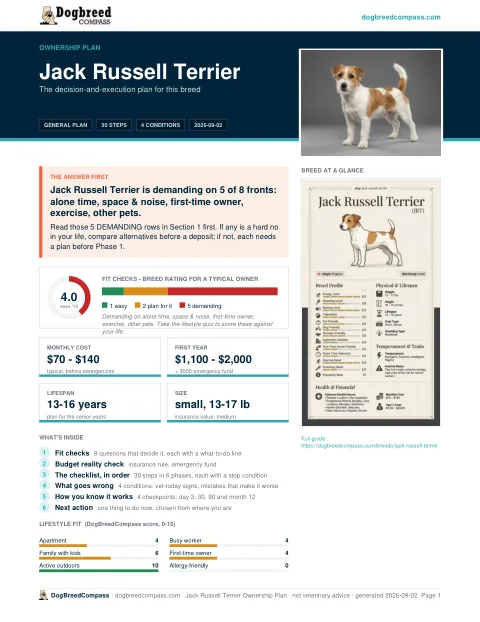
The Jack Russell Terrier is demanding on 5 of 8 fronts: alone time, space & noise, first-time owner, exercise, other pets. If any of those is a hard no in your life, this is not a good fit - compare a close cousin instead. If not, each one needs a plan before you commit, not after.
How many hours a day will the dog be alone? Demanding - Alone-time tolerance: low. Away 6+ hours most days means daily cover (walker or daycare) or a different breed. Decide this before anything else.
Where will the dog live, and how much noise can the building take? Demanding - Apartment suitability: low; barking: very high. Rated poorly for apartment living: needs a house with space, or an owner who will out-walk the building.
What can you spend every month, including a buffer for vet bills? Easy - Typical monthly cost: $70 - $140; cost level 2/5. One of the cheaper breeds to keep: $70 - $140 a month before emergencies.
Have you trained a dog before? Demanding - First-time-owner friendliness: low; trainability: moderate. Not a first-dog breed. For a first-time owner a trainer from week one is part of the budget, not an option.
Are there children in the home (now or soon)? Plan for it - Kid-friendly: moderate. Workable with older, dog-savvy children; no unsupervised time with under-5s.
How much exercise will you actually give, on a bad week? Demanding - Exercise need: very high; energy: very high. Needs 60+ minutes of real exercise most days, every season. If that is not realistic, neither is this breed.
How much hair and grooming can you live with? Plan for it - Shedding: moderate (Short, dense); grooming need: low. Moderate shedding or grooming: brush weekly, and expect hair on the sofa.
Any other pets at home? Demanding - Dog-friendly: low. Rated low with other dogs. In a multi-dog home this needs a trainer-led introduction, or a different breed.
A good fit if the demanding rows above have a plan you can name today; you should avoid this breed if one of them is something you would be hoping to change later. Take the lifestyle quiz to have these scored against your own answers.
Jack Russell Terrier Dog Breed: An Energetic Companion - Key Decisions for Jack Russell Terrier Owners
Family & Kids Fit
The Jack Russell Terrier dog breed can be a lively addition to families, thanks to its energetic and playful nature. They tend to be good with older children who can handle their exuberance. However, their high energy and tendency to chase small movements can be a concern around toddlers or very young kids.
In multi-dog households, Jack Russells can be a bit territorial, so introductions should be managed carefully.
Jack Russell Terrier Dog Breed: An Energetic Companion - Family & Kids Fit
Pros
✓ Energetic and playful, making them fun companions for active kids.
✓ Generally friendly and social with older children.
✓ Can provide great entertainment for the whole family.
Cons
! May not be safe around very young children due to their energetic nature.
! Can be territorial with other dogs, requiring careful introductions.
! High exercise needs may be challenging for busy families.
Apartment vs House Living for Jack Russell Terriers
Jack Russell Terriers (JRTs) can adapt to both apartment and house living, but there are important factors to consider. In apartments, their high energy and barking levels can be a challenge. They need ample exercise to manage their energy, which means frequent trips outside for play and walks.
If you live in a smaller space, consider if you can dedicate time daily to meet their exercise needs.
In contrast, having a house with a yard is ideal for a Jack Russell Terrier. A yard allows them to run and play freely, which helps curb their high energy levels. However, keep in mind that they are known for their strong prey drive, so a secure yard is essential.
If you opt for a yard, regular training and socialization are crucial to prevent unwanted behaviors, especially if they see small animals.
If you're considering a JRT for apartment living, they can be a good fit if you’re active and can provide them with enough physical and mental stimulation. However, if you can't commit to regular outdoor time, this breed might frustrate you and your neighbors. A house with a yard is certainly preferred for their overall happiness and well-being.
Jack Russell Terrier Dog Breed: An Energetic Companion - Apartment vs House Living for Jack Russell Terriers
Pros
✓ JRTs can adapt to small spaces with enough exercise.
✓ A yard provides ample space for play and exercise.
✓ Living in a house can reduce noise complaints from barking.
Cons
! High energy levels require frequent outdoor time in apartments.
! Barking can disturb neighbors in close living situations.
! A lack of space can lead to behavioral issues if not properly managed.
Grooming & Health Routine
The Jack Russell Terrier dog breed has a short, dense coat that requires minimal grooming. Owners should brush their JRT once a week to control shedding and keep their coat looking healthy. Bathing can be done every few months or as needed, especially if they get muddy from their energetic playtime.
Jack Russell Terrier Dog Breed: An Energetic Companion - Grooming & Health Routine
Pros
✓ Minimal grooming needs with weekly brushing
✓ Short baths every few months
✓ Moderate shedding means less mess
Cons
! Occasional ear cleaning and nail trimming required
! Health checks needed for common issues
! Higher exercise leading to potential wear and tear
How long do JRTs live?
Life expectancy for the JRT sits at 13 to 16 years. By 10 a JRT is a senior dog, and the vet's advice shifts from prevention to monitoring. The breed-specific risk to watch across those years is patellar luxation. Our small breeds average about 13.6 years against 9.9 for the giants; a 17 lb JRT sits on the favourable side of that gap. Before buying, ask the breeder for screening results covering patellar luxation, hip dysplasia, progressive retinal atrophy — those are the JRT conditions our records list first.
JRT lifecycle
Figure
Typical JRT lifespan
13–16 years
JRT counts as senior from
about 10 years
JRT size class
Small
Adult JRT weight
13–17 lb
Origin
England
Where your JRT lands between 13 and 16 is mostly body condition, dental health and early screening — the parts an owner controls.
JRT size, weight and shedding
A full-grown JRT lands between 13 and 17 lb. Hair loss around the house is moderate; the coat itself is short, dense. JRTs typically stop growing around 12 months old.
JRT measurement
Figure
Adult JRT weight
13–17 lb
JRT height at the shoulder
10–15 in
JRT shedding
moderate
JRT coat
short, dense
JRT grooming need
light
Upkeep sits at light, and that number matters more in a small home than the shedding rate. No breed is allergen-free. What matters is how much of that short, dense coat reaches your floor, and for the JRT the answer is moderate. Temperament ratings for the JRT read energetic, fearless, intelligent, and the breed sits at number 27 for popularity in our data, with the breed developed in England.
Cost snapshot
Owning a Jack Russell Terrier can be moderately affordable, especially in the first year. Budget for initial costs, ongoing care, and an emergency fund.
The Jack Russell Terrier dog breed is generally healthy but can be prone to specific health issues. Regular check-ups and a good diet are essential to keep them in top shape.
Patellar Luxation
Hip Dysplasia
Progressive Retinal Atrophy
Lens Luxation
Allergies
Deafness
With a lifespan of 13 to 16 years, Jack Russells require regular exercise and mental stimulation throughout their lives. Be prepared for potential health costs as they age.
Training & behavior
Training a Jack Russell Terrier can be a rewarding experience, but it comes with its challenges. Their energetic nature requires consistent and engaging training methods.
High energy levels can lead to hyperactivity if not managed.
Strong prey drive may cause distraction during walks.
Stubbornness may hinder training progress.
Owners may need professional training assistance if their Jack Russell shows signs of aggression or excessive anxiety. Early training helps prevent behavioral issues.
What is the size and energy level of a Jack Russell Terrier?
Jack Russell Terriers are small dogs, typically weighing between 13 to 17 pounds. They have a high energy level, rated at 5 out of 5, meaning they need plenty of exercise to stay happy.
Health
What are health issues associated with Jack Russell Terriers?
Jack Russell Terriers may face health issues like patellar luxation and hip dysplasia, among others. Regular veterinary care is important to monitor these potential concerns.
Costs
What is the cost of owning a Jack Russell Terrier?
The first-year costs for a Jack Russell Terrier typically range from $1,100 to $2,000, with monthly expenses between $70 and $140. These costs can vary based on location and individual needs.
Health
How long do JRTs live?
13–16 years, with senior care usually starting around 10.
Frequently asked questions
Is the Jack Russell Terrier good with families?
The Jack Russell Terrier can be good with families, but it depends on the family's activity level. They are energetic and playful, which makes them great companions for active kids. However, supervision is essential, as their high energy can sometimes overwhelm younger children.
This answer relates to Jack Russell Terrier dog breed.
Are Jack Russell Terriers good apartment dogs?
Jack Russell Terriers can adapt to apartment living, but they require a lot of exercise. Their energy level is high, so daily walks and playtime are crucial. If you live in a small space, you’ll need to ensure they get enough opportunities to burn off energy.
How much exercise does a Jack Russell Terrier need?
Jack Russell Terriers need a significant amount of exercise—typically at least an hour each day. Activities like running, playing fetch, or engaging in agility training can help satisfy their energy needs. Without enough exercise, they may become bored and develop behavioral issues.
What is the temperament of a Jack Russell Terrier?
Jack Russell Terriers are known for their fearless and intelligent nature. They are playful and can be quite stubborn, which means consistent training is essential. Their lively personality makes them entertaining, but they also require an owner who can provide firm guidance.
What are common health issues in Jack Russell Terriers?
Common health issues for Jack Russell Terriers include patellar luxation, hip dysplasia, and progressive retinal atrophy. Regular vet check-ups can help catch these problems early. It's important for prospective owners to be aware of these potential conditions when considering this breed.
Is the Jack Russell Terrier good with kids?
Jack Russell Terriers can be good with kids, especially if they are socialized from a young age. Their playful nature typically draws children in, but supervision is key to ensure safe interactions. Always teach kids how to handle the dog gently to foster a positive relationship.
How much grooming does a Jack Russell Terrier require?
Jack Russell Terriers have short, dense coats that require minimal grooming. Regular brushing helps manage shedding, which is moderate in this breed. Bathing is needed only occasionally unless they get particularly dirty or smelly.
Are Jack Russell Terriers suitable for first-time dog owners?
Jack Russell Terriers can be quite energetic and challenging for first-time dog owners. Their high energy and strong prey drive mean they require consistent training and socialization. If you're committed to providing structure and exercises, you might find success with a JRT.
How much exercise does a Jack Russell Terrier need daily?
A Jack Russell Terrier needs at least an hour of exercise each day. This breed thrives on physical activity, so daily walks, playtime, and mental stimulation are crucial to keep them happy and healthy. Without enough exercise, they can become bored and develop behavior issues.
Is a Jack Russell Terrier a good family dog?
Jack Russell Terriers can be good with families, especially those with older children who understand how to interact with dogs. They are playful and energetic, but their high energy levels might overwhelm very young kids. Supervision during playtime is recommended.
Do Jack Russell Terriers shed a lot?
Jack Russell Terriers have a short, dense coat and shed moderately. Regular grooming helps manage shedding and keeps their coat healthy. Expect to brush them a few times a week to reduce loose hair around your home.
Can Jack Russell Terriers adapt to apartment living?
While Jack Russell Terriers can live in apartments, they are not the best choice for this lifestyle. Their high energy and need for exercise mean they require ample space to run and play. If you live in an apartment, be prepared to dedicate time to daily walks and play sessions.
How long do JRTs live?
JRTs typically live 13 to 16 years, and are usually treated as senior dogs from about 10. Keeping the dog lean, staying current on dental care and screening for the conditions this breed carries are what move an individual dog toward the top of that range.
How big does a JRT get?
An adult JRT weighs 13–17 lb and stands 10–15 inches at the shoulder. Growth finishes at around 12 months for a small breed.
Take the lifestyle quiz first to get it personalised to your home, schedule and budget.
Information only — please read
DogBreedCompass is an information website. Everything here - including breed traits, cost estimates, health explanations and calculator results - is general reference material shared for information only. It is not veterinary, medical, legal, or financial advice, and reading it does not create a veterinarian-client-patient or any other professional relationship.
We research and check what we publish, but we do not warrant that any figure, date, price, or statement is accurate, complete, or current, and we accept no liability for any loss, cost, injury, or other harm arising from the use of this site. Use it as one reference among several. You remain responsible for your own decisions and for your dog's care - confirm anything that matters with a licensed veterinarian or another qualified professional before you act on it.
Read the full disclaimer for the complete position on accuracy, liability and your responsibility as the reader.
Still deciding if Jack Russell Terrier is your match?
Take the Lifestyle Match quiz to see how this breed fits your day-to-day life, schedule, and budget.