Health
Is there really a link between pancreatitis and diabetes?
Yes — recurrent pancreatitis can damage insulin-producing pancreatic tissue over time, increasing diabetes risk in senior years.

Quick answer
Is there really a link between pancreatitis and diabetes?
Yes — recurrent pancreatitis can damage insulin-producing pancreatic tissue over time, increasing diabetes risk in senior years.
A dog with a history of pancreatitis episodes isn't just at risk of another stomach crisis — years later, the same organ can fail in a completely different way.
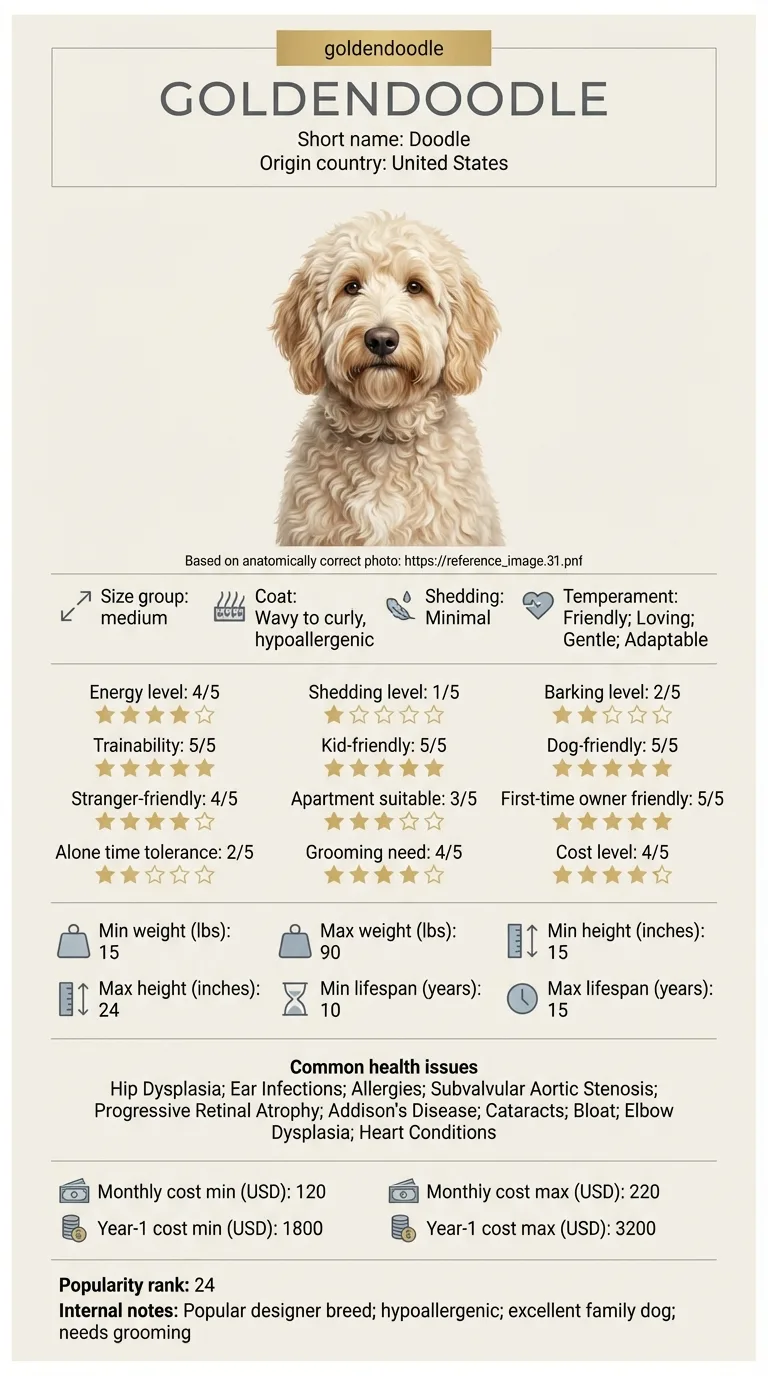
This affects owners of senior Goldendoodles with a known history of one or more pancreatitis episodes, who are now navigating new symptoms like increased thirst and urination that point toward a second, related diagnosis.
This guide is not medical advice. If your dog shows pain, sudden behavior change, or worsening symptoms, consult a licensed veterinarian.
Some links may be affiliate links. We may earn a commission at no extra cost to you. We only suggest products we believe are helpful for dog owners.
We research and check what we publish, but we do not warrant that any figure, date, price, or statement is accurate, complete, or current, and we accept no liability for any loss, cost, injury, or other harm arising from the use of this site. Use it as one reference among several. You remain responsible for your own decisions and for your dog's care - confirm anything that matters with a licensed veterinarian or another qualified professional before you act on it. Full disclaimer.
Recurrent or chronic pancreatitis can gradually damage the insulin-producing cells within the pancreas, alongside the enzyme-producing tissue more commonly associated with acute episodes, leading to a meaningfully elevated diabetes risk in senior Goldendoodles with a documented pancreatitis history. Recognizing this connection helps owners watch for the right early signs and manage both conditions together effectively.
Pancreatitis and diabetes together represent a documented high-risk pattern specifically in senior Goldendoodles, reflecting the cumulative effect of pancreatic tissue damage that can occur when acute or recurrent episodes aren't fully resolved or prevented over a dog's lifetime.
This connection reflects a general physiological pattern documented across dogs broadly rather than one specific Goldendoodle genetic trait, though the breed's documented pancreatitis risk, combined with a typical lifespan reaching well into the senior years, creates the timeline needed for this cumulative pancreatic damage pattern to potentially unfold.
Repeated exposure to high-fat meals or treats, ongoing obesity, and incomplete long-term dietary management after a pancreatitis diagnosis all contribute to the kind of chronic pancreatic stress that can eventually affect insulin production alongside the more commonly recognized digestive enzyme effects.
Schedule a vet visit for increased thirst, urination, or unexplained weight loss in a senior dog, particularly one with a known pancreatitis history. Treat repeated vomiting, lethargy, or a distended painful abdomen as urgent, same-day concerns.
See all Goldendoodle health problems, which breeds are prone to pancreatitis diabetes, or the full Goldendoodle breed guide for temperament, exercise needs and ownership costs.
Diagnosing diabetes typically takes a single blood and urine test once symptoms prompt evaluation, though confirming the correct insulin dose can take several weeks of monitoring and adjustment. Long-term pancreatitis prevention through diet is an ongoing, permanent commitment rather than a temporary phase.
Success looks like stable blood glucose control confirmed through regular monitoring, no further pancreatitis episodes, and a consistent daily routine that manages both conditions together rather than treating them as two separate, disconnected problems.
The pancreas contains distinct clusters of cells: the exocrine tissue producing digestive enzymes, which is what's primarily inflamed and damaged during an acute pancreatitis episode, and separate clusters called islet cells, which produce insulin. A single acute episode mostly affects the enzyme-producing tissue and often resolves without lasting insulin-related consequences. But recurrent or chronic low-grade inflammation over months or years can progressively damage the islet cells too, and once enough insulin-producing capacity is lost, the dog develops diabetes.
This explains a pattern many vets recognize: a dog with a documented history of one or more pancreatitis episodes earlier in life, presenting years later in its senior years with new increased thirst, urination, and weight loss despite a normal or increased appetite — the classic signs of diabetes. The connection isn't universal or guaranteed, but it's common enough that a vet evaluating new diabetes symptoms will typically ask specifically about any prior pancreatitis history as part of the workup.
Managing both conditions together requires some careful balancing: a low-fat diet, standard for pancreatitis prevention, generally aligns well with diabetes management too, but insulin therapy and its precise timing relative to meals adds a layer of complexity that a dog managing pancreatitis risk alone wouldn't need to navigate.
Once both conditions are in play, consistent routine becomes even more important than with either condition alone.

If you think your Doodle has pancreatitis & diabetes, the plan is three steps: write down what you have seen and when it started, book a veterinary appointment rather than waiting for the next flare, and take video of the behaviour or symptom before you go — the thing you are worried about rarely happens in the consulting room. Screening in the parents covers hip dysplasia, ear infections, allergies.
What the vet visit should produce is a diagnosis and a written plan, not just reassurance: what is being ruled out, what the monitoring interval is, and which signs mean you come back sooner. Ask what the treatment costs across a year rather than per visit, because that is the number that decides whether you are managing this condition or reacting to it.
Between appointments, keep a short log — dates, what you saw, what changed. It is the single most useful thing an owner brings to a follow-up, and for pancreatitis & diabetes it is often what separates a clear pattern from a guess.
Andre's Goldendoodle, Sunny, had two separate pancreatitis episodes in her middle years, both resolved with hospitalization and a permanent switch to a low-fat diet. Andre kept her weight lean and followed the diet consistently for years afterward. At age eleven, Sunny began drinking and urinating noticeably more, and Andre brought her in promptly given the pattern he'd learned to watch for. Bloodwork confirmed diabetes, and her vet explained the documented connection between her prior pancreatitis history and this new diagnosis. Andre started insulin therapy on a consistent schedule tied to her regular mealtimes, and within a few weeks of dose adjustment, Sunny's blood glucose stabilized well within target range.
Key takeaway: Andre's familiarity with Sunny's pancreatitis history meant he recognized the new symptoms immediately rather than dismissing them as ordinary aging, which got her a diagnosis and stable management quickly.
No — most dogs recover from an acute pancreatitis episode without developing diabetes. The risk applies more specifically to dogs with recurrent or chronic pancreatitis, where repeated damage over time can eventually affect insulin-producing tissue.
Increased thirst and urination are typically the earliest and most noticeable signs, sometimes alongside weight loss despite normal or increased appetite, which warrants prompt bloodwork to check blood sugar levels.
Yes, many dogs are managed well with insulin therapy, consistent diet timing, and regular monitoring, though it requires a genuine daily commitment from the owner to injection timing and monitoring.
Prompt, complete treatment of each pancreatitis episode, along with long-term dietary management to reduce recurrence, is a reasonable and logical way to reduce cumulative pancreatic damage, though it's not an absolute guarantee against future diabetes.
Generally yes — a controlled, consistent, appropriately low-fat diet supports both goals, though your vet may fine-tune specific recommendations once diabetes is diagnosed and insulin therapy begins.
Bloodwork showing elevated blood glucose, often alongside glucose in the urine, confirms the diagnosis, sometimes requiring a fructosamine test to distinguish true diabetes from temporary stress-related glucose elevation.
Yes — recurrent pancreatitis can damage insulin-producing pancreatic tissue over time, increasing diabetes risk in senior years.
Increased thirst and urination are typically the first noticeable signs, often appearing before weight loss becomes obvious.
Insulin, monitoring supplies, and periodic bloodwork add a meaningful recurring monthly cost that's worth budgeting for long-term.
Rarely for true diabetes — most dogs require insulin therapy alongside consistent diet timing rather than diet changes alone.
It's reasonable to discuss periodic glucose screening with your vet as part of senior wellness bloodwork given the documented connection.
A one-page prep sheet for this condition: the signs, the questions to ask, what to get priced. Unlocks here.
You get: Vet visit prep sheet
No spam. One-click unsubscribe. See our privacy policy.
Preview page 1 before you decide.