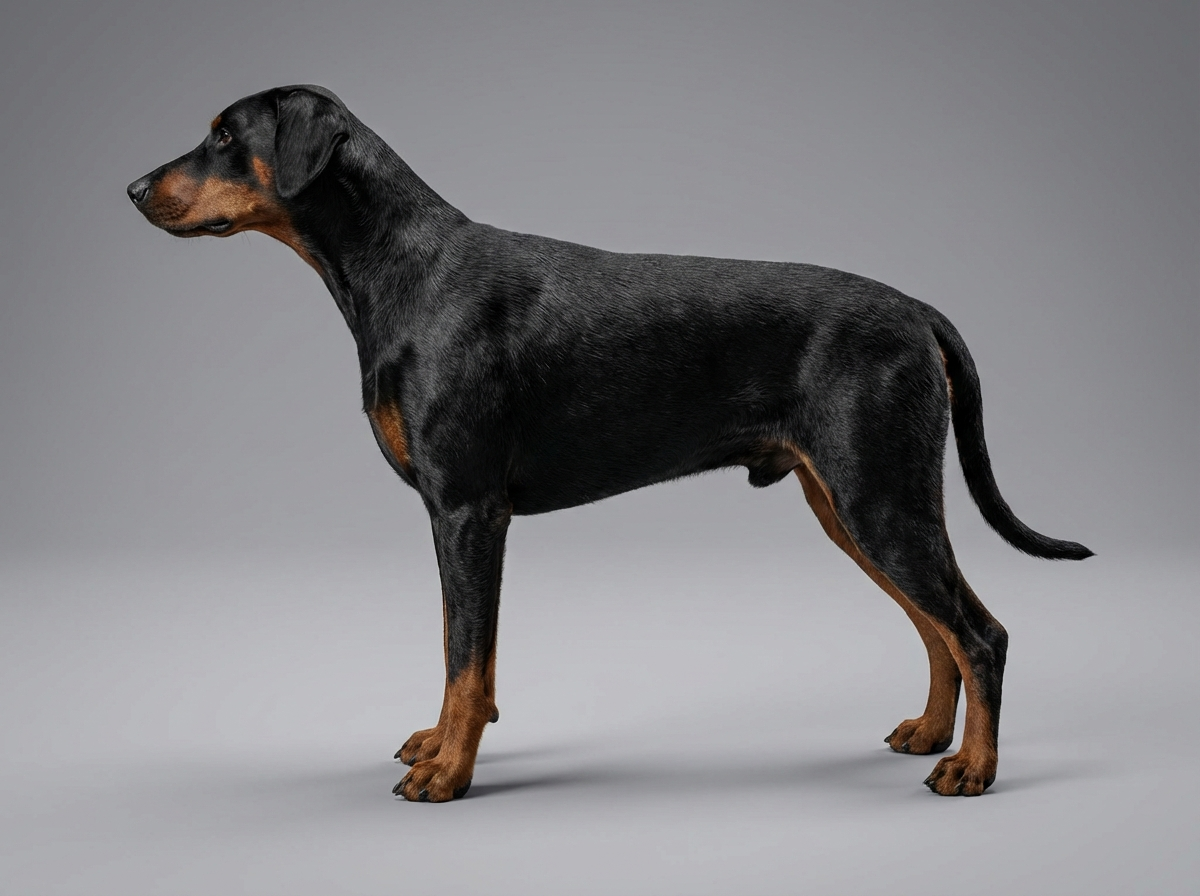
Doberman Pinscher Allergic Reactions: Causes and Solutions
Quick answer
What are some quick tips for managing Doberman Pinscher allergic reactions?
To manage allergic reactions in your Doberman Pinscher, keep their environment clean and free of allergens, feed them a high-quality diet, and regularly check for fleas. Regular vet visits can help monitor their health.
Doberman Pinscher allergic reactions can be a troubling issue for both dogs and their owners.
Typically, first-time Doberman owners or those living in environments with many allergens may find this problem particularly challenging. Busy families and individuals who may not have extensive dog care experience often feel overwhelmed when their Doberman shows signs of allergies.
Important reminder
This guide is not medical advice. If your dog shows pain, sudden behavior change, or worsening symptoms, consult a licensed veterinarian.
Some links may be affiliate links. We may earn a commission at no extra cost to you. We only suggest products we believe are helpful for dog owners.
We research and check what we publish, but we do not warrant that any figure, date, price, or statement is accurate, complete, or current, and we accept no liability for any loss, cost, injury, or other harm arising from the use of this site. Use it as one reference among several. You remain responsible for your own decisions and for your dog's care - confirm anything that matters with a licensed veterinarian or another qualified professional before you act on it. Full disclaimer.
Check this first
When Doberman Pinscher Allergic Reactions Are an Emergency
Knowing when a Doberman Pinscher allergic reaction is an emergency is crucial for your pup's health. Some signs indicate that you should call your vet immediately, while others can be monitored at home. Rapid response can make all the difference in serious situations.
If any of these apply, call your vet or an emergency clinic now. The rest of this page is for the cases that are not an emergency.
What this problem looks like
Doberman Pinscher allergic reactions can manifest in various ways, including skin irritation, itching, and gastrointestinal upset. These reactions can be triggered by environmental allergens like pollen, dust mites, or certain food ingredients. For Dobermans, allergies often lead to discomfort and distress, affecting their daily behavior and overall quality of life.
Common triggers
Pollen and seasonal allergens
Dust mites and mold
Certain food ingredients like grains or specific proteins
Fleas and other parasites
Allergic reactions in Doberman Pinschers are relatively common. Research suggests they have a 276% higher risk of developing allergies compared to other breeds. Many owners report dealing with allergy symptoms at some point during their dog's life.
Why this happens
Breed factors
Doberman Pinschers can be more prone to allergic reactions due to their genetic makeup. Certain breeds have tendencies toward skin sensitivities or food allergies, and the Doberman is one of them. This means they might react more severely to allergens in their environment or diet.
Environment factors
Environmental factors can also trigger allergic reactions in Dobermans. Common culprits include pollen, dust mites, mold, and certain chemicals found in cleaning supplies. Additionally, food allergies from ingredients like wheat, soy, or certain proteins can cause discomfort.
What you can do at home (once it is not an emergency)
When to talk to your vet
If home strategies don't improve your Doberman's condition, it's time to consult a veterinarian. They can perform allergy tests to determine specific triggers and recommend appropriate treatments or medications.
At home, alongside your vet's plan
Start by observing your Doberman for any specific triggers. Keep a journal of when reactions occur and what they were exposed to beforehand.
Switch to a hypoallergenic dog food to see if dietary changes help. Look for options that exclude common allergens.
Regularly bathe your Doberman with a vet-recommended shampoo to help remove allergens from their skin and coat.
Use air purifiers in your home to reduce airborne allergens. This can be especially helpful during allergy seasons.
Keep your living space clean by vacuuming frequently and using pet-friendly cleaning products.
Mistakes that make Allergic Reactions worse
Addressing allergic reactions in your Doberman Pinscher can be tricky. Here are some common mistakes owners make that can worsen the situation, along with better alternatives.
Ignoring symptoms: Many owners overlook early signs of allergic reactions. Instead, keep a close eye on your Doberman and consult a vet at the first sign of trouble.
Using over-the-counter medications: Some owners try to treat allergic reactions with human medications, which can be harmful. Always consult your vet for appropriate treatments tailored to your dog's needs.
Not maintaining a clean environment: A dirty living space can exacerbate allergies. Regularly clean your home and your dog's bed to minimize allergens.
Neglecting a balanced diet: Some owners don't realize that poor nutrition can worsen allergies. Feed your Doberman a high-quality diet and consider hypoallergenic options if recommended by your vet.
Delaying vet visits: Waiting too long to see a vet can worsen allergic reactions. Schedule regular check-ups and get professional advice promptly if issues arise.
Failing to identify triggers: Many owners don't track what causes allergic reactions. Keep a diary of your Doberman's symptoms and potential triggers to help your vet diagnose the issue.
Disregarding grooming needs: Some owners skip regular grooming, which can lead to skin issues. Regular baths with hypoallergenic shampoos and brushing can help keep your Doberman's skin healthy.
With consistent management, you may see improvements in your Doberman's allergic reactions within 4 to 6 weeks.
Success means your Doberman has reduced symptoms, such as less itching and discomfort, and can enjoy daily activities without constant interruptions from allergic reactions.
Red-Flag Signs: Call Your Vet Now
Watch for these serious symptoms that require immediate veterinary attention. Ignoring them can lead to severe health issues.
Doberman Pinscher Allergic Reactions: Causes and Solutions - Red-Flag Signs: Call Your Vet Now
Swelling of the face, lips, or throat
Difficulty breathing or rapid panting
Vomiting or diarrhea that is severe or persistent
Severe itching leading to skin lesions or bleeding
Collapse or unresponsiveness
Mild Cases: Monitor and Plan
In some cases, allergic reactions may be less severe and can be managed at home. Keep an eye on these symptoms, but have a plan in place.
Doberman Pinscher - Mild Cases: Monitor and Plan
Mild itching or skin irritation
Occasional sneezing or coughing
Minor gastrointestinal upset without blood
Localized swelling without breathing issues
Next Steps for Monitoring
If your Doberman shows mild symptoms, monitor them closely for changes. Keep a record of when symptoms occur and any potential triggers. If symptoms worsen, reach out to your vet for guidance.
Emily and Max's Journey with Allergies
Emily, a first-time Doberman owner, noticed that her dog Max was frequently scratching and had red patches on his skin. After a vet visit, she learned that Max had allergies possibly triggered by environmental factors. Emily began a routine of keeping Max indoors during high pollen days and switched his diet to a hypoallergenic dog food. She also regularly bathed Max to remove allergens from his coat. Within a couple of months, Max's skin improved significantly, and he became much more comfortable. Emily felt relieved knowing she could manage his condition effectively.
Key takeaway: Understanding your Doberman's allergies and taking proactive steps can lead to a happier, healthier life for both you and your dog.
Frequently asked questions
Why does my Doberman Pinscher have allergic reactions?
Doberman Pinschers can have allergic reactions due to various factors, including food ingredients, pollen, or chemicals in their environment. Common allergens include grains, certain proteins, and flea bites. If your Doberman frequently shows signs of itching or redness, it's essential to consult a vet for proper diagnosis.
How can I stop Doberman Pinscher allergic reactions?
To stop allergic reactions in your Doberman Pinscher, start by identifying potential allergens. You can do this by keeping a diary of their diet and activities and observing any patterns. Eliminating suspected allergens and consulting your vet for allergy testing can greatly help.
What are the common signs of allergic reactions in Doberman Pinschers?
Common signs of allergic reactions in Doberman Pinschers include itching, redness, swelling, and gastrointestinal issues like vomiting or diarrhea. If your dog starts scratching excessively or has a rash, it's crucial to seek veterinary care. Early intervention can prevent more severe health issues.
Can training help with my Doberman's allergic reactions?
Training can help manage your Doberman Pinscher's allergic reactions by teaching them to avoid certain triggers. For example, you can train them to stay away from certain areas or objects that may cause an allergic reaction. This approach should be combined with veterinary advice for the best outcomes.
Are there specific diets for Dobermans with allergies?
Yes, specialized diets can be beneficial for Doberman Pinschers with allergies. Look for hypoallergenic dog foods or those with limited ingredients to reduce exposure to common allergens. Always consult with your veterinarian before making significant dietary changes.
Can food allergies cause reactions in Doberman Pinschers?
Yes, food allergies can trigger reactions in Doberman Pinschers. Common allergens include beef, chicken, dairy, and grains. A vet may recommend an elimination diet to identify the specific food causing the issue.
How can I manage my Doberman’s allergic reactions at home?
To manage allergic reactions at home, keep your Doberman’s environment clean and minimize exposure to allergens. Regular baths with hypoallergenic shampoo may help soothe the skin. However, always check with your vet before starting any new treatment.
Should older Doberman Pinschers be checked for allergies more often?
Yes, older Doberman Pinschers may develop allergies over time. Regular vet check-ups can help identify new allergies as they age. It's important to monitor any changes in behavior or health.
When should I take my Doberman Pinscher to the vet for allergic reactions?
If your Doberman Pinscher shows severe symptoms like swelling, difficulty breathing, or persistent vomiting, seek veterinary care immediately. Even minor symptoms that don’t improve over time warrant a visit to the vet for advice.
What are some quick tips for managing Doberman Pinscher allergic reactions?
To manage allergic reactions in your Doberman Pinscher, keep their environment clean and free of allergens, feed them a high-quality diet, and regularly check for fleas. Regular vet visits can help monitor their health.
Health
How often should I take my Doberman to the vet for allergies?
It's best to take your Doberman Pinscher to the vet at least once a year for check-ups. If they show signs of allergies, more frequent visits may be necessary to manage their condition.
Health
Are there any over-the-counter remedies for Doberman allergic reactions?
Some over-the-counter antihistamines can help, but it's essential to consult your vet before administering any medication. They can recommend safe options tailored for your Doberman's specific needs.
Living
Can grooming help reduce allergic reactions in Dobermans?
Yes, regular grooming can help minimize allergens on your Doberman's coat. It removes loose fur and dander, which can contribute to allergic reactions, making grooming an essential part of their care.
A fuller vet-visit kit for Doberman Pinscher Allergic Reactions
The free prep sheet covers the same-day warning signs, a symptom log and the questions to ask. We are considering a fuller kit that adds a cost worksheet for the usual tests and treatments (US price ranges with their sources) and a plain-English guide to ways of covering the bill. It is not built yet; this list tells us whether it is worth building.
One email, no spam, unsubscribe anytime. Information only, not veterinary advice.