What are quick tips for managing Doberman Pinscher intervertebral disc disease (ivdd) type i?
Maintain a healthy weight and provide low-impact exercises. Avoid activities that stress the spine, like jumping. Regular vet check-ups are essential.
Doberman Pinscher intervertebral disc disease (IVDD) type I can be a serious health concern for this breed.

Typical owners include those who love their Dobermans but may not know how to spot the early signs of IVDD. This problem often affects active families or individuals who rely on their dogs for companionship and protection.
This guide is not medical advice. If your dog shows pain, sudden behavior change, or worsening symptoms, consult a licensed veterinarian.
Some links may be affiliate links. We may earn a commission at no extra cost to you. We only suggest products we believe are helpful for dog owners.
Doberman Pinscher intervertebral disc disease (IVDD) type I is a serious health issue where herniated discs press on the spinal cord. This can lead to pain, reduced mobility, and even paralysis. Owners may notice their Doberman struggling to jump, showing signs of discomfort, or having trouble walking, especially after physical activity.
Intervertebral disc disease (IVDD) type I is relatively common in Doberman Pinschers, occurring in about 20% of the breed. It's especially prevalent in middle-aged dogs, usually between 5 to 7 years old, but can occur at any age.
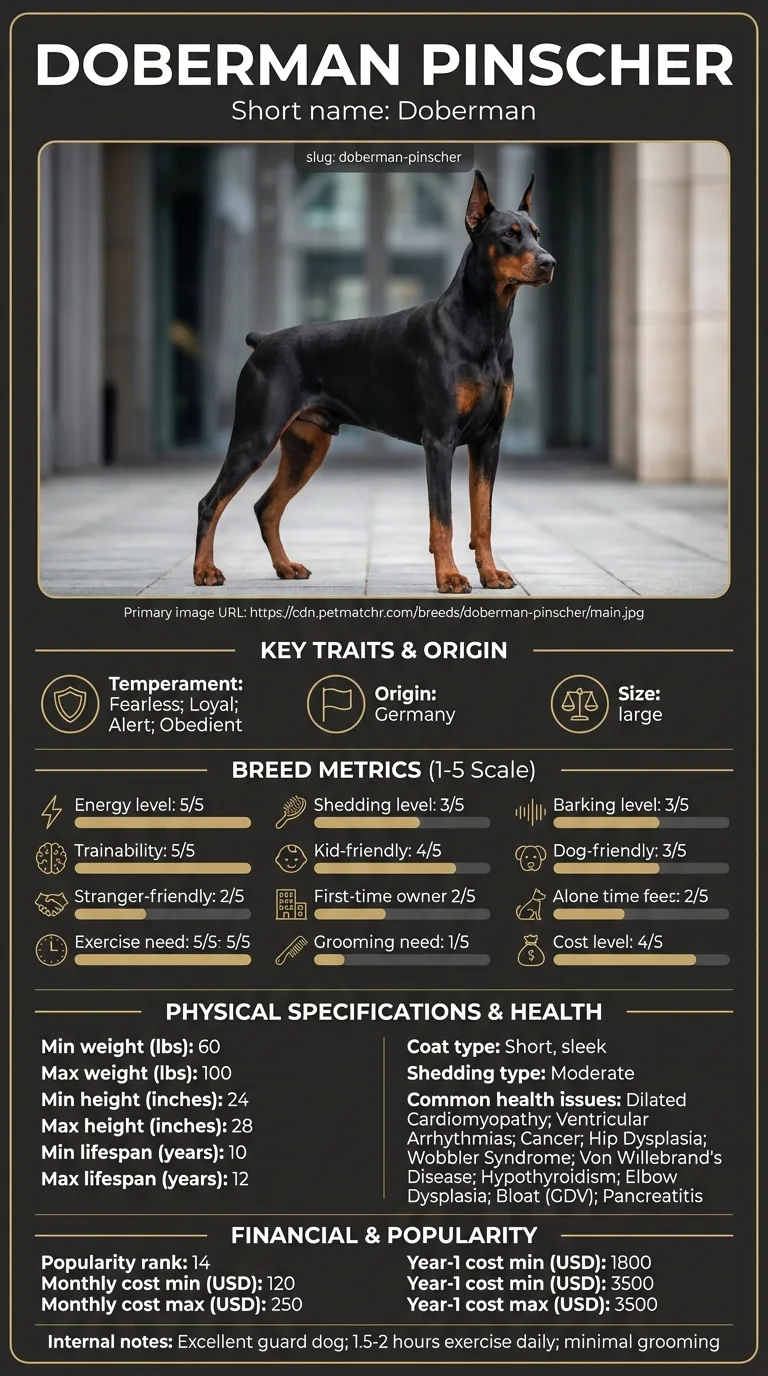
The Doberman Pinscher is a large and powerful breed, which can make them more susceptible to intervertebral disc disease (IVDD) type I. Their body structure, combined with their active nature, puts stress on the spine. Genetics also play a role, as certain lines may have a higher predisposition to spinal issues.
Environmental factors such as obesity, lack of exercise, and improper handling can contribute to the development of IVDD. Dogs that are overweight put extra strain on their spines, while those who engage in high-impact activities without proper conditioning may face increased risk. Additionally, slippery floors or improper jumping can lead to injuries.
If your Doberman shows signs of anxiety or has difficulty following commands related to movement, consider consulting a professional trainer. They can help you develop a training plan to teach safe behaviors and reduce the risk of injury.
If you notice your Doberman experiencing pain, difficulty walking, or any sudden changes in behavior, contact your vet immediately. Early intervention can help manage symptoms and prevent further damage.
You may see improvements within 4 to 12 weeks with consistent care and training.
Success means your Doberman can move comfortably and engage in daily activities without pain.
Avoiding certain behaviors can help your Doberman Pinscher with intervertebral disc disease (IVDD) type I. Here are common mistakes that may worsen the condition, along with safer alternatives.
It's crucial to know when Doberman Pinscher intervertebral disc disease (IVDD) type I requires immediate veterinary attention. If your dog shows any of these red flags, call your vet right away:
- Severe pain or inability to walk - Sudden paralysis or weakness in the hind legs - Loss of bladder or bowel control - Intense shivering or whining without relief
These symptoms indicate a serious condition where timely intervention is vital. Conversely, if your Doberman displays mild symptoms, such as intermittent reluctance to jump or slight stiffness, you can monitor them at home. Keep an eye on their behavior and make adjustments to their activity level. A gradual introduction to light exercise may help, but consult your vet for a tailored plan.

When Sarah, a busy nurse in Chicago, noticed her Doberman, Max, struggling to jump onto the couch, she was concerned. After a vet visit, they diagnosed him with intervertebral disc disease (IVDD) type I. Sarah committed to a strict routine of physical therapy and low-impact exercises. With patience and dedication, Max showed significant improvement within two months. He was back to his playful self, chasing after his favorite ball in the park.
Key takeaway: With the right care and a tailored exercise plan, managing IVDD in your Doberman can lead to a happier, pain-free life.

Doberman Pinschers are predisposed to intervertebral disc disease (ivdd) type i due to their genetics and physical structure. This condition occurs when the discs between the vertebrae herniate, leading to pressure on the spinal cord. Factors like age, weight, and activity level can also influence the likelihood of developing ivdd.
To help prevent or manage Doberman Pinscher intervertebral disc disease (ivdd) type i, focus on maintaining a healthy weight and providing regular, low-impact exercise. Avoid high-impact activities like jumping or rough play. Regular vet check-ups and early intervention for any signs of discomfort are crucial.
Common signs of ivdd type i in Dobermans include back pain, reluctance to move, weakness in the legs, or difficulty walking. You might also notice a hunched back or changes in behavior, such as increased irritability. If you observe these symptoms, consult your veterinarian promptly.
Diagnosis of ivdd type i typically involves a thorough physical examination and may include imaging tests like X-rays or MRIs. Your vet will assess your dog's mobility and pain response during the exam. Early diagnosis is essential for effective management and treatment.
Treatment options for ivdd type i can include rest, pain management, anti-inflammatory medications, and physical therapy. In severe cases, surgery may be necessary to relieve pressure on the spinal cord. Your vet will help you decide the best course of action based on your dog's condition.
Early signs of IVDD type I can include difficulty jumping, reluctance to move, or a change in gait. If you notice your Doberman showing signs of pain or stiffness, it's essential to consult a vet promptly.
Yes, IVDD type I can sometimes be managed without surgery through medication, physical therapy, and lifestyle changes. However, this depends on the severity of the condition, so always discuss the best options with your veterinarian.
While IVDD can occur at any age, it is more frequently diagnosed in middle-aged to older Doberman Pinschers. Regular veterinary check-ups can help monitor their spinal health as they age.
If your Doberman is experiencing an episode of IVDD, keep them calm and restrict their movement. Contact your veterinarian immediately for guidance on treatment options and to assess the severity of the condition.
To reduce the risk of IVDD type I, ensure your Doberman maintains a healthy weight, receives regular exercise, and avoids high-impact activities. Proper training and gradual introductions to new activities can also help prevent injuries.
Maintain a healthy weight and provide low-impact exercises. Avoid activities that stress the spine, like jumping. Regular vet check-ups are essential.
Treatment costs can range from $1,500 to $4,000, depending on the severity and type of treatment required. Surgery often incurs higher costs.
While you can't completely prevent ivdd type i, you can reduce risk by maintaining a healthy weight and avoiding high-impact activities. Regular vet visits can catch problems early.
Yes, ivdd type i has a genetic component and is more common in certain breeds like Doberman Pinschers. Responsible breeding practices can help reduce incidence.