Health
What are quick tips for managing Doberman Pinscher ARVC?
Regular vet visits and monitoring symptoms are key. Implement a calm, low-stress routine to help your dog feel secure.

Quick answer
What are quick tips for managing Doberman Pinscher ARVC?
Regular vet visits and monitoring symptoms are key. Implement a calm, low-stress routine to help your dog feel secure.
Doberman Pinscher arrhythmogenic right ventricular cardiomyopathy (ARVC) is a serious heart rhythm disorder that affects this loyal breed.
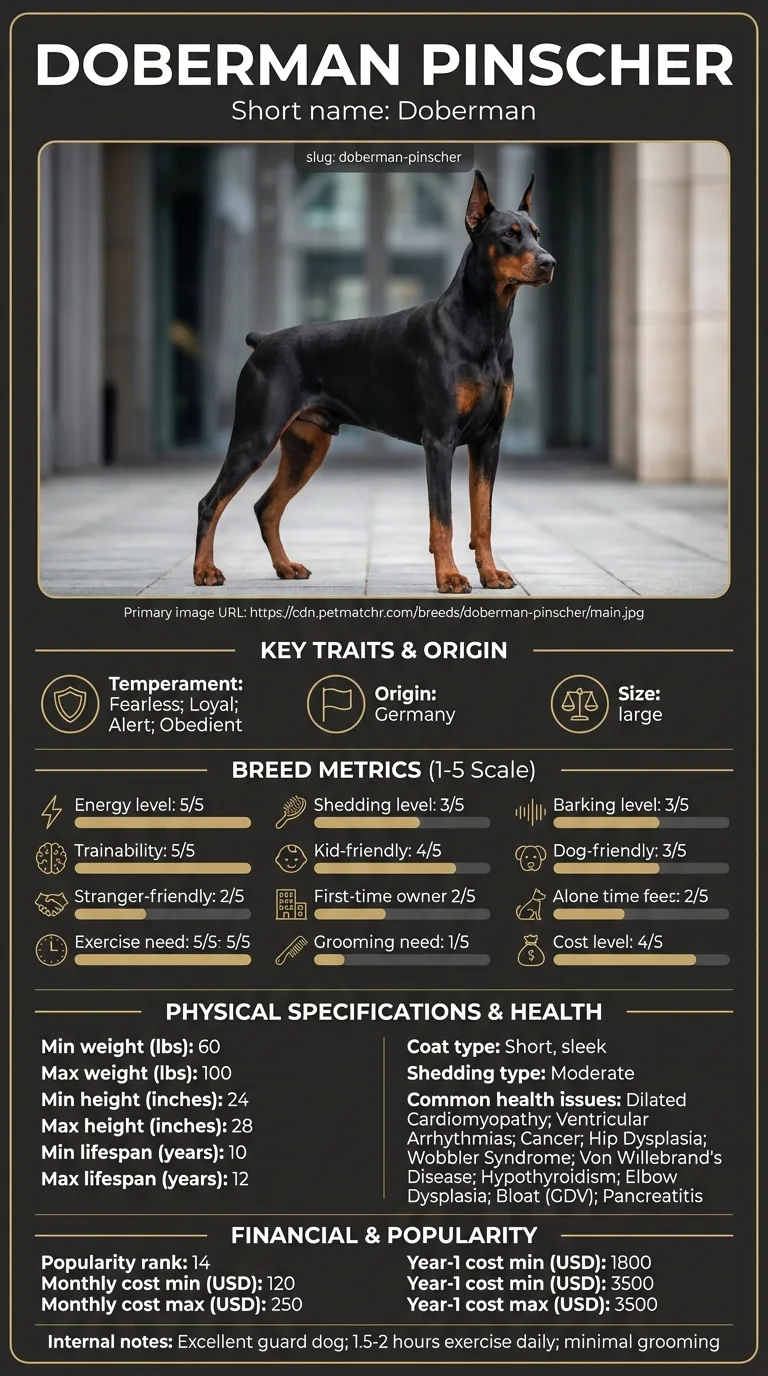
This condition typically affects Doberman owners who may not be aware of the genetic predisposition their pets have for heart issues. First-time Doberman owners, in particular, might find it challenging to navigate the complexities of this disorder.
This guide is not medical advice. If your dog shows pain, sudden behavior change, or worsening symptoms, consult a licensed veterinarian.
Some links may be affiliate links. We may earn a commission at no extra cost to you. We only suggest products we believe are helpful for dog owners.
We research and check what we publish, but we do not warrant that any figure, date, price, or statement is accurate, complete, or current, and we accept no liability for any loss, cost, injury, or other harm arising from the use of this site. Use it as one reference among several. You remain responsible for your own decisions and for your dog's care - confirm anything that matters with a licensed veterinarian or another qualified professional before you act on it. Full disclaimer.
Check this first
Recognizing when Doberman Pinscher arrhythmogenic right ventricular cardiomyopathy (ARVC) is an emergency can save your dog's life. Certain red flags indicate immediate veterinary attention is needed. If your Doberman shows symptoms like collapsing, severe lethargy, or difficulty breathing, these are signs to call your vet right away.
In contrast, mild cases of ARVC may not require urgent care. If your dog experiences occasional coughing, light wheezing, or seems a bit less active than usual, these can be monitored. However, it's important to keep track of these symptoms and consult your vet if they persist or worsen.
Always err on the side of caution. If you’re unsure whether to wait or seek help, it’s best to contact your veterinarian for guidance. They can provide advice specific to your dog’s condition.
If any of these apply, call your vet or an emergency clinic now. The rest of this page is for the cases that are not an emergency.
Doberman Pinscher arrhythmogenic right ventricular cardiomyopathy (ARVC) is a serious heart rhythm disorder that affects the breed. This condition often leads to irregular heartbeats and can result in fainting or even sudden cardiac events. Many owners may notice their Doberman becoming lethargic, having difficulty exercising, or displaying signs of anxiety due to their heart condition.
ARVC is relatively common in Doberman Pinschers, with studies suggesting that about 30% of the breed can be affected by some form of this heart disorder. Early detection is crucial for managing symptoms and maintaining a good quality of life.
Doberman Pinschers are predisposed to arrhythmogenic right ventricular cardiomyopathy (ARVC) due to genetic factors. This heart condition can be particularly common in the breed, leading to irregular heartbeats and potential heart failure. Understanding this breed-specific risk is essential for owners to monitor their dog's health closely.
Environmental factors can also contribute to the severity of ARVC. Stressful situations, lack of exercise, and poor diet may exacerbate heart conditions. It’s crucial to provide a calm environment and a balanced diet to support your Doberman's heart health.
If your Doberman shows signs of lethargy, coughing, or difficulty breathing, reach out to your vet immediately. Regular check-ups will help monitor for any progression of ARVC, ensuring timely intervention if needed.
Avoiding certain behaviors can help manage your Doberman Pinscher's arrhythmogenic right ventricular cardiomyopathy (ARVC). Here are common mistakes to steer clear of.
Start here: Doberman Pinscher Most Common Genetic Disorders: Screening
See all Doberman Pinscher health problems, which breeds are prone to arrhythmogenic right ventricular cardiomyopathy arvc, or the full Doberman Pinscher breed guide for temperament, exercise needs and ownership costs.
Managing Doberman Pinscher arrhythmogenic right ventricular cardiomyopathy (ARVC) typically requires ongoing vet visits and lifestyle adjustments over several months. You may start to see improvements in your dog's health and behavior within 3 to 6 months with consistent care.
Success means your Doberman is maintaining a stable heart rhythm, showing improved energy levels, and enjoying a good quality of life. Additionally, you should feel confident in managing their condition through regular vet check-ups and appropriate lifestyle changes.
When Maggie, a Doberman Pinscher, was diagnosed with arrhythmogenic right ventricular cardiomyopathy (ARVC), her owner, Sarah, felt overwhelmed. At first, Maggie seemed lethargic and had episodes of fainting. After consulting a veterinary cardiologist, Sarah learned how to adjust Maggie's diet and exercise routine. With a combination of medication and careful monitoring, Maggie gradually regained her energy. Sarah found that keeping a daily log of Maggie's activities helped her notice any changes in behavior. Now, after six months, Maggie is thriving and Sarah feels empowered to manage her dog's condition.
Key takeaway: Early diagnosis and proactive management are crucial for helping your Doberman live a full life with ARVC.
Doberman Pinscher arrhythmogenic right ventricular cardiomyopathy (ARVC) is a heart rhythm disorder common in Dobermans. It affects the heart's ventricles, leading to irregular heartbeats and can cause serious health issues.
Look for symptoms like weakness, fainting spells, or lethargy. If your dog shows these signs, it's crucial to consult a veterinarian for a proper diagnosis and treatment plan.
Treatment often includes medication to manage heart rhythm and regular veterinary check-ups. In severe cases, a veterinary cardiologist may recommend more advanced interventions.
While training won't cure ARVC, it can help keep your dog calm and reduce stress. Gentle, consistent training routines are beneficial for maintaining a stable environment.
Early signs of Doberman Pinscher arrhythmogenic right ventricular cardiomyopathy (ARVC) can include fainting, lethargy, or a sudden decrease in activity levels. If you notice these symptoms, it's crucial to consult your vet promptly.
Diagnosis of ARVC typically involves a thorough physical examination, an electrocardiogram (ECG), and possibly an echocardiogram to assess heart function. Your vet may also recommend genetic testing, as this condition has a hereditary component.
Yes, older Doberman Pinschers can develop arrhythmogenic right ventricular cardiomyopathy (ARVC), although it is often diagnosed in younger dogs. Regular vet check-ups are essential for older dogs to monitor heart health.
For a Doberman Pinscher with arrhythmogenic right ventricular cardiomyopathy (ARVC), it's important to maintain a low-stress environment and provide a balanced diet. Regular, moderate exercise is beneficial, but intense activity should be avoided to reduce heart strain.
You should take your Doberman Pinscher to the vet if you notice symptoms like fainting, excessive panting, or unusual lethargy. Regular monitoring and check-ups are crucial for detecting any changes in heart health, especially if the dog has a history of ARVC.
Regular vet visits and monitoring symptoms are key. Implement a calm, low-stress routine to help your dog feel secure.
A balanced diet rich in omega-3 fatty acids can support heart health. Consult your vet for tailored dietary advice.
Annual costs can range from $1,800 to $3,500, depending on the severity of the condition and necessary treatments.
Light, moderate exercise is best. Avoid strenuous activities that could stress your dog's heart.
Provide plenty of love and reassurance, along with a calm environment. This can help ease their anxiety and improve their overall well-being.
A one-page prep sheet for this condition: the signs, the questions to ask, what to get priced. Unlocks here.
You get: Vet visit prep sheet
No spam. One-click unsubscribe. See our privacy policy.
Preview page 1 before you decide.