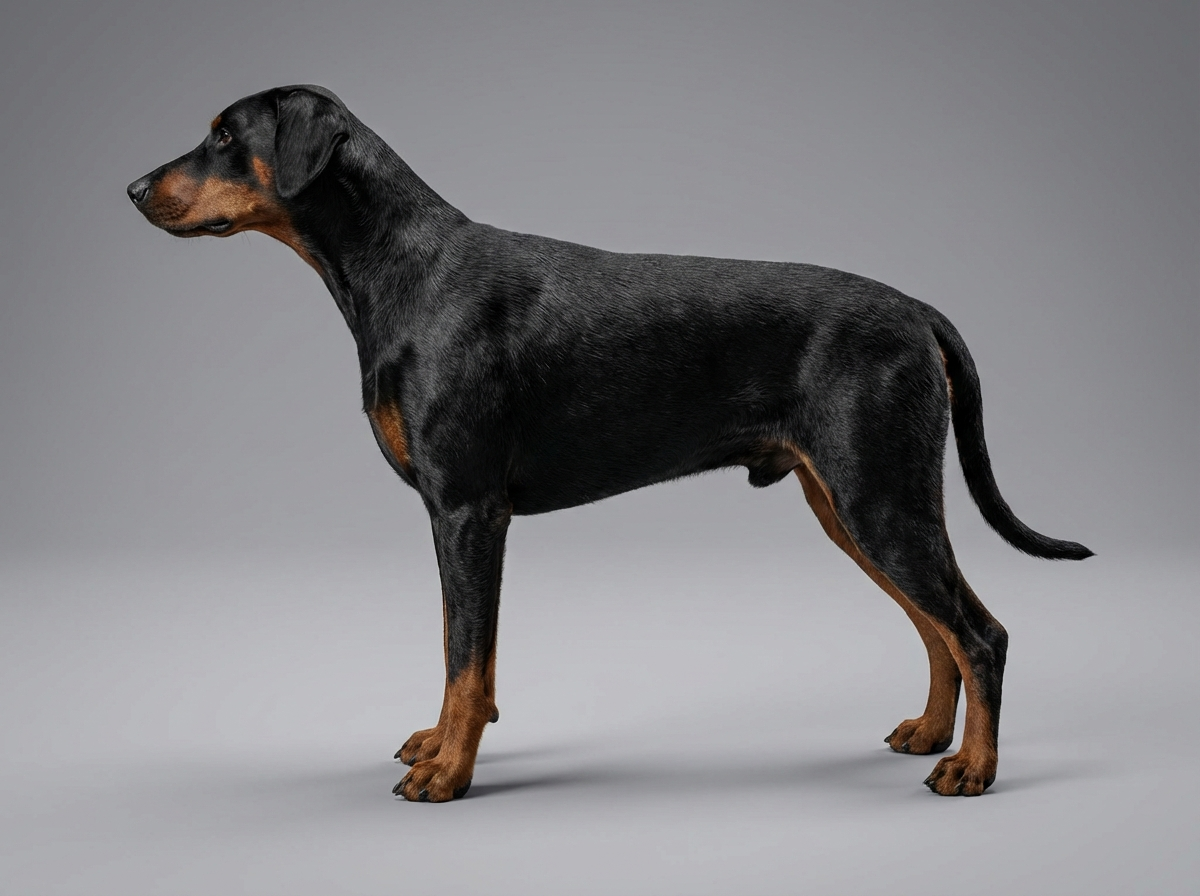
Living
What are quick tips for managing Doberman Pinscher pancreatitis & diabetes?
Focus on a low-fat, high-fiber diet and regular vet check-ups. Ensure daily exercise to keep your Doberman healthy and maintain an ideal weight.

Quick answer
What are quick tips for managing Doberman Pinscher pancreatitis & diabetes?
Focus on a low-fat, high-fiber diet and regular vet check-ups. Ensure daily exercise to keep your Doberman healthy and maintain an ideal weight.
Doberman Pinscher pancreatitis & diabetes are serious health concerns that can affect your dog's quality of life.

Owners of Doberman Pinschers, especially those with older dogs, often face these challenges. Busy families or first-time dog owners may find it overwhelming to navigate the complexities of managing these health issues.
This guide is not medical advice. If your dog shows pain, sudden behavior change, or worsening symptoms, consult a licensed veterinarian.
Some links may be affiliate links. We may earn a commission at no extra cost to you. We only suggest products we believe are helpful for dog owners.
We research and check what we publish, but we do not warrant that any figure, date, price, or statement is accurate, complete, or current, and we accept no liability for any loss, cost, injury, or other harm arising from the use of this site. Use it as one reference among several. You remain responsible for your own decisions and for your dog's care - confirm anything that matters with a licensed veterinarian or another qualified professional before you act on it. Full disclaimer.
Check this first
Recognizing when Doberman Pinscher pancreatitis and diabetes become emergencies is crucial for your dog's health. If you notice severe symptoms, such as vomiting, diarrhea, lethargy, or excessive thirst and urination, call your vet immediately. These signs could indicate a serious flare-up or complications that require urgent care.
On the other hand, mild symptoms like occasional upset stomach or minor changes in appetite can often be monitored at home. Establish a management plan with your vet to track these less severe symptoms. Make note of any changes and keep a close eye on your Doberman's behavior and health.
It's important to differentiate between serious red flags and mild cases. Serious signs include: - Persistent vomiting or diarrhea - Severe abdominal pain or bloating - Weakness or collapse - Sudden changes in appetite or water intake - Signs of dehydration, such as dry gums or lethargy
If your Doberman shows any of these symptoms, seek veterinary assistance right away. For milder cases, you can observe at home while following your vet's recommendations. If symptoms do not improve or worsen, don't hesitate to reach out for professional help.
If any of these apply, call your vet or an emergency clinic now. The rest of this page is for the cases that are not an emergency.
Doberman Pinscher pancreatitis and diabetes can significantly impact their daily life. This condition often leads to symptoms like vomiting, diarrhea, and lethargy. Affected dogs may show a lack of appetite or excessive thirst, which can be concerning for owners.
Pancreatitis is particularly common in older Doberman Pinschers, with a notable risk of diabetes developing as they age. Many owners report these issues, especially in dogs over six years old.
Doberman Pinschers can be predisposed to conditions like pancreatitis and diabetes due to their genetics. These large dogs often have a higher likelihood of developing pancreatic issues as they age, especially if their diet and lifestyle aren't properly managed.
Environmental factors, such as an unhealthy diet high in fat or sugar, can trigger pancreatitis and diabetes in Dobermans. Stressful situations, lack of exercise, and obesity also contribute to these health problems, making it crucial to provide a balanced lifestyle.
If you notice any symptoms like vomiting, diarrhea, or excessive thirst and urination, it's time to consult your vet. They can provide a proper diagnosis and treatment plan for pancreatitis and diabetes.
Here are some common mistakes Doberman Pinscher owners make that can worsen pancreatitis and diabetes. Avoiding these will help your dog stay healthier and happier.
Start here: Doberman Pinscher Most Common Genetic Disorders: Screening
See all Doberman Pinscher health problems, which breeds are prone to pancreatitis diabetes, or the full Doberman Pinscher breed guide for temperament, exercise needs and ownership costs.
Managing Doberman Pinscher pancreatitis and diabetes typically takes several months to establish effective routines and dietary changes. You should expect gradual improvement over time, with noticeable changes in your dog's energy levels and health within 4 to 6 months.
Success means your Doberman is maintaining a healthy weight, has stable energy levels, and shows fewer signs of discomfort. Regular vet check-ups show improved blood sugar and pancreatic enzyme levels.
When Sarah adopted Max, her energetic Doberman Pinscher, she quickly noticed he was lethargic and often refused food. After a vet visit, she learned he faced serious issues with pancreatitis and diabetes. Determined to help him, Sarah revamped Max's diet, focusing on low-fat, high-fiber options. She also committed to regular vet visits and learned how to monitor his blood sugar levels at home. Gradually, Max regained his energy and enthusiasm for life, enjoying long walks and playtime again. Sarah realized that staying informed and proactive was key to managing his health.
Key takeaway: With dedication and the right support, you can effectively manage your Doberman's pancreatitis and diabetes, improving their quality of life.
Doberman Pinschers are prone to certain health issues, including pancreatitis and diabetes, especially as they age. These conditions can arise from obesity, dietary choices, or genetic predisposition. Regular vet check-ups and a balanced diet can help manage these risks.
Preventing pancreatitis and diabetes starts with a healthy diet. Ensure your Doberman eats high-quality dog food that is low in fat. Regular exercise is also crucial to maintain a healthy weight and overall well-being.
Common symptoms include vomiting, diarrhea, excessive thirst, frequent urination, and lethargy. If you notice any of these signs, consult your vet immediately. Early detection can lead to better management of these conditions.
Yes, a vet-recommended diet that is low in fat and high in fiber can help manage both conditions. Your vet may suggest specific brands or formulations tailored to your Doberman's health needs. Always transition to new foods slowly to avoid digestive upset.
Training can play a vital role in managing your Doberman's weight and behavior. Teaching commands and providing mental stimulation can reduce stress eating and encourage physical activity. Positive reinforcement works best for this intelligent breed.
Follow your vet's advice for treatment and dietary changes. Regular monitoring of your dog's health, including weight and blood sugar levels, is essential. Staying proactive can lead to a happier, healthier life for your Doberman.
Common signs of pancreatitis in Doberman Pinschers include vomiting, diarrhea, abdominal pain, and a decreased appetite. If you notice any of these symptoms, especially if they persist, it's crucial to consult your veterinarian for a proper diagnosis.
While pancreatitis isn't strictly hereditary, certain genetic factors can make Doberman Pinschers more susceptible to the condition. Keeping an eye on their diet and weight can help mitigate risks associated with this breed.
Managing diabetes in your Doberman involves regular vet check-ups, consistent feeding schedules, and administering insulin as prescribed. Monitoring their blood sugar levels will also help you keep their condition stable.
Recovery from pancreatitis in senior Doberman Pinschers is possible, but it may take time and careful management. Work closely with your vet to create a treatment plan that includes diet changes and monitoring to ensure your dog's health improves.
Avoid high-fat foods, table scraps, and treats that may trigger pancreatitis in your Doberman. Focus on a balanced diet specifically designed for dogs with pancreatitis, and consult your vet for recommendations.
Focus on a low-fat, high-fiber diet and regular vet check-ups. Ensure daily exercise to keep your Doberman healthy and maintain an ideal weight.
Aim for at least 1.5 to 2 hours of exercise each day. Walking, running, and playing can help manage weight and reduce health risks.
Expect monthly costs between $120 to $250, depending on food, vet visits, and medications. Factor in potential emergency care costs if complications arise.
Yes, stress can worsen both conditions. Implementing a consistent routine and training can help reduce anxiety and support overall health.
Yes, these conditions are more common in senior Dobermans. Regular vet visits and monitoring are crucial as your dog ages.
A one-page prep sheet for this condition: the signs, the questions to ask, what to get priced. Unlocks here.
You get: Vet visit prep sheet
No spam. One-click unsubscribe. See our privacy policy.
See a sample page before you decide.
Early access list
The free prep sheet covers the same-day warning signs, a symptom log and the questions to ask. We are considering a fuller kit that adds a cost worksheet for the usual tests and treatments (US price ranges with their sources) and a plain-English guide to ways of covering the bill. It is not built yet; this list tells us whether it is worth building.
One email, no spam, unsubscribe anytime. Information only, not veterinary advice.