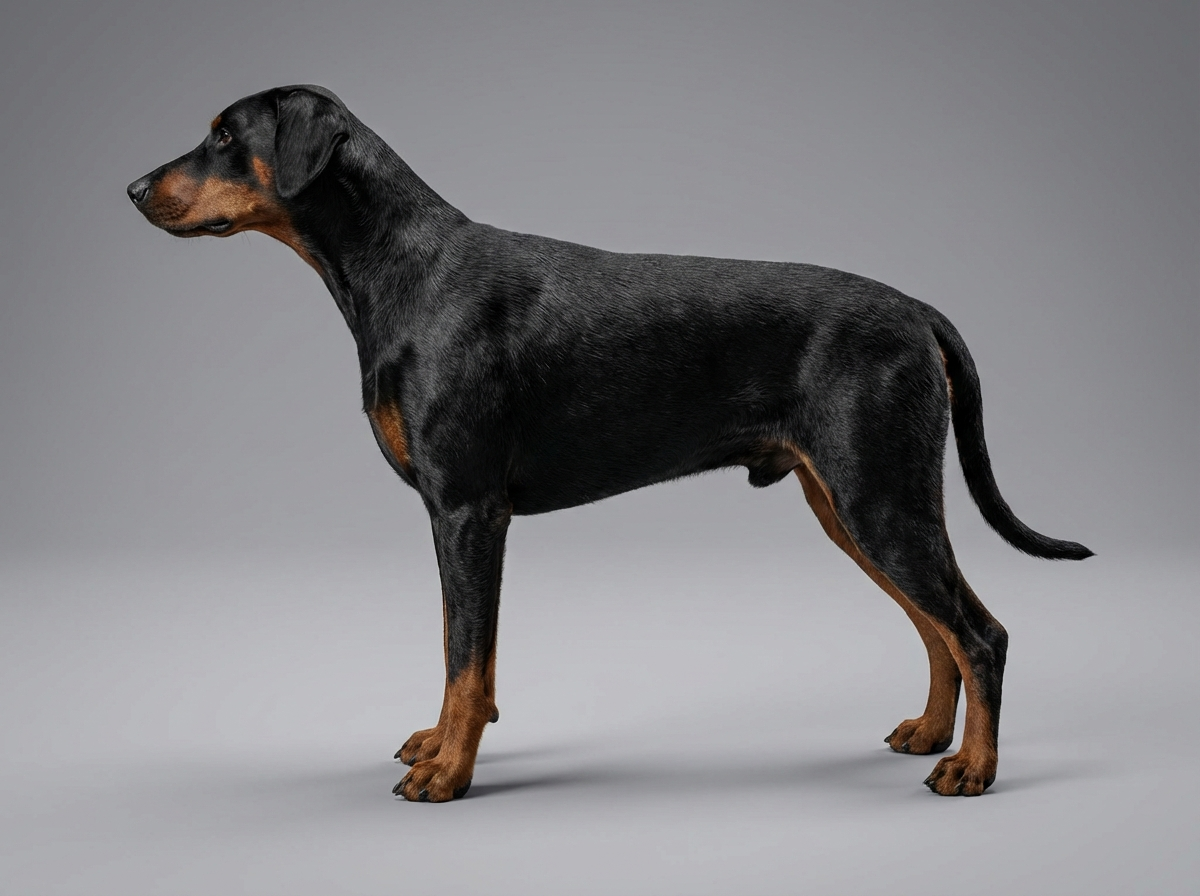
Doberman Pinscher Eye Problems: Causes and Solutions
Quick answer
What are some quick tips for Doberman Pinscher eye problems?
Keep your Doberman's environment safe and free from sharp objects. Regular vet check-ups are crucial for early detection of eye issues. Ensure your dog has a nutritious diet to support overall eye health.
Doberman Pinscher eye problems can significantly impact your dog's quality of life and ability to enjoy daily activities.
Many Doberman owners, particularly first-time pet parents, struggle with recognizing and managing these eye issues. Busy families or those living in urban settings may find it challenging to monitor their dog's eye health closely.
Important reminder
This guide is not medical advice. If your dog shows pain, sudden behavior change, or worsening symptoms, consult a licensed veterinarian.
Some links may be affiliate links. We may earn a commission at no extra cost to you. We only suggest products we believe are helpful for dog owners.
We research and check what we publish, but we do not warrant that any figure, date, price, or statement is accurate, complete, or current, and we accept no liability for any loss, cost, injury, or other harm arising from the use of this site. Use it as one reference among several. You remain responsible for your own decisions and for your dog's care - confirm anything that matters with a licensed veterinarian or another qualified professional before you act on it. Full disclaimer.
Check this first
When Doberman Pinscher Eye Problems Are an Emergency
Knowing when Doberman Pinscher eye problems require immediate veterinary attention is crucial. Red flags include sudden vision loss, excessive tearing or discharge, and signs of pain such as squinting or pawing at the eyes. If your Doberman shows any of these symptoms, contact your vet right away.
If any of these apply, call your vet or an emergency clinic now. The rest of this page is for the cases that are not an emergency.
What this problem looks like
Doberman Pinscher eye problems can manifest as redness, discharge, or excessive squinting. These issues may stem from various triggers, including allergies, injury, or genetic predispositions. Owners often notice these signs during regular activities, like play or walks, which can lead to distress for both the dog and the owner.
Common triggers
Allergies to pollen or dust
Injury during play or roughhousing
Genetic conditions like cataracts or progressive retinal atrophy
Eye problems are relatively common in Doberman Pinschers. Many owners report these issues at some point in their dog's life, making it crucial to monitor their eyes regularly.
Why this happens
Breed factors
Doberman Pinschers can be prone to certain genetic eye conditions, such as cataracts and progressive retinal atrophy. Their large, expressive eyes are beautiful but also more vulnerable to issues as they age. Additionally, their active lifestyle can lead to injuries if they engage in rough play or explore hazards.
Environment factors
Environmental factors can also contribute to eye problems in Dobermans. Dust, pollen, and other allergens can irritate their eyes, especially in urban or heavily pollinated areas. Lack of regular vet check-ups may lead to undiagnosed conditions that worsen over time.
What you can do at home (once it is not an emergency)
When to talk to your vet
Consult your vet if you notice persistent eye discharge, squinting, or if your dog is rubbing their eyes frequently. Early intervention can help manage any potential eye problems before they escalate.
At home, alongside your vet's plan
Regularly check your Doberman's eyes for any redness, discharge, or signs of discomfort. If you notice anything unusual, schedule a vet appointment.
Maintain a clean environment by reducing dust and allergens in your home. Use air purifiers and regularly wash bedding and toys.
Incorporate protective eyewear during outdoor activities to prevent injuries from branches, dust, or UV rays.
Mistakes that make Eye Problems worse
Avoid these common mistakes to help your Doberman Pinscher with eye problems. Making changes can improve their condition significantly.
Ignoring Symptoms: Failing to notice signs of eye problems can lead to worsening conditions. Always monitor your Doberman for signs of redness, swelling, or discharge.
Using Harsh Products: Some cleaning products or eye drops may irritate your dog's eyes further. Instead, use vet-approved solutions designed specifically for dogs.
Skipping Regular Vet Visits: Neglecting regular eye check-ups can delay treatment. Schedule annual vet visits to catch potential issues early.
Allowing Rough Play: Roughhousing can lead to injuries. Supervise playtime and consider using protective eyewear during active outdoor sessions.
Not Properly Socializing: Insufficient socialization can cause anxiety, which can worsen eye issues. Gradually expose your Doberman to new environments and people to boost confidence.
Failing to Provide a Balanced Diet: Poor nutrition can impact overall health, including eye health. Feed your Doberman a high-quality diet rich in essential nutrients.
Neglecting Eye Hygiene: Not cleaning your dog's eyes regularly can lead to infections. Gently wipe away any discharge with a damp cloth as needed.
You can expect to see improvements in your Doberman's eye problems within a few weeks of consistent care and follow-up with your vet. However, some issues may require ongoing management and regular vet check-ups.
Success looks like your Doberman showing fewer signs of discomfort, such as squinting or excessive tearing, and responding positively to any treatment or training methods you implement.
When to Monitor Mild Cases
If your Doberman has mild redness or occasional tearing without other symptoms, you can monitor their condition. Keep a close watch for any changes, and ensure they’re comfortable. A plan could involve routine check-ups and home care, but don’t hesitate to call your vet if the situation worsens.
Doberman Pinscher - When to Monitor Mild Cases
Emily and Max: Overcoming Eye Sensitivity
Emily, a first-time Doberman owner, noticed her dog Max squinting and rubbing his eyes frequently. After a vet visit, she learned that Max had sensitivity due to a combination of allergies and environmental factors. Emily committed to keeping Max's environment clean and started a training routine to help him adjust. She also used protective eyewear during walks. Over the next month, Max’s eye problems improved significantly, and he seemed much more comfortable outdoors.
Key takeaway: With proper care and adjustments, you can effectively manage your Doberman Pinscher's eye problems, leading to a happier and healthier pet.
Frequently asked questions
Why does my Doberman Pinscher have eye problems?
Doberman Pinschers can experience eye problems due to genetic predispositions and environmental factors. Common issues include cataracts, progressive retinal atrophy, and overexposure to injury. Regular vet check-ups can help detect these problems early.
How can I prevent eye problems in my Doberman Pinscher?
To prevent eye problems, ensure your Doberman has a safe environment and avoid exposure to harmful substances. Regular eye examinations by a vet can catch issues early. Additionally, provide a balanced diet rich in vitamins A and C to support eye health.
Can training help with my Doberman Pinscher's eye problems?
While training won't directly fix eye problems, it can help your dog learn to avoid hazards that could lead to eye injury. Teaching commands like 'leave it' can be beneficial in preventing accidents. Always follow up with veterinary care for any medical concerns.
What should I do if my Doberman Pinscher injures its eye?
If your Doberman injures its eye, keep it calm and avoid touching the eye. Contact your vet immediately for advice on how to handle the situation. Timely intervention can prevent serious damage or vision loss.
What are some common signs of eye problems in Doberman Pinschers?
Common signs of eye problems in Doberman Pinschers include excessive tearing, redness, squinting, or changes in the appearance of the eyes. You might also notice your dog rubbing its eyes or showing reluctance to bright light. If you observe any of these symptoms, it's best to consult a vet.
Are Doberman Pinschers prone to specific eye conditions?
Yes, Doberman Pinschers can be prone to specific eye conditions such as cataracts and progressive retinal atrophy. These conditions may lead to vision loss if not treated. Regular check-ups can help detect these issues early.
How can I prevent eye problems in my older Doberman Pinscher?
To help prevent eye problems in older Doberman Pinschers, ensure they have regular veterinary check-ups and a healthy diet rich in antioxidants. Keeping their living environment free from hazards can also minimize the risk of injury to their eyes.
When should I take my Doberman Pinscher to the vet for eye issues?
You should take your Doberman Pinscher to the vet if you notice persistent symptoms like excessive tearing, swelling, or changes in behavior related to vision. Delaying a visit can worsen the condition, so it's better to err on the side of caution.
What are some quick tips for Doberman Pinscher eye problems?
Keep your Doberman's environment safe and free from sharp objects. Regular vet check-ups are crucial for early detection of eye issues. Ensure your dog has a nutritious diet to support overall eye health.
Costs
How much does it cost to treat eye problems in Doberman Pinschers?
Treatment costs for eye problems can vary widely, ranging from $100 to several thousand dollars depending on the severity and type of issue. Always consult your vet for a detailed cost estimate.
Living
Are eye problems common in Doberman Pinschers?
Yes, eye problems can be somewhat common in Doberman Pinschers due to their genetic background. Regular eye care and monitoring can help mitigate risks.
Training
Can I train my Doberman Pinscher to avoid eye injuries?
Yes, training can help your Doberman learn to avoid situations that may lead to eye injuries. Commands like 'no' or 'leave it' can be effective.
A fuller vet-visit kit for Doberman Pinscher EYE Problems
The free prep sheet covers the same-day warning signs, a symptom log and the questions to ask. We are considering a fuller kit that adds a cost worksheet for the usual tests and treatments (US price ranges with their sources) and a plain-English guide to ways of covering the bill. It is not built yet; this list tells us whether it is worth building.
One email, no spam, unsubscribe anytime. Information only, not veterinary advice.