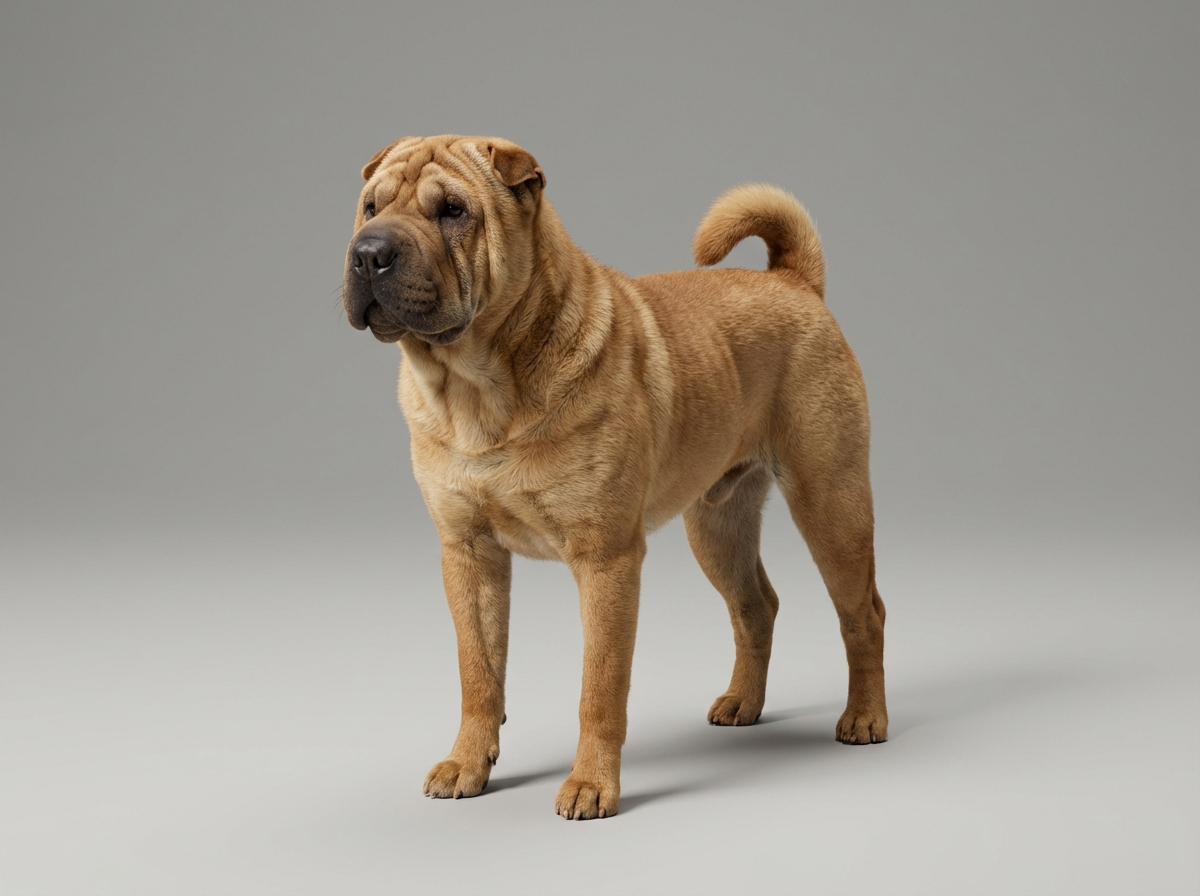
Health
Why do facial fold infections happen in this breed?
The fold structure creates warm, moist, low-airflow conditions that bacteria and yeast thrive in, a mechanical process rather than an allergic one.

Quick answer
Why do facial fold infections happen in this breed?
The fold structure creates warm, moist, low-airflow conditions that bacteria and yeast thrive in, a mechanical process rather than an allergic one.
The same deep wrinkles that give this breed its signature look are also a built-in incubator for bacteria and yeast that never fully goes away on its own.
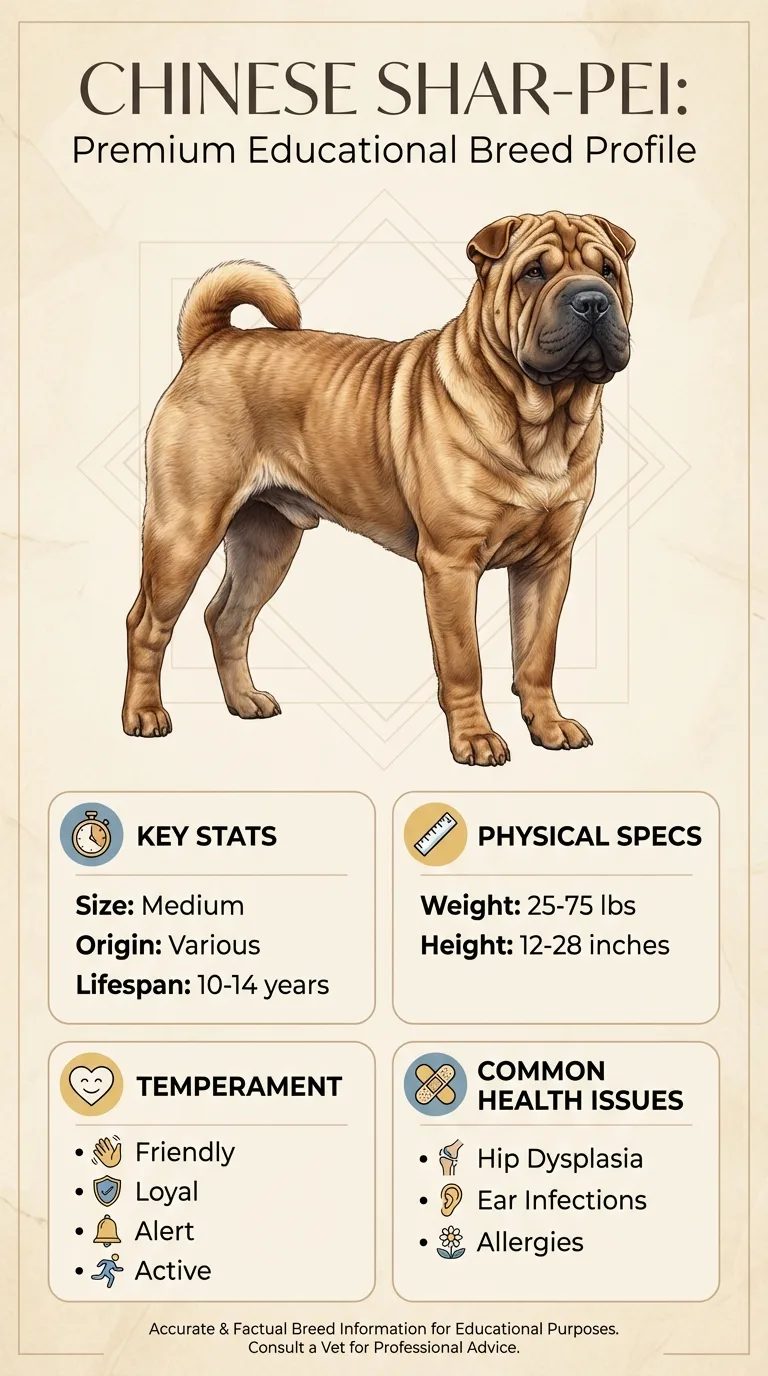
Every Chinese Shar-Pei owner, since facial fold care is close to a universal, ongoing part of owning this breed rather than a problem only some dogs encounter.
This guide is not medical advice. If your dog shows pain, sudden behavior change, or worsening symptoms, consult a licensed veterinarian.
Some links may be affiliate links. We may earn a commission at no extra cost to you. We only suggest products we believe are helpful for dog owners.
Facial fold infections, or intertrigo, are a specifically documented, common health issue in the Chinese Shar-Pei, caused by the warm, moist, low-airflow environment the breed's characteristic wrinkles create for bacteria and yeast. This is a mechanical, environmental process rather than an allergic one, meaning it's a permanent, ongoing management consideration rather than a one-time illness to cure.
Facial fold infections are specifically documented as one of this breed's common health issues, making them close to a universal, expected part of Chinese Shar-Pei ownership rather than a problem only some individual dogs encounter.
The Chinese Shar-Pei's signature abundance of facial wrinkles creates warm, moist, low-airflow microenvironments that favor bacterial and yeast overgrowth, a direct, permanent consequence of the breed's defining physical structure rather than a condition tied to age, allergy, or any external trigger.
Warm, humid weather increases moisture retention within folds, insufficient or inconsistent cleaning allows bacteria and yeast to accumulate unchecked, and excess body weight deepens folds further, all compounding the underlying structural risk this breed already carries.
Schedule a vet visit for persistent redness, odor, discharge, or visible discomfort within any skin fold that doesn't improve with a few days of more diligent cleaning. Spreading redness, swelling, or a dog that seems to be in significant pain warrants prompt veterinary attention rather than continued home management alone.
Start here: Chinese Shar-Pei Most Common Genetic Disorders: Screening
See all Chinese Shar PEI health problems, which breeds are prone to skin infections, or the full Chinese Shar PEI breed guide for temperament, exercise needs and ownership costs.
This is a permanent, ongoing management issue rather than something with a defined resolution timeline, given that the underlying fold structure driving the risk doesn't change. A specific active infection typically resolves within one to two weeks of appropriate treatment.
Success looks like infrequent, mild, quickly-resolved episodes rather than an infection-free existence, achieved through a consistent daily or every-other-day cleaning routine maintained for the dog's entire life rather than a one-time treatment.
A skin fold creates a small, enclosed microenvironment: warm, often moist from normal moisture, saliva, or tears, with limited airflow and constant skin-on-skin friction as the dog moves and breathes. Bacteria and yeast that live harmlessly on normal, exposed skin thrive when given exactly these conditions, warmth, moisture, and reduced air exposure, multiplying well beyond what a healthy skin surface would tolerate. This is a purely mechanical and environmental process rather than an allergic or immune-driven one, meaning it doesn't require any external trigger like a specific allergen, it's a near-inevitable consequence of the fold's physical structure itself. This is exactly why facial fold infections in this breed are considered a chronic management issue rather than a one-time illness to cure: as long as the fold exists in its current structure, the conditions that favor bacterial and yeast overgrowth exist right along with it.
Because this is a mechanical, ongoing issue rather than a one-time illness, prevention through routine matters more here than almost anywhere else in this breed's care.

If you think your Chinese has skin infections, the plan is three steps: write down what you have seen and when it started, book a veterinary appointment rather than waiting for the next flare, and take video of the behaviour or symptom before you go — the thing you are worried about rarely happens in the consulting room. Screening in the parents covers skin fold dermatitis, entropion, familial shar-pei fever.
What the vet visit should produce is a diagnosis and a written plan, not just reassurance: what is being ruled out, what the monitoring interval is, and which signs mean you come back sooner. Ask what the treatment costs across a year rather than per visit, because that is the number that decides whether you are managing this condition or reacting to it.
Between appointments, keep a short log — dates, what you saw, what changed. It is the single most useful thing an owner brings to a follow-up, and for skin infections it is often what separates a clear pattern from a guess.
Mei, a Shar-Pei in Honolulu, seemed perfectly normal in her general behavior, but her owner noticed an unpleasant odor and slight redness within her deepest facial fold during a routine grooming session. A vet visit confirmed a mild bacterial infection within the fold, treated with a short course of topical medication. Rather than treating this as a one-time problem now resolved, Mei's owner committed to a genuine daily cleaning routine going forward, something she'd previously done only inconsistently. In the two years since, Mei has had only one very mild recurrence, caught and resolved within days thanks to the now-established routine of regular checks.
Key takeaway: The infection itself was easily treated, but it was the shift from occasional, reactive cleaning to a genuine daily routine that actually changed Mei's long-term outcome, since the underlying fold structure driving the risk was never going away.
The breed's deep facial wrinkles create warm, moist, low-airflow environments that bacteria and yeast thrive in, a mechanical and environmental process that occurs regardless of allergies or other triggers, simply because the fold structure itself favors microbial overgrowth.
Redness, odor, discharge, and visible irritation within the fold are common signs, sometimes accompanied by the dog pawing at or rubbing the affected area due to discomfort.
Daily or every other day cleaning with a vet-approved gentle cleanser is standard for this breed, given how reliably the fold environment favors bacterial and yeast overgrowth without regular maintenance.
Not entirely, since the underlying fold structure that creates the risk is permanent, but consistent cleaning and thorough drying meaningfully reduce how often infections actually develop.
Yes, this is a mechanical and environmental process tied directly to the fold's physical structure, distinct from an allergic reaction, though the two can occur together and compound each other in some dogs.
It can worsen, spreading and becoming more painful, and in some cases the skin can become damaged enough to require more intensive veterinary treatment than a case caught early would have needed.
Yes, extra weight deepens and tightens skin folds, trapping even more moisture and worsening the underlying conditions that favor infection.
The fold structure creates warm, moist, low-airflow conditions that bacteria and yeast thrive in, a mechanical process rather than an allergic one.
Daily or every other day with a vet-approved gentle cleanser is the standard recommendation for this breed.
Not entirely, since the fold structure itself is permanent, but consistent cleaning and drying meaningfully reduce how often infections occur.
Yes, extra weight deepens folds and traps more moisture, worsening the conditions that favor bacterial and yeast overgrowth.
Routine prevention supplies are inexpensive, while an active infection requiring veterinary treatment adds a moderate but recurring cost over a dog's life.
A one-page prep sheet for this condition: the signs, the questions to ask, what to get priced. Unlocks here.
You get: Vet visit prep sheet
No spam. One-click unsubscribe. See our privacy policy.
Preview page 1 before you decide.