Health
Is a Brittany considered a flat-faced breed?
No, Brittanys have a normal, moderately long muzzle and are not classified as brachycephalic.

Quick answer
Is a Brittany considered a flat-faced breed?
No, Brittanys have a normal, moderately long muzzle and are not classified as brachycephalic.
If something you've read describes your Brittany as brachycephalic, it's describing the wrong breed. This page explains the actual anatomy and why the distinction changes what you should watch for.
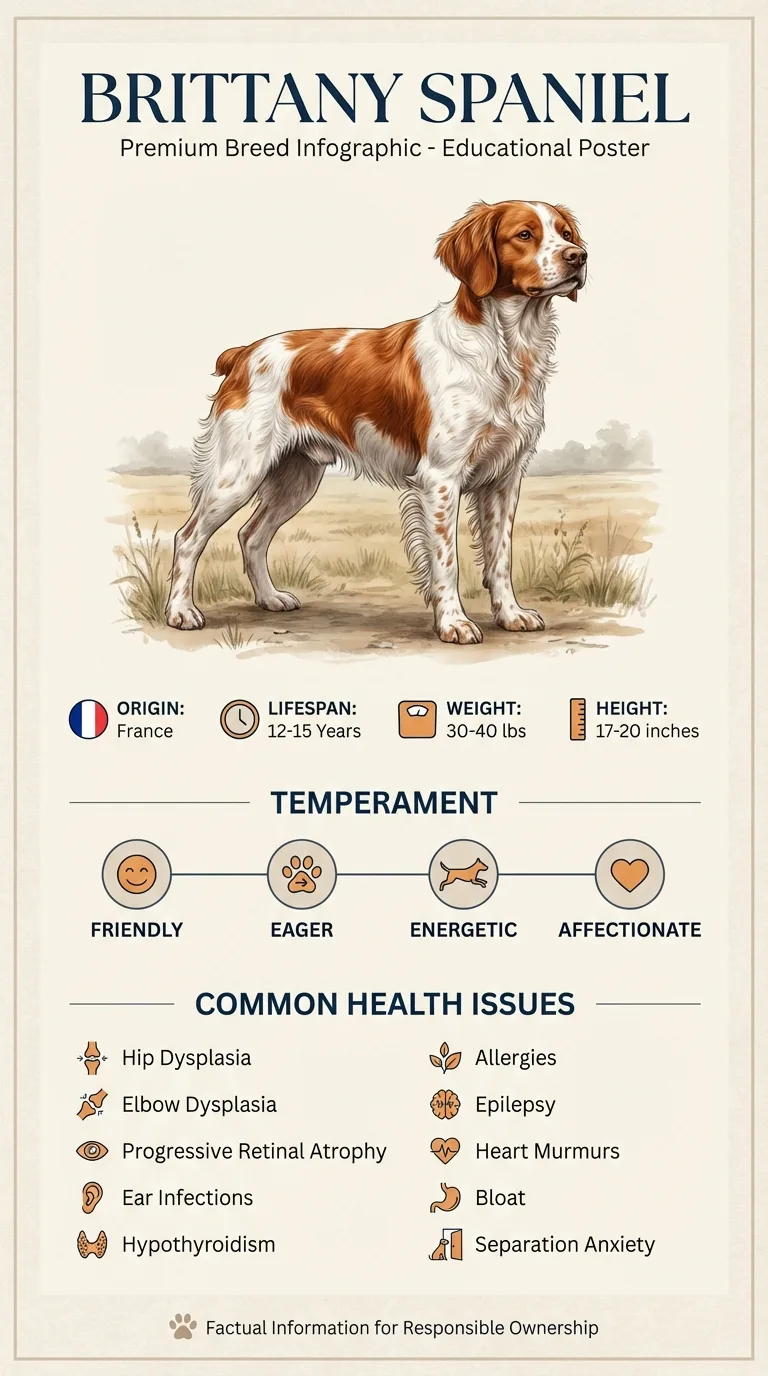
This confusion tends to reach owners through generic breed-health content that applies flattened-face risk warnings across every breed indiscriminately, regardless of actual skull shape.
This guide is not medical advice. If your dog shows pain, sudden behavior change, or worsening symptoms, consult a licensed veterinarian.
Some links may be affiliate links. We may earn a commission at no extra cost to you. We only suggest products we believe are helpful for dog owners.
We research and check what we publish, but we do not warrant that any figure, date, price, or statement is accurate, complete, or current, and we accept no liability for any loss, cost, injury, or other harm arising from the use of this site. Use it as one reference among several. You remain responsible for your own decisions and for your dog's care - confirm anything that matters with a licensed veterinarian or another qualified professional before you act on it. Full disclaimer.
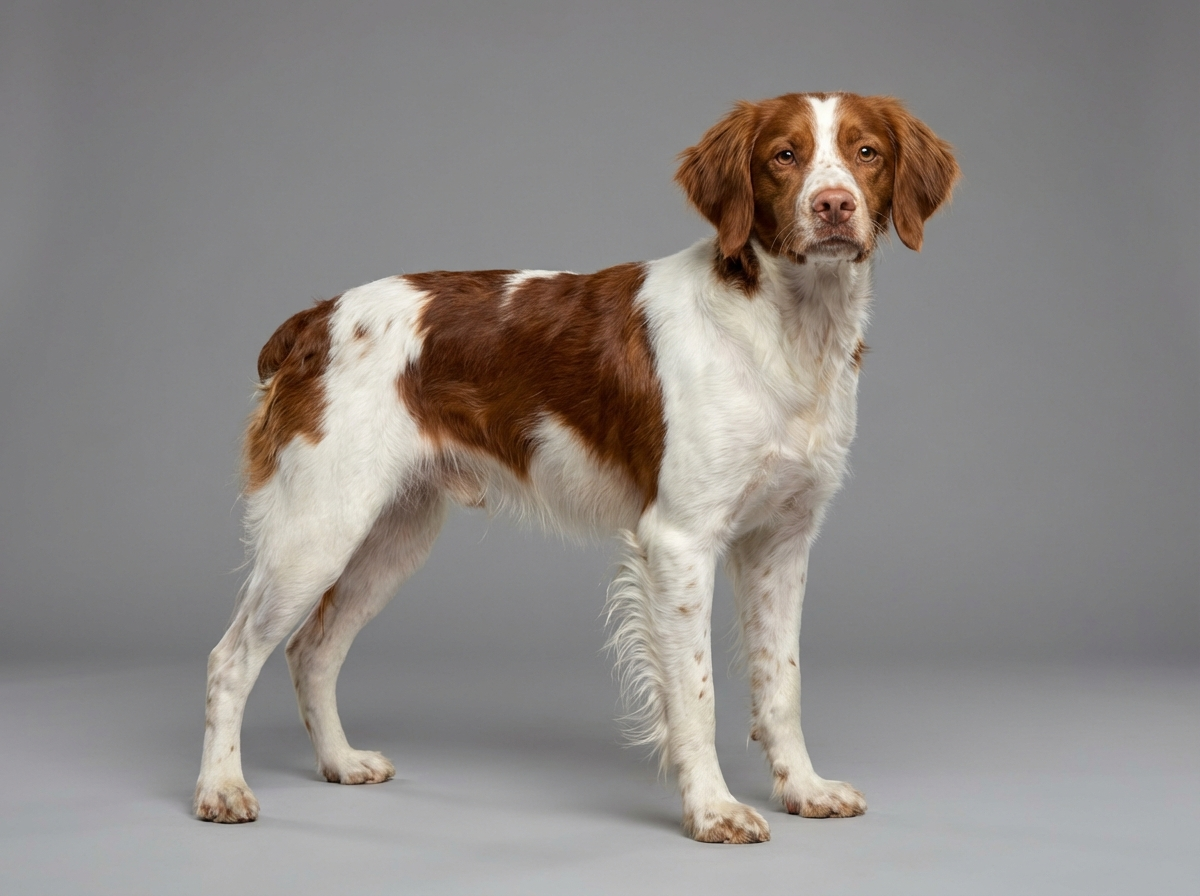
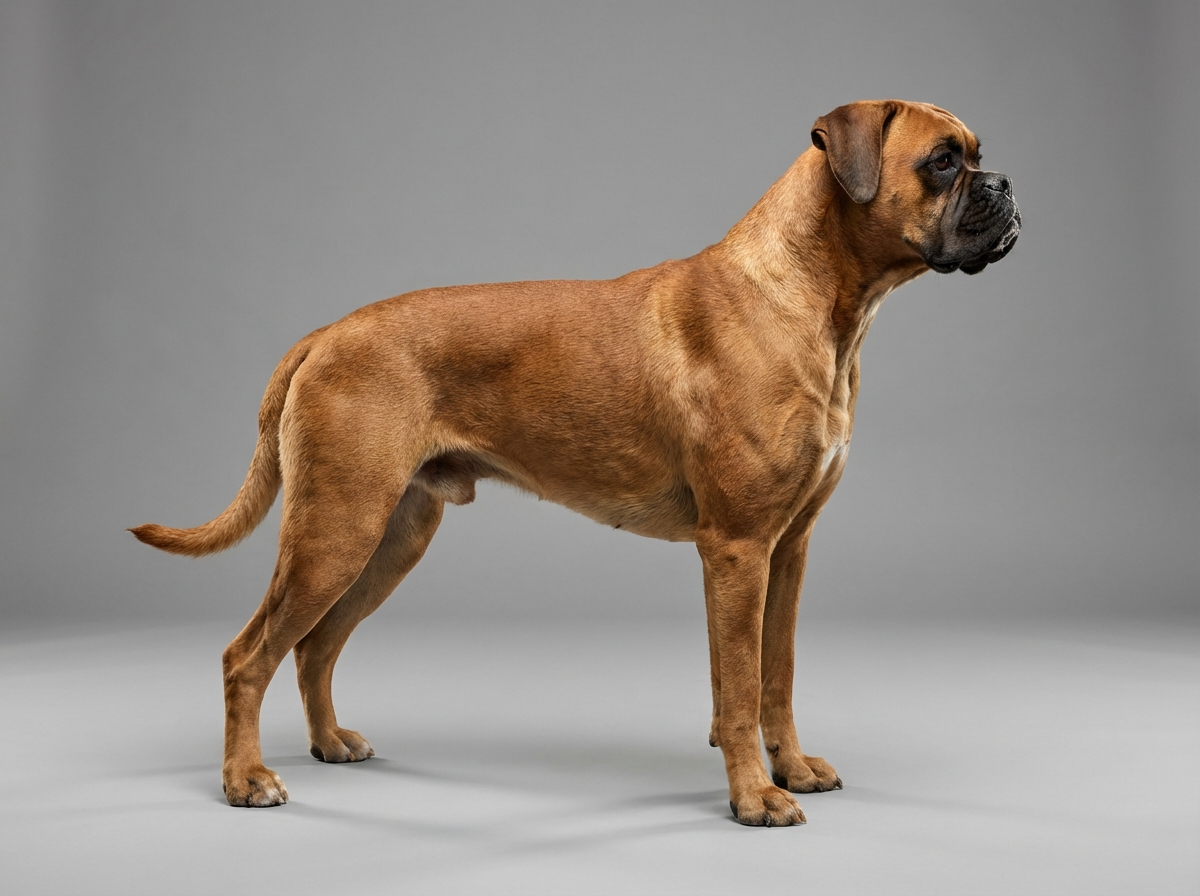
Brachycephalic features describe a flattened, shortened skull shape found in breeds like Pugs and Bulldogs. A Brittany's anatomy is the opposite: a moderately long muzzle built for scenting and endurance field work, placing this breed firmly outside the brachycephalic category and free of the structural airway risks that come with it.
Brachycephalic airway limitations are not a documented feature of this breed's anatomy at all, since Brittanys don't share the skull structure that causes them. This page exists specifically to correct that mismatch for owners who've encountered it.
This breed was developed for pointing and flushing work that depends on strong scenting ability and sustained airflow during exertion, which favored a moderately long muzzle rather than a shortened one. There is no documented genetic or structural feature in this breed's standard anatomy that produces brachycephalic airway limitations.
Nothing about this breed's typical environment changes its skull structure. Any breathing concern that does arise in an individual Brittany would stem from an unrelated cause such as allergies, infection, or injury, not from the anatomy associated with flat-faced breeds.
See your vet if your Brittany develops persistent noisy breathing, regular loud snoring, or any breathing distress that doesn't resolve with rest, since these aren't expected features of this breed's anatomy and may indicate an unrelated issue worth investigating.
See all Brittany health problems, which breeds are prone to brachycephalic features, or the full Brittany breed guide for temperament, exercise needs and ownership costs.
There's no medical timeline involved in correcting a misunderstanding about anatomy. Once an owner confirms their Brittany's actual airway structure and health profile with their vet, this concern typically resolves immediately.
Success is simply having accurate information: understanding what this breed's real airway profile is, and redirecting attention toward the heat and exertion concerns that genuinely apply instead.
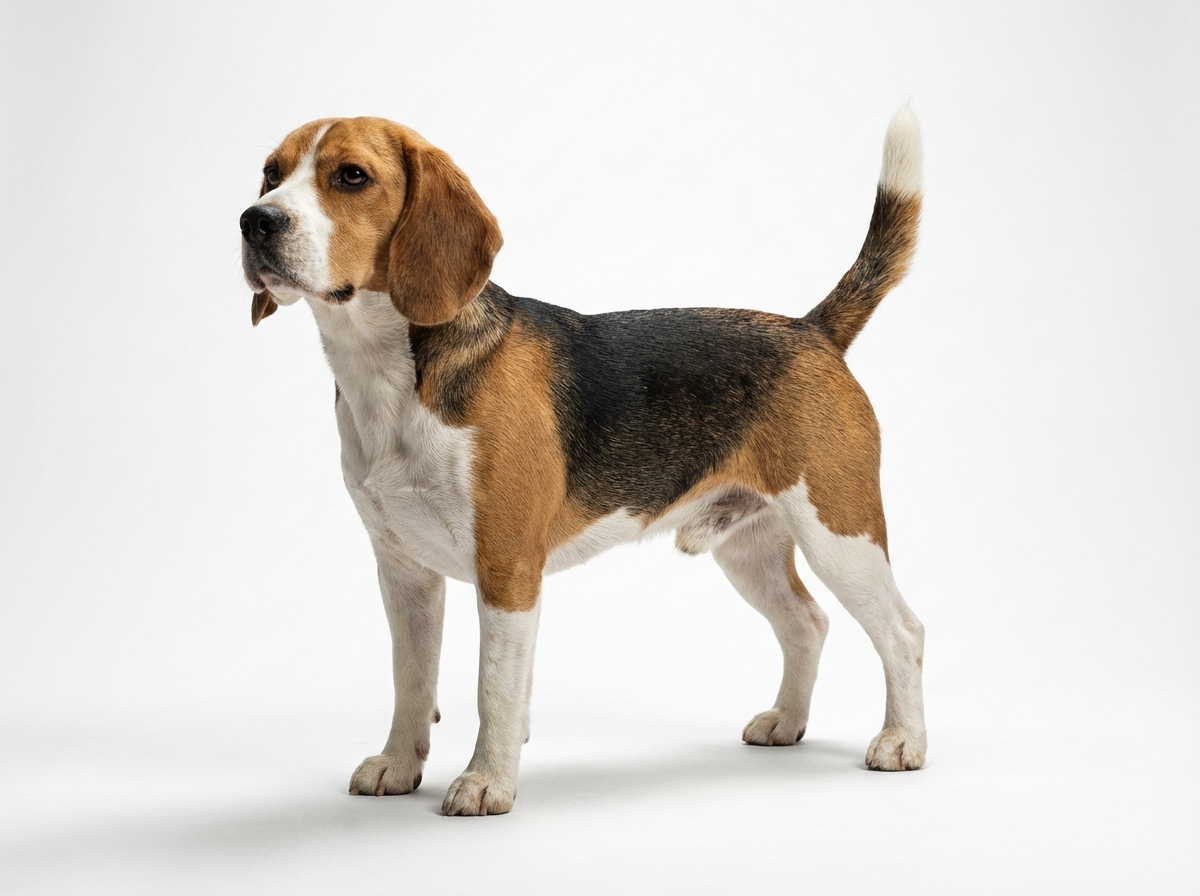
Dog skull shapes range from dolichocephalic, long and narrow like a Greyhound or Collie, through mesocephalic, a moderate, balanced proportion, to brachycephalic, short and flat like a Pug or French Bulldog. A Brittany sits comfortably in the mesocephalic middle, with a muzzle length and airway structure that functions the way a normal, unmodified canine skull is built to function.
This matters because brachycephalic anatomy causes specific, well-documented airway problems, narrowed nostrils, an elongated soft palate, and a windpipe that's often smaller relative to the dog's size. None of these structural features are part of a Brittany's anatomy, so the syndrome that arises from them doesn't apply here.
Understanding that a Brittany isn't brachycephalic helps owners focus on the airway and heat concerns that actually apply.

Sam had read a generic pet health article listing brachycephalic airway syndrome as a Brittany concern and grew anxious about letting Maple, his two-year-old Brittany, run hard during summer training sessions. He brought it up at her next checkup, half expecting a serious conversation about airway surgery risk. His vet explained plainly that Maple's muzzle and airway were completely normal, nothing like a flat-faced breed's anatomy, and that the article had almost certainly applied a generic template without checking breed-specific facts. What the vet did flag was Maple's tendency to keep working hard in the heat well past when she should take a break, which was the actual relevant safety concern. Sam shifted his attention from airway worry to building in mandatory water and shade breaks during hot-weather training, which addressed a real risk instead of a misapplied one.
Key takeaway: Not every listed 'breed health issue' actually applies to the breed it's attached to. Confirming anatomy-specific claims with a vet redirects attention toward the risks that genuinely matter.
No. Brachycephalic describes flat-faced breeds like Pugs, Bulldogs, and Boxers. A Brittany has a moderately long, normally proportioned muzzle, placing it in the mesocephalic category rather than brachycephalic.
Generic breed-health templates sometimes apply the same set of risk categories across many breeds without checking whether the underlying anatomy actually matches. It's worth verifying any specific health claim against your dog's actual documented breed traits.
Heavy panting during and after exertion is normal for any active dog, including this breed. What's worth flagging to a vet is persistent noisy breathing, wheezing, or breathing distress that doesn't resolve with rest, since that isn't a structural feature of this breed's anatomy.
Occasional soft snoring can happen in any dog, but loud, regular snoring isn't typical for this breed's normal airway structure the way it is in flat-faced breeds, and persistent snoring is worth mentioning at a checkup.
It's overexertion: a high-drive, high-energy dog that will keep working past the point of safe exertion in heat, which is a behavioral and stamina issue rather than a structural airway limitation.
Yes, any dog can develop breathing issues from allergies, infection, injury, or an unrelated medical condition. The point isn't that Brittanys are immune to breathing problems, just that the specific brachycephalic syndrome doesn't apply to this breed's anatomy.
No, Brittanys have a normal, moderately long muzzle and are not classified as brachycephalic.
Mesocephalic, meaning a balanced, moderate muzzle length and normal airway proportions, unlike short-faced brachycephalic breeds.
It generally means avoiding the airway-surgery costs common in flat-faced breeds, though this breed has its own separate documented health costs to plan for.
Yes, teaching a reliable break or recall cue helps you pace a high-drive dog's exertion in heat, which matters more for this breed than airway structure does.
Sensible heat precautions like shade, water breaks, and avoiding peak midday heat are reasonable for any active dog, but they're driven by this breed's drive and stamina, not by a flat-faced airway limitation.
A one-page prep sheet for this condition: the signs, the questions to ask, what to get priced. Unlocks here.
You get: Vet visit prep sheet
No spam. One-click unsubscribe. See our privacy policy.
Preview page 1 before you decide.