Yorkshire Terrier Brachycephalic Features: What You Need to Know
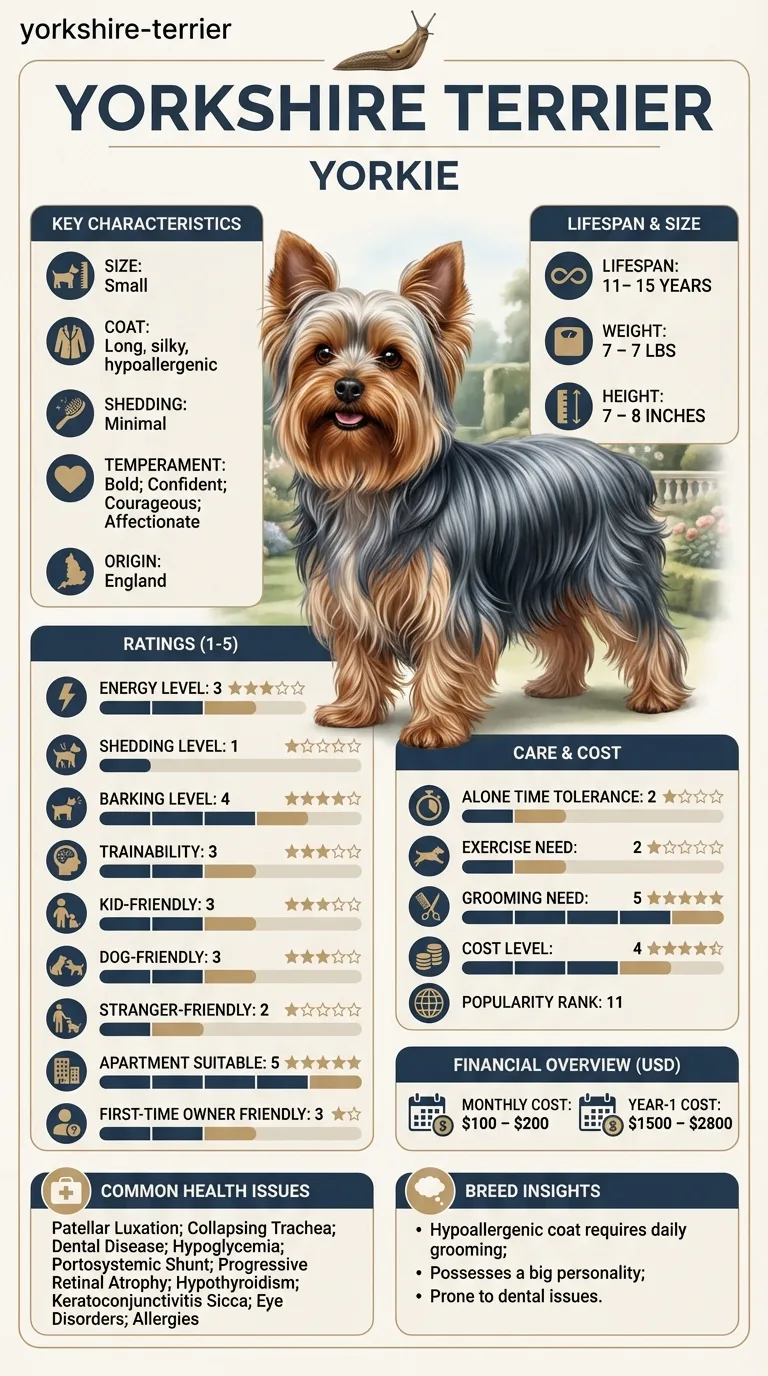
Yorkshire Terriers can have brachycephalic features that may lead to breathing difficulties. Understanding these traits is crucial for their health and happiness. (Yorkshire Terrier brachycephalic features)

What you can try
- Ensure your Yorkie has a cool, well-ventilated space to avoid overheating.
- Maintain a healthy weight through a balanced diet and regular exercise, which can help reduce breathing difficulties.
- Use a harness instead of a collar to avoid pressure on their neck, which can restrict airflow.
Mistakes that make this worse
Avoiding common pitfalls can help improve your Yorkshire Terrier's breathing difficulties and overall health. Here are some mistakes to steer clear of, along with safer alternatives.
- Ignoring weight management: Overweight Yorkies can struggle more with breathing. Ensure a balanced diet and regular exercise to maintain a healthy weight.
- Excessive heat exposure: Yorkies can overheat quickly, worsening breathing issues. Keep them cool and avoid strenuous activities during hot weather.
- Neglecting dental care: Dental problems are common in Yorkies and can impact their overall health. Regular dental check-ups and cleaning can help prevent complications.
- Poor training techniques: Using harsh training methods can increase anxiety, which may aggravate breathing difficulties. Opt for positive reinforcement techniques to encourage calm behavior.
- Failing to recognize distress signals: If your Yorkie shows signs of distress or difficulty breathing, dismissing these signals can worsen their condition. Be attentive and seek veterinary advice promptly.
When Yorkshire Terrier Brachycephalic Features Are an Emergency
Understanding when Yorkshire Terrier brachycephalic features become an emergency can save your dog’s life. Look for red flags that indicate immediate veterinary care is needed. If your Yorkie is struggling to breathe, making unusual noises, or has blue-tinged gums, these are signs that you should call your vet right away.
Other emergency signs include excessive drooling, lethargy, or fainting episodes.
In less severe cases, you can monitor your Yorkshire Terrier at home with a plan. If your dog occasionally coughs or seems slightly out of breath during play, but recovers quickly, it might not be an emergency. To be safe, keep an eye on any changes in their behavior or breathing patterns.
Scheduling regular check-ups can also help catch potential issues early, preventing emergencies down the line.
Always trust your instincts as a pet owner. If you feel something is off with your Yorkie's health, don't hesitate to reach out to your vet. It’s better to be safe than sorry, especially since Yorkshire Terriers can be prone to serious health issues related to their brachycephalic features.

Frequently asked questions
Why does my Yorkshire Terrier have brachycephalic features?
Yorkshire Terriers can exhibit brachycephalic features due to their breeding history. These traits lead to a shorter snout, which can cause breathing difficulties. If your Yorkie is wheezing or snoring, it may be experiencing these issues.
How can I help my Yorkshire Terrier with brachycephalic features?
To help your Yorkshire Terrier, ensure it maintains a healthy weight and avoid strenuous exercise in hot weather. Regular vet check-ups can also help monitor any breathing issues. Consider using elevated bowls to make feeding easier.
What are the signs of breathing problems in Yorkshire Terriers?
Signs include excessive panting, coughing, or a change in exercise tolerance. If you notice your Yorkie struggling to breathe or becoming lethargic, consult your vet immediately. Early intervention can prevent serious health issues.
Can training help with Yorkshire Terrier brachycephalic features?
While training won't change physical traits, it can help manage behavior related to anxiety or stress. Techniques like positive reinforcement can build confidence and reduce reactions to triggers. Always ensure your training sessions are short and enjoyable.
Are Yorkshire Terriers with brachycephalic features more prone to health issues?
Yes, Yorkshire Terriers with brachycephalic features may face increased risks for respiratory problems. They can also be more susceptible to dental issues and heat stress. Regular veterinary care is crucial for monitoring their health.
What are the signs that my Yorkshire Terrier's brachycephalic features are worsening?
If your Yorkshire Terrier is coughing, wheezing, or showing signs of distress while breathing, these may indicate worsening brachycephalic features. Look for excessive panting, lethargy, or difficulty exercising. Consulting a vet is crucial if you notice these symptoms.
Can older Yorkshire Terriers have more severe issues with brachycephalic features?
Yes, older Yorkshire Terriers can experience more severe issues due to brachycephalic features. As they age, their respiratory systems may weaken, making it harder for them to breathe comfortably. Regular vet check-ups are essential to monitor their health.
How can I help my Yorkshire Terrier with mild brachycephalic features?
To assist your Yorkshire Terrier, ensure they maintain a healthy weight and avoid strenuous exercise in hot weather. Training techniques focused on calming and controlled breathing can also be beneficial. Always consult your vet for tailored advice.
Is surgery an option for Yorkshire Terriers with severe brachycephalic features?
Yes, surgery may be an option for Yorkshire Terriers with significant brachycephalic features that cause severe breathing issues. This procedure can help open up their airways. It's essential to discuss potential risks and benefits with your veterinarian.
What preventative measures can I take for my Yorkshire Terrier's brachycephalic features?
To prevent complications from brachycephalic features, keep your Yorkshire Terrier's weight in check and provide a cool environment. Avoid exposing them to extreme temperatures and manage their exercise routines carefully. Regular vet visits are key for early detection of any issues.