Behavior
What are quick tips for managing Schnauzer (Standard) brachycephalic features?
Keep exercise sessions short and monitor breathing closely. Avoid hot weather and ensure a cool environment. Consult your vet for tailored advice.

Quick answer
What are quick tips for managing Schnauzer (Standard) brachycephalic features?
Keep exercise sessions short and monitor breathing closely. Avoid hot weather and ensure a cool environment. Consult your vet for tailored advice.
Schnauzer (Standard) brachycephalic features can lead to breathing difficulties, affecting your dog's quality of life.
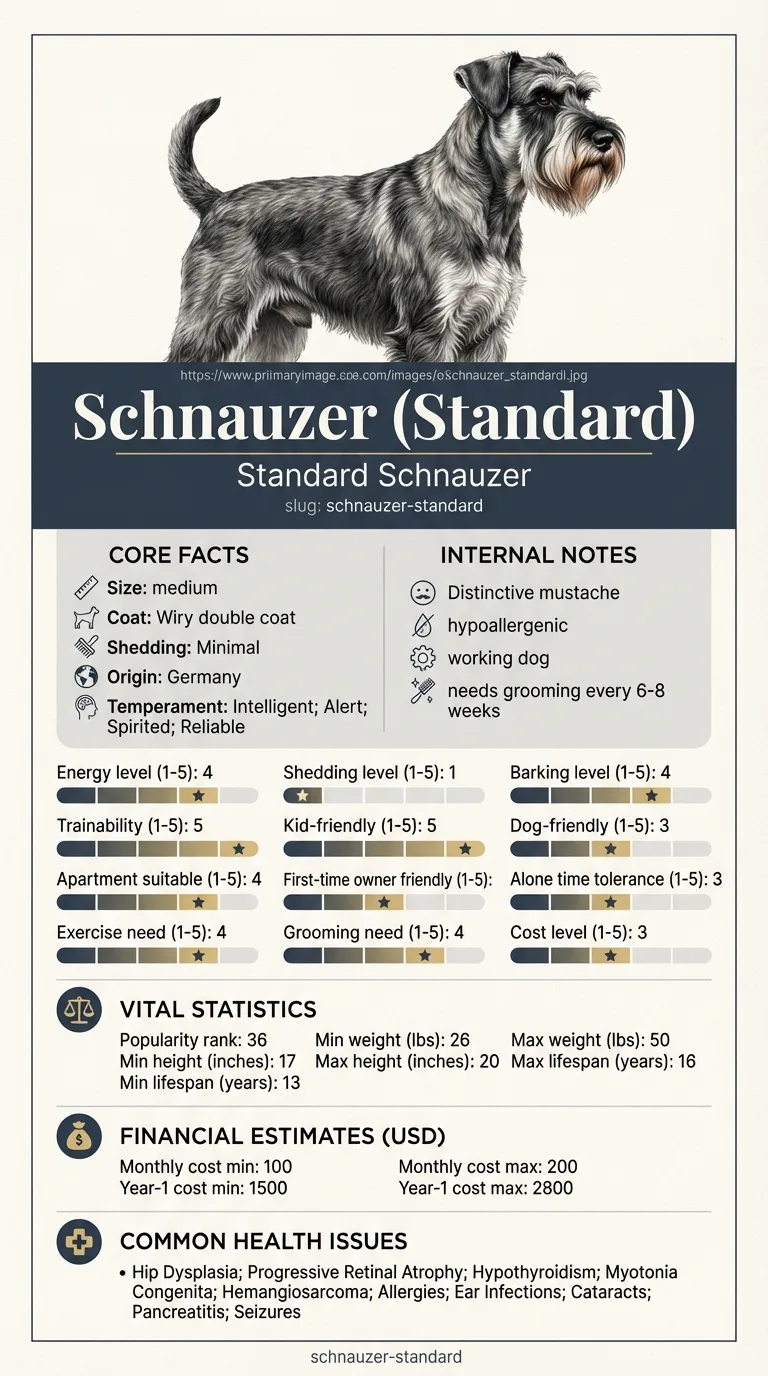
Owners of Schnauzers (Standard) often find themselves facing these challenges, especially first-time dog parents or those unfamiliar with the breed's specific needs.
This guide is not medical advice. If your dog shows pain, sudden behavior change, or worsening symptoms, consult a licensed veterinarian.
Some links may be affiliate links. We may earn a commission at no extra cost to you. We only suggest products we believe are helpful for dog owners.
We research and check what we publish, but we do not warrant that any figure, date, price, or statement is accurate, complete, or current, and we accept no liability for any loss, cost, injury, or other harm arising from the use of this site. Use it as one reference among several. You remain responsible for your own decisions and for your dog's care - confirm anything that matters with a licensed veterinarian or another qualified professional before you act on it. Full disclaimer.
Check this first
Recognizing when your Schnauzer (Standard) has a serious issue with their brachycephalic features is crucial. If you observe any of the following red flags, call your vet immediately:
- Severe difficulty breathing or gasping for air - Persistent coughing or wheezing - Blue-tinged gums or tongue, indicating a lack of oxygen - Unusual lethargy or weakness, especially after minimal exercise
These signs indicate potential respiratory distress and require immediate attention.
On the other hand, if your Schnauzer (Standard) shows mild symptoms, such as light snoring or occasional coughing, you may monitor them at home. Keep an eye on their activity level and breathing patterns. Implementing a plan for gradual exercise and avoiding extreme heat can help manage minor discomfort. Always consult your vet if you're unsure about your dog's condition.
If any of these apply, call your vet or an emergency clinic now. The rest of this page is for the cases that are not an emergency.
Schnauzer (Standard) brachycephalic features can lead to noticeable breathing difficulties. These challenges often manifest as snoring, wheezing, or labored breathing, especially during exercise or in warm weather. Owners may observe their Schnauzer panting excessively or having trouble cooling down after playtime.
Brachycephalic features are somewhat common in Schnauzers (Standard), particularly if they have inherited certain traits. While not all Schnauzers exhibit these features, many owners report experiencing this issue to varying degrees.
Schnauzers (Standard) are not typically brachycephalic, but some individuals might show traits due to mixed breeding or genetic variations. These traits can lead to breathing difficulties, especially in those with narrower airways. It's important to recognize that these characteristics can vary by individual.
Environmental factors can also contribute to brachycephalic features in Schnauzers (Standard). Poor air quality, heat, or obesity can exacerbate breathing issues. Stressful situations, like loud noises or unfamiliar environments, can further increase anxiety and breathing difficulties.
If you notice persistent or severe breathing difficulties, it's crucial to consult your vet. They can assess your dog's health and recommend treatments or interventions tailored to your Schnauzer's needs.
Here are common mistakes that can worsen your Schnauzer's (Standard) brachycephalic features. Avoiding these can help improve their breathing and overall comfort.
Start here: Standard Schnauzer Most Common Genetic Disorders: Screening
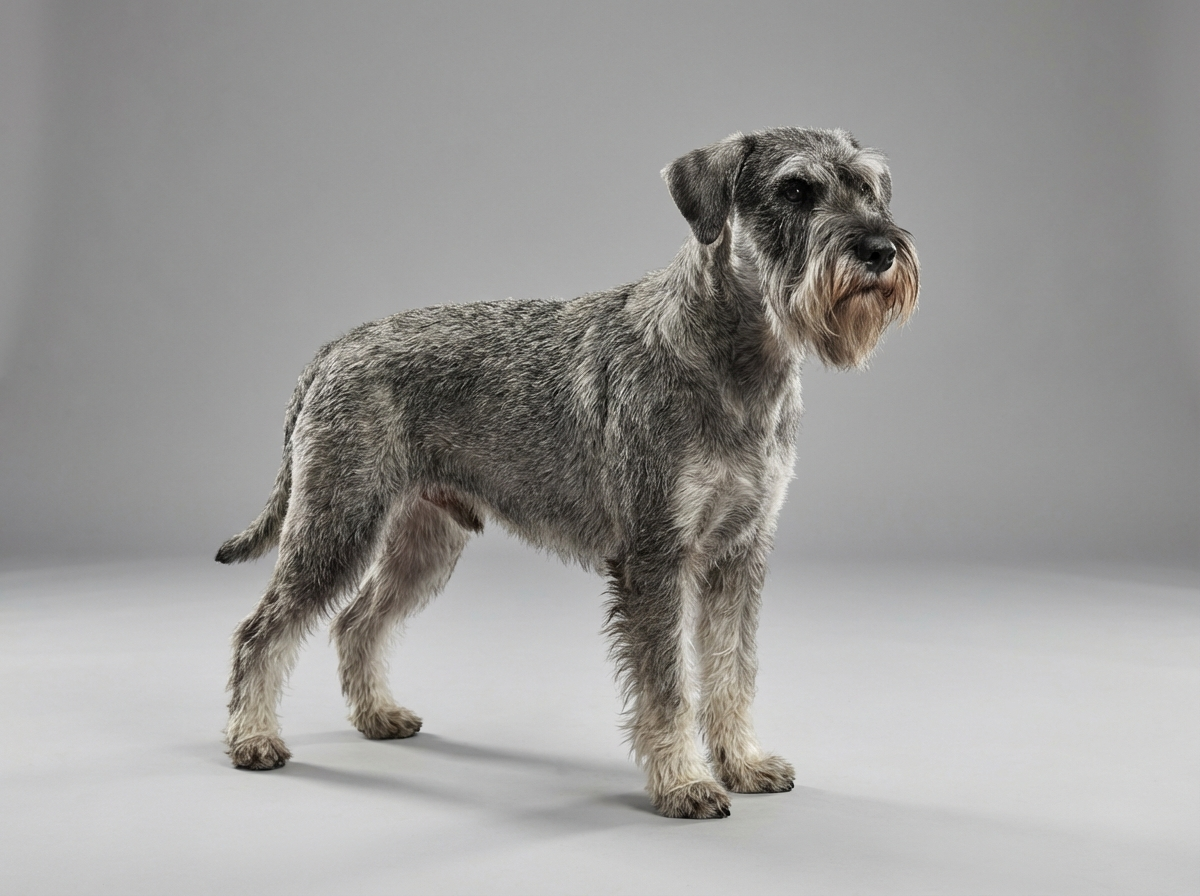
See all Schnauzer Standard health problems, which breeds are prone to brachycephalic features, or the full Schnauzer Standard breed guide for temperament, exercise needs and ownership costs.
With consistent care and management, you can expect to see improvements in your Schnauzer's behavior related to brachycephalic features within 4 to 6 weeks. Ongoing support and modifications may be necessary for long-term success.
Success means your Schnauzer breathes more easily during play and rest, displays reduced anxiety, and responds well to training techniques designed to address these challenges.
Jessica, a busy nurse in Seattle, adopted Bella, her Standard Schnauzer. She quickly noticed that Bella often struggled to breathe during walks and would pant heavily after playtime. Concerned about Bella's well-being, Jessica researched how to stop Schnauzer (Standard) brachycephalic features and discovered that training and management could help. She began incorporating short, controlled walks, gentle play sessions, and specific breathing exercises into Bella's routine. With patience and consistency, Jessica saw Bella’s breathing improve within a few weeks, allowing her to enjoy outdoor activities without distress.
Key takeaway: Addressing brachycephalic features in Schnauzers requires a commitment to training and lifestyle adjustments, but with effort, you can greatly enhance your dog's comfort and joy.
Brachycephalic features in Schnauzers (Standard) can occur due to genetic traits. These traits may lead to a shorter snout, which can cause breathing difficulties. It's important to monitor your dog's breathing and consult a vet if you notice any issues.
To manage breathing difficulties, avoid strenuous activities during hot weather. Regular vet check-ups can help track any respiratory issues. Training your Schnauzer to stay calm can also alleviate stress on their breathing.
Positive reinforcement training is effective for Schnauzers. Use treats and praise to encourage calm behavior during exercises. Gradually introduce activities to help them adapt without overexerting themselves.
Consider low-impact exercises like short walks or gentle play sessions. Avoid high-energy activities that can strain their breathing. Always keep an eye on your Schnauzer for any signs of distress.
If your Schnauzer shows signs of labored breathing, excessive panting, or lethargy, it's time to call your vet. Prompt attention can help address any potential health issues early on. Regular health check-ups are essential for prevention.
Signs of brachycephalic airway syndrome can include noisy breathing, excessive panting, and difficulty exercising. If your Schnauzer seems to struggle to catch their breath or is frequently coughing, it's important to consult your vet for a thorough evaluation.
While brachycephalic features are typically present from a young age, older Schnauzers can develop related health issues due to weight gain or age-related changes. Regular check-ups with your vet can help monitor any new symptoms and ensure proper care.
To help your Schnauzer, ensure they maintain a healthy weight and avoid strenuous exercise in hot or humid weather. Additionally, consider using a harness instead of a collar to reduce pressure on their neck, which can help alleviate breathing difficulties.
Yes, surgery can be an option for Schnauzers with severe brachycephalic features that cause significant breathing problems. A veterinarian can provide guidance on whether surgery is appropriate based on your dog's specific condition and overall health.
If your Schnauzer shows signs of heat stress, such as excessive panting or lethargy, move them to a cooler area immediately and offer water. If symptoms persist or worsen, contact your veterinarian for further advice and treatment options.
Keep exercise sessions short and monitor breathing closely. Avoid hot weather and ensure a cool environment. Consult your vet for tailored advice.
While grooming isn't directly related to brachycephalic features, regular grooming is important for their wiry coat. Schedule grooming every 6-8 weeks to maintain coat health.
Be alert for respiratory issues, allergies, and ear infections. Regular vet visits can help catch these problems early.
Gradually get your Schnauzer used to being alone by starting with short periods. Provide toys and comfort items to ease anxiety.
A one-page prep sheet for this condition: the signs, the questions to ask, what to get priced. Unlocks here.
You get: Vet visit prep sheet
No spam. One-click unsubscribe. See our privacy policy.
Preview page 1 before you decide.